
DIPLOMACY
US-CHINA RELATIONS, GLOBAL TERRORISM REMAIN TWO KEY CONCERNS 15 YEARS ON: DR NG
05 Jun 2016
Fifteen years since the inauguration of the Shangri-La Dialogue in 2002, global security concerns remain the same, but the players and scale of the challenges have evolved.
This was Minister for Defence Dr Ng Eng Hen's central message in his speech, entitled, "Regional Security Challenges 15 Years On - Same Plot, Different Cast", at the closing of the 15th Shangri-La Dialogue on 5 Jun. He was speaking at the closing plenary, on the topic, "Pursuing Common Security Objectives".
Held in Singapore from 3 to 5 Jun, the Dialogue has brought together 602 delegates from over 50 countries to engage in conversations to build confidence, while fostering practical security cooperation.
Alluding to the late Mr Lee Kuan Yew's speech at the very first Shangri-La Dialogue 14 years ago, Dr Ng noted: "Mr Lee crystallised the essence of the two most important security challenges that would confront this region for years to come - namely the US-China relationship, and global terrorism."
"Fifteen years on, indeed these two same challenges continue to take centre stage in the world," Dr Ng said. "Some cast of main characters may have changed, but the main plot remains, albeit with different nuances and new complexities played out."
Impact of US-China relations on the world
On the pre-eminent power of the United States (US) and the growing power of China in the context of the South China Sea territorial disputes, Dr Ng recognised the contributions of both countries to the region.
"It was China's growth that kept Asia buoyant, even as the European and the US economies stagnated," Dr Ng explained, citing the economic reforms by Chinese President Hu Jintao that had led to the phenomenal growth of the country's Gross Domestic Product (GDP) in the decade between 2003 and 2013. This in turn enabled ASEAN's GDP and trade to rise as well, with ASEAN's cumulative GDP growing over threefold from 2001 to 2013.
As for the US, it began its rebalancing towards Asia in the defence arena in 2011, and had successfully negotiated the Trans-Pacific Partnership, a trade agreement among the 12 Pacific Rim countries.
Nonetheless, Dr Ng acknowledged that the South China Sea and territorial disputes had deeper implications than purely a contest for territories. He said: "This contest will de facto set new rules and players that will govern state-to-state relations and geo-politics in Asia and beyond in the decades to come."
Terrorism as a global threat
Dr Ng highlighted that the threat of terrorism remained as prevalent now as it had a decade-and-a-half ago, albeit with different perpetrators: Afghanistan has been replaced by Syria and Iraq, and ISIS has replaced Al-Qaeda and Jemaah Islamiyah.
In addition, the undercurrents have since grown deeper and stronger, as evidenced by the growing number of ISIS sympathisers and operatives in ASEAN. Even Singapore was not immune to the situation when it became a transit point for terrorists who were making multiple stopovers in an attempt to elude authorities. Recently, construction workers from Bangladesh who had been radicalised in Singapore were arrested for plotting attacks on their home country.
"This gathering storm has the real potential to destabilise this region, if not tackled decisively and together," he said.
To tackle the issue of transnational terrorism, Dr Ng called on security forces to combat terrorism rigorously. On top of that, he also urged the nations to cooperate in fighting terrorism, saying: "Collectively, we must work closely together to build up joint responses and strengthen intelligence, surveillance and reconnaissance efforts. Where appropriate, we can combine resources for operation."
In closing, Dr Ng fielded questions from the floor and expressed his appreciation to the attending ministers for the fruitful discussions that had made headway in tackling the threat of terrorism. He said: "I've been quite happy with the outcomes of this particular Shangri-La Dialogue because (the attending ministers) found strong concordance about the threat of terrorism."
"The reason I think that's positive is that it provides motivation to share resources and obviously, the place to start is intelligence. In parallel with the SLD, there have been intelligence chiefs meeting as well, dealing with the issues, and I think they've made headway in terms of the greater need to share sensitive information. So, I think that's a start."

ALSO READ IN DIPLOMACY
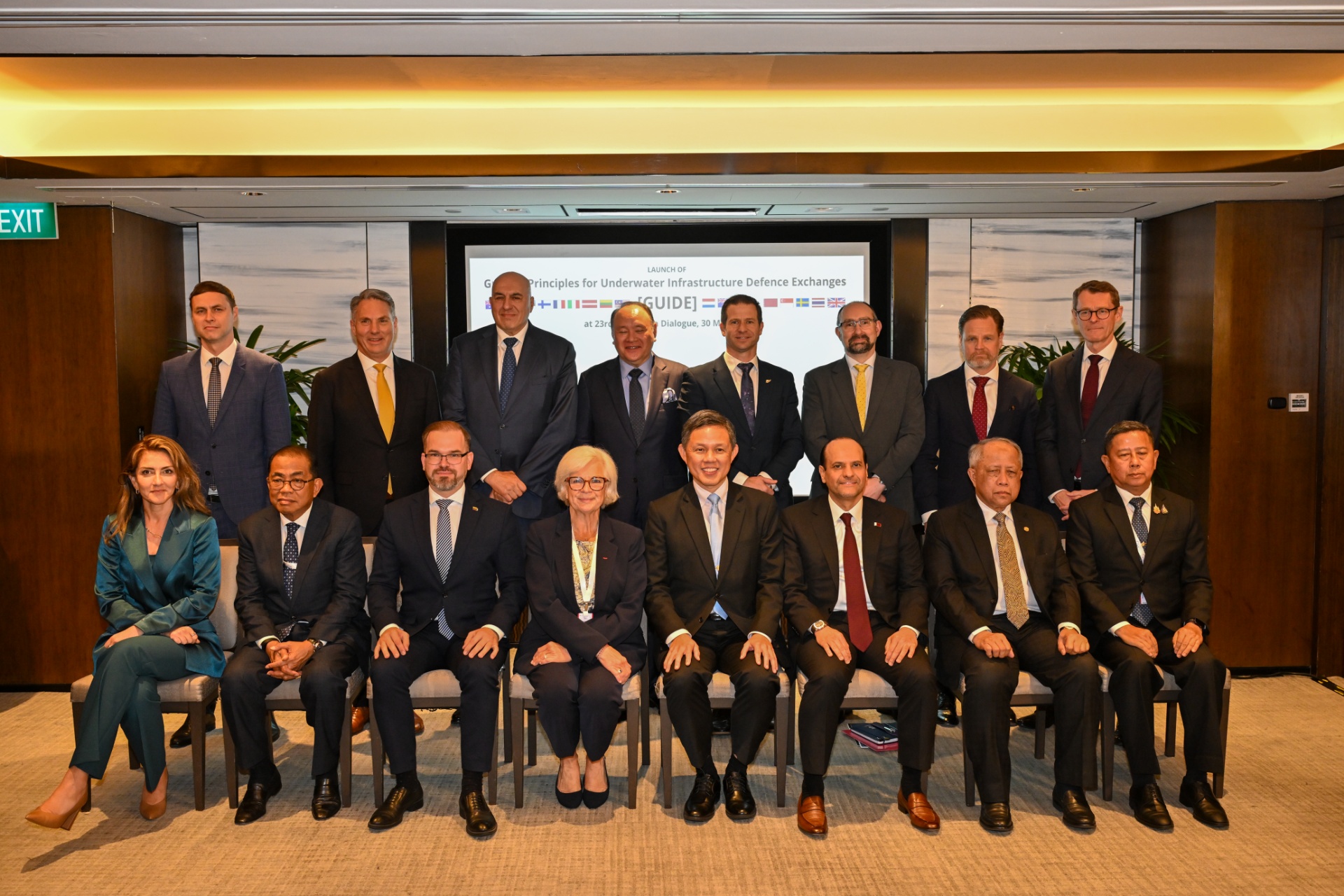
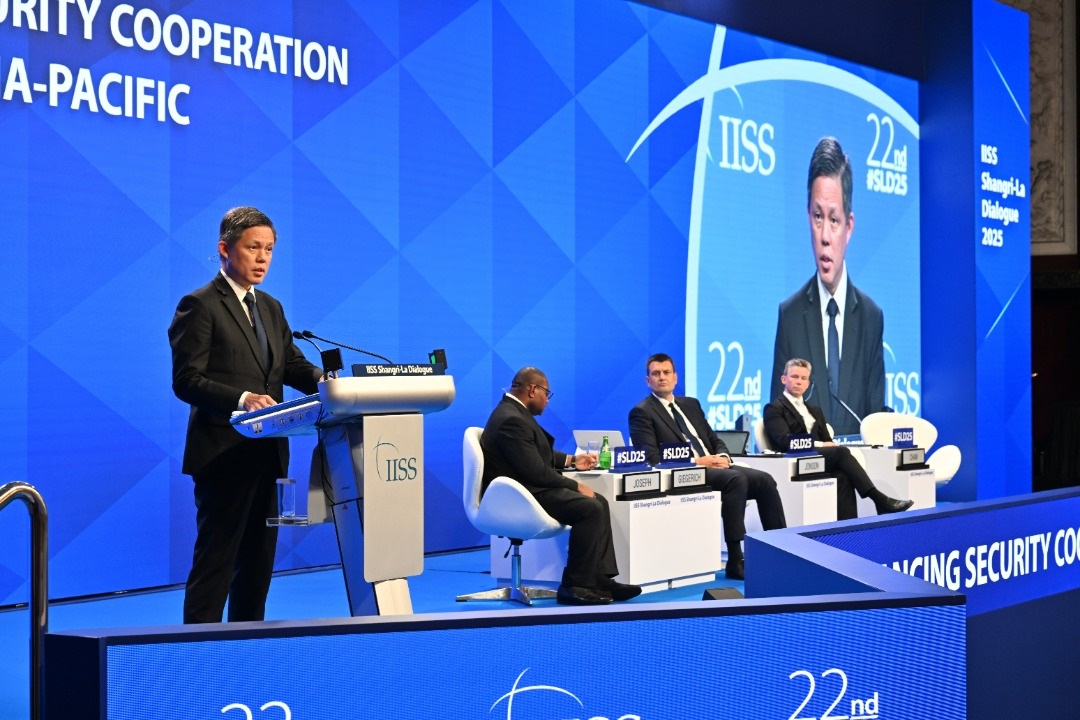
Going alone is not the answer to insecurity – Mr Chan
01 Jun 2025
“Going alone is not the answer to insecurity”, emphasised Minister for Defence Mr Chan Chun Sing at the Shangri-La Dialogue (SLD), held from 30 May to 1 Jun. This was one of his main points at his speech at the sixth plenary session on 1 Jun.
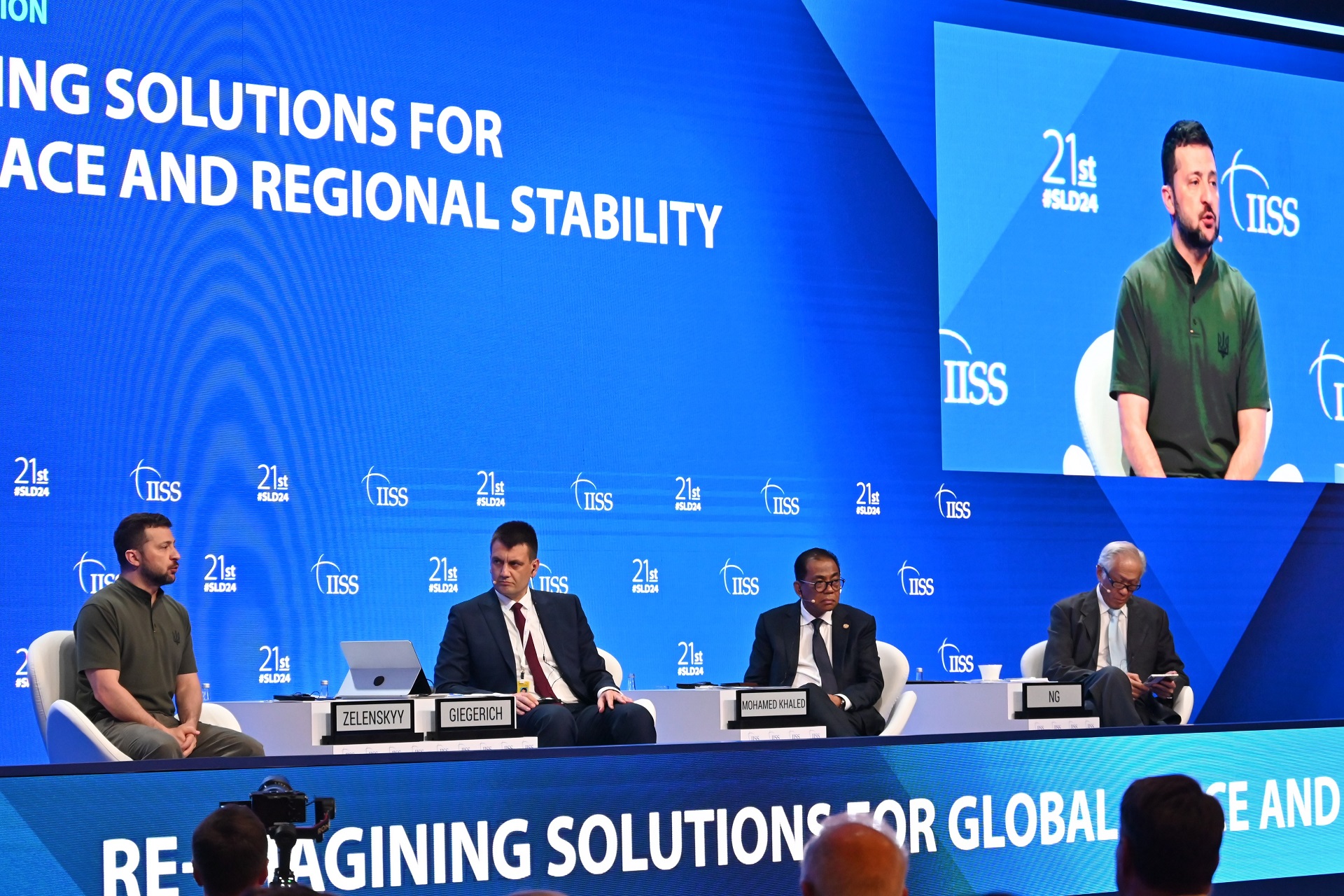
A call for peace at Shangri La Dialogue
02 Jun 2024
A repeated call for peace, especially in Asia. This was Minister for Defence Dr Ng Eng Hen's central message at the 21st Shangri La Dialogue (SLD), held from 31 May to 2 Jun.
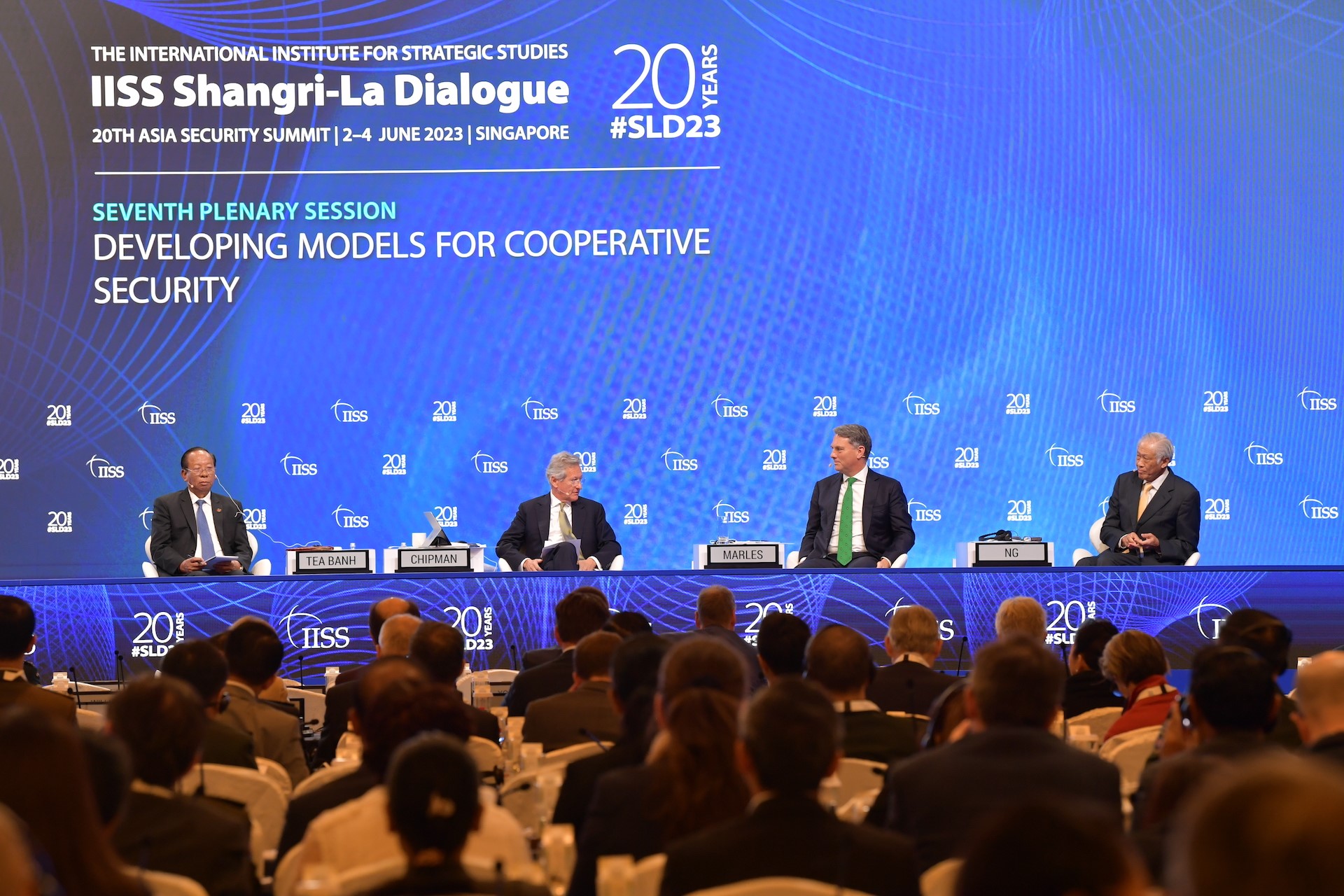
Shangri-La Dialogue sees frank discussion of security issues
04 Jun 2023
The 20th Shangri-La Dialogue, held from 2 to 4 Jun, saw ministers from around the world meet in Singapore to discuss key defence and security issues.