
PEOPLE
SINGAPORE'S TOP DEFENCE TECHNOLOGY TALENTS
30 Dec 2005
The top minds in Singapore's defence technology and science fields were recognised at the Defence Technology Prize (DTP) award ceremony held at the University Cultural Centre on 11 Nov.
Minister for Defence Teo Chee Hean, who was the guest-of-honour at the ceremony, congratulated the winners and highlighted their key roles in national defence.
"For all of technology's multiplier, enabling and catalytic effects, it is the people in our integrated defence ecosystem who create, exploit, integrate, acquire, operationalise, maintain or operate our technologies. You are hence, the ultimate multipliers, enablers and catalysts," said Mr Teo.
We spotlight two winners this year.
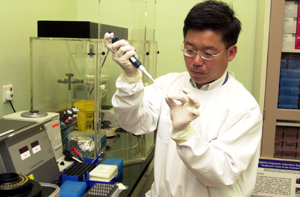
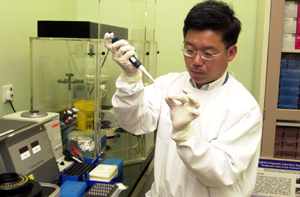
Since the early 1990s, Dr Eric Yap, 41, has been a key figure in developing Singapore's capabilities in population genetics and biological defence.
Dr Yap's work in genetics has helped to address the problem of myopia in SAF soldiers. He also spearheaded R&D in DNA fingerprinting to identify human remains in mass casualty or missing-in-action incidents.
Putting his research into action, Dr Yap spent 17 days in the tsunami-stricken region of Aceh, Indonesia, earlier this year. He led a public health field laboratory which was deployed with the SAF Medical Team and assisted the World Health Organisation and medical relief agencies in the surveillance of potential disease outbreak among survivors living in temporary camps.
In biological defence, Dr Yap's work has resulted in a quicker diagnosis of melioidosis, a soil disease that can affect soldiers. He was also part of a team that developed new means of analysing biological agents, which proved vital during the Anthrax scare in 2001 and the SARS outbreak in 2003.
With the growing threat of an avian flu outbreak, Dr Yap's work in biological defence will again have critical implications.
"One unanswered question in avian flu is how a virus that starts off as an infection in birds, crosses the species barrier and affects humans."
"The influenza virus' RNA is known to mutate rapidly, so if we can better understand the RNA sequences and the mutations involved, this can give us a clearer idea of what the next strain of influenza that affects humans will be like. We can then develop new tests that are sensitive to the new strain," Dr Yap explained.
RNA or ribonucleic acid is the information storage and messenger in living cells essential for making protein.
Currently the Head of the Population Genetics Laboratory in the Defence Medical and Environmental Research Institute at the DSO National Laboratories, Dr Yap is now exploring new cross-disciplinary opportunities.
He has been evaluating and acquiring commercially available off-the-shelf instruments used for DNA amplification and analysis. Working closely with engineers, Dr Yap has adapted a piece of equipment, the thermocycler (used for heating, cooling and analysing DNA samples), making it more user-friendly.
"While my training is primarily in medicine and biological sciences, I have a wide range of interests. I am driven by the need to solve a problem, and if that involves new knowledge, I will go into these areas by working with colleagues who specialise in these fields," said Dr Yap.
"Knowledge today is so advanced that it is impossible for a single individual to be both broad and deep. The way to go is to work in teams across different disciplines. You find a rich fertile ground in the interface between different bodies of knowledge."
He continued: "Many inventions and new developments come out of this cross-fertilisation of ideas. From this point of view, you will never be short of work to do. This is an exciting time to be in research. There are always new things to discover and, depending on one's ingenuity and drive, new things to invent."
The centralised command post where commanders gather, analyse information and make vital decisions, is the 'brains' for military operations. But as the tempo of military operations quickens, this traditional battle procedure could become a liability in warfare.
With its higher transmission signature and larger physical footprint, the centralised command post is more vulnerable to enemy attacks. With commanders gathered together and away from their men, communication with troops may also be hindered. And setting up and tearing down a co-located command post takes time precious seconds that can win the battle.
Comprising members from the MINDEF's Future Systems Directorate and the Defence Science & Technology Agency (DSTA), the Mission Mate team offers an innovative alternative.
Through network-centric experiments on Integrated Knowledge-based Command and Control (IKC2) ideas, the team has come up with the Command Post Anywhere (CPA) concept.
Here, components of a command post are distributed to various locations yet share information through video conferencing, text chatting or Voice-Over-IP.
Commanders are given detailed map information of roads and landmarks with geographical information services and can conduct discussions over virtual maps. Meanwhile, 3D-visualisation and simulations give soldiers greater situational awareness, to better visualise and overcome war-fighting challenges.
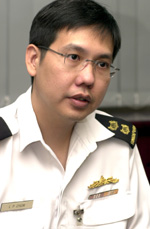
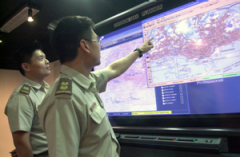
One of the team's leaders, Division Manager from DSTA, LTC Chew Lock Pin (left), highlighted an advantage of the CPA: "With a distributed structure, we achieve better optimisation of command staff. Commanders and intelligence personnel can be with the frontline troops, while logistics staff can be with the logistics team."
Thus, by leveraging on technology, members of the CPA are still able to conduct operational analysis and planning as if they are in the same command post, yet have the flexibility of moving the men about quickly.
Currently, the SAF is one of a handful of militaries at the forefront of this new concept. While on exercise in Australia last year, soldiers from the 8th Armoured Brigade tested the system and gave it the thumbs-up.
"While preparing for one experiment, we only had a day and a half to train the soldiers and we were concerned they will not be able to use the system well. But they adapted quickly and had no problems with it at all!" recalled LTC Chew.
Moreover, the changing profile of SAF soldiers, who are now better educated and more technologically savvy, has enhanced the use of such new ideas.
Revealing plans for the future, LTC Chew said the team hopes to further increase the CPA's mobility by moving it onto vehicles. Technical factors like bandwidth will also be improved.
Three other project teams received the DTP Team Award this year: the Knowledge-Based Command and Control Information Systems Team, with members from the SAF, DSTA and the Republic of Singapore Air Force; the Advanced Radar Technologies Team from DSO; and the Electronics Systems Research Team from DSO.
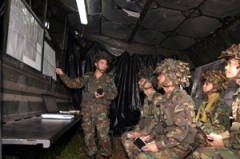
Better command: (Top) Commanders gathered at a centralised command post could become a liability in today's military operations. But with state-of-the-art equipment (above), members of the CPA are still able to conduct operational analysis and planning as if they are located at the same command post.

ALSO READ IN PEOPLE
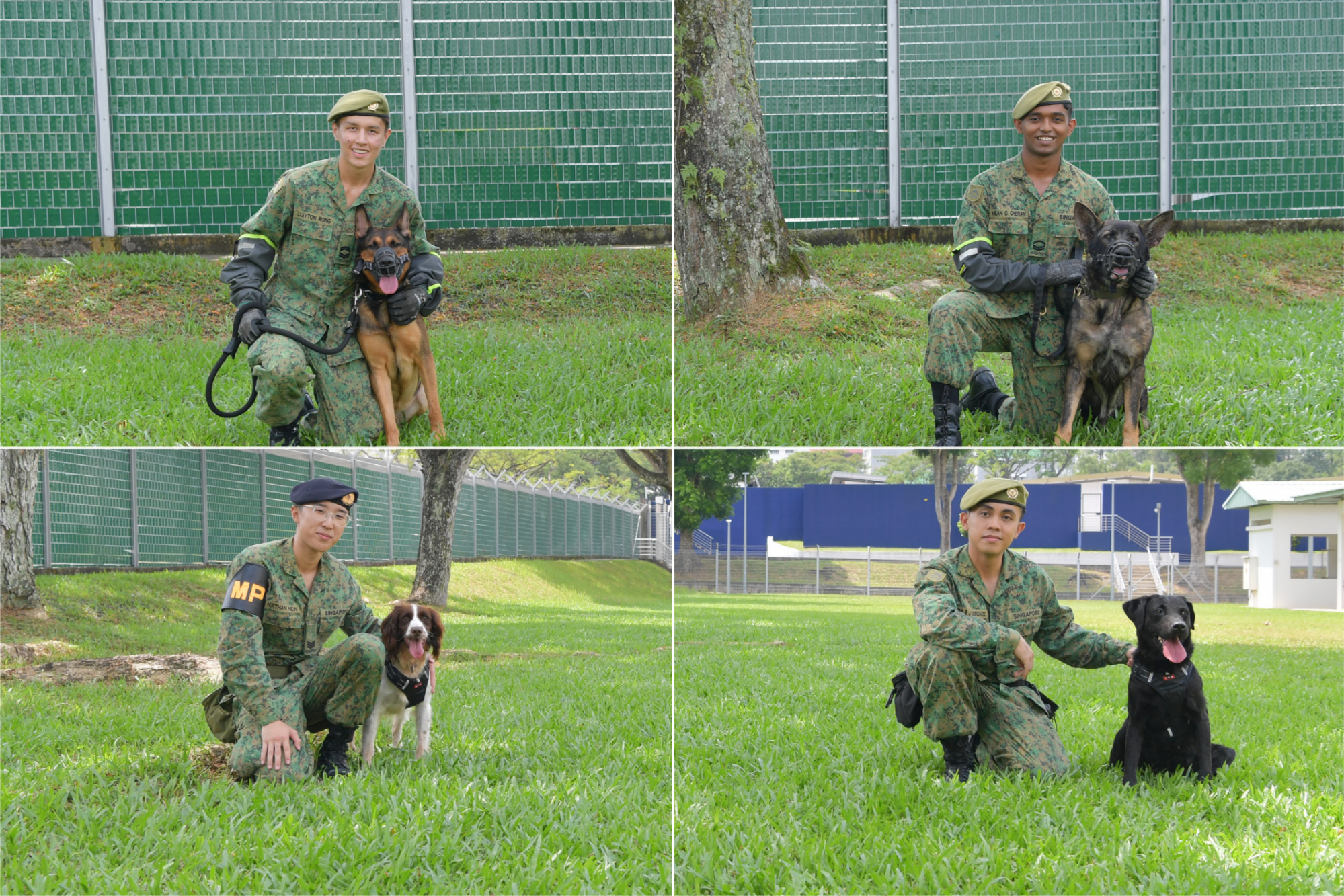
Finding their stride in NS
20 Aug 2026
One was an athlete who had lost his drive. The other enlisted with near-zero fitness. They come from different starting points, but now carry the same conviction to lead and inspire others as sergeants in the SAF.
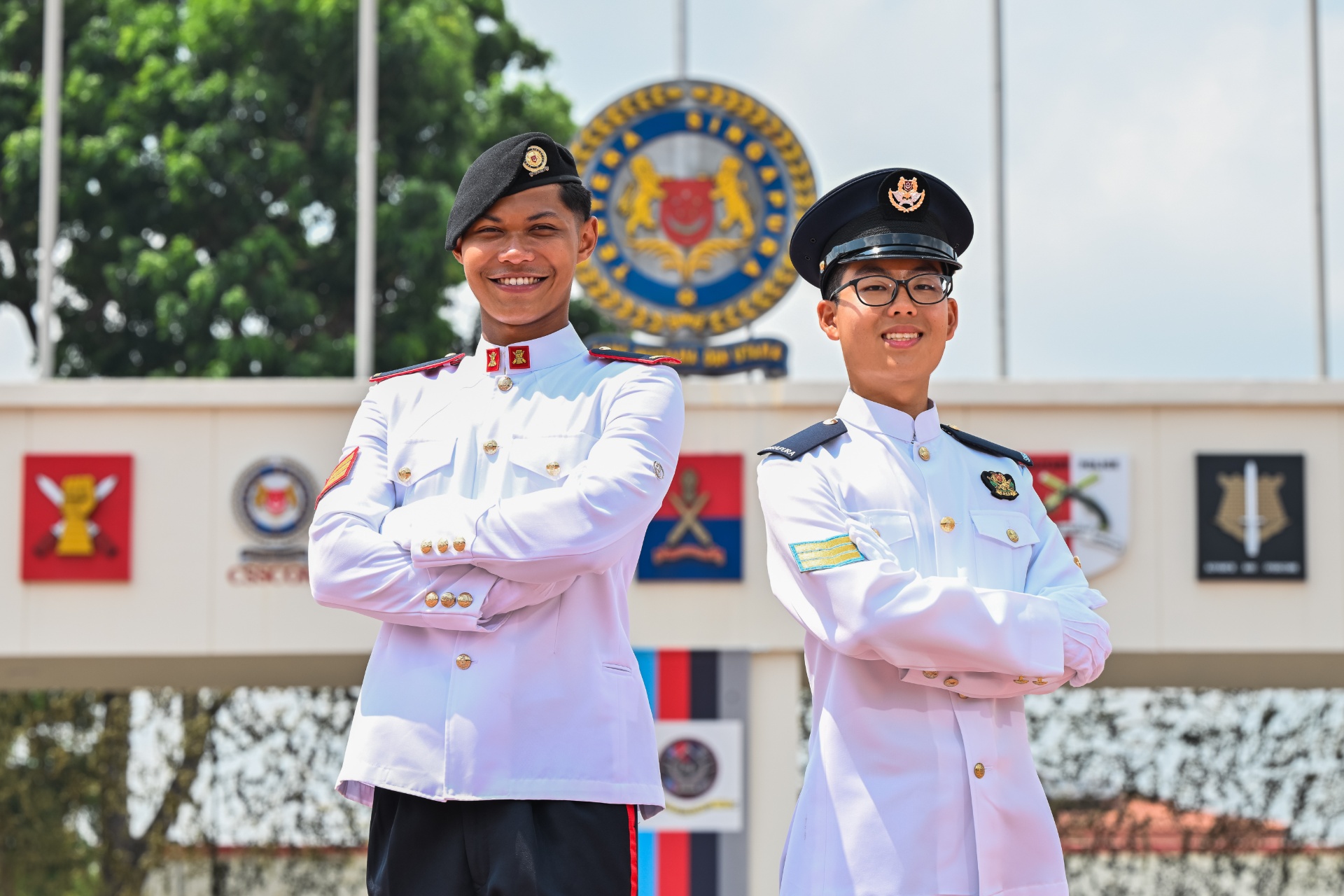
They’re leading the SAF of tomorrow
12 Aug 2026
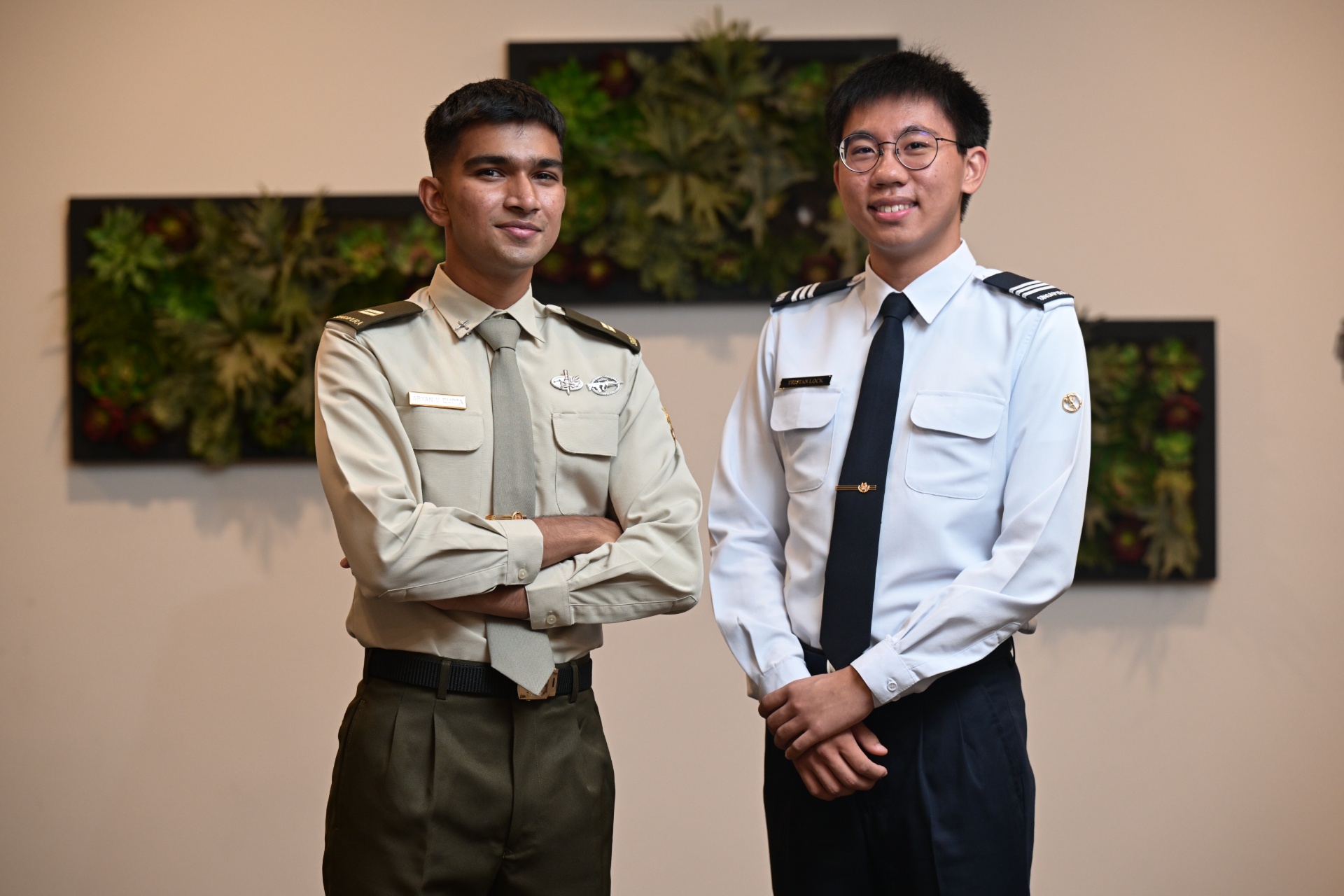
Future defence leaders LTA Aryan Vinayak Gupta and OCT Tristan Lock began their military journeys with wide-eyed childhood fascinations.
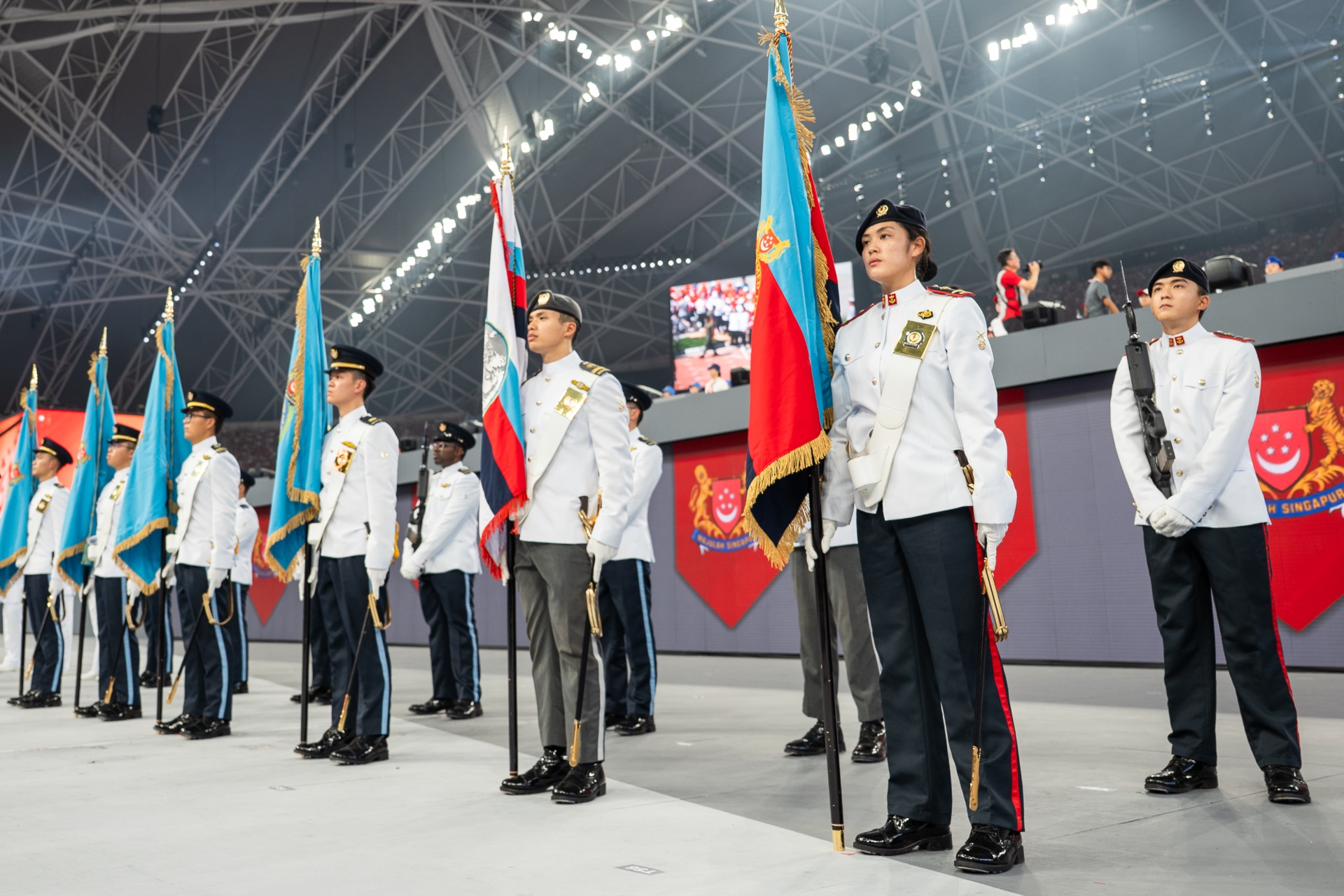
Carrying the Colours at NDP 2026
06 Aug 2026
This year’s sole female Colours Ensign tells us what it takes to be worthy of carrying the SAF’s Colours and to march at the parade.