
PEOPLE
Reaching his flow state
15 Apr 2026
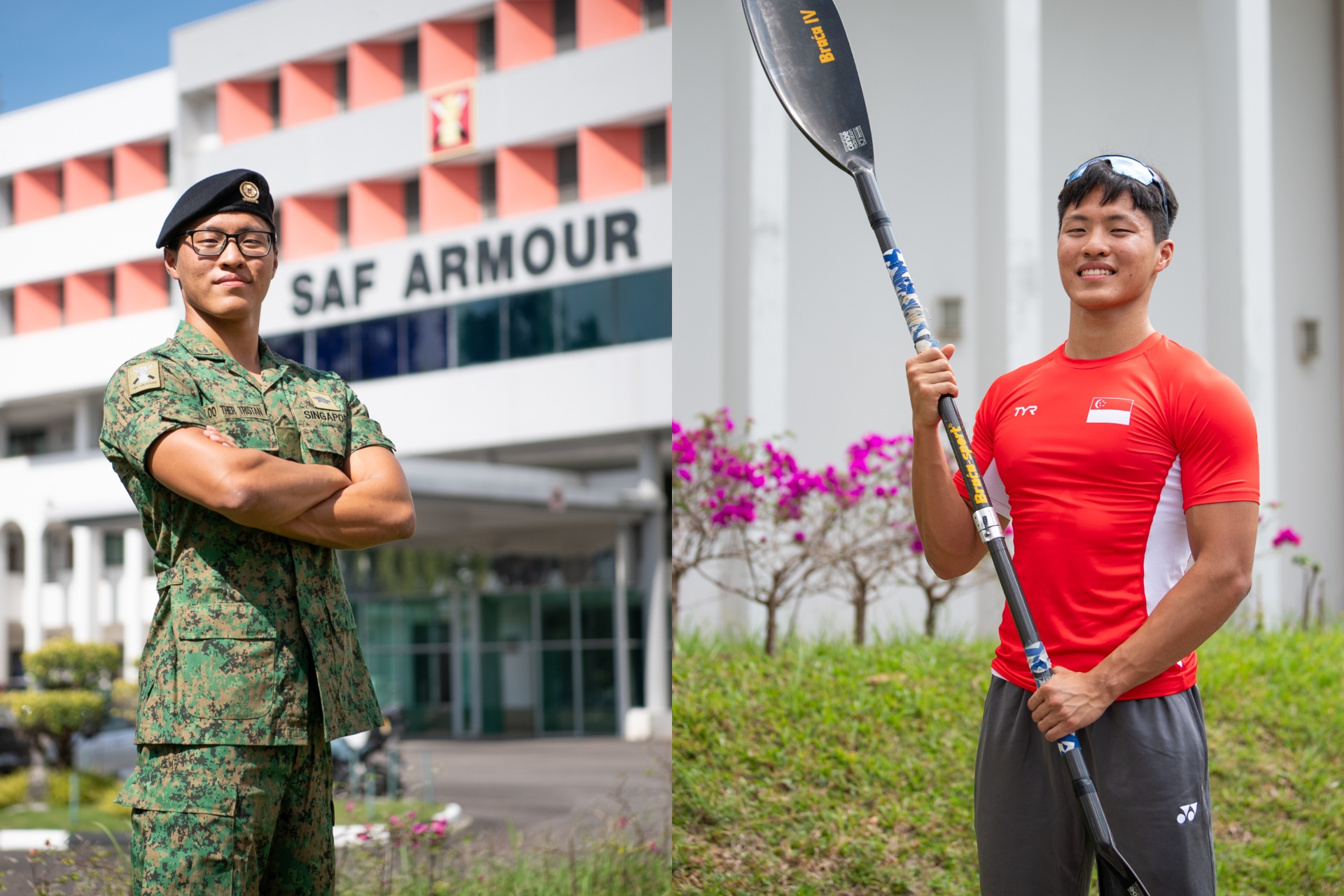
From training in uniform to racing on the water, national canoeist CPL Tristan Loo powers through NS and elite sport with discipline and determination.
How far would you go to win?
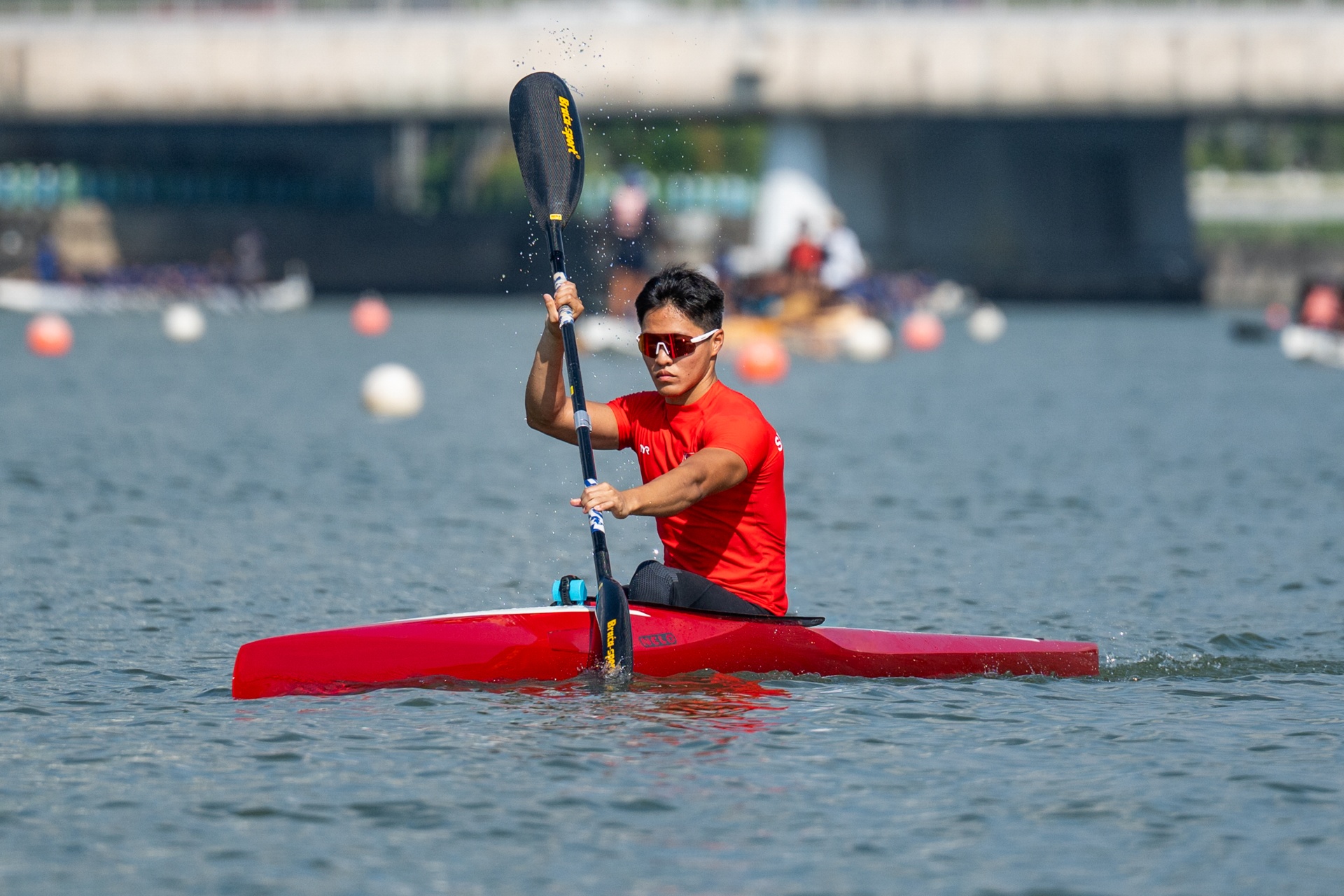
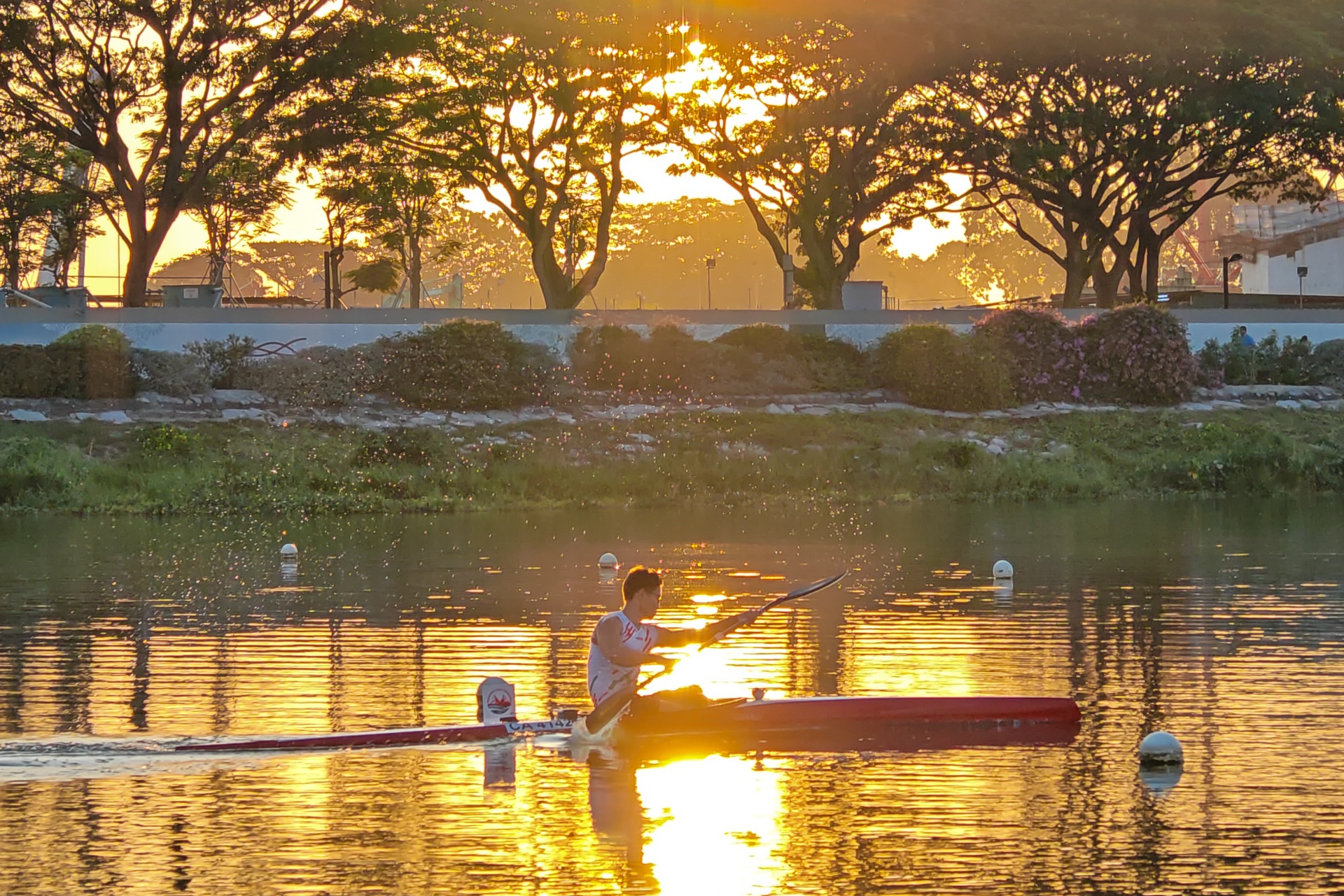
At 6.30am, Corporal (CPL) Tristan Loo is already up and paddling in the waters of Kallang Basin, before booking in at Sungei Gedong Camp.
In the evening, he heads back to Kallang for the day’s second training session.
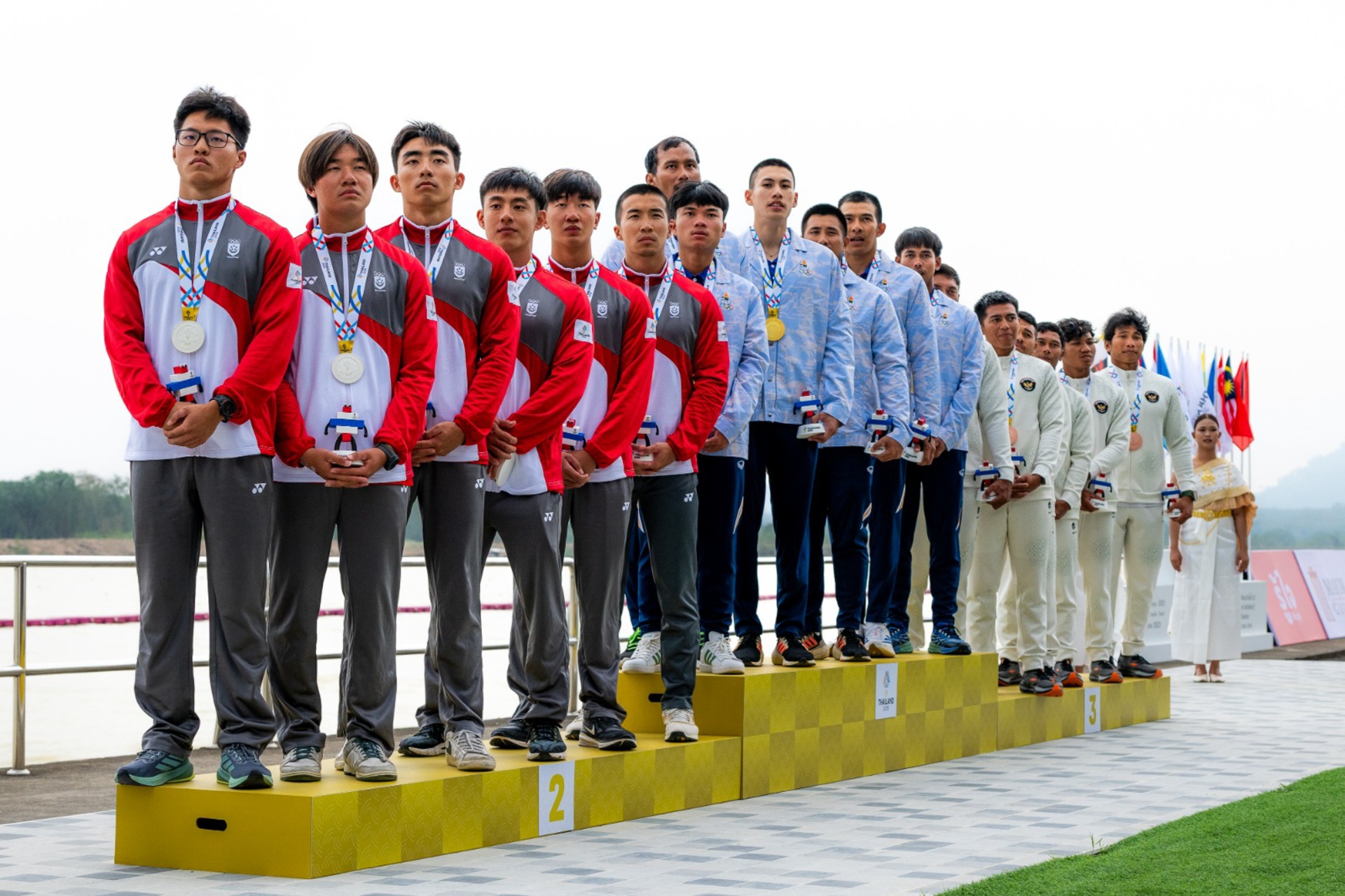
His reward? A silver medal at the Southeast (SEA) Games.
During competition season, the 19-year-old Full-time National Serviceman (NSF) trains some 25 hours a week, often pulling double sessions before and after his duties in camp.
We meet the Command, Control & Information System (CCIS) Operator at Headquarters (HQ) Armour, and find out how he juggles NS (National Service) and sports.
How did you get into canoeing?
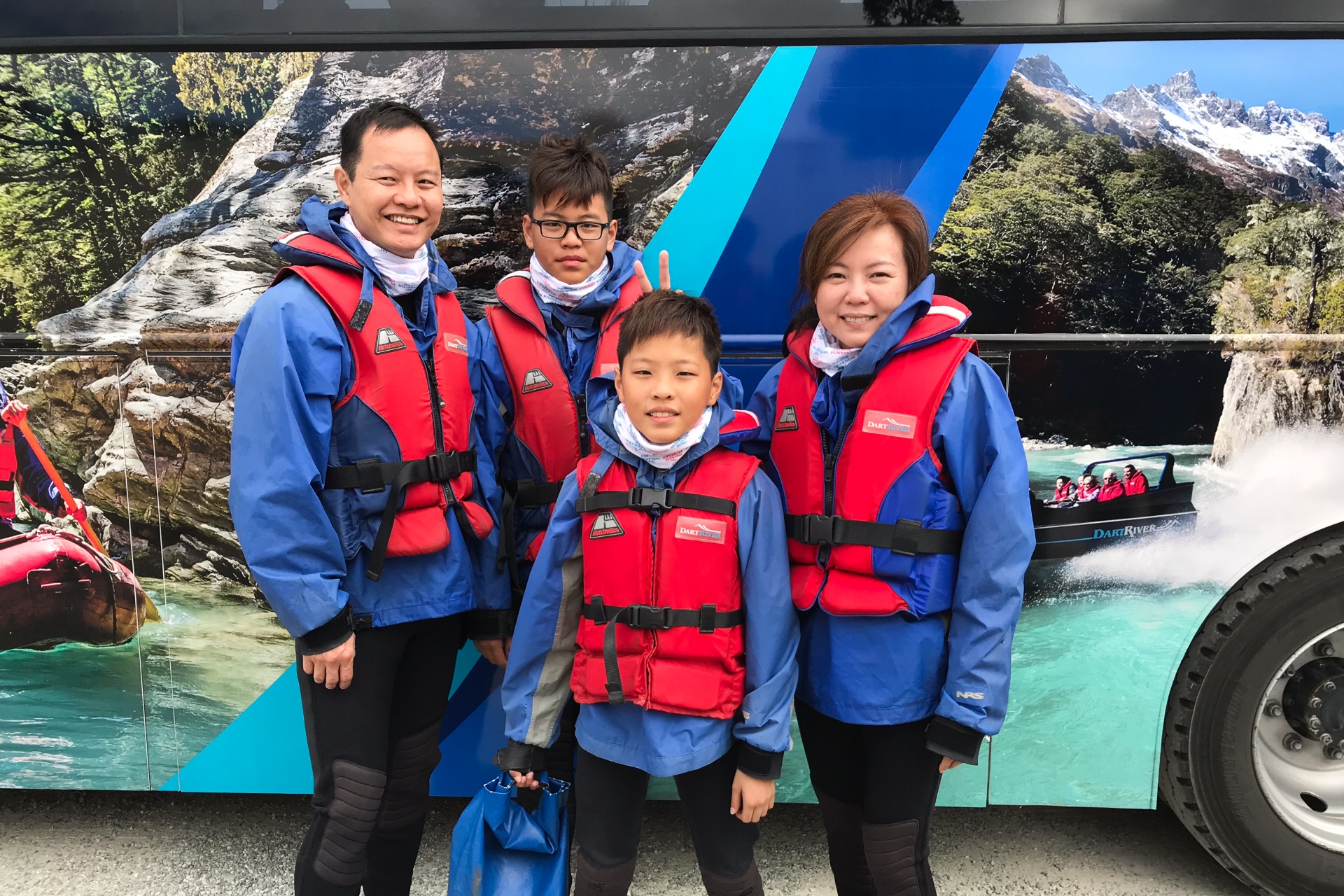
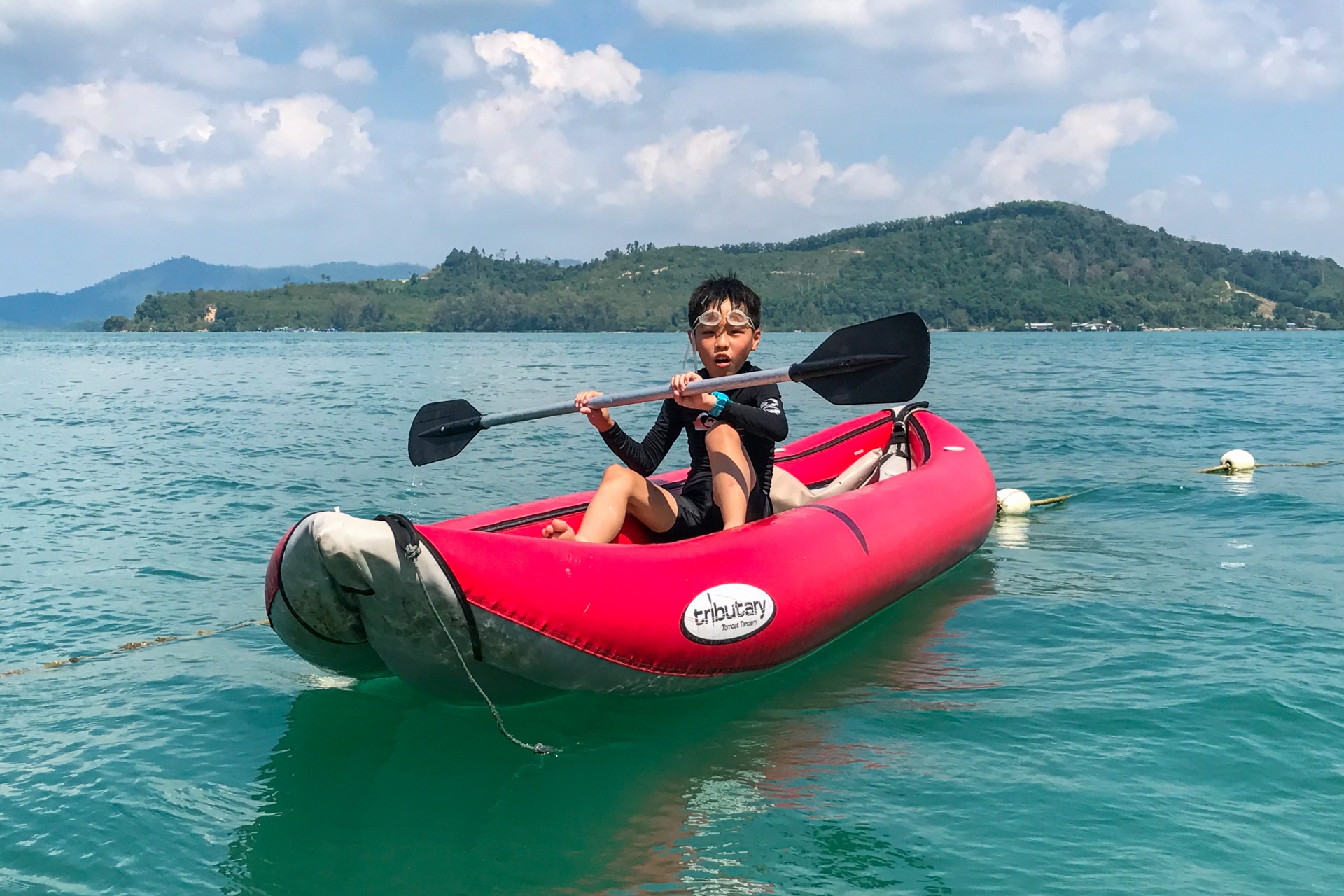
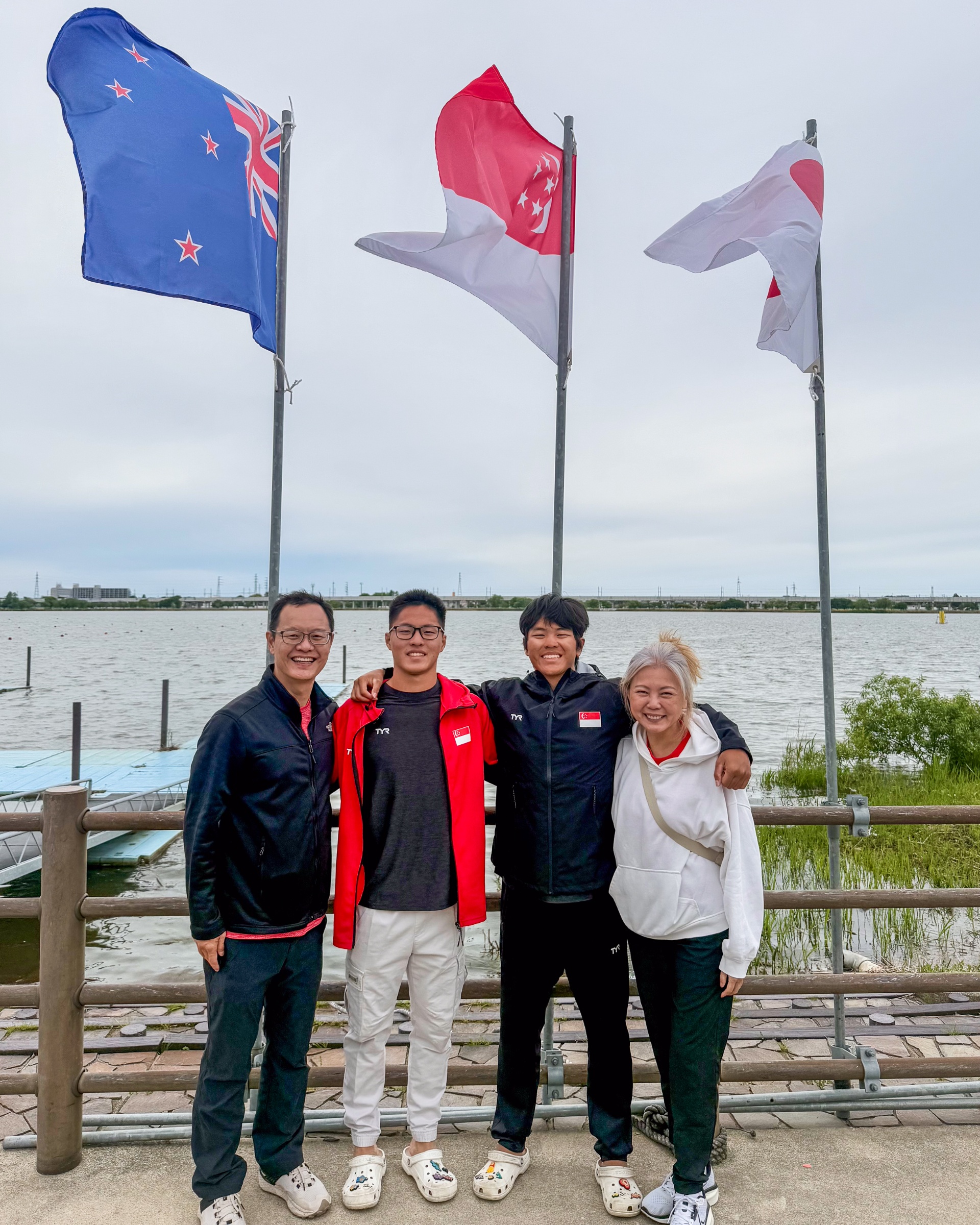
I first went whitewater rafting and kayaking during a family vacation in New Zealand when I was 11 years old. I found that experience fun, so I thought I would enjoy canoeing too.
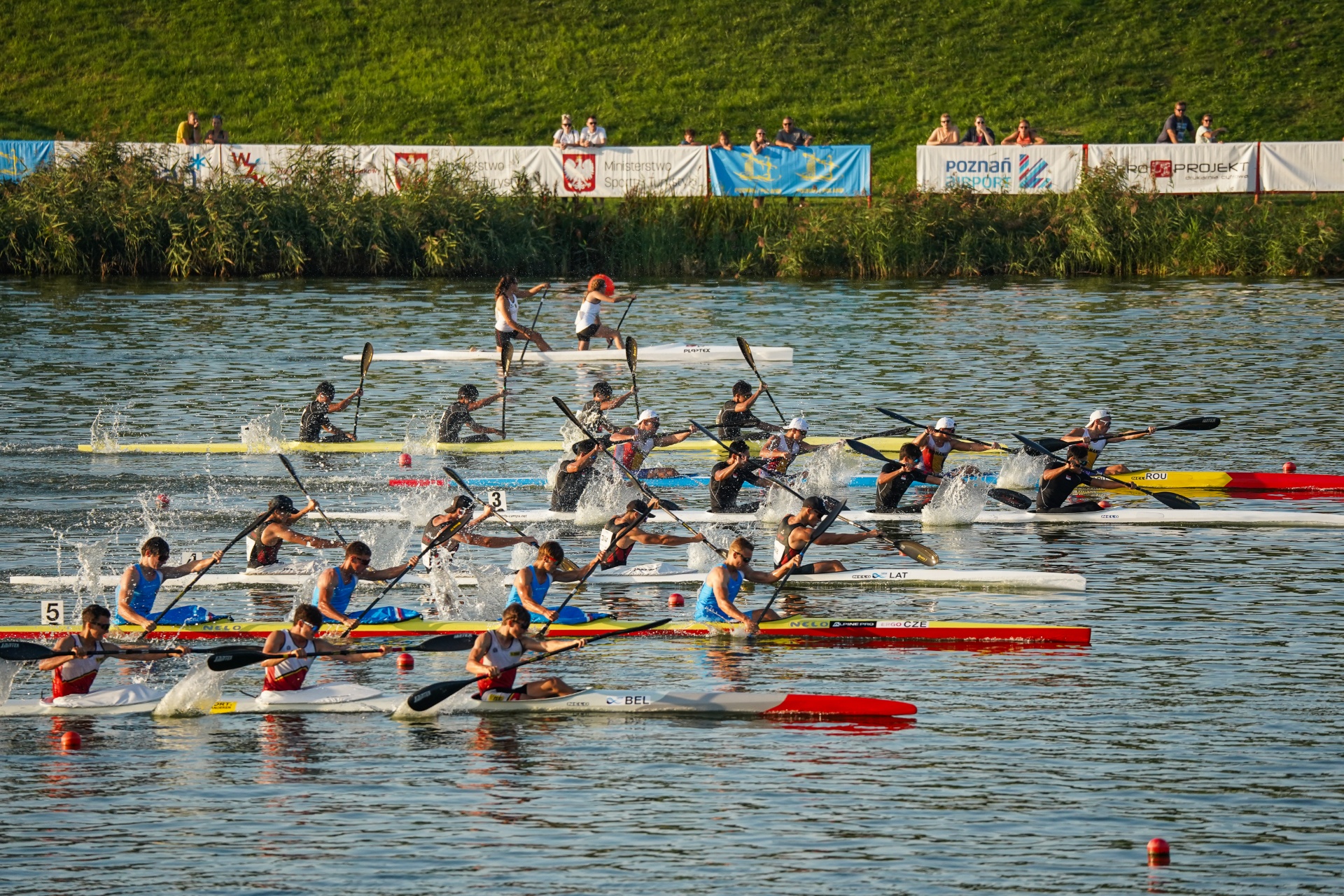
(It turned out) this couldn’t be further from what canoe sprint is like – instead of whitewater currents, canoe sprint training looks more like kilometres upon kilometres on flatwater!
I joined canoeing as a CCA (co-curricular activity) in secondary school, and I’ve been in the sport for more than seven years now.
What do you enjoy most about the sport?
For one, I love winning races! (laughs)
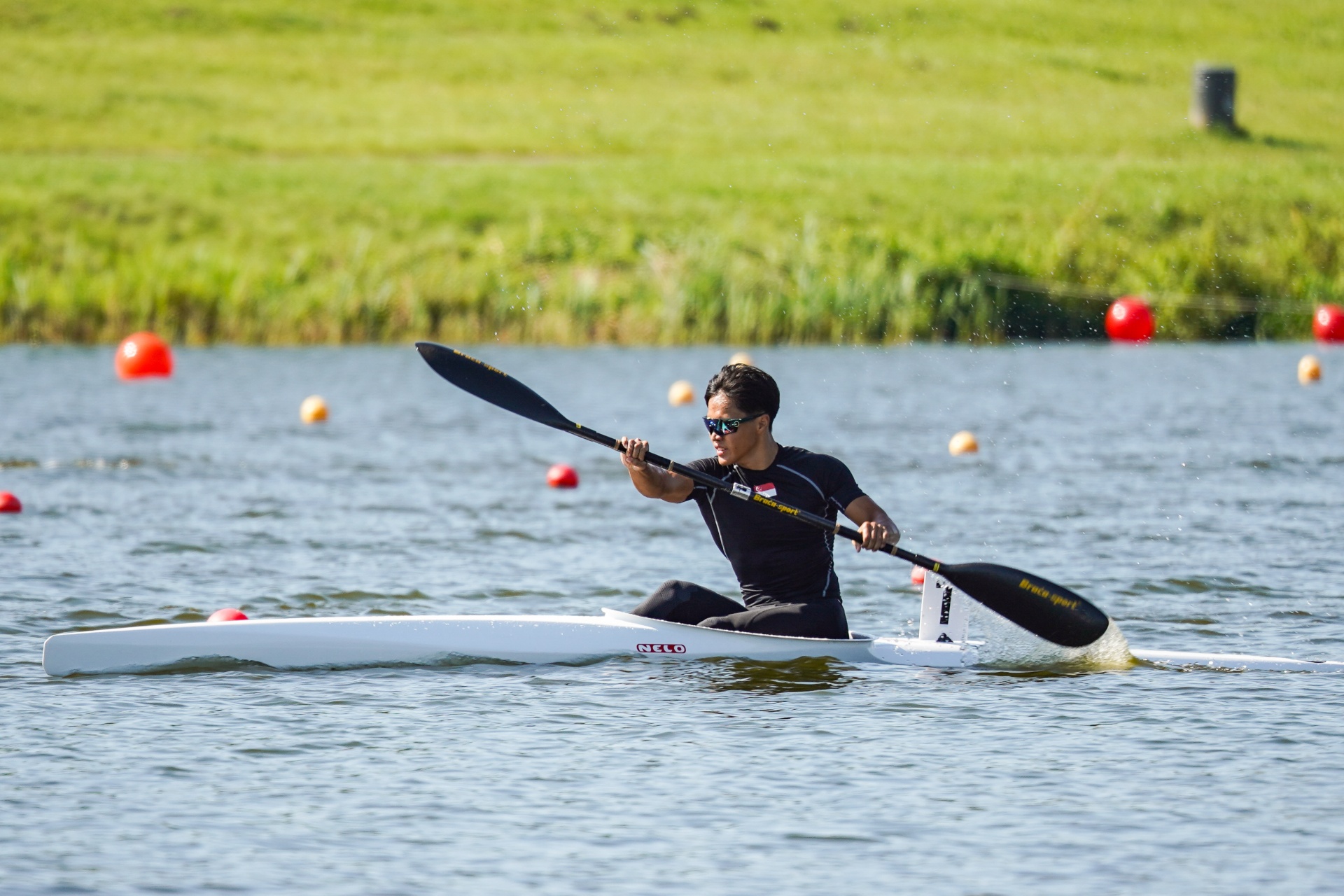
The feeling of gliding through the water when my technique clicks and I get into a flow state is pleasant. And when I’m doing a top-speed sprint, I can feel the boat surging as I apply maximum power.
I also like how multifaceted this sport is. Kayak sprint requires the use of the whole body for each stroke, so athletes have to consider aerobic fitness, lactate tolerance, muscular strength and endurance, and core stability.
What is your biggest canoeing achievement to date?
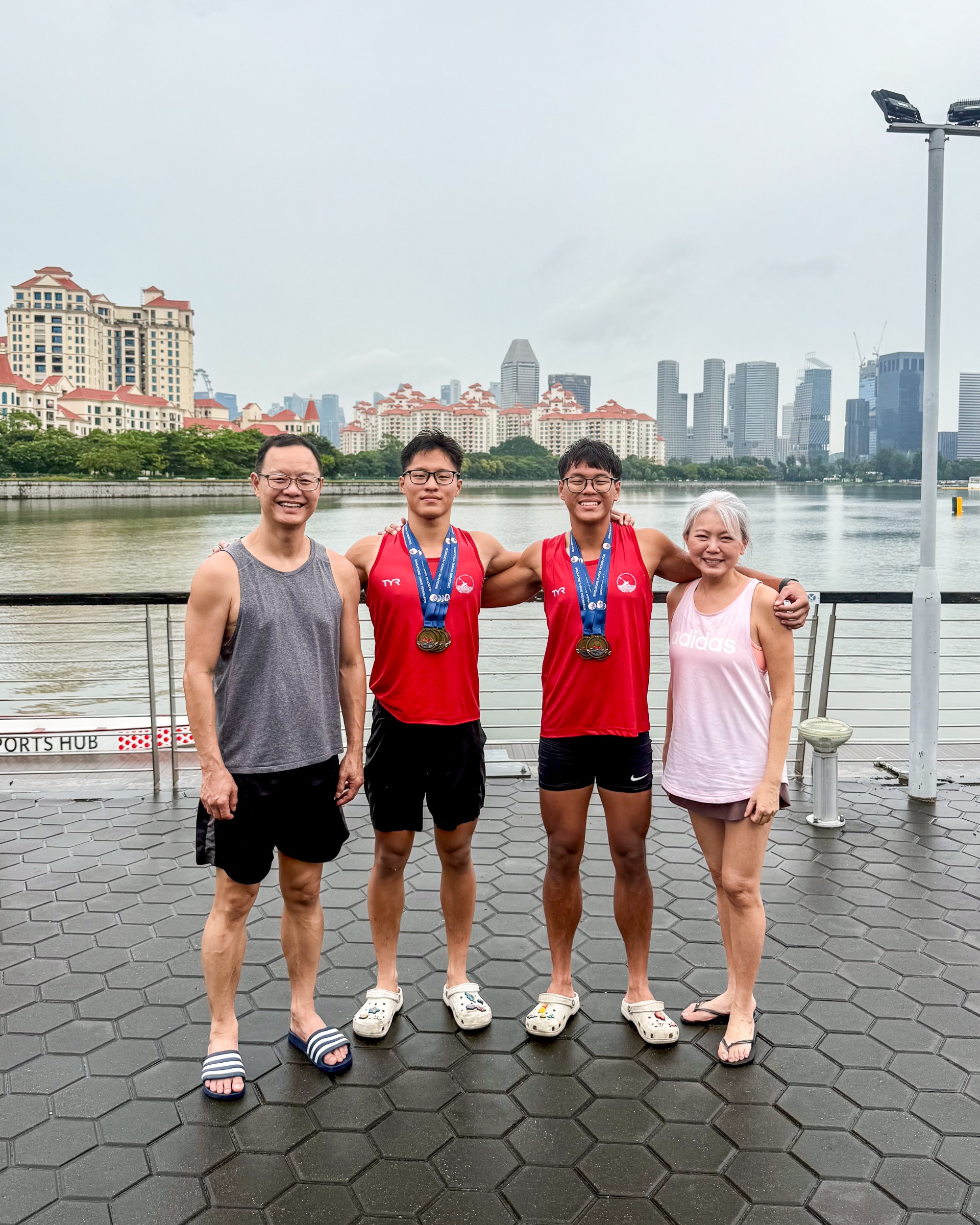
On paper, it’s winning the team silver medal at the SEA Games.
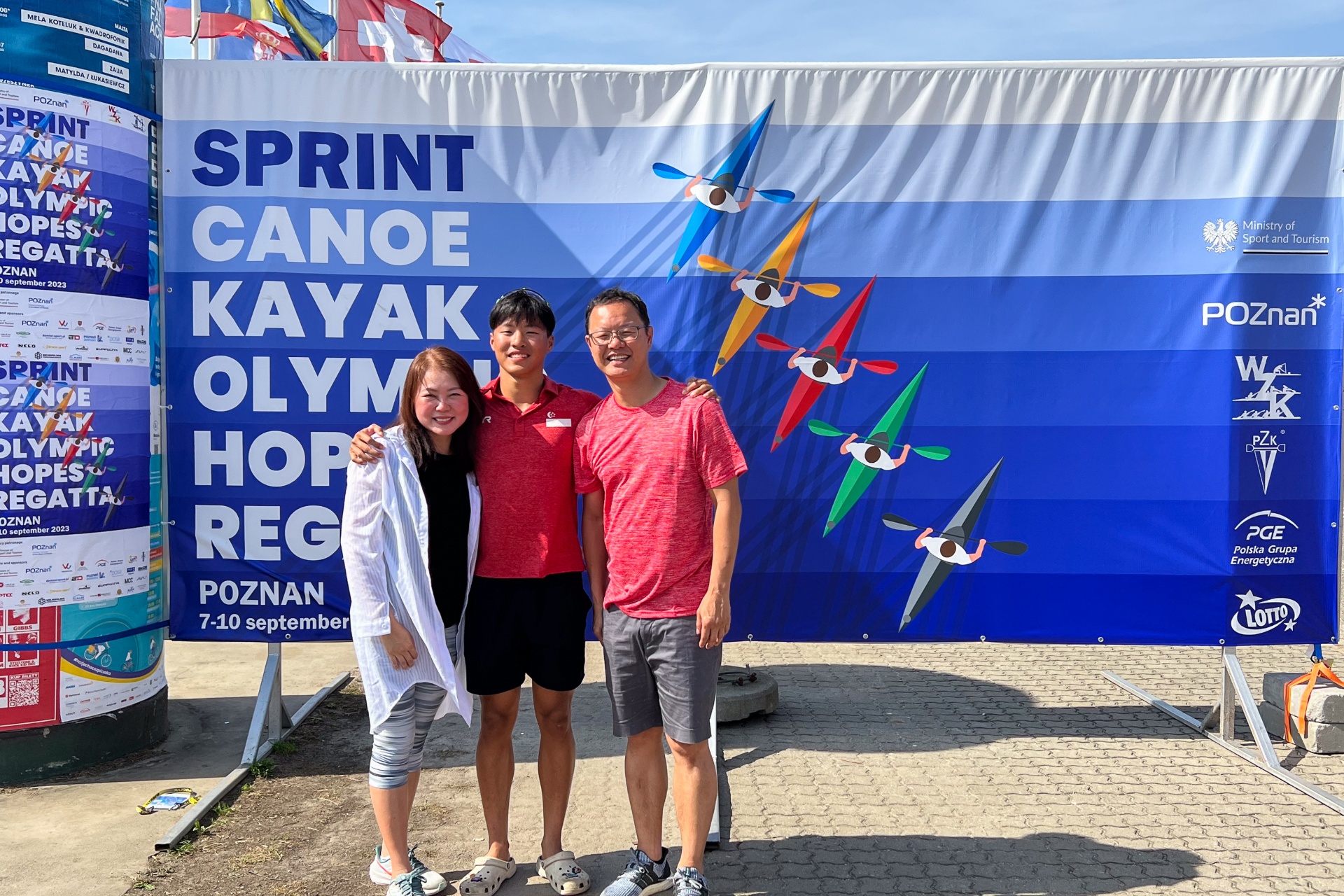
However, I’m most proud of my fifth-place finish in the K1 (Kayak Single) 200m at the Olympic Hopes Regetta 2023, where I competed against top junior athletes from around the world.
It was a tough time for me – I didn’t do well toward the end of the previous season and had to claw my way back up. I got injured twice that year too.
Because of that, I felt especially grateful for the result, and relieved that all the hard work I put in had paid off.
Tell us what you do in your NS role!
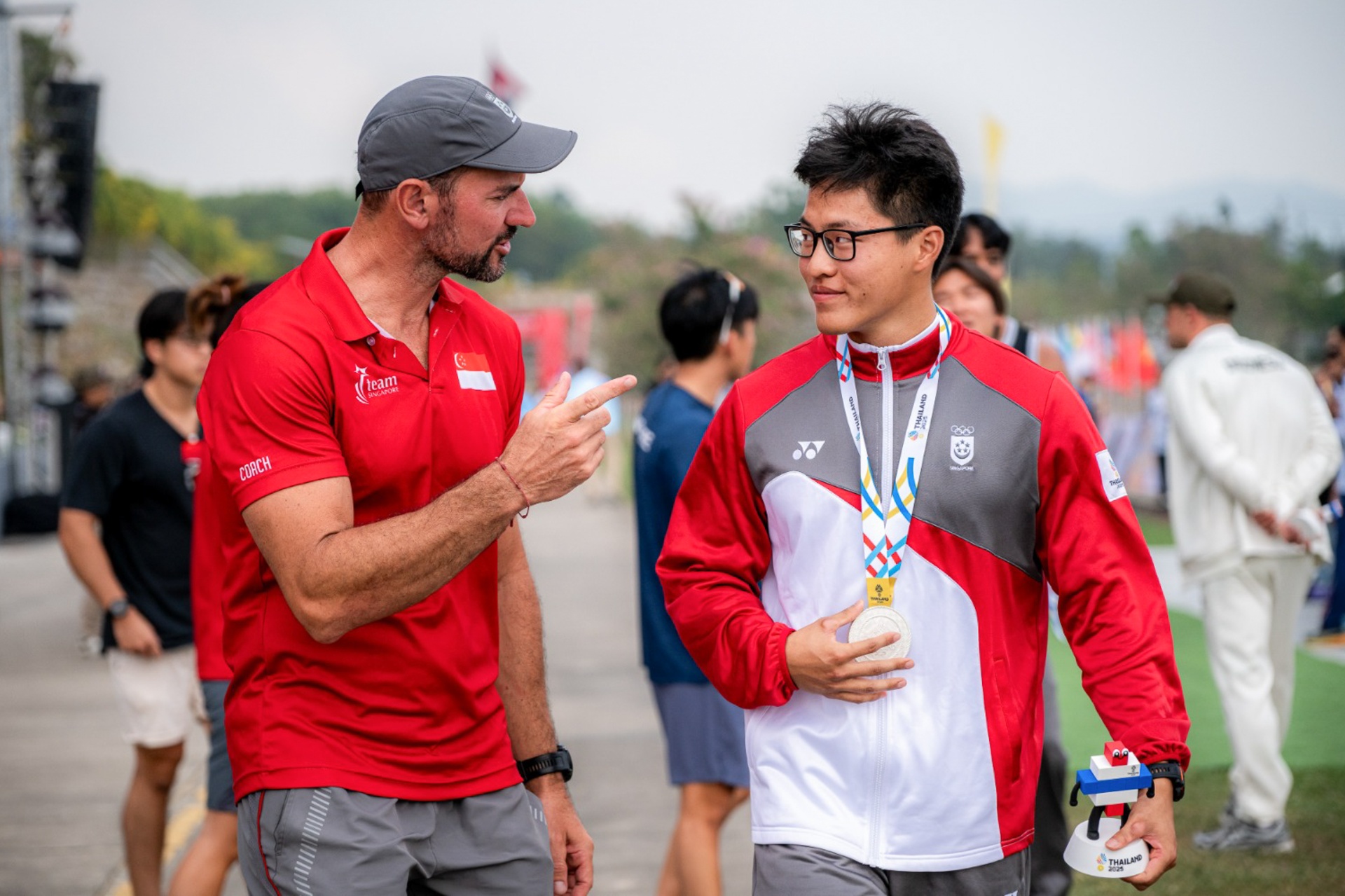
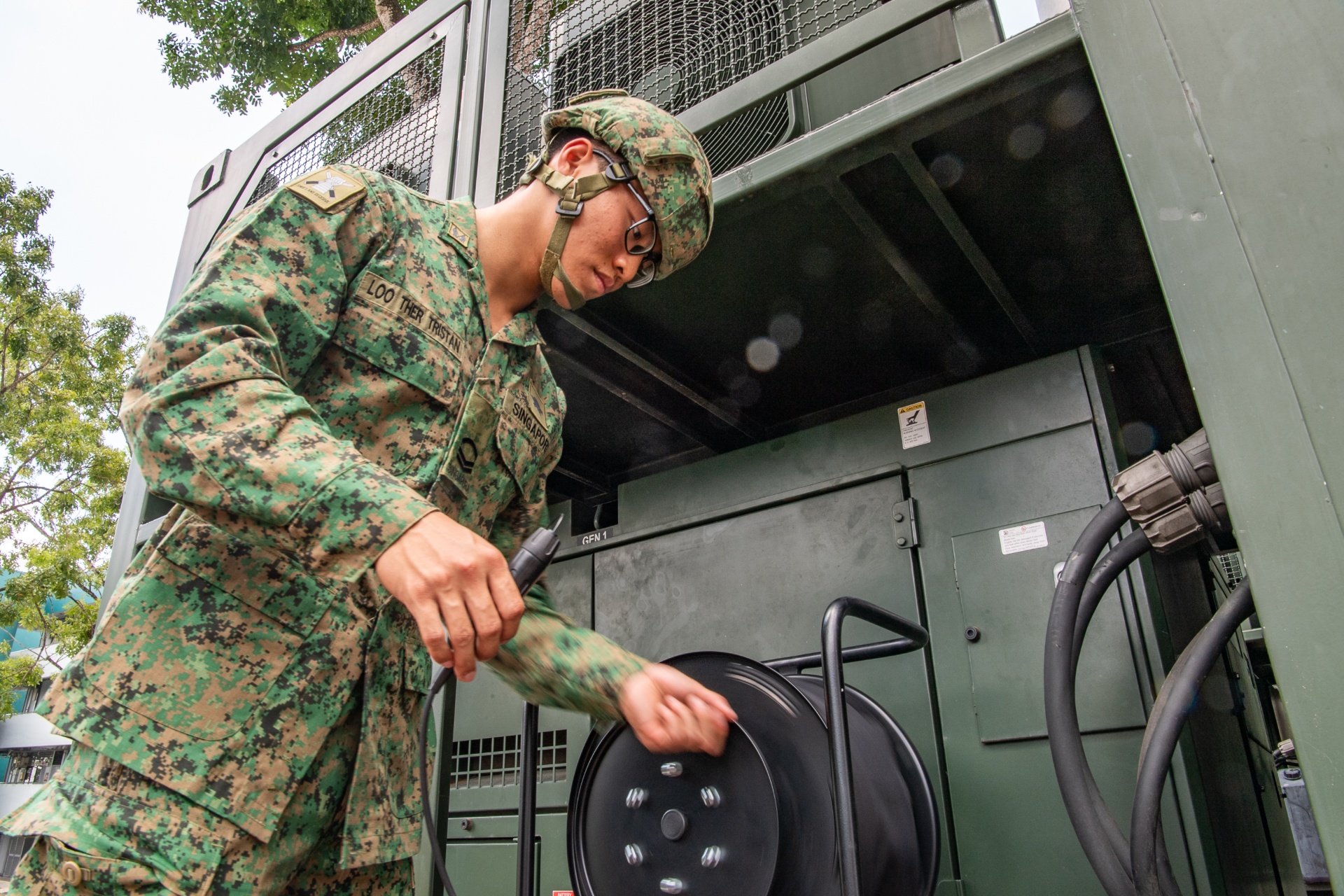
My role is to support HQ Armour with Command, Control, Communication and Computer (C4) systems. As a CCIS Operator, I set up and operate the digital communication and command systems used in the formation’s operations.
We also support NSmen (Operationally Ready National Servicemen) in their training. It’s inspiring to see how, despite having commitments outside of NS, they are ready to serve and get the job done every time they return for ICT (In-Camp Training).
Is it tough balancing NS and sports?
The toughest part is when requirements clash. While I was in Basic Military Training (BMT), I missed some benchmarking sessions that fell on days I had essential training or duties in camp. As a result, I was only considered for the SEA Games qualification about a month before final selections.
My NS commitments take priority, so I am prepared to train earlier in the mornings and later in the evenings, or attend make-up training sessions if required.
Overall, my unit has been very supportive of my training and competitions. When possible, my commanders have allowed me to attend morning training sessions before booking in.
They also check in with me periodically on how I’m coping, provide encouragement, and do what they can to support my training commitments
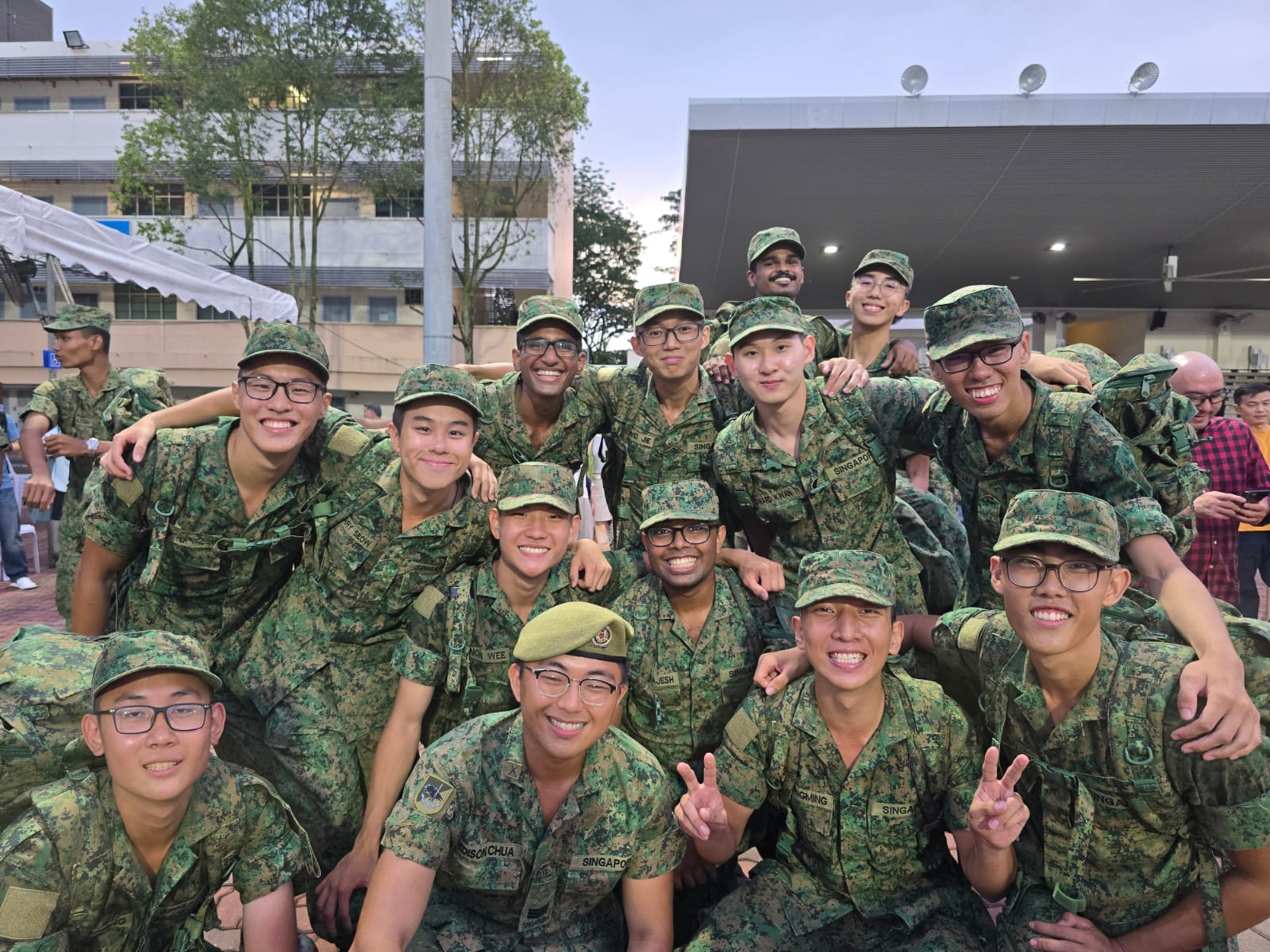
As long as I put in my best to contribute to the unit, I can take pride knowing that I’m doing my part.
I’ve actually been able to improve my form to the best it has ever been, even compared to before NS!
I remember when the SEA Games 2025 preliminary selections took place while I was attending Signals Vocational Training School. (Having fulfilled the essential training requirements,) our commanders made the necessary arrangements to enable me and another national athlete to attend the selections so that we could qualify for the Games.
I could not have asked for a better NS experience, and I am grateful for everyone who has helped me along the way.
What lessons from NS have helped you as an athlete?
Back in school, sometimes I’d put off assignments when I was tired from training. NS has taught me to focus on finishing a task so that I can cater time for other things like my sporting career.
I’ve also learnt how to be responsible for others. In canoeing, I felt a sense of responsibility to perform well for my K2 and K4 crewmates.
But in NS, like when I served as Platoon IC (In-Charge) during BMT, I realised I was responsible not only for myself but also for my platoon mates, motivating them and ensuring that we met the timings and objectives set by our commanders.
What are your goals for the future?
I hope to become an Olympic and world champion in the future.
As for this year, preparations for the upcoming Asian Games (in September and October) are going well so far, and I hope I’ll be able to fly the Singapore flag high once again!

ALSO READ IN PEOPLE
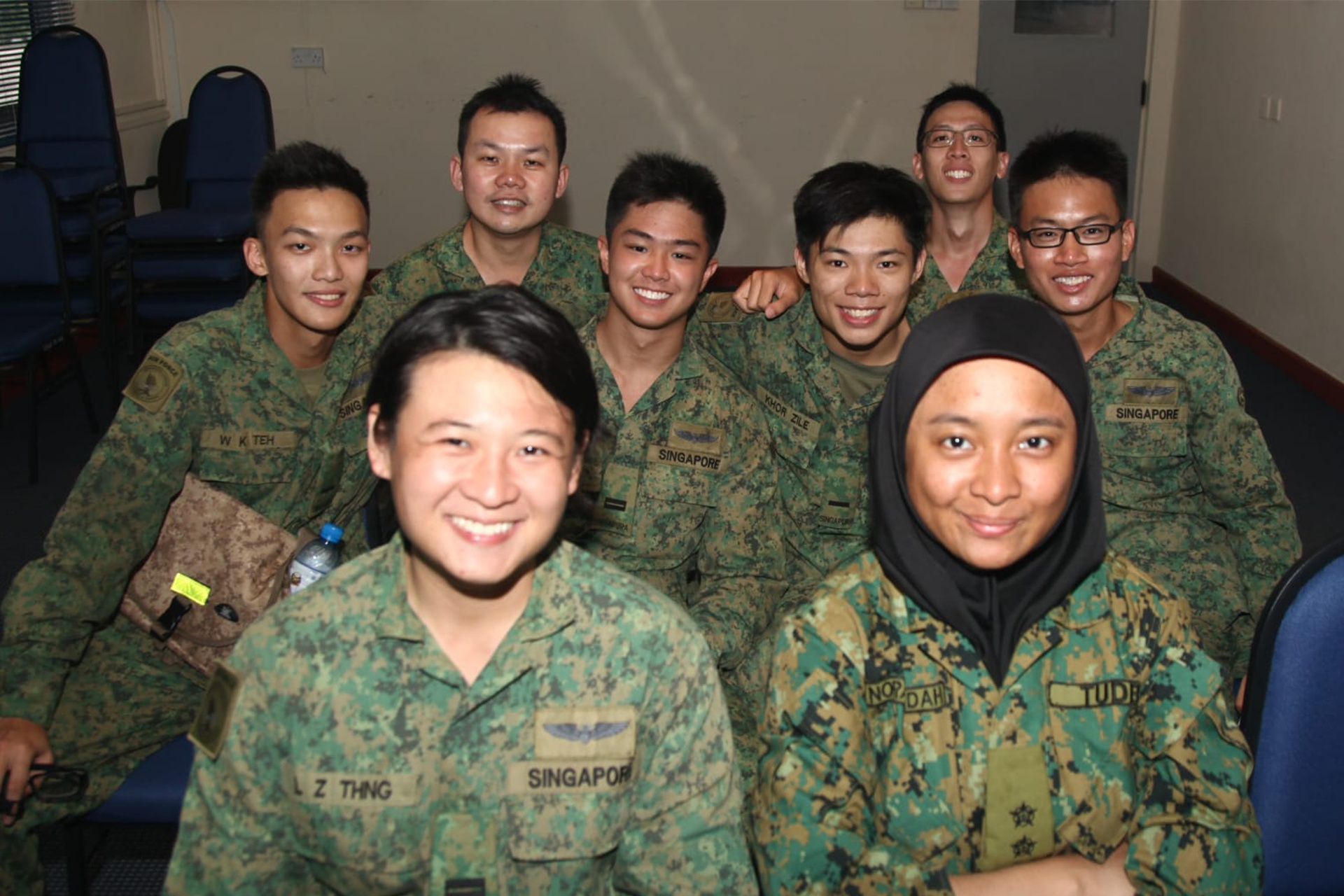
A sisterhood of support
15 Oct 2026
What began as a two-week exercise turned into a decade-long friendship between MAJ Thng Lizhen and MAJ (U) Noraqidah Efinddi, who are growing together as female commanders.
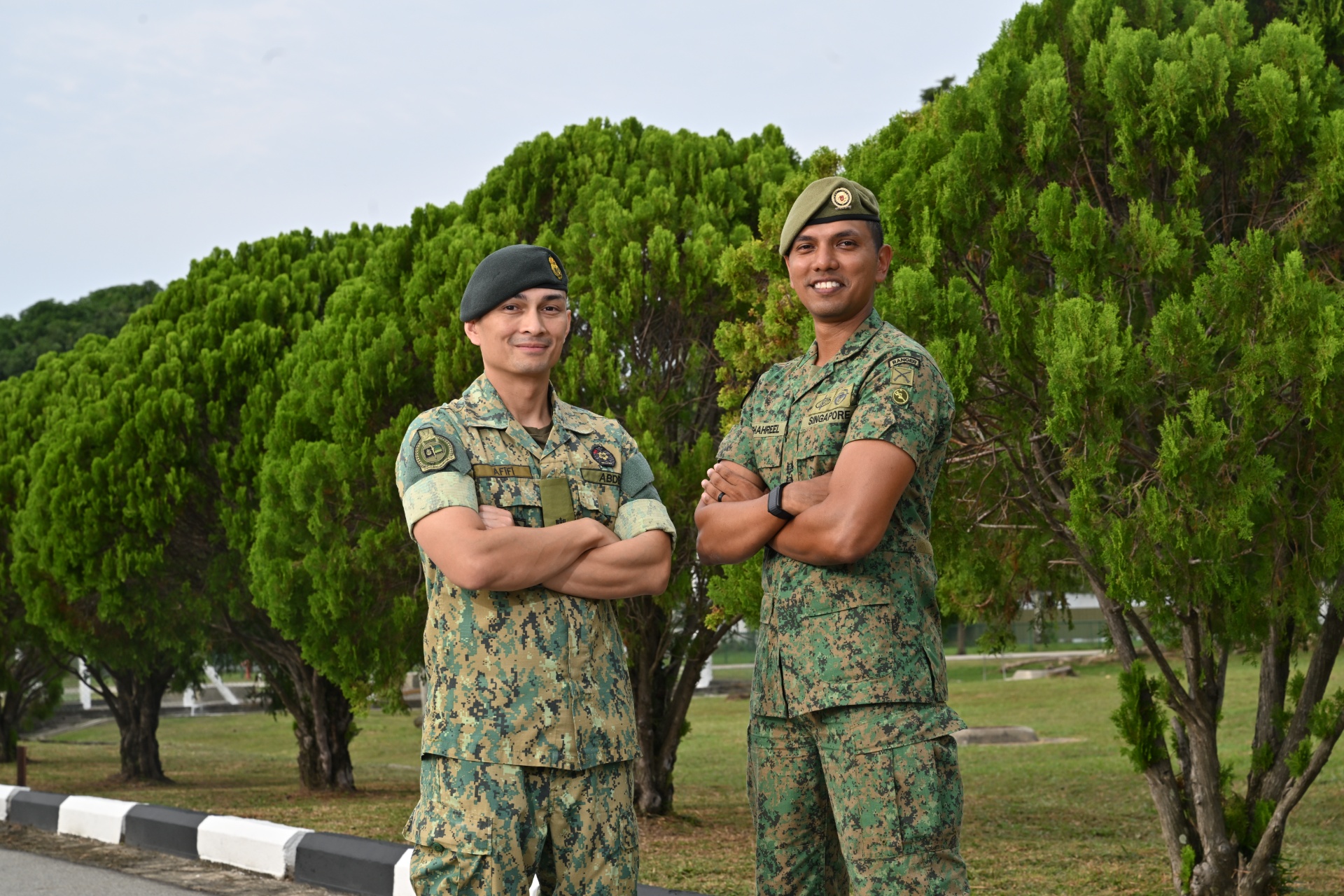
From course-mates to lifelong friends
13 Oct 2026
Singapore and Brunei both hold special meaning for these Army officers, whose cross-border friendship started with late-night mugging sessions after class.
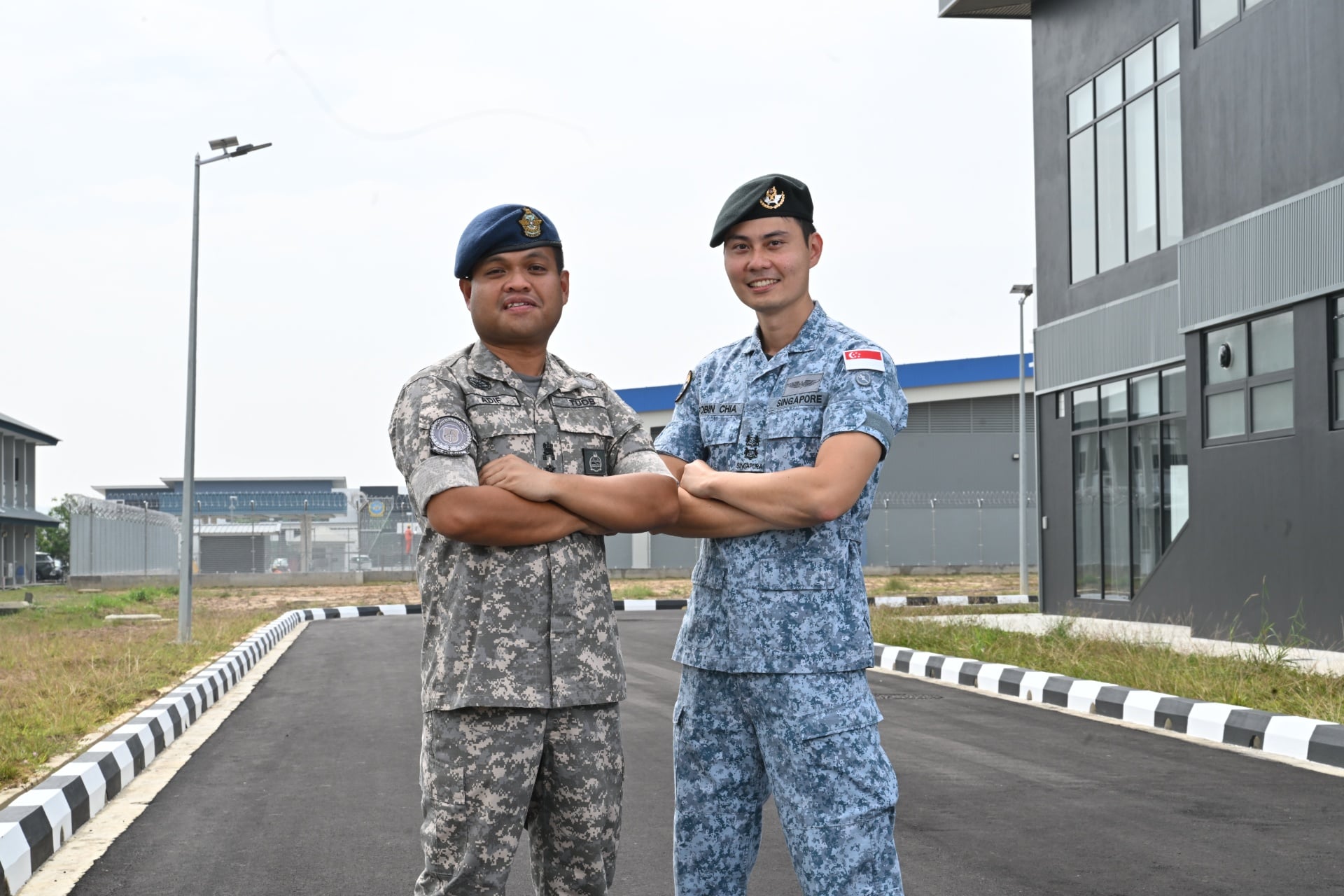
A friendship beyond both uniforms and borders
10 Oct 2026
As the SAF and Royal Brunei Armed Forces mark 50 years of defence relations, two air defence commanders share how training together – and a mutual love of good food! – turned them from professional counterparts into close friends.