
MILESTONES
NEW CENTRE TO HONE MEDICAL TRAINING
16 Feb 2007
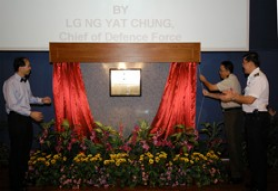
The Singapore Armed Forces (SAF) has launched a new one-stop facility that will improve how medical personnel learn and hone their life-saving skills.
Jointly developed by the SAF and the Defence Science & Technology Agency, the Medical Skills Training and Simulation Centre, costing $1 million, was completed after two years of development.
It was officially opened by Chief of Defence Force Lieutenant-General (LG) Ng Yat Chung on 24 Jan.
"The proficiency of medical personnel is the key to effective medical services," said LG Ng. "That is why the SAF attaches great importance to training."
With advanced medical simulators "revolutionising the practice of medicine", simulation training would help SAF doctors and medics "master basic and procedural skills in a controlled but realistic environment", he said.
Located at the SAF Medical Training Institute in Nee Soon Camp, the centre is well-equipped to teach crisis management in various clinical settings.
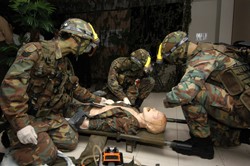
There are life-sized patient simulators that can physically respond to treatment in real-time, including emitting verbal expressions of discomfort.
In addition, high-tech audio-visual systems allow instructors to create new training scenarios and modify them at any point.
Practice sessions can also be recorded and replayed for assessment at the end of an exercise.
Such feedback capabilities are invaluable for evaluating individual and team performances.
More than 3,000 full-time and Operationally-Ready National Servicemen will use the centre every year.
Jointly developed by the SAF and the Defence Science & Technology Agency, the Medical Skills Training and Simulation Centre, costing $1 million, was completed after two years of development.
It was officially opened by Chief of Defence Force Lieutenant-General (LG) Ng Yat Chung on 24 Jan.
"The proficiency of medical personnel is the key to effective medical services," said LG Ng. "That is why the SAF attaches great importance to training."
With advanced medical simulators "revolutionising the practice of medicine", simulation training would help SAF doctors and medics "master basic and procedural skills in a controlled but realistic environment", he said.
Located at the SAF Medical Training Institute in Nee Soon Camp, the centre is well-equipped to teach crisis management in various clinical settings.
There are life-sized patient simulators that can physically respond to treatment in real-time, including emitting verbal expressions of discomfort.
In addition, high-tech audio-visual systems allow instructors to create new training scenarios and modify them at any point.
Practice sessions can also be recorded and replayed for assessment at the end of an exercise.
Such feedback capabilities are invaluable for evaluating individual and team performances.
More than 3,000 full-time and Operationally-Ready National Servicemen will use the centre every year.


ALSO READ IN MILESTONES
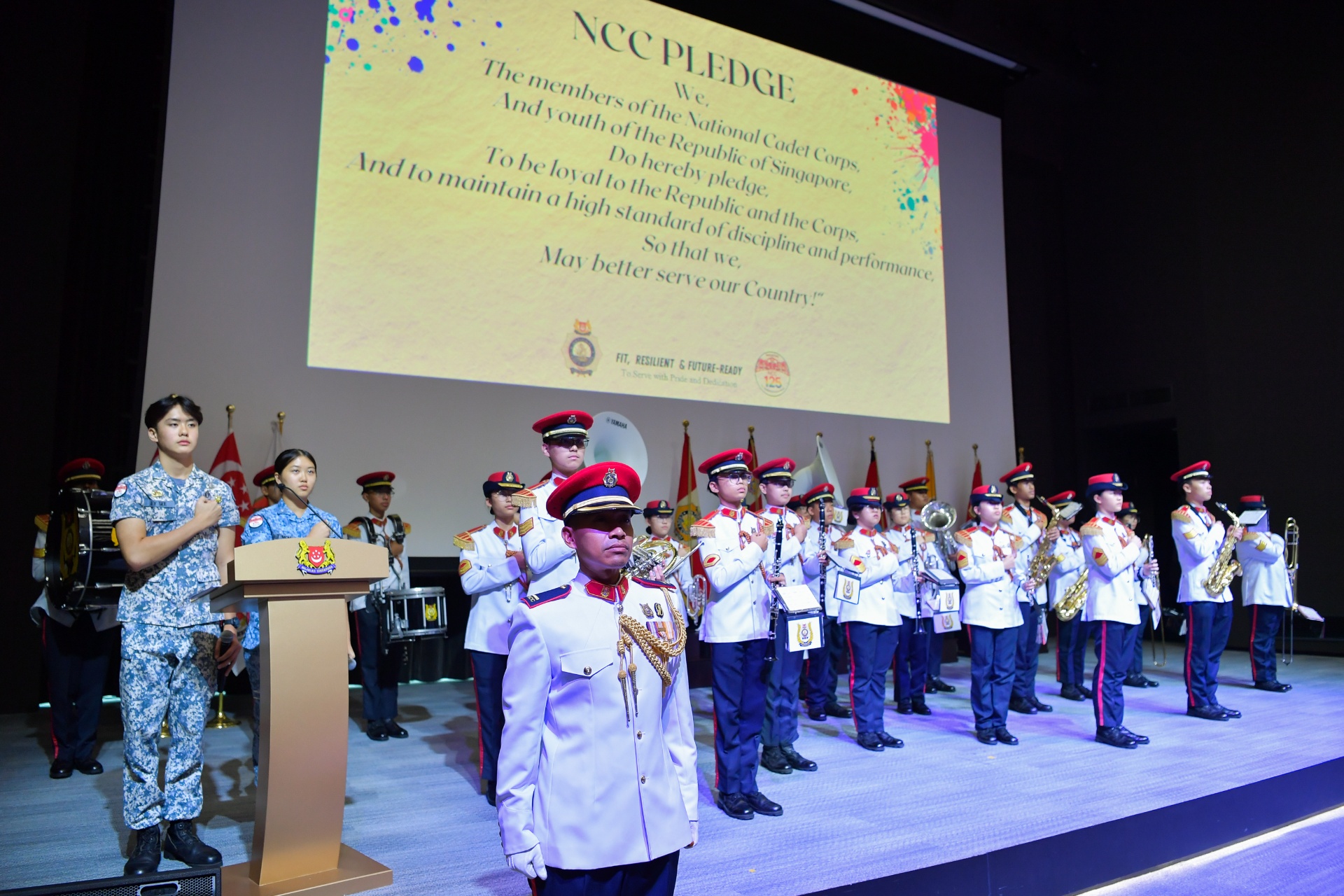
NCC marks 125 years with new campus & enhanced curriculum
26 Aug 2026
Singapore’s oldest youth uniformed group will see a refreshed NCC2030 curriculum to equip future generations of cadets with essential skills to meet evolving security challenges.
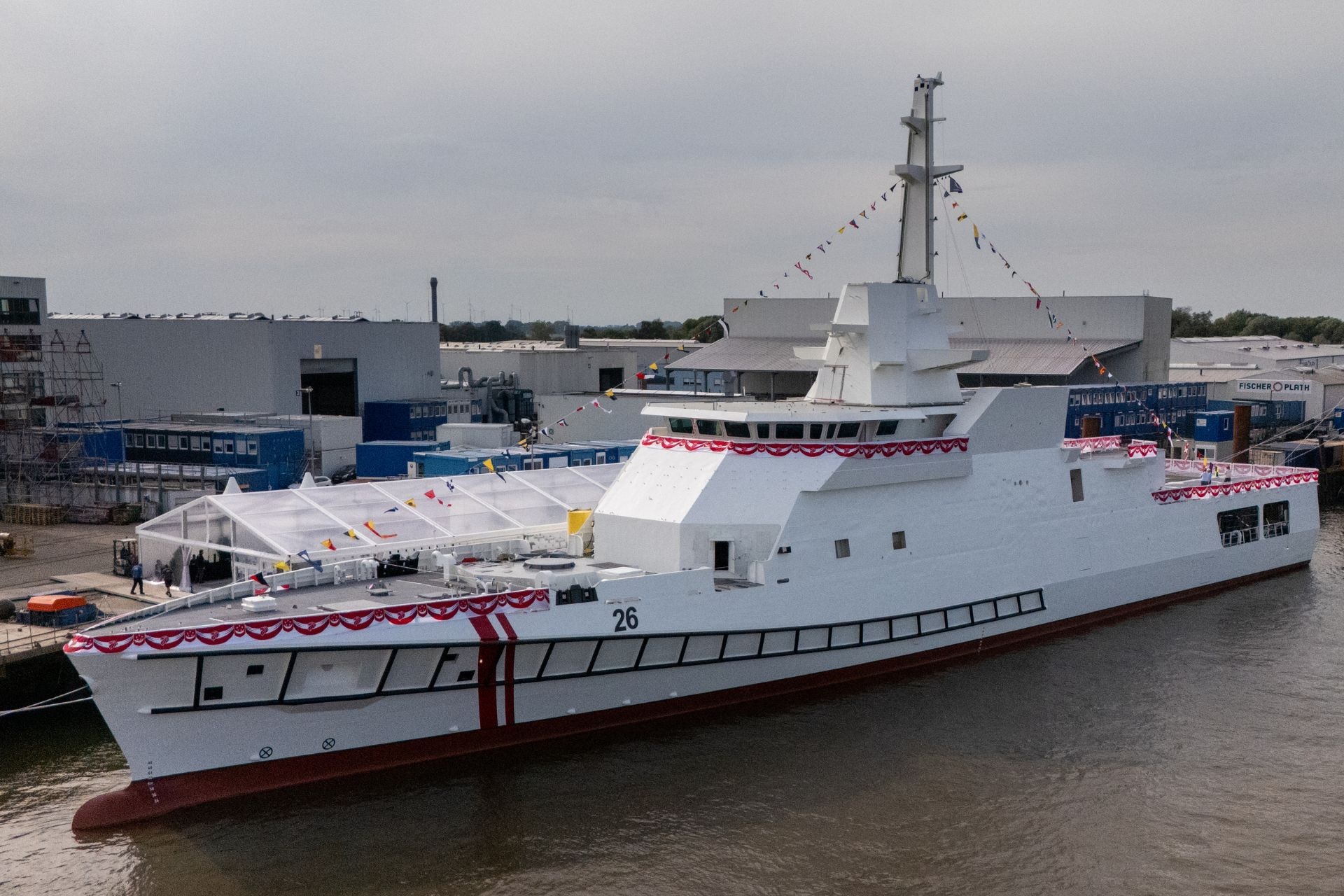
RSN launches 2nd Multi-Role Combat Vessel
23 Jul 2026
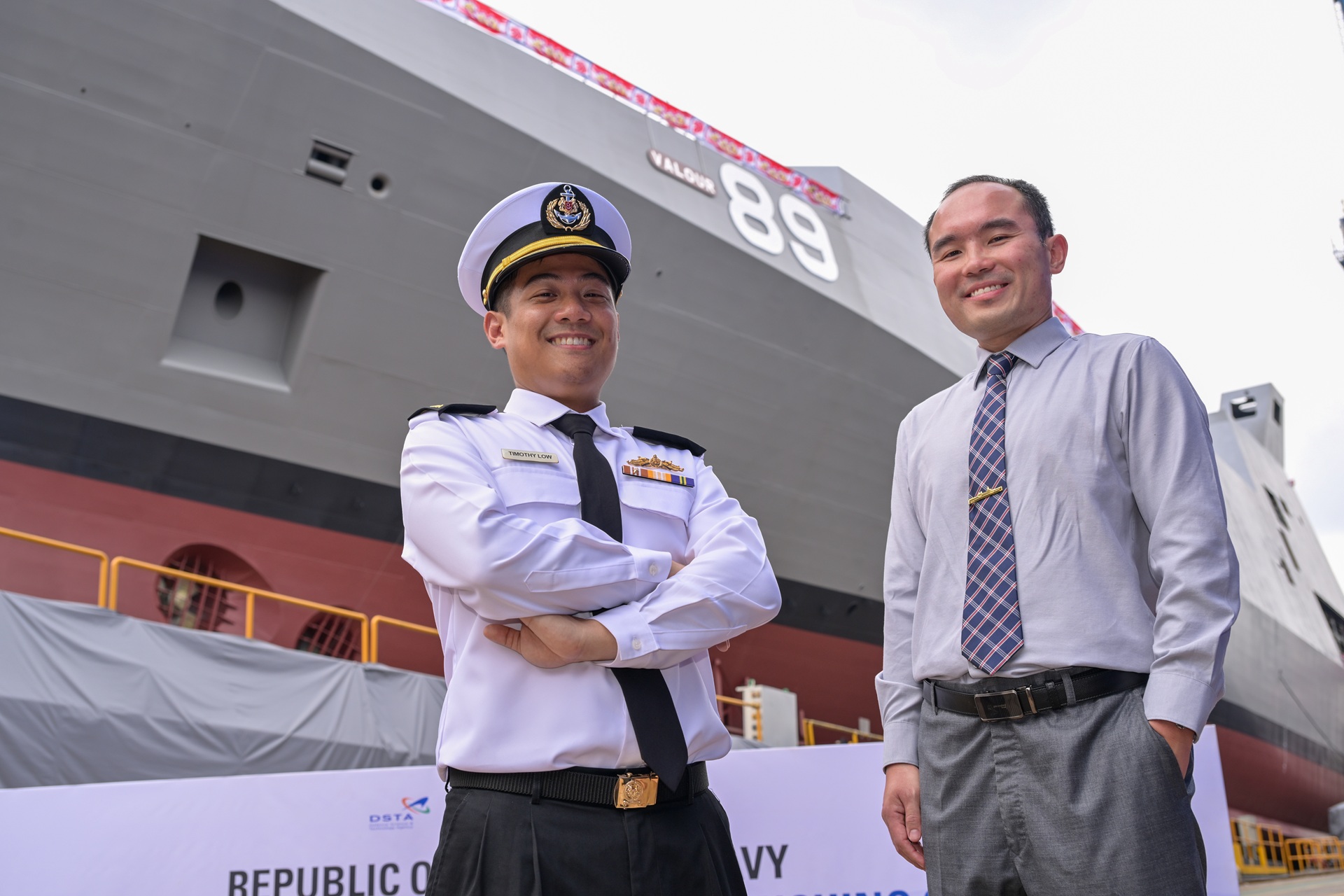
Just like the vessel and her namesake, Commanding Officer LTC Low is following in a strong family tradition of naval service.
Lifelong learners in the SAF
21 Jul 2026
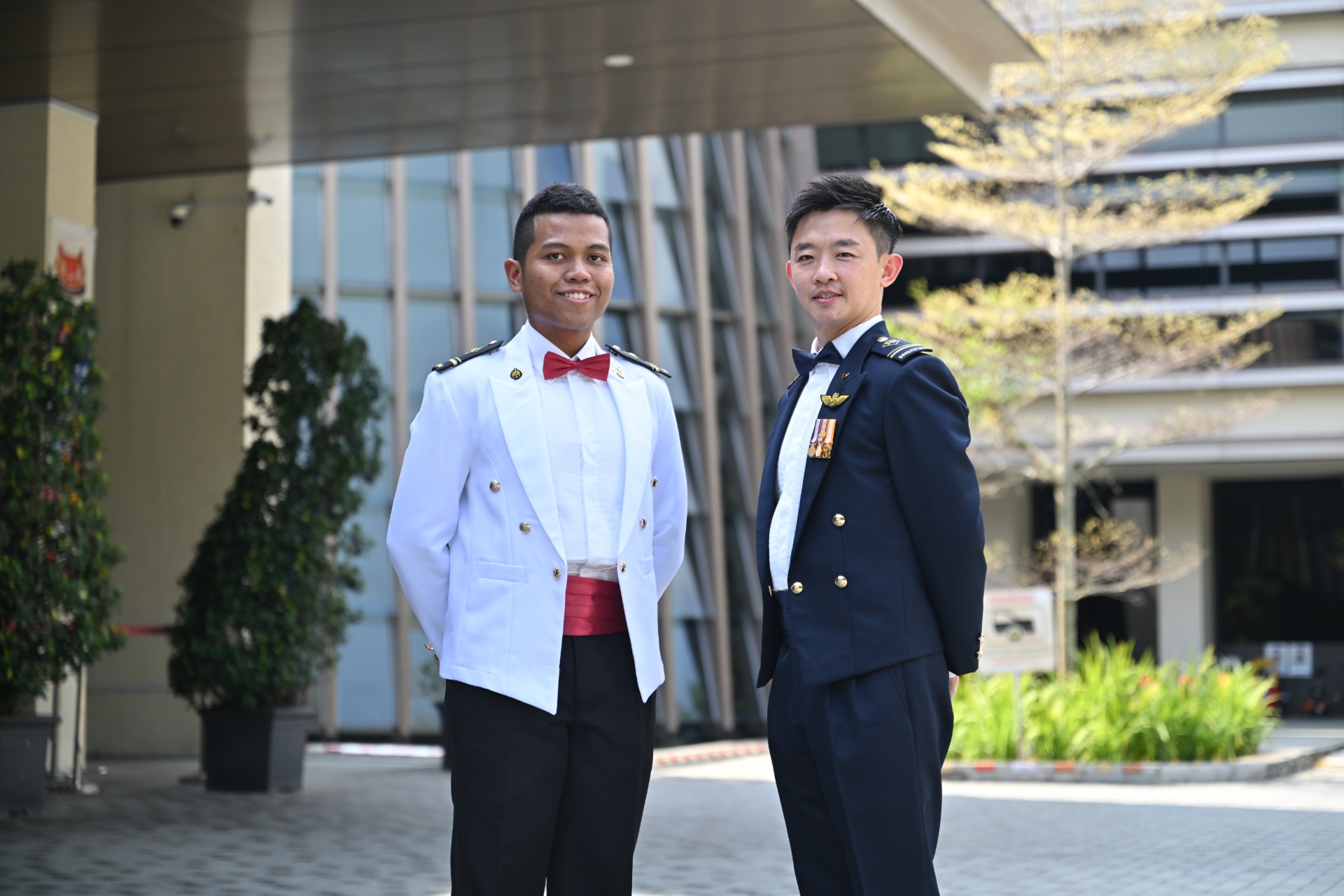
Meet Senior Military Experts ME4 Muhammad Fikri Bin Suhaimi and ME4 Bai Ruiliang who are proving that you’re never too old to learn something new and chase your dreams.