
MILESTONES
S’pore navy launches new maritime security ship
02 Oct 2026
The Offshore Patrol Vessels will inherit the missions of their predecessors, the Maritime Security and Response Vessels, in protecting Singapore’s waters.
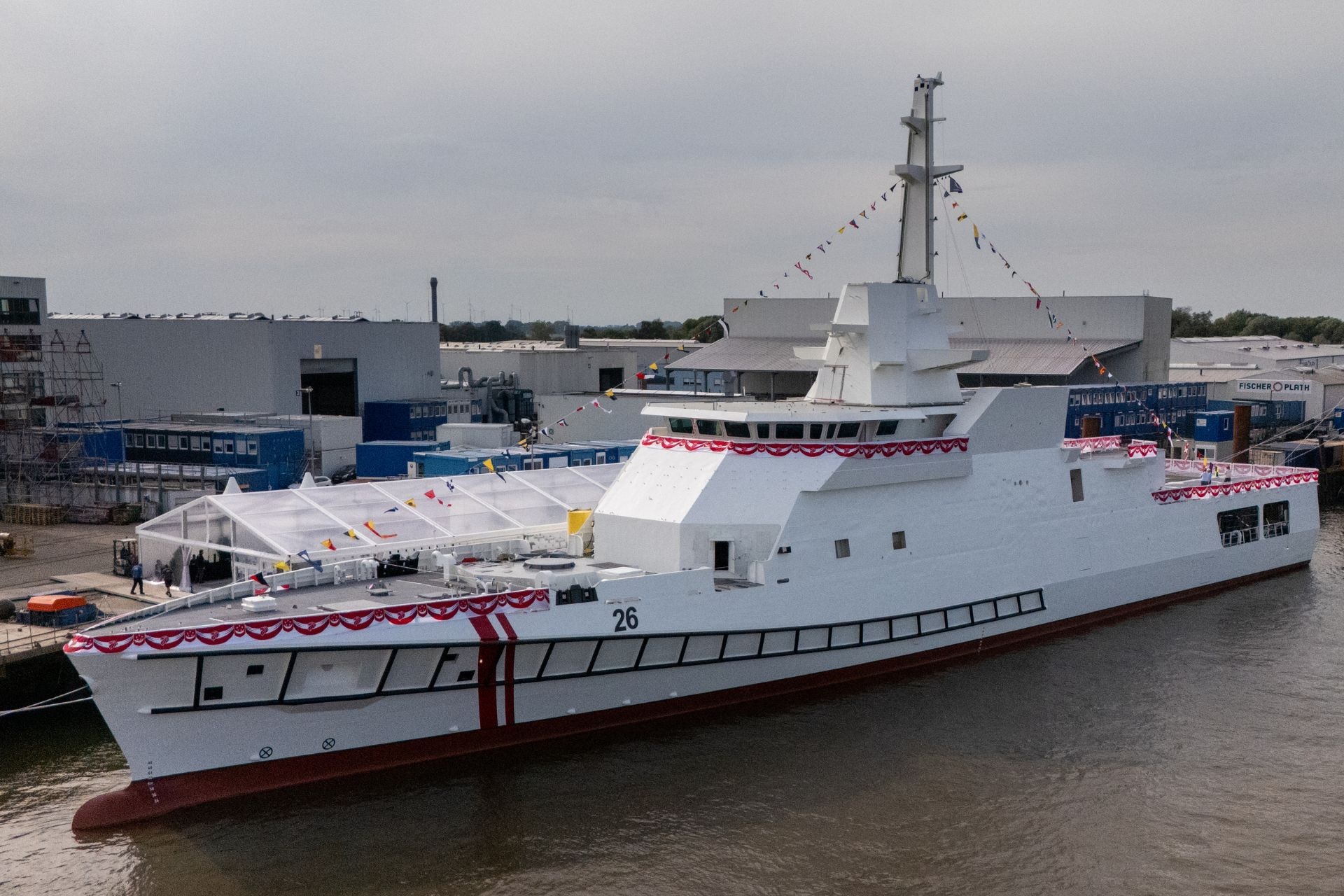
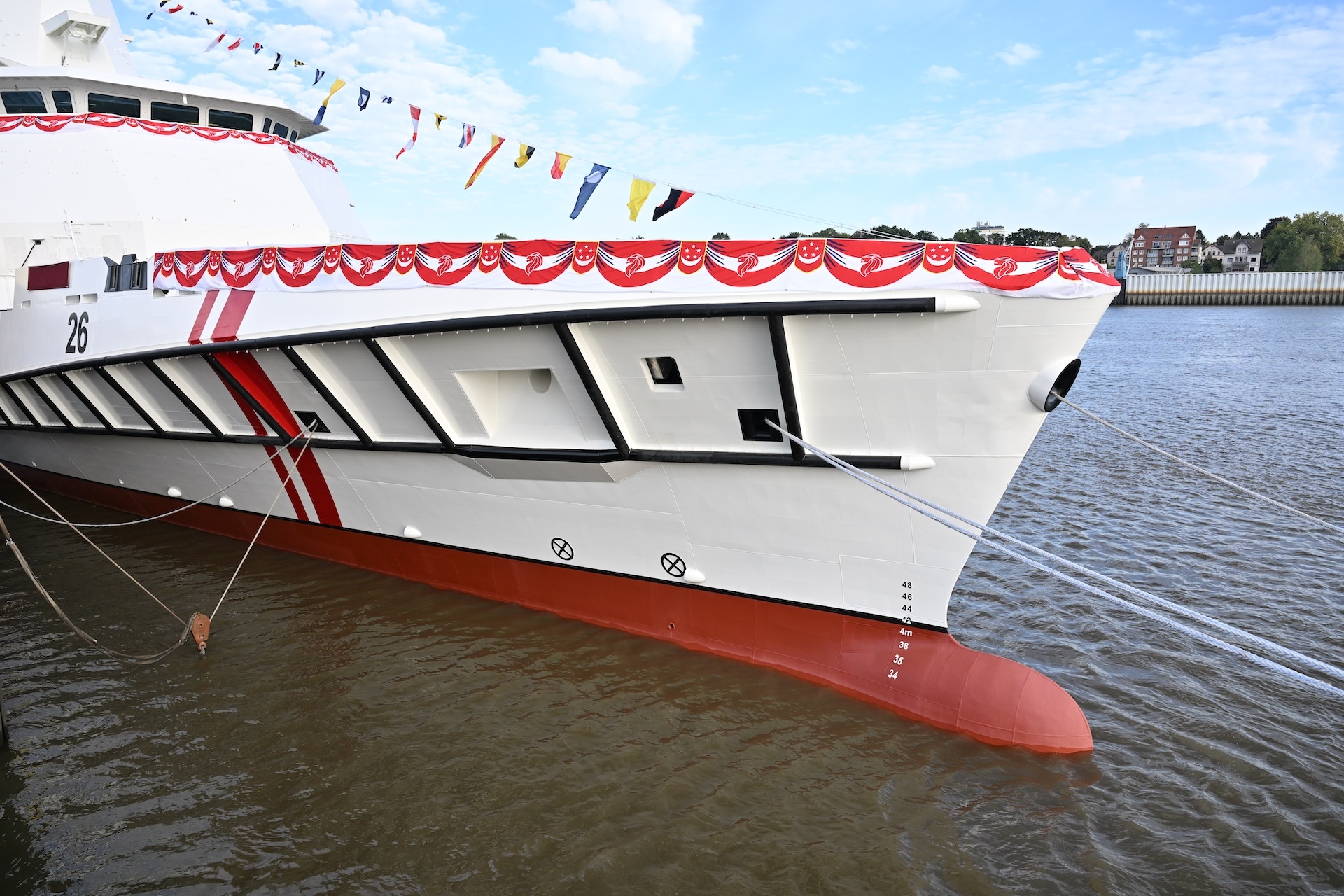
Sporting a distinctive white hull and red racing stripes – the mark of vessels operated by maritime security agencies around the world – the new Sentinel-class Offshore Patrol Vessel (OPV) is getting ready to take to the seas.
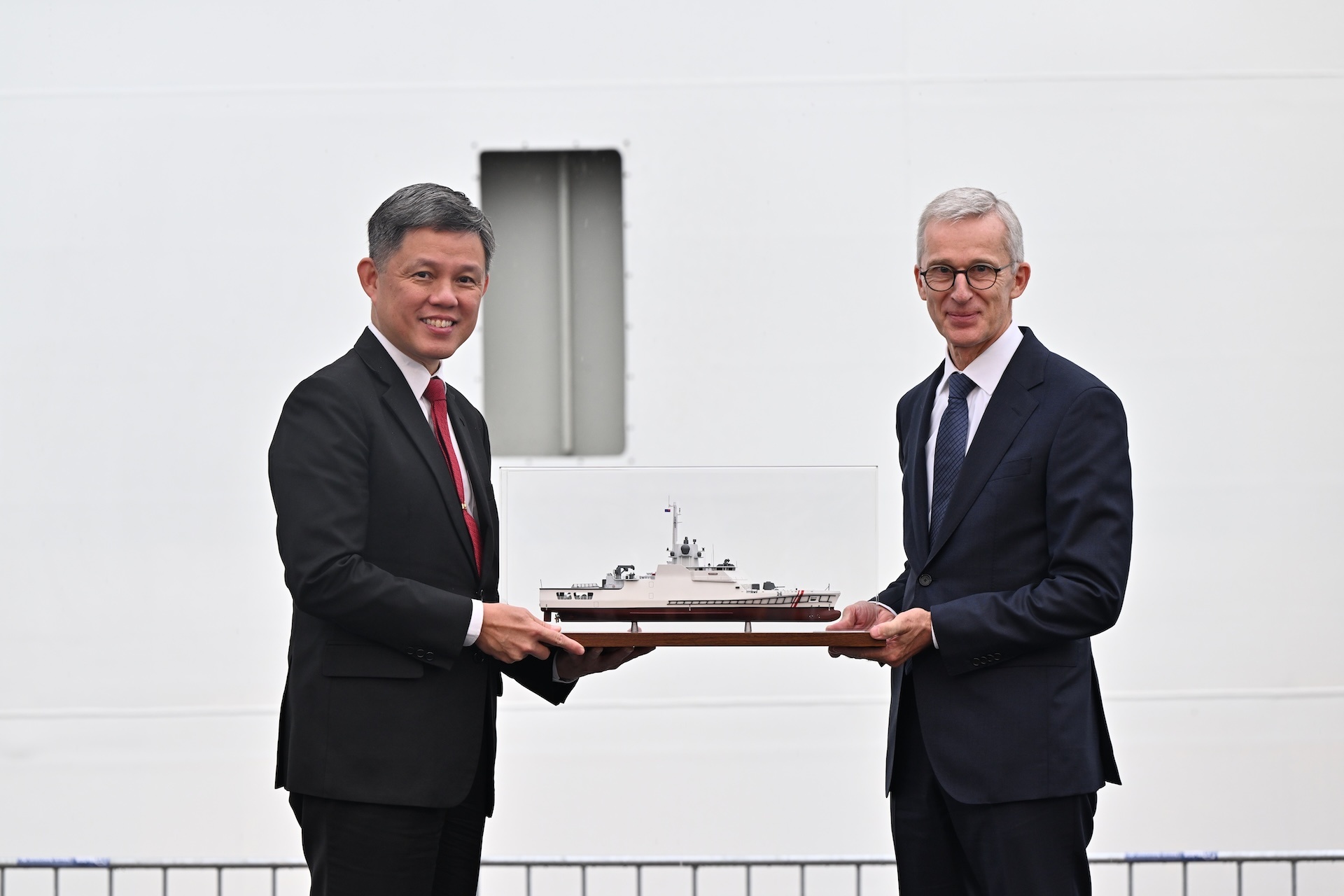
The Republic of Singapore Navy (RSN) launched OPV Sentinel, the first of four vessels in its class, on 1 Oct at the Fassmer shipyard in Berne, Germany.
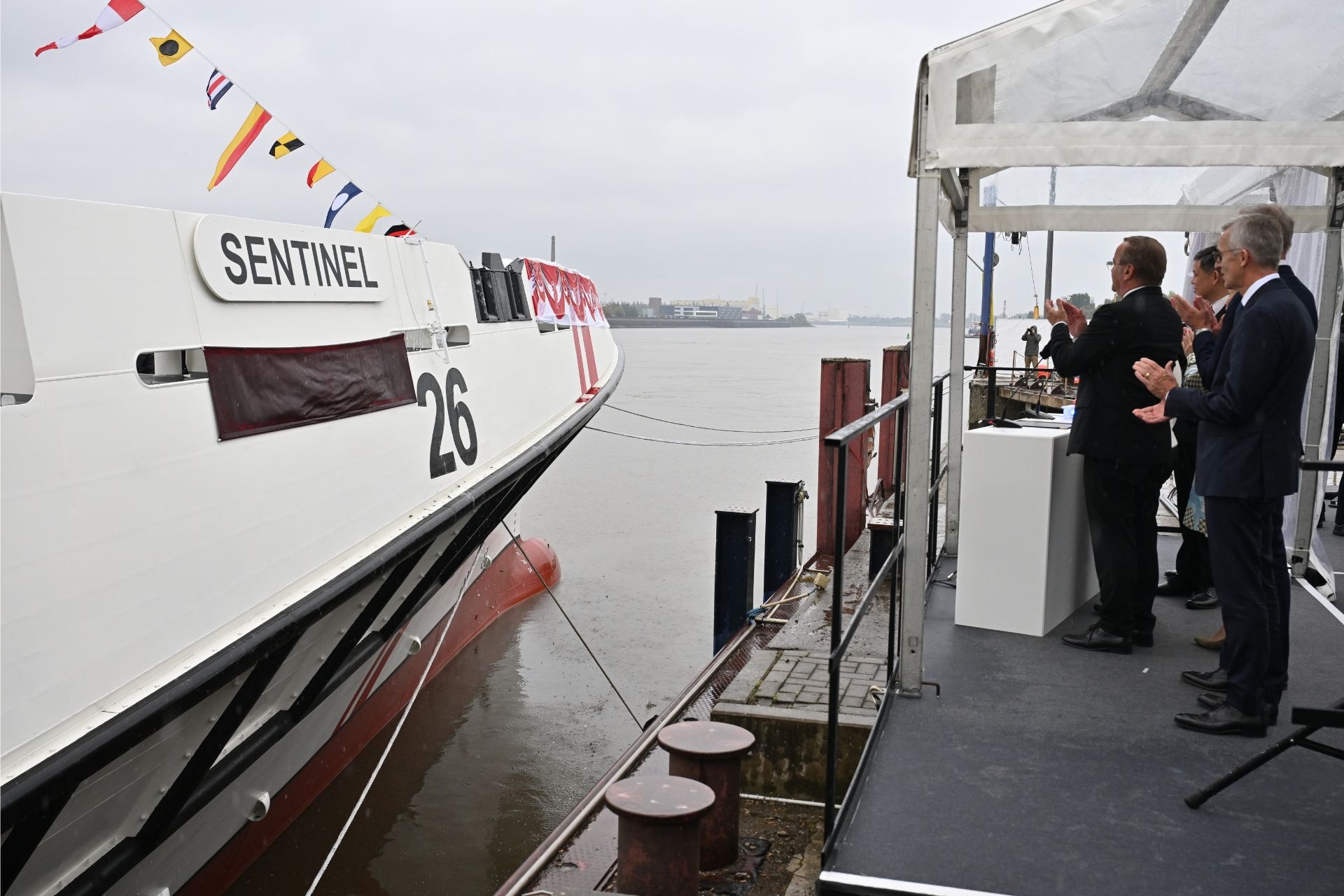
The ceremony was officiated by Defence Minister Chan Chun Sing, who highlighted that the OPV is designed to be configurable to meet future needs.
“(The OPV) is an example of our commitment to build a ship that is best in its class for today's needs, but always with the potential to add new capabilities that will allow us to ‘plug and play’, and to meet new and emerging threats.”
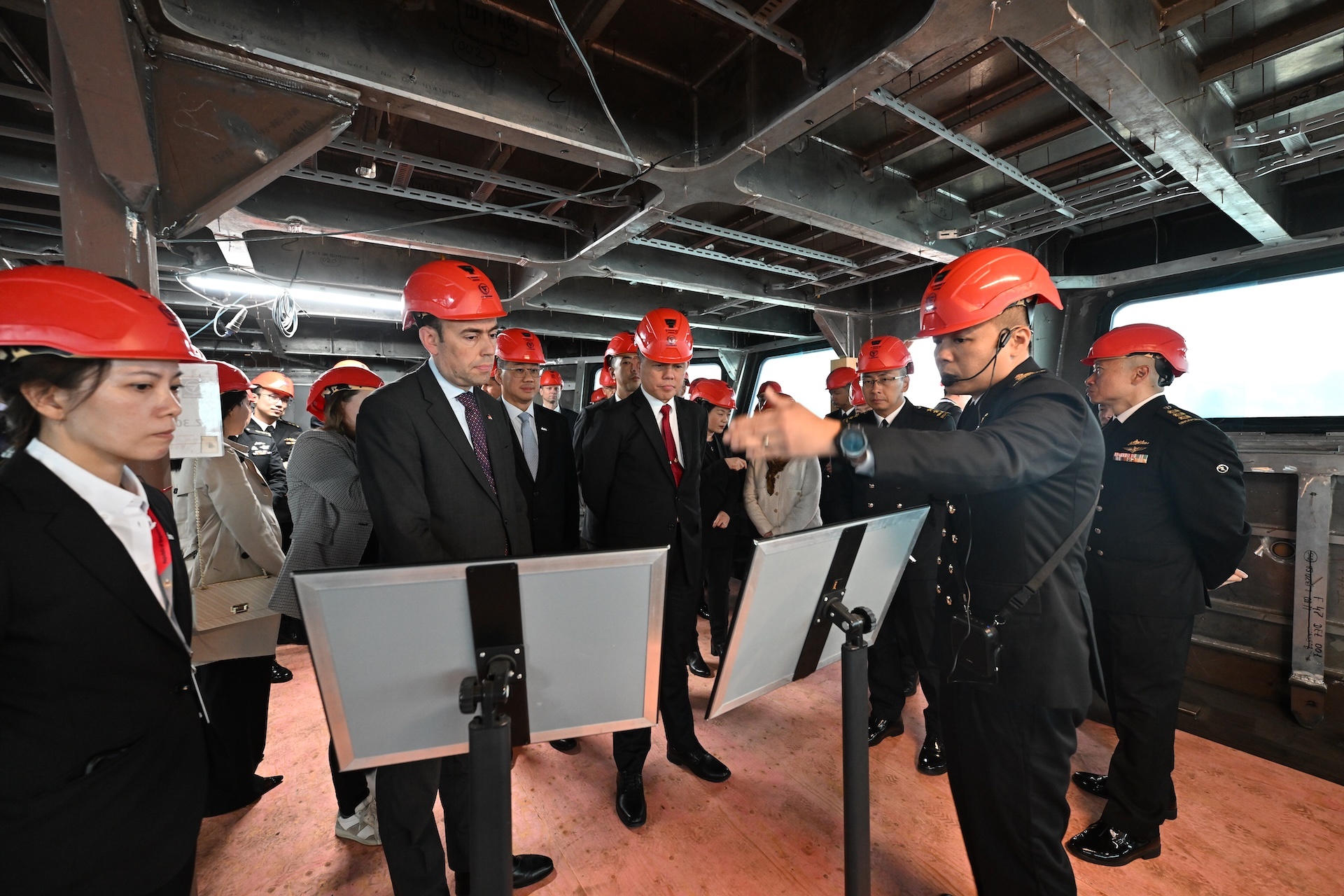
He was speaking to invited guests from Germany and Singapore, among whom were German Federal Minister of Defence Boris Pistorius, Chief of German Navy Vice Admiral Wilhelm Tobias Abry, and RSN Chief of Navy Rear Admiral Sean Wat.
A strong presence in our waters
Purpose-built to meet the increased demands and wider scope of today’s maritime security operations, these OPVs will fly the blue State Marine Ensign like other Singapore Government Vessels in the RSN.
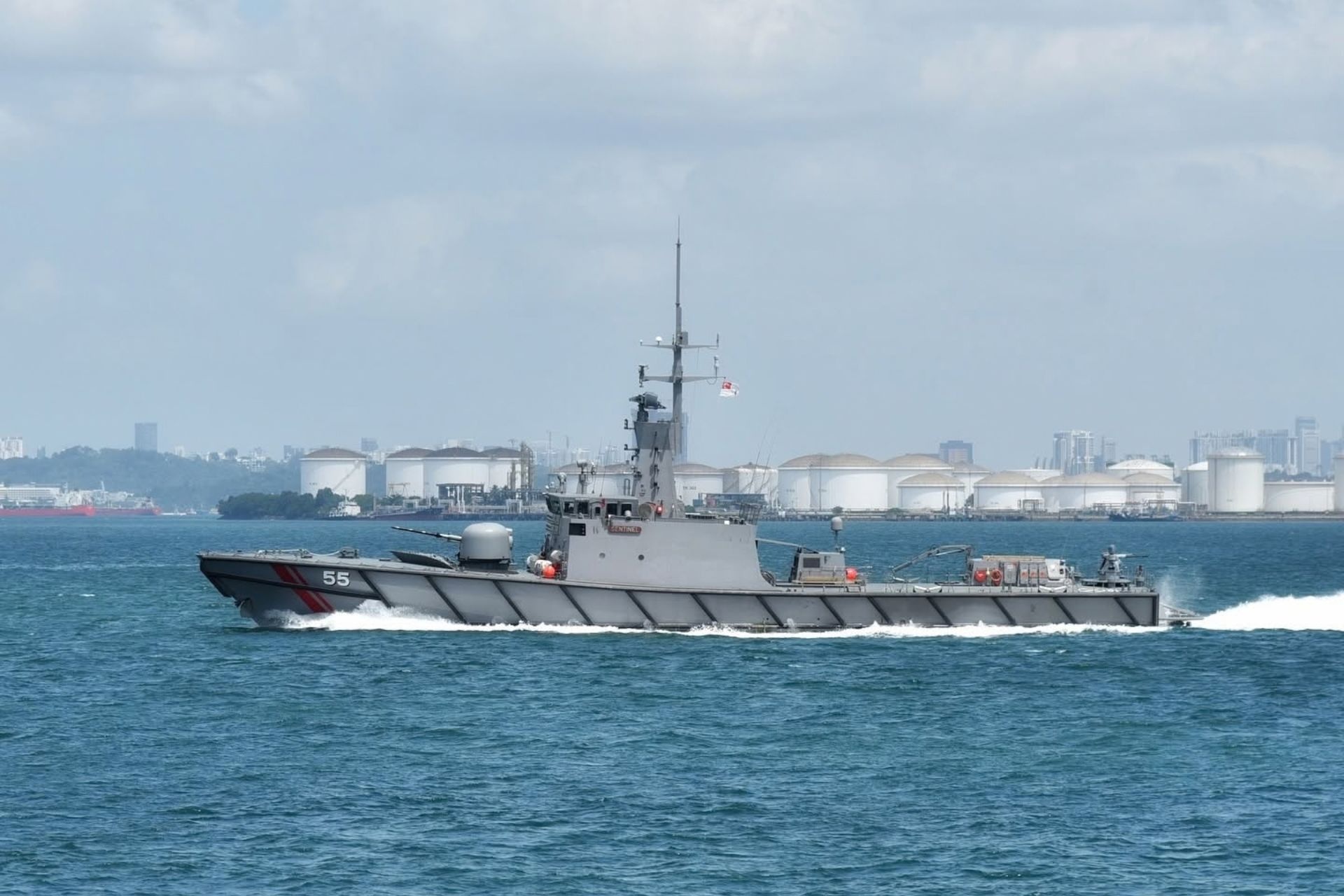
Operating under the Maritime Security and Response Flotilla (MSRF), they will inherit the mission of the current Sentinel-class Maritime Security and Response Vessels (MSRVs).
The OPVs will work alongside vessels from other government agencies, such as the Police Coast Guard (PCG) and Maritime Port Authority, to deliver measured and proportionate responses to a range of seaward incidents.
The PCG will oversee law enforcement and policing in Singapore's inshore and coastal waters, while the OPVs provide sustained presence in Singapore’s territorial waters.
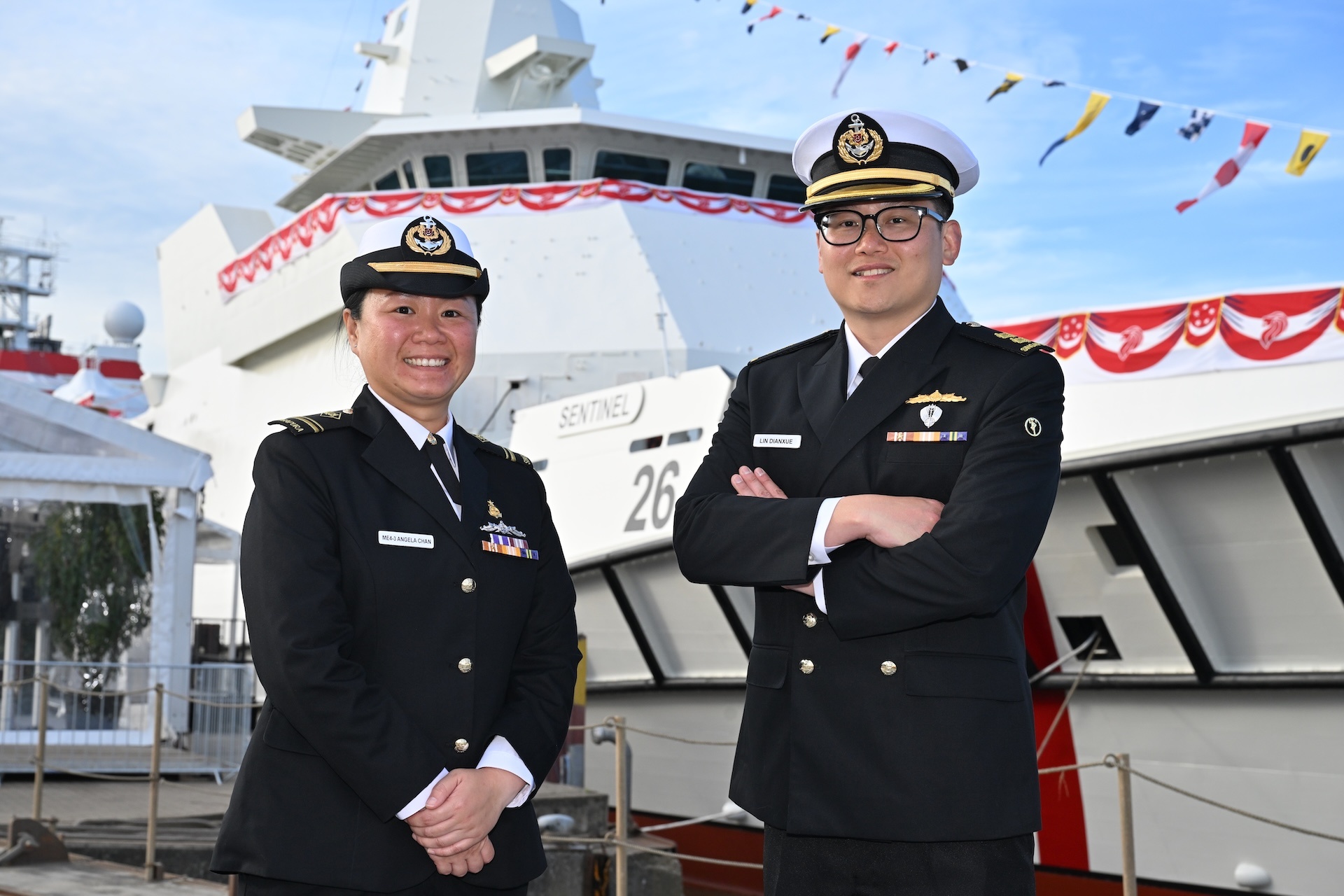
“Operating the OPVs under the RSN allows us to leverage existing Command and Control (C2) and operational systems and infrastructure for efficiency,” Commanding Officer (Designate) of OPV Sentinel Lieutenant Colonel (LTC) Lin Dianxue, 38, explained.
“Similar C2 arrangements exist in countries where non-warship assets deployed for maritime security and sovereignty missions operate under their defence ministries.”
Designed to defend our straits
The OPVs will be equipped with a suite of lethal and less-lethal capabilities to provide calibrated responses against a wide range of maritime threats.
Less-lethal weapons include a laser dazzler and acoustic hailing device, water canon system and less-lethal grenade launcher.
Learning from recent trends in international conflicts, the ship is also designed to take on potential drone threats.
For instance, advanced sensors and weapons like the STRALES Guided Gun will allow the vessels to defend against unmanned threats in the maritime domain.
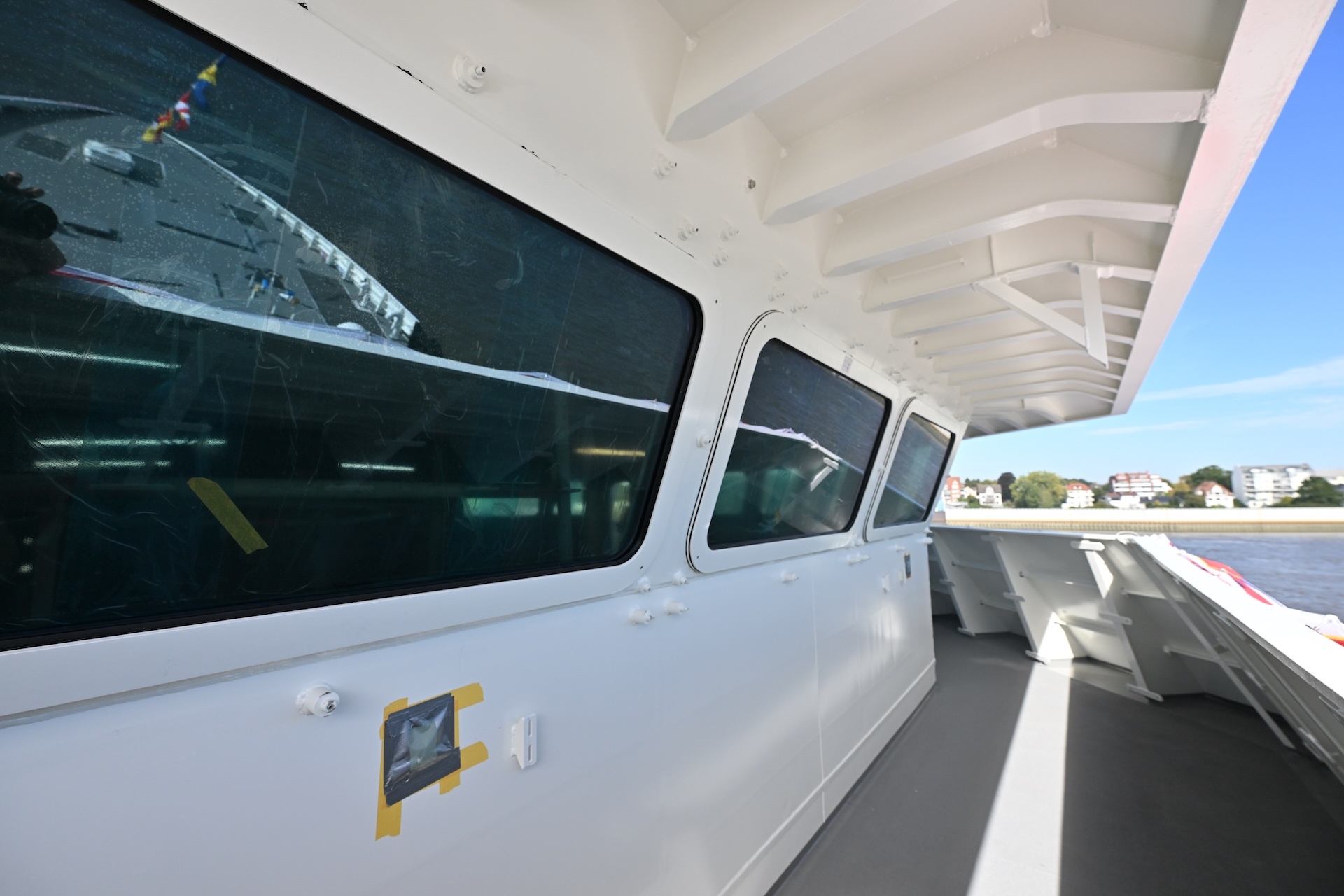
An improved Command, Control, Communications and Computer (C4) suite will also give these new ships an edge over the aging MSRVs that they replace.
Despite being almost twice as long as the MSRV, the 94.85m-long OPV is highly manoeuvrable so that it can operate effectively in Singapore’s congested waters.
Its Combined Diesel-eLectric or Diesel propulsion system helps the ship balance fuel efficiency with speed to suit operational needs.
For example, the OPV can operate at low speeds for long-duration patrols, or switch quickly to high speeds of over 43kmh when responding to an incident.
This allows the ship to maximise endurance (of over 4,000 nautical miles or 7,400km) without compromising its ability for fast response.
A flexible mothership for manned & unmanned craft
The OPVs are designed to be future-ready to stay relevant and take on emerging threats, said Senior Lieutenant Colonel (SLTC) Jackson Hong, Deputy Director of the OPV Project Office.
Containerised systems allow the vessels to be configured for a variety of maritime security missions and remain highly adaptable to evolving mission requirements.
“Apart from mission modularity that allows us to rapidly swap containerised payloads to be reconfigured for different missions, we also engineered growth margins in the power, cooling and network infrastructures,” the 43-year-old explained.
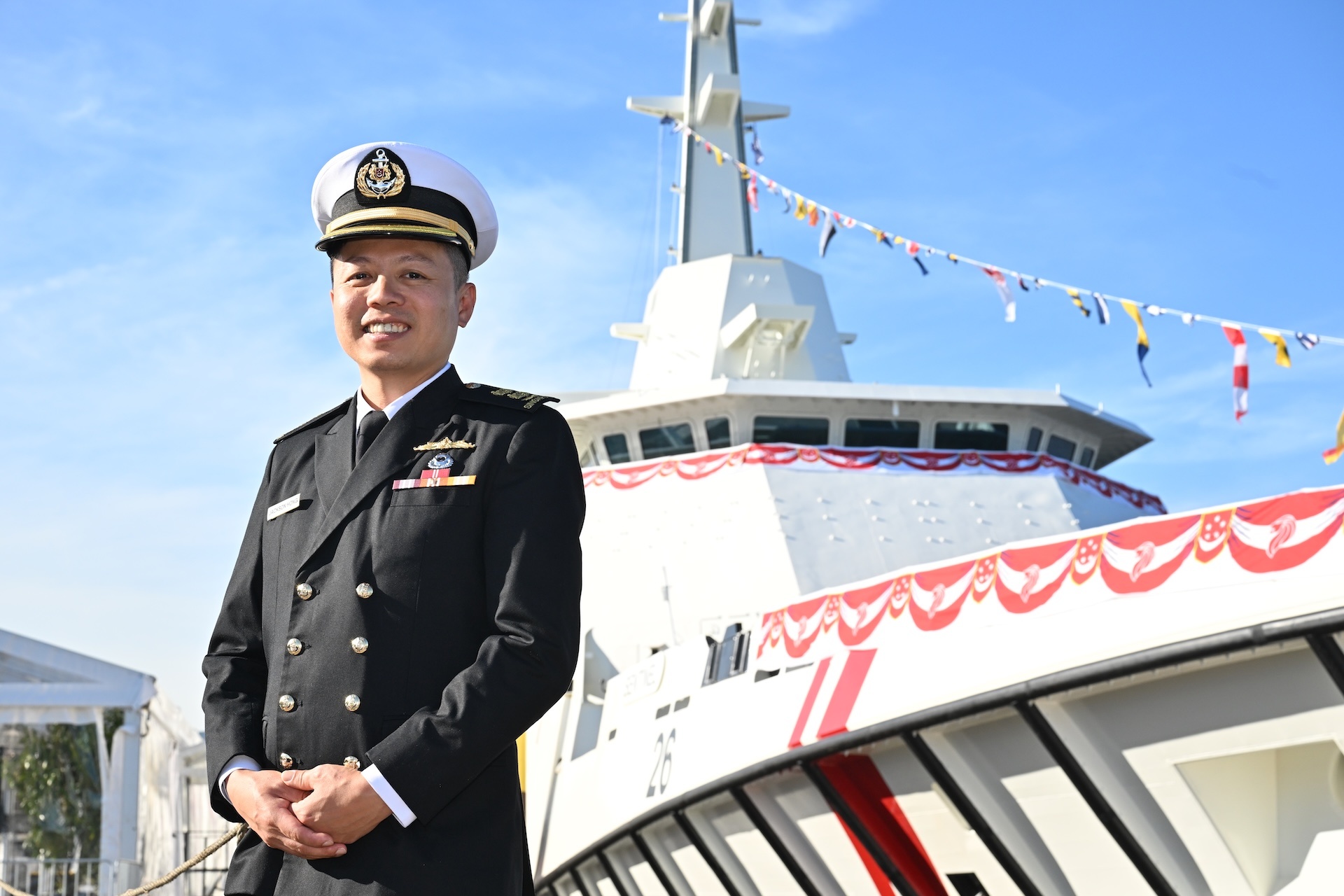
“(These design considerations) allow us to subsequently integrate cutting-edge capabilities without having to rework the structural designs and incur costly retrofits.”
With a ship crew of about 40, the OPV leverages advanced automation and technology to operate in a more manpower-efficient manner compared to ships of a similar size.
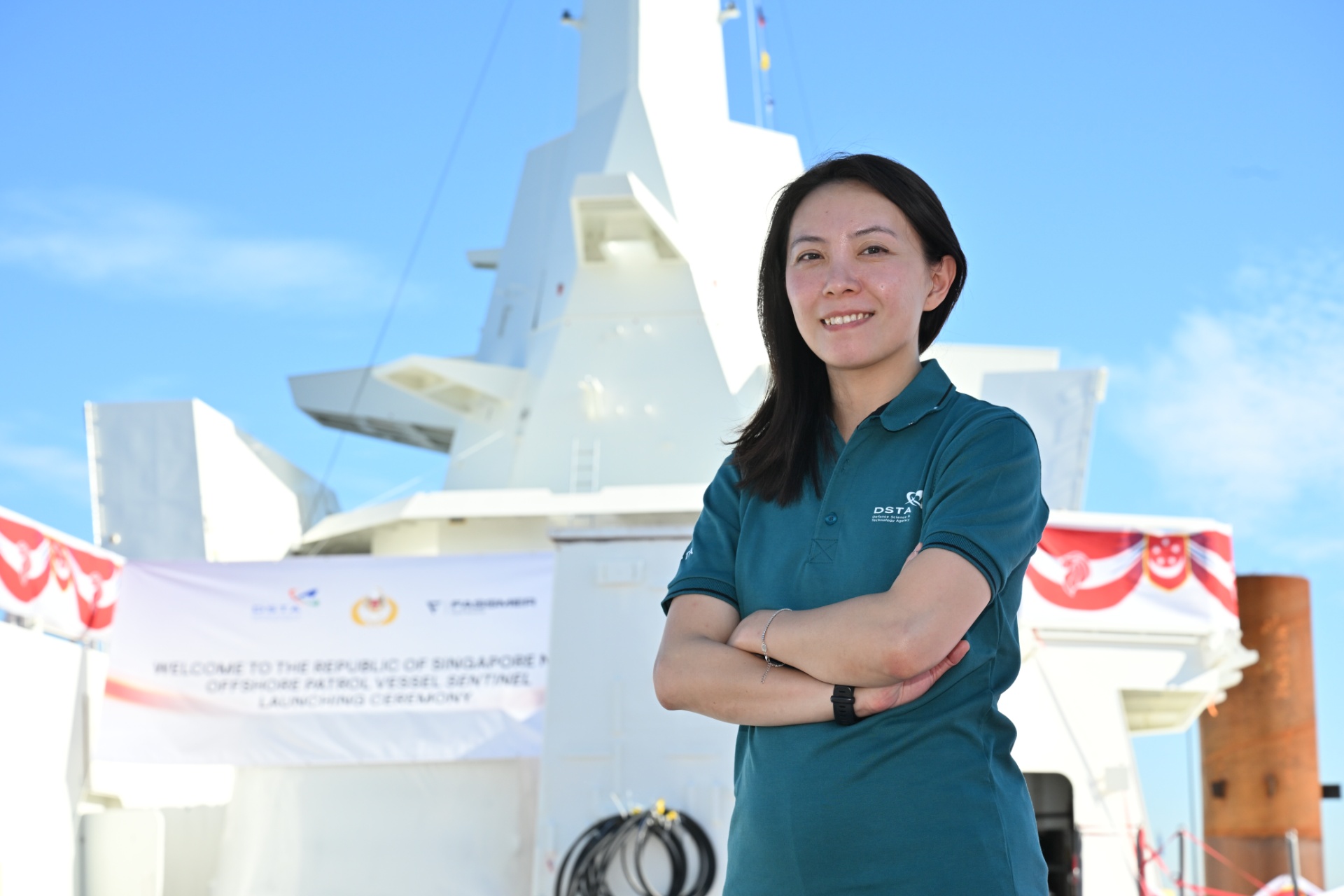
Mission modularity also allows it to launch a wide range of manned and unmanned craft.
The Stern-Launch and Recover System enables the vessel to carry out the launch and recovery of craft from its stern in a safe, controlled and efficient manner.
This reduces crew handling time and exposure, while providing reliable operation in challenging sea conditions.
Getting ready to set sail
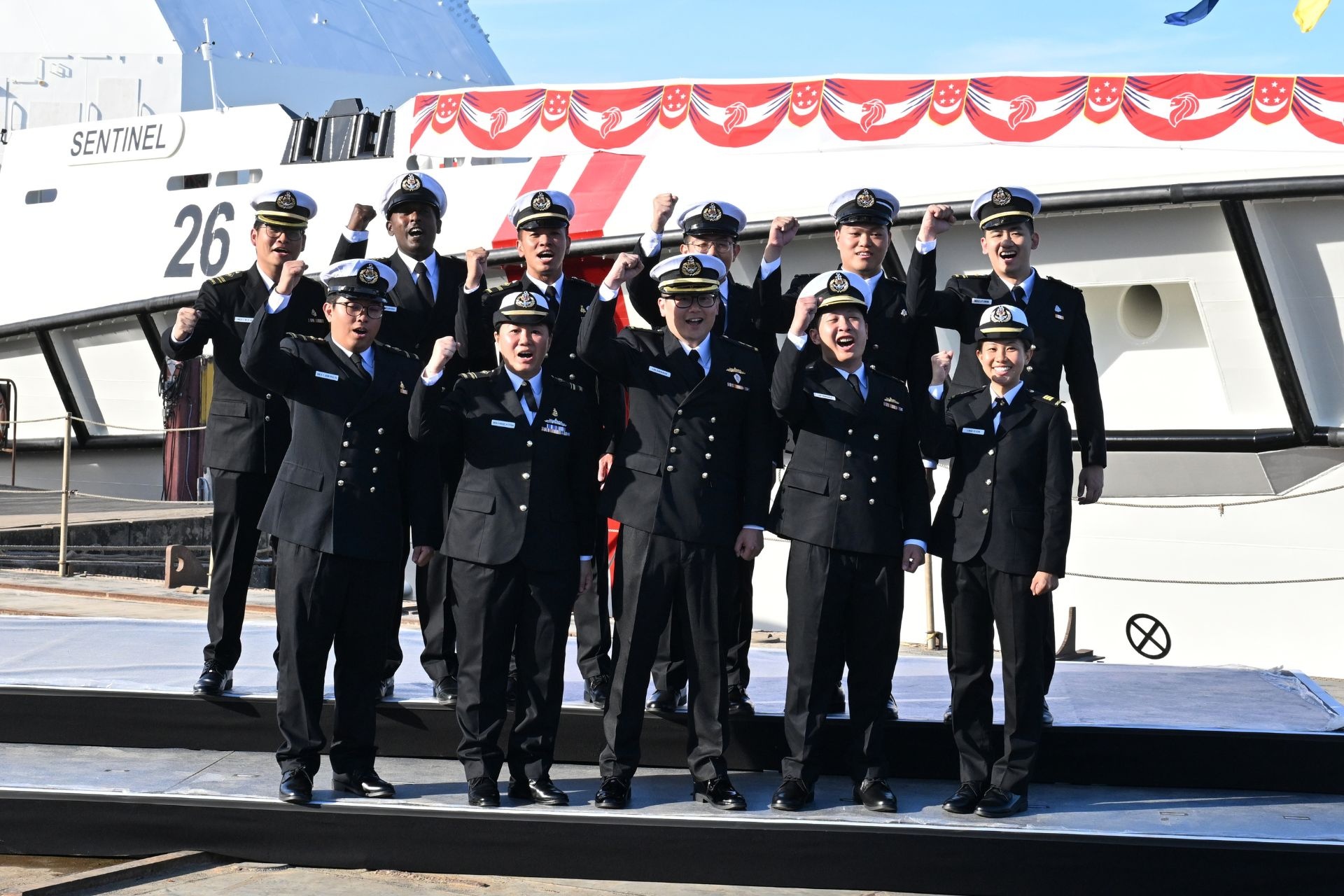
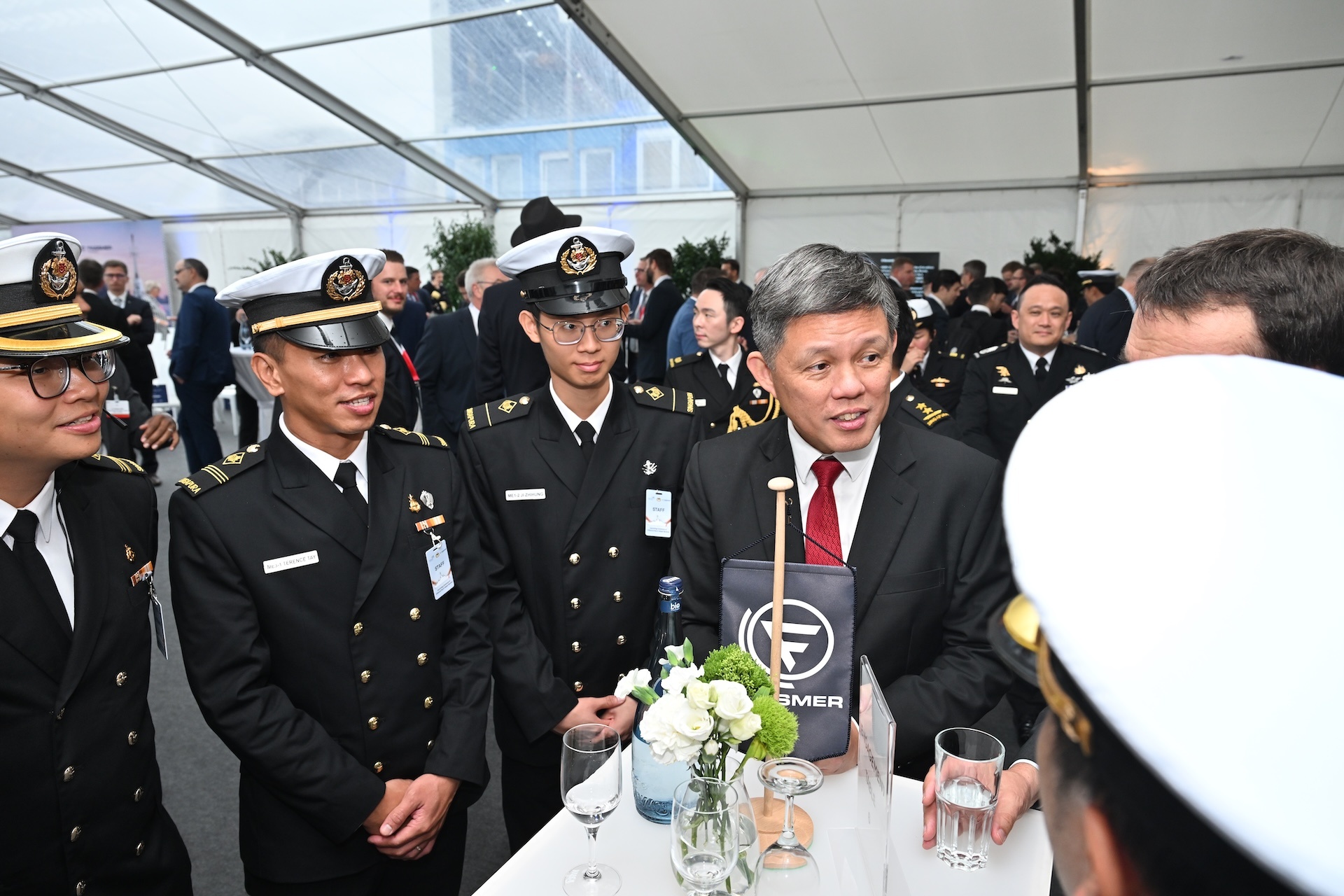
The pioneer crew of OPV Sentinel have been hard at work preparing to take over the ship and learning to operate and maintain the new systems in a safe and effective way.
Some of the crew members attended a six-week familiarisation course in Germany, where they were introduced to the OPV’s various platform systems, deck machineries and firefighting systems.
Back in Singapore, they also underwent programmes to maintain their core competencies in areas such as small‑arms firing, firefighting, and damage control, and will be attending simulator sessions to maintain their proficiency in bridge watchkeeping.
OPV Sentinel Coxswain (Designate) Military Expert (ME) 4 Angela Chan is looking forward to leading a diverse crew with a wide range of experience operating various Navy ships.
The 46-year-old, who has worked on the Landing Ship Tank and Littoral Mission Vessel, said: “This range of experience is a valuable strength, as each individual brings different knowledge, skills and perspectives from their previous platforms.
“I intend to leverage this diversity by encouraging the crew to share their experiences and best practices, allowing us to learn from one another and identify what can be adapted to this new platform.”
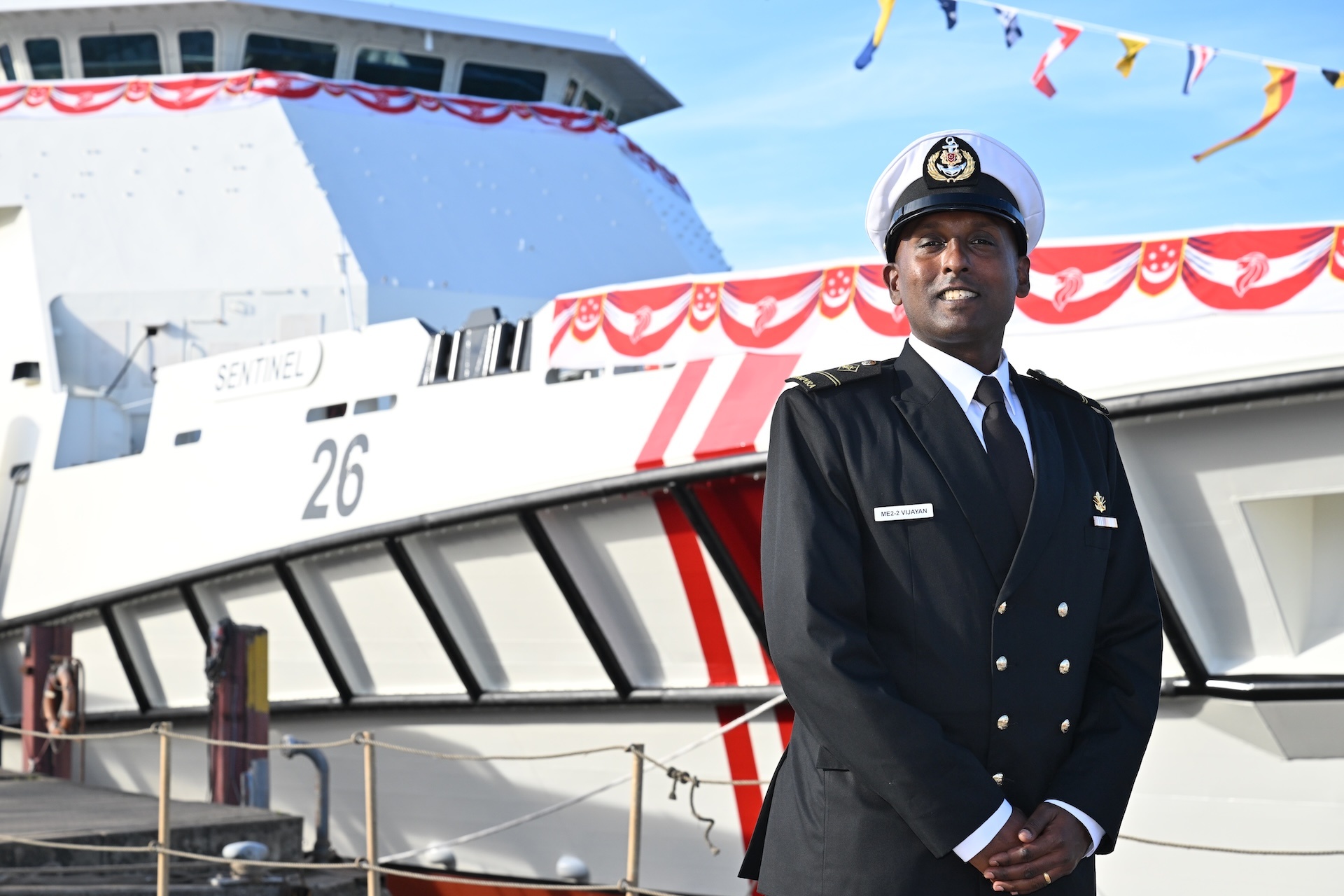
ME2 Vijayan s/o Manimaran, 34, was part of the MSRF’s pioneer batch in 2021. He hopes to bring his skills and experience to the new ship.
“(My MSRF experience) taught me adaptability, innovation and teamwork in building a new capability from the ground up. Transitioning to OPV Sentinel feels like a natural continuation of that journey.
“As part of OPV Sentinel’s pioneer crew, I have the opportunity to help introduce a new class of ship into service, develop new operational concepts and contribute to shaping the future of Singapore's maritime security operations.
“It's a challenging but very rewarding experience that I am proud to be part of.”

ALSO READ IN MILESTONES
RSN launches 2nd Multi-Role Combat Vessel
23 Jul 2026
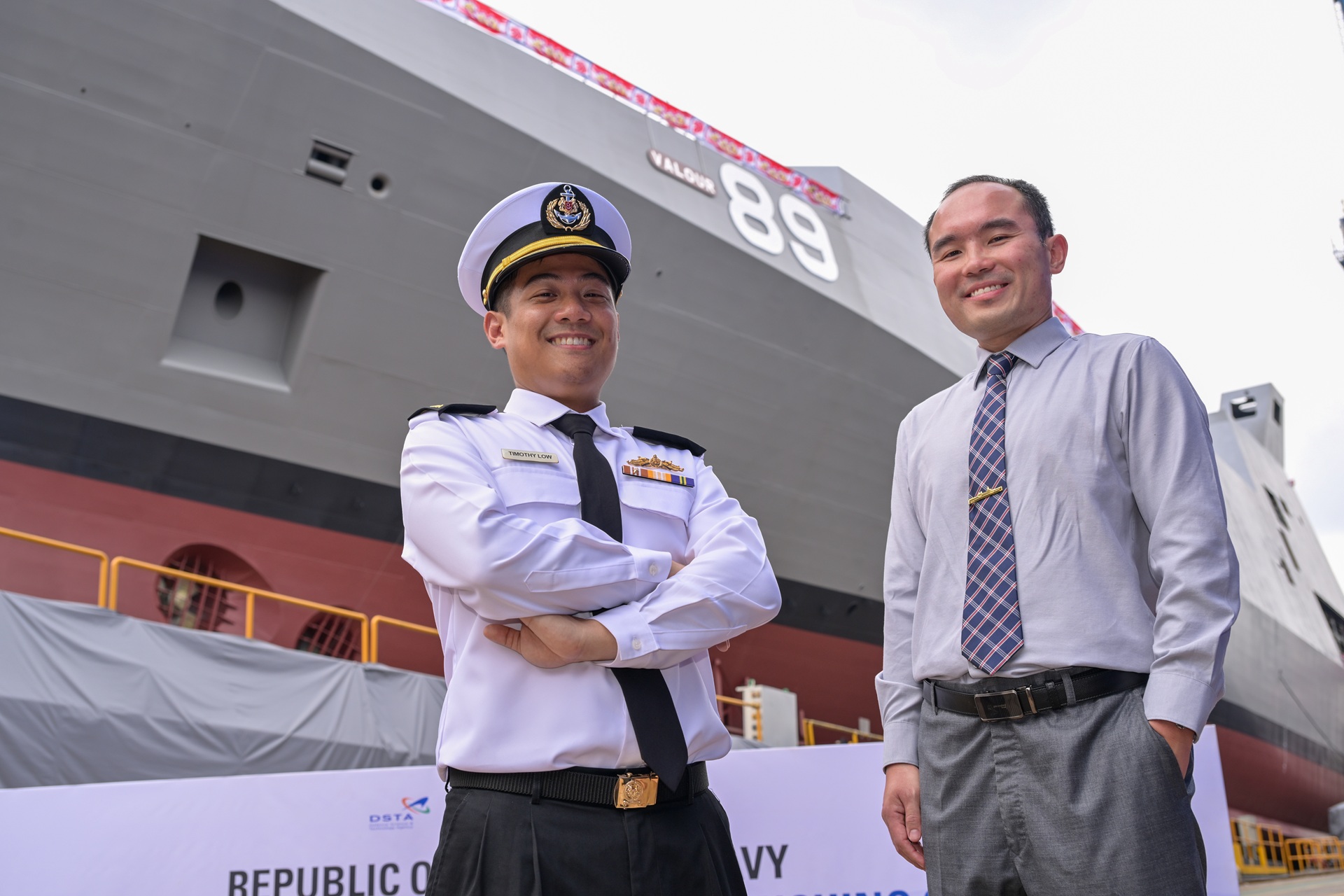
Just like the vessel and her namesake, Commanding Officer LTC Low is following in a strong family tradition of naval service.
Lifelong learners in the SAF
21 Jul 2026
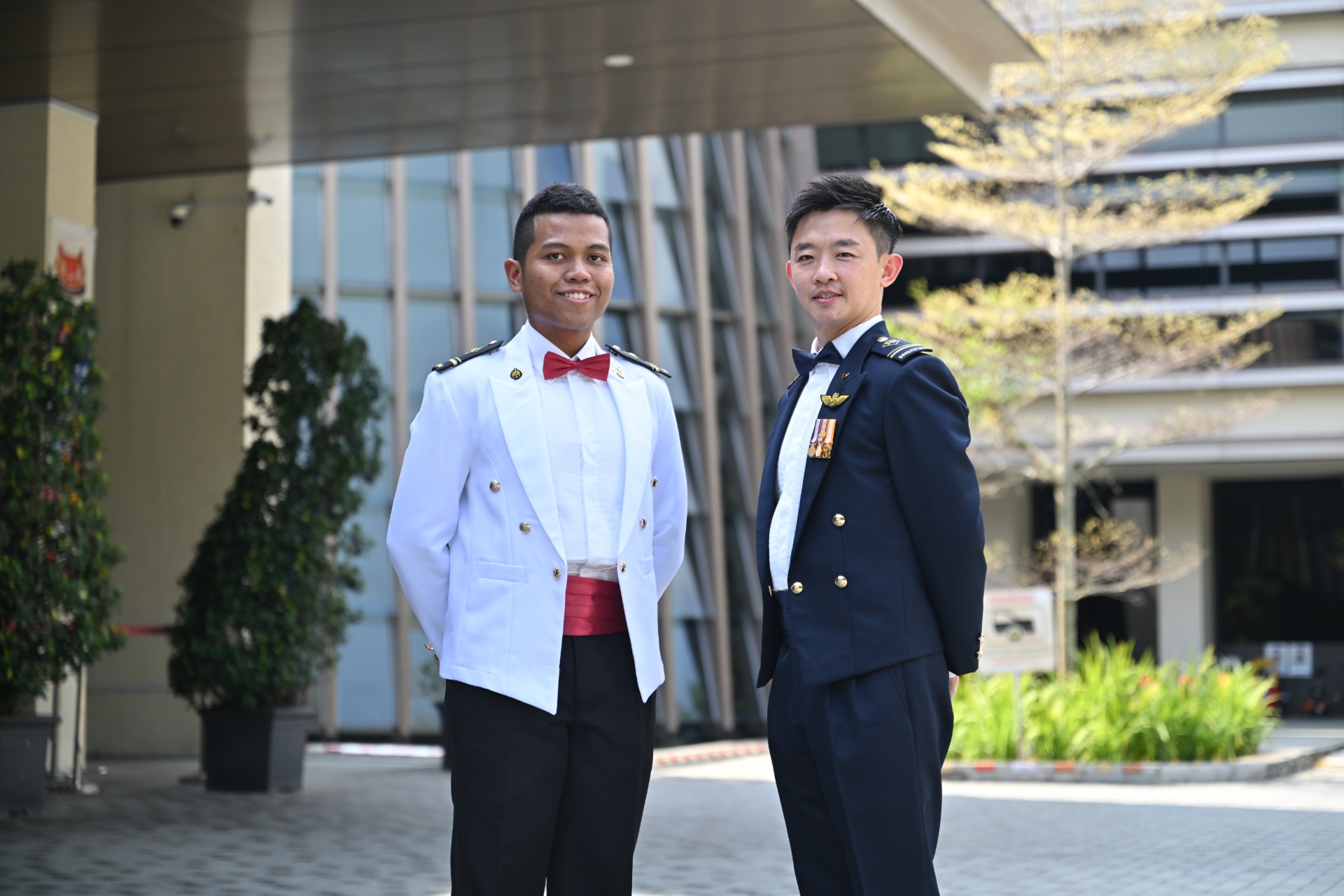
Meet Senior Military Experts ME4 Muhammad Fikri Bin Suhaimi and ME4 Bai Ruiliang who are proving that you’re never too old to learn something new and chase your dreams.
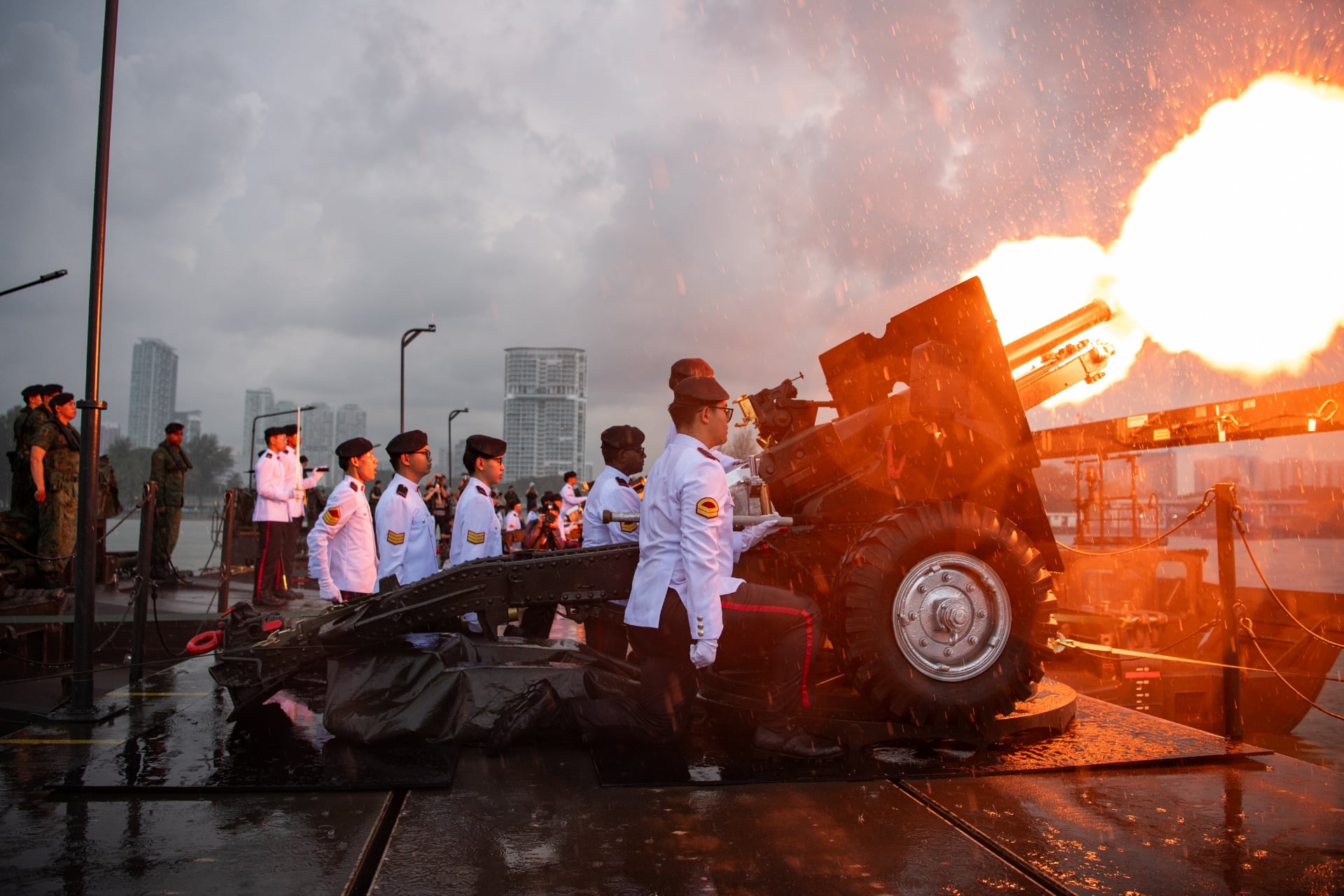
Booming in the Basin: Bringing the Presidential Gun Salute to Kallang for NDP 2026
19 Jul 2026
This year’s National Day Parade (NDP) brings the power and precision of the Presidential Gun Salute closer to spectators at the Kallang Basin.