
DIPLOMACY
DR NG: SECURITY ARCHITECTURE NEEDED TO ENSURE PEACE IN ASIA
21 Nov 2014
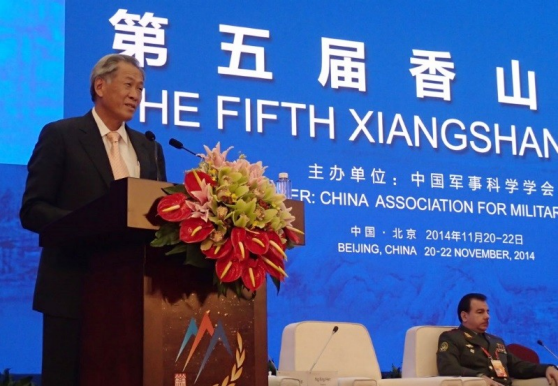
With defence spending rising in the region, Asia needs to develop a security architecture which can accommodate this military modernisation, and provide for peace and stability.
Minister for Defence Dr Ng Eng Hen said this at the fifth Xiangshan Forum, a high-level security forum held in Beijing, China on 21 Nov.
Speaking at a plenary address, Dr Ng noted that economic prosperity in Asia had bankrolled military armament in the region in recent years. Defence budget in Asia rose by two percent in 2011, 4.5 percent in 2012, and nearly five percent in 2013. But in Europe and America, it went down by about four to seven percent.
"We must ensure that Asia remains peaceful and stable, even as military modernisation occurs against a backdrop of occasional tensions arising from maritime and territorial disputes," said Dr Ng.
He proposed three elements for an effective security architecture. First, it needs to be open and inclusive. Second, it must provide regular platforms for dialogue, practical cooperation and confidence building. Third, it should have mechanisms to de-escalate tensions and resolve disputes peacefully.
Dr Ng noted that a multi-layered security framework had already emerged in the region, with formal platforms such as the East Asia Summit and ASEAN Regional Forum as well as informal platforms like the Shangri-La Dialogue and Xiangshan Forum.
He also highlighted the ASEAN Defence Ministers' Meeting (ADMM-Plus) Experts' Working Groups as an example of how militaries can come together for practical cooperation on areas of common interests such as maritime security, counter-terrorism and humanitarian assistance and disaster relief.
But Dr Ng warned that for these regional platforms to remain credible, they must be used to address the security challenges facing the region today.
"The early conclusion of a Code of Conduct in the South China Sea will be an important deliverable for regional security," said Dr Ng. "We can engage all we want, but until we find the mechanisms, the language, the platforms, to ease tensions, our credibility will be at stake."
Brunei's proposal for a direct communication link between ASEAN, China, and other partner countries was thus an idea worthy of serious consideration, he added.
Dr Ng was also encouraged by the fact that China and Japan had agreed to establish crisis management mechanisms. In addition, the United States and China had announced confidence-building measures that notify each other of major military activities and establish rules of behaviour during air and maritime encounters.
"Countries in the region must continue to build on these concrete practical measures for de-escalating tensions, even as we work towards long-term solutions for dispute resolution through peaceful means," Dr Ng said.
The Xiangshan Forum is organised by the China Association for Military Science, a non-official Chinese think-tank on military science studies. Other topics discussed during the forum include the regional security architecture, counter-terrorism and maritime security.


ALSO READ IN DIPLOMACY
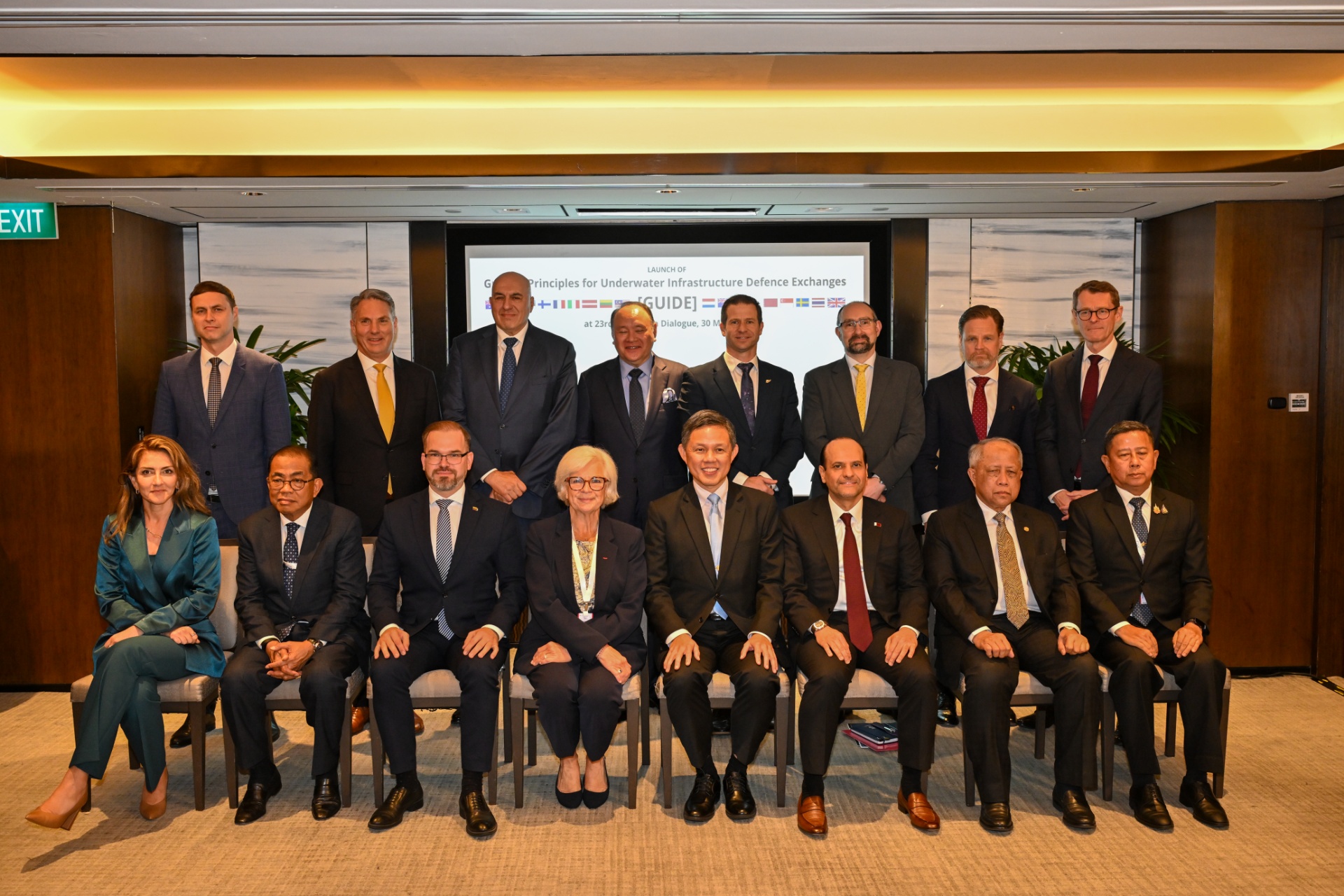
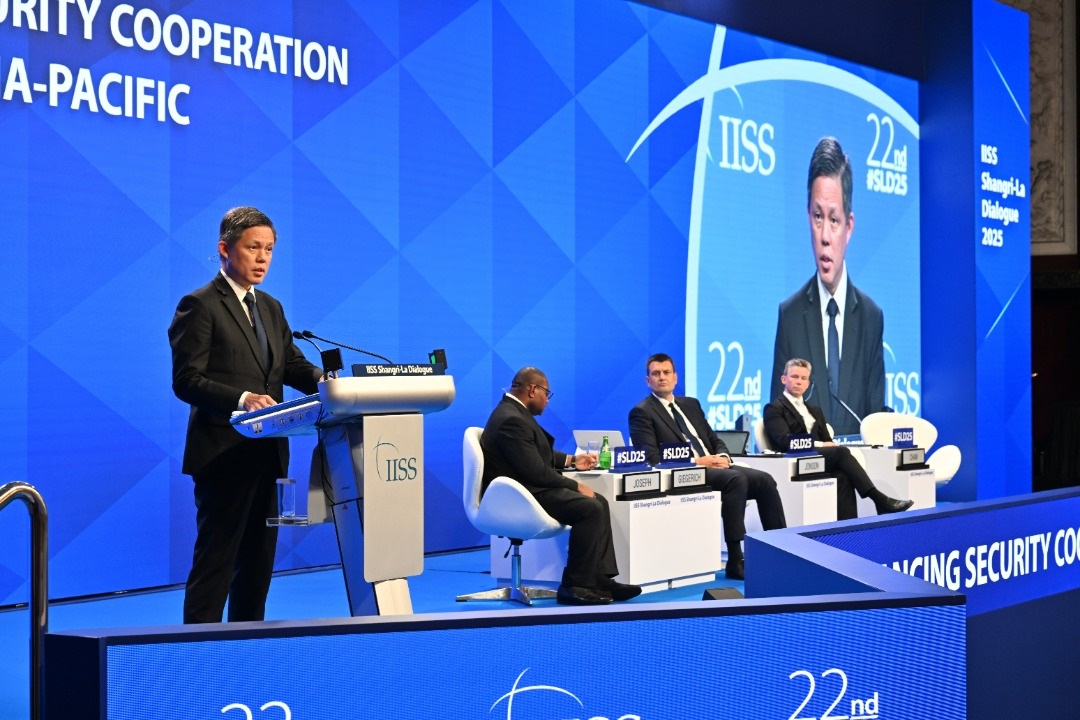
Going alone is not the answer to insecurity – Mr Chan
01 Jun 2025
“Going alone is not the answer to insecurity”, emphasised Minister for Defence Mr Chan Chun Sing at the Shangri-La Dialogue (SLD), held from 30 May to 1 Jun. This was one of his main points at his speech at the sixth plenary session on 1 Jun.
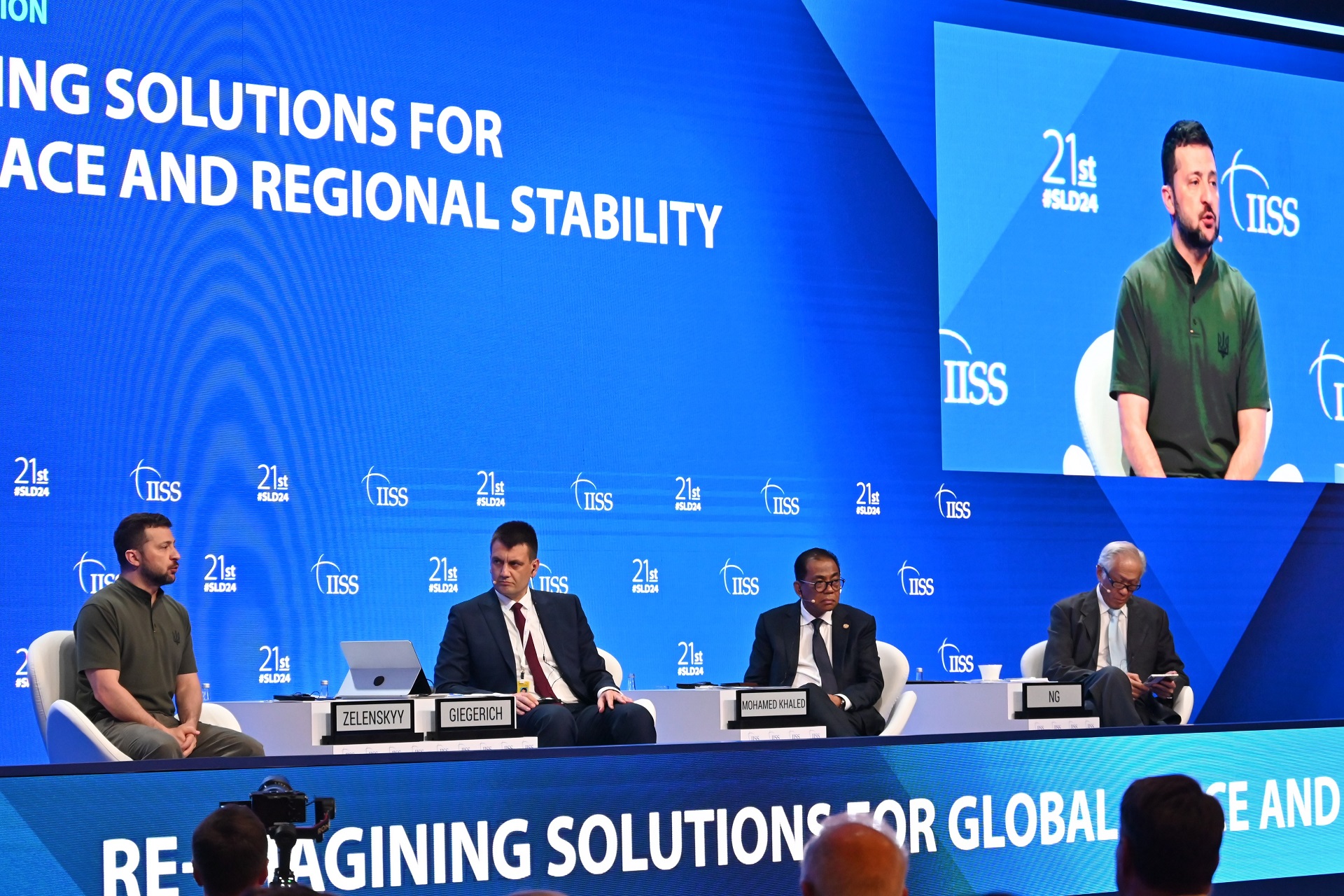
A call for peace at Shangri La Dialogue
02 Jun 2024
A repeated call for peace, especially in Asia. This was Minister for Defence Dr Ng Eng Hen's central message at the 21st Shangri La Dialogue (SLD), held from 31 May to 2 Jun.
Shangri-La Dialogue sees frank discussion of security issues
04 Jun 2023
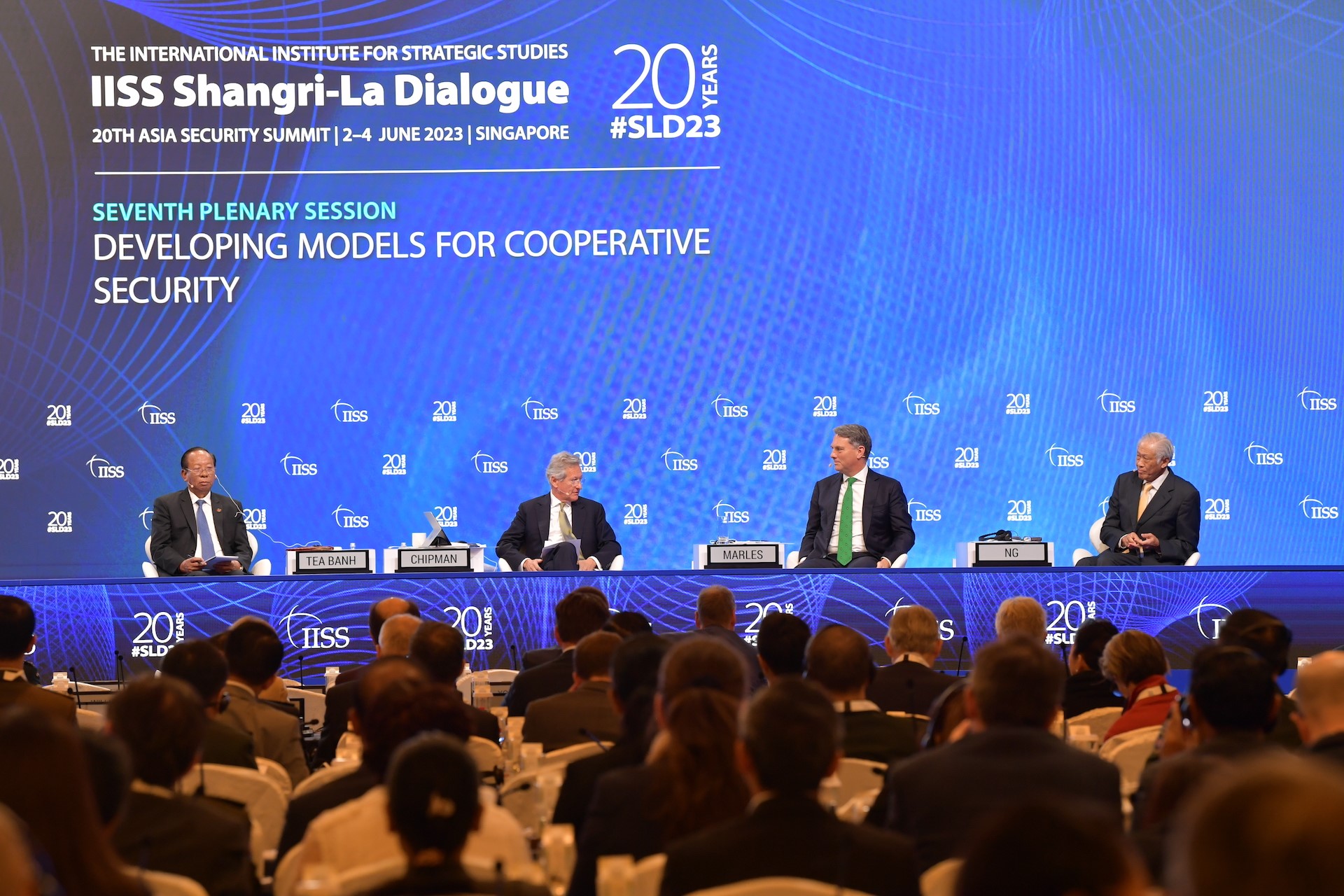
The 20th Shangri-La Dialogue, held from 2 to 4 Jun, saw ministers from around the world meet in Singapore to discuss key defence and security issues.