
TECHNOLOGY
From pushing boundaries to breaking records
06 Nov 2026
The RSAF’s A330 MRTT holds the record for being the first in the world to operationalise Automatic Air-to-Air Refuelling. Meet the team behind this feat.
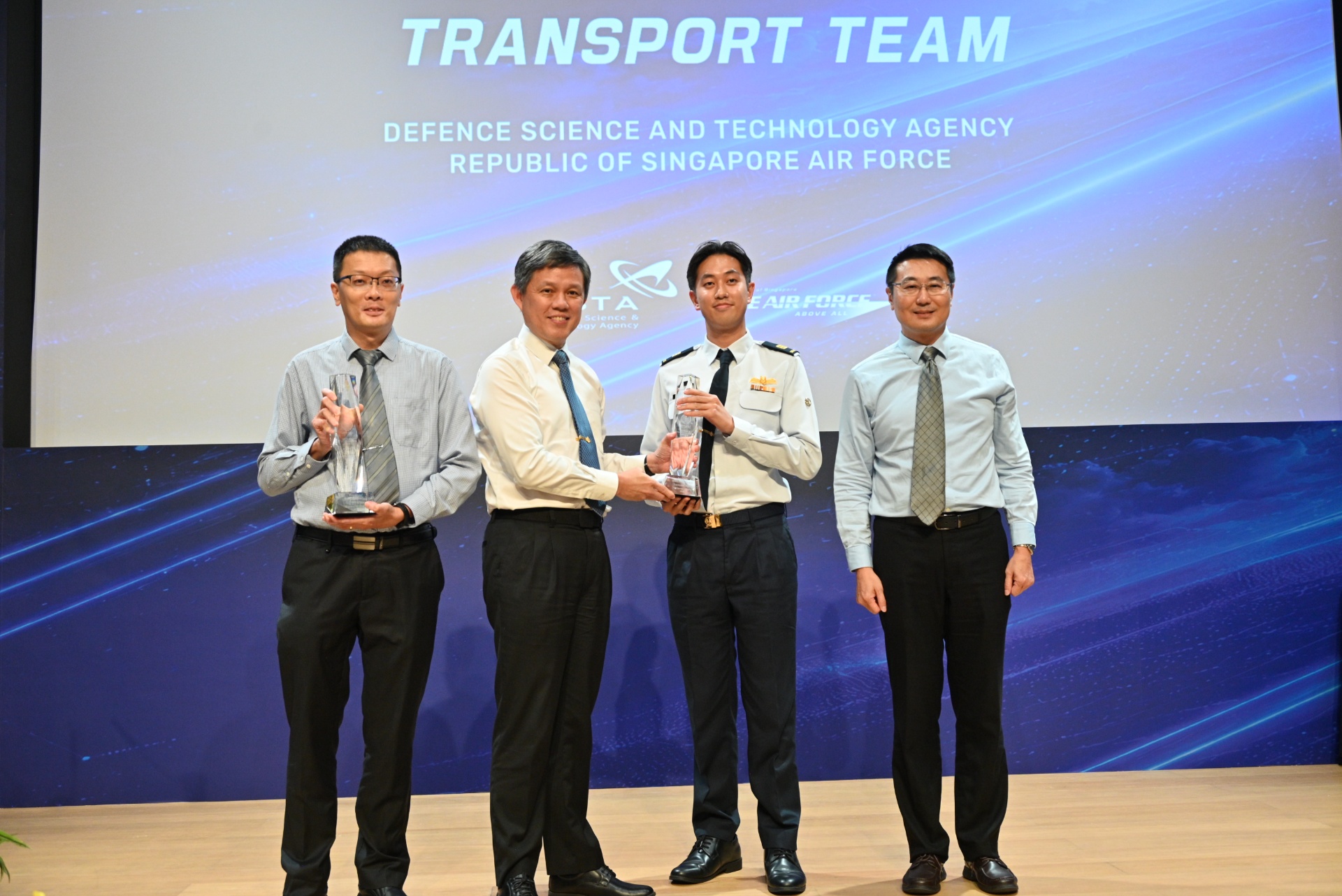
Did you know that the team behind the A330 Multi-Role Tanker Transport (MRTT) set a world record?
Comprising personnel from Defence Science and Technology Agency (DSTA) and Republic of Singapore Air Force (RSAF), they were the first to achieve full certification and operationalisation of Automatic Air-to-Air Refueling (A3R) with the aircraft, and to reduce its crew size from four personnel to three!
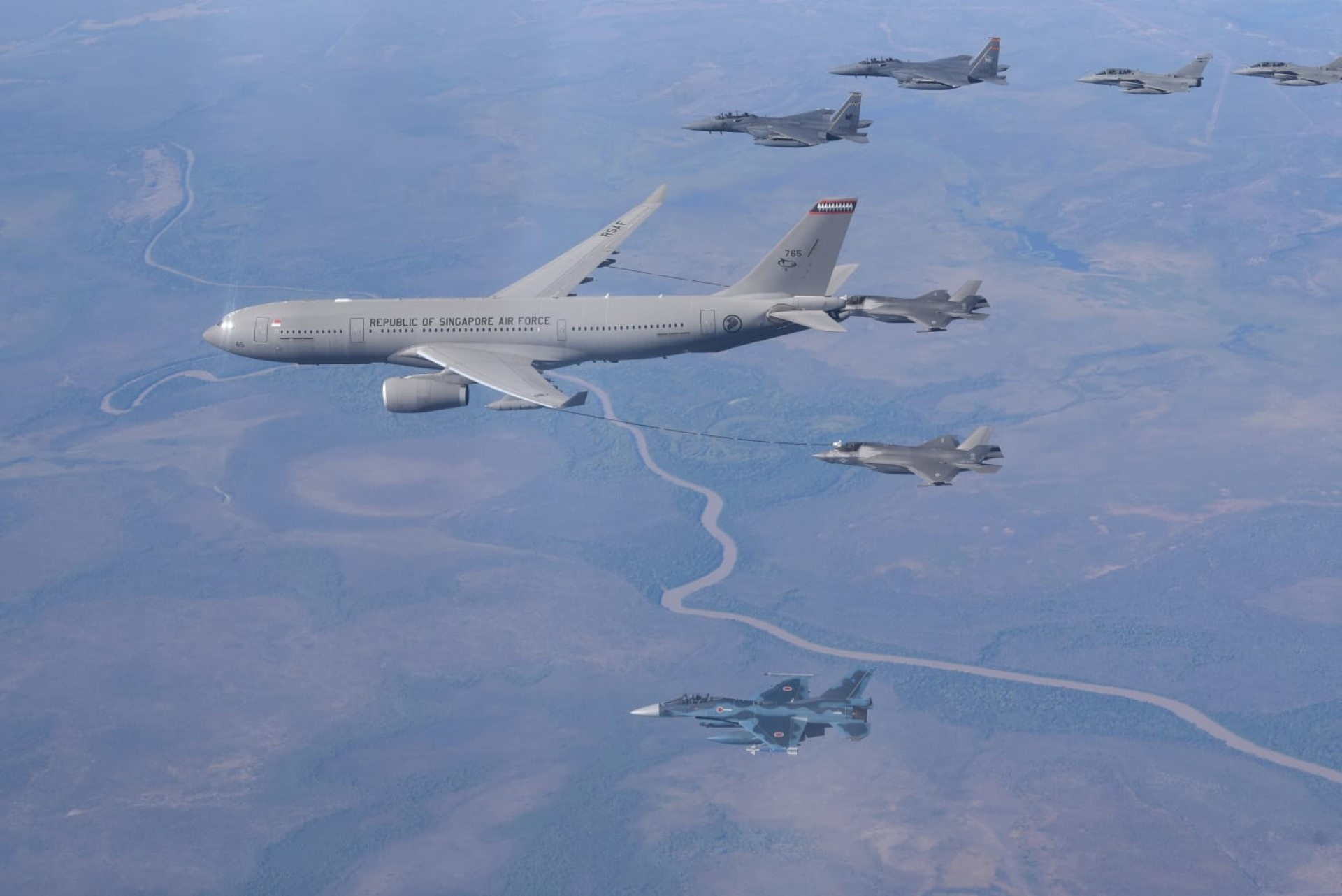
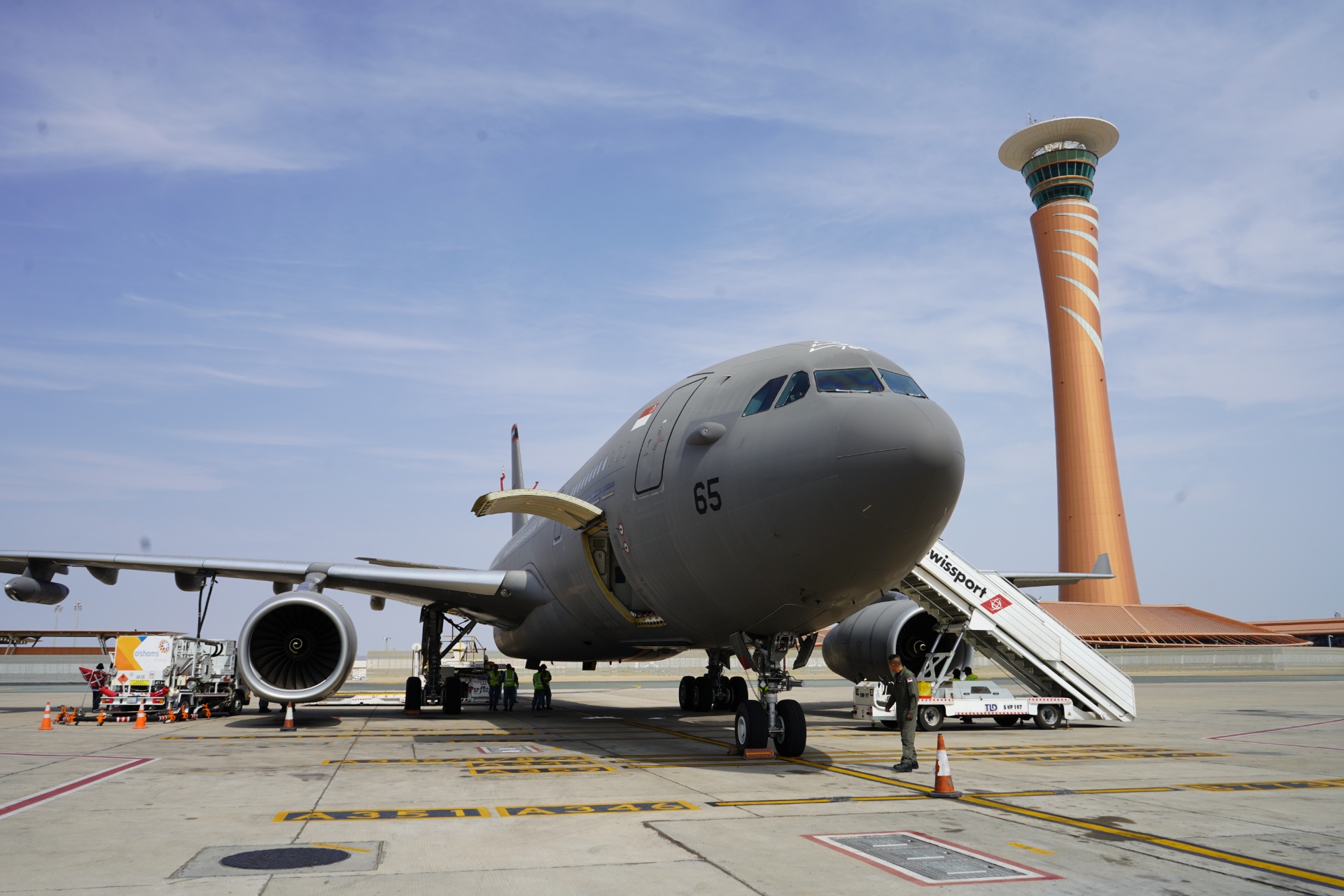
The MRTT was unveiled in 2018 and attained Full Operational Capability in 2021. It replaces the KC-135R Stratotanker, which was retired in 2019.
The transport tanker made headlines in March this year, when it was deployed to repatriate Singaporeans from Saudi Arabia, amid conflict in the Middle East.
Doing more with less
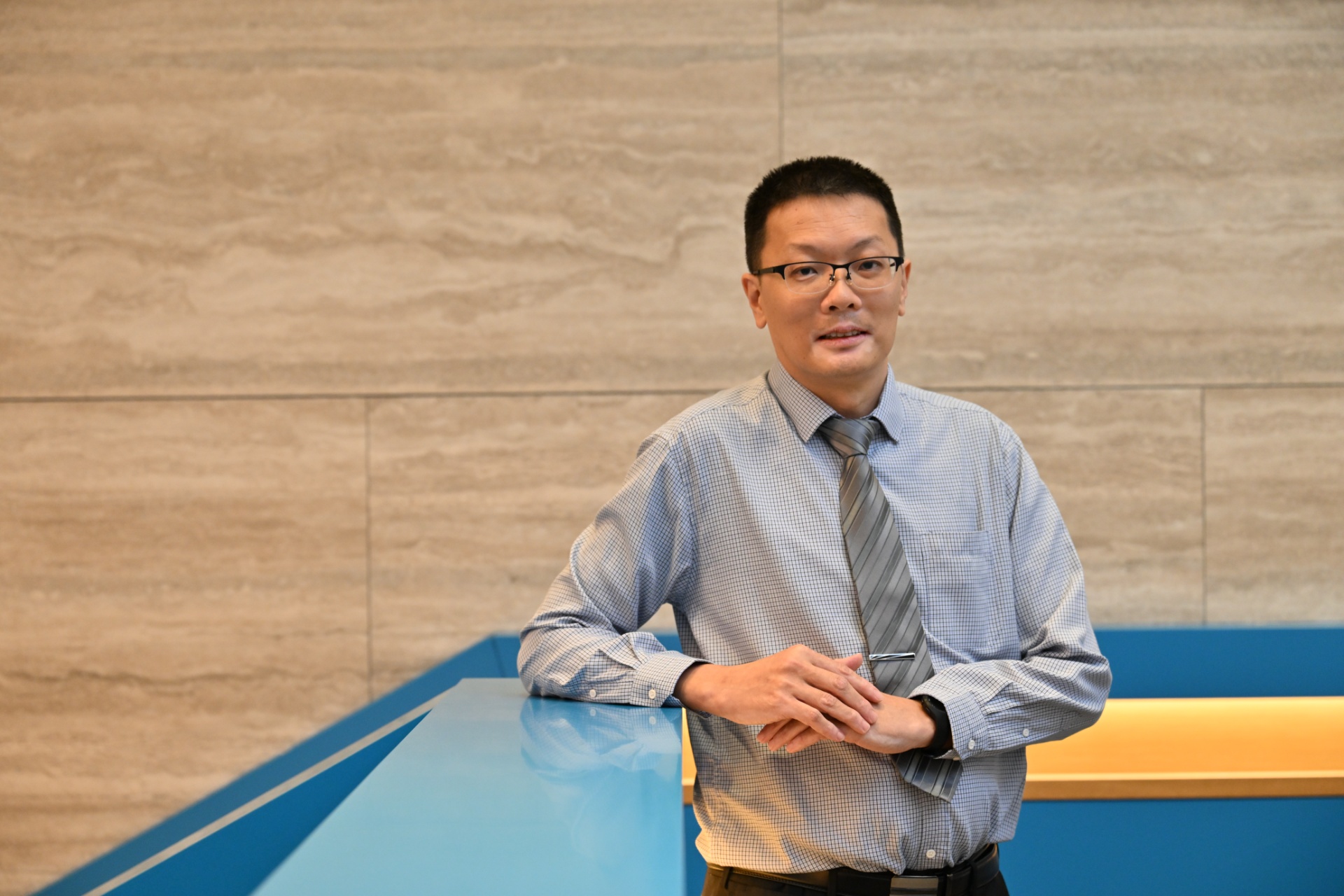
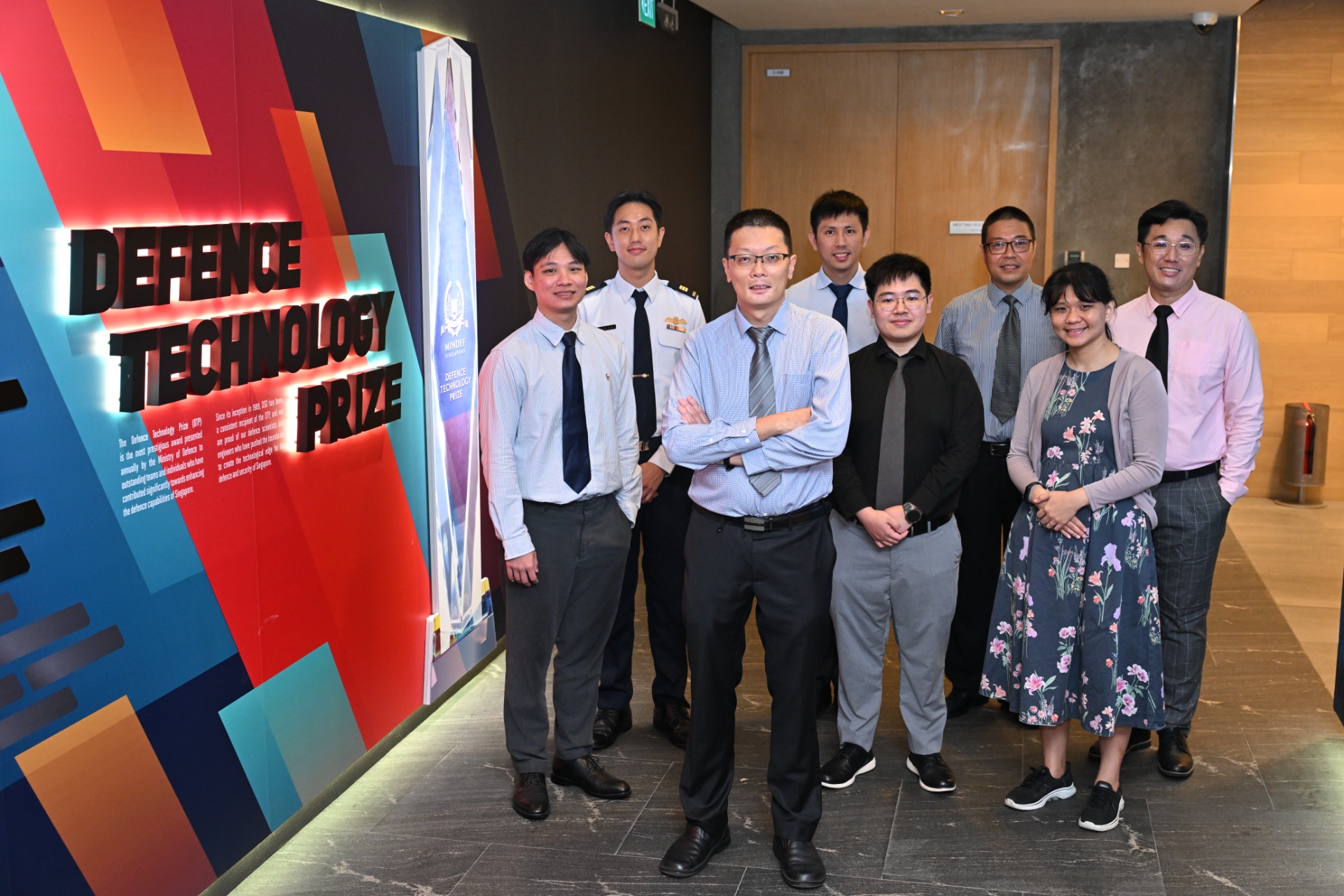
Pushing technological boundaries is part and parcel of the job for DSTA’s Mr Chut Zhen Biao.
The 49-year-old Senior Programme Manager at the Air Systems Programme Centre oversees all mission aircraft programmes.
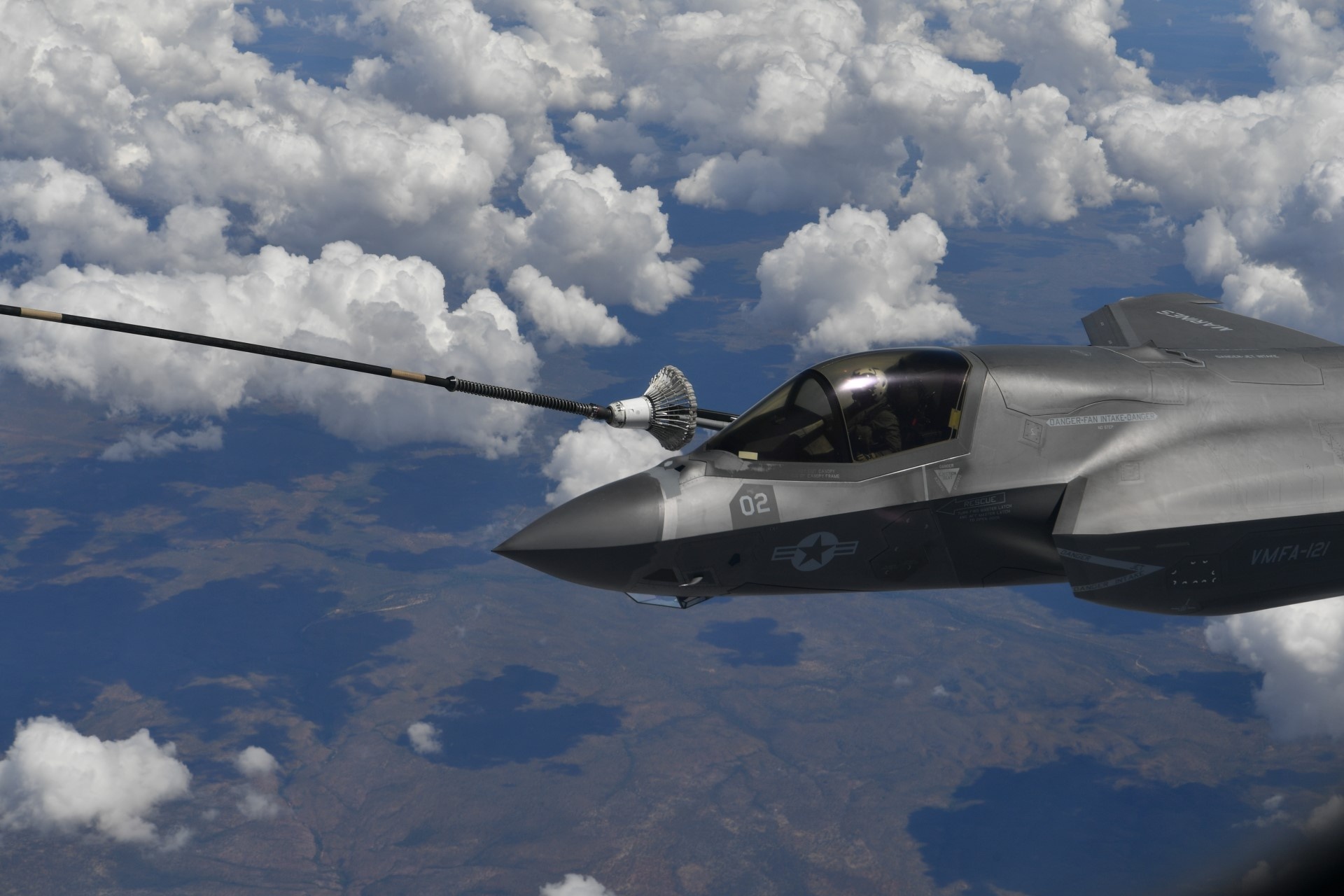
His team worked closely with the RSAF and Airbus to adapt the MRTT’s refuelling capabilities for A3R, and validate its compatibility across various receiver aircraft and operating conditions, including both day to night missions.
This enables the MRTT to use computer vision and aircraft sensors to automatically track receiver aircraft and control the refuelling boom, a task that was previously done manually. “Doing more with less is something we are always on the lookout for,” Mr Chut explained.
“The A3R helps to reduce workload and improve safety, as refuelling is typically a tiring and tedious process which demands a high level of focus on the Air Refuelling Operator.”
Overcoming complex challenges
This development was not without its engineering challenges.
Refuelling larger aircraft – such as other MRTTs – was more complex, and required the team to analyse flight data and refine algorithms.
The team also had to undergo over 200 hours of intensive flight tests within a tight timeline, conducting countless flights to make the necessary adjustments.
Following extensive testing, the MRTT was successfully qualified and certified to conduct A3R operations, making Singapore the first in the world to operationalise this capability.
Setting the standard worldwide
Beyond the A3R capability, the team also sought to optimise the aircraft’s manpower requirements.
While a standard MRTT requires a minimum four-man crew, DSTA and RSAF worked with Airbus on the possibility of reducing this to three.
Drawing on operational experience from the KC-135R, the team conducted a study to assess whether the workload could be redistributed safely and effectively.
“The MRTT comes with more advanced avionics and better human-machine interface interactions, so the inherent load on the crew is already lessened.
“That’s how we managed to redistribute the workload so that it can be done with a linear three-man crew,” said Mr Chut.
This frees up crew members to support other essential tasks during missions.
Subsequently, the three-person crew was adopted by MRTT operators worldwide.
Success through collaboration
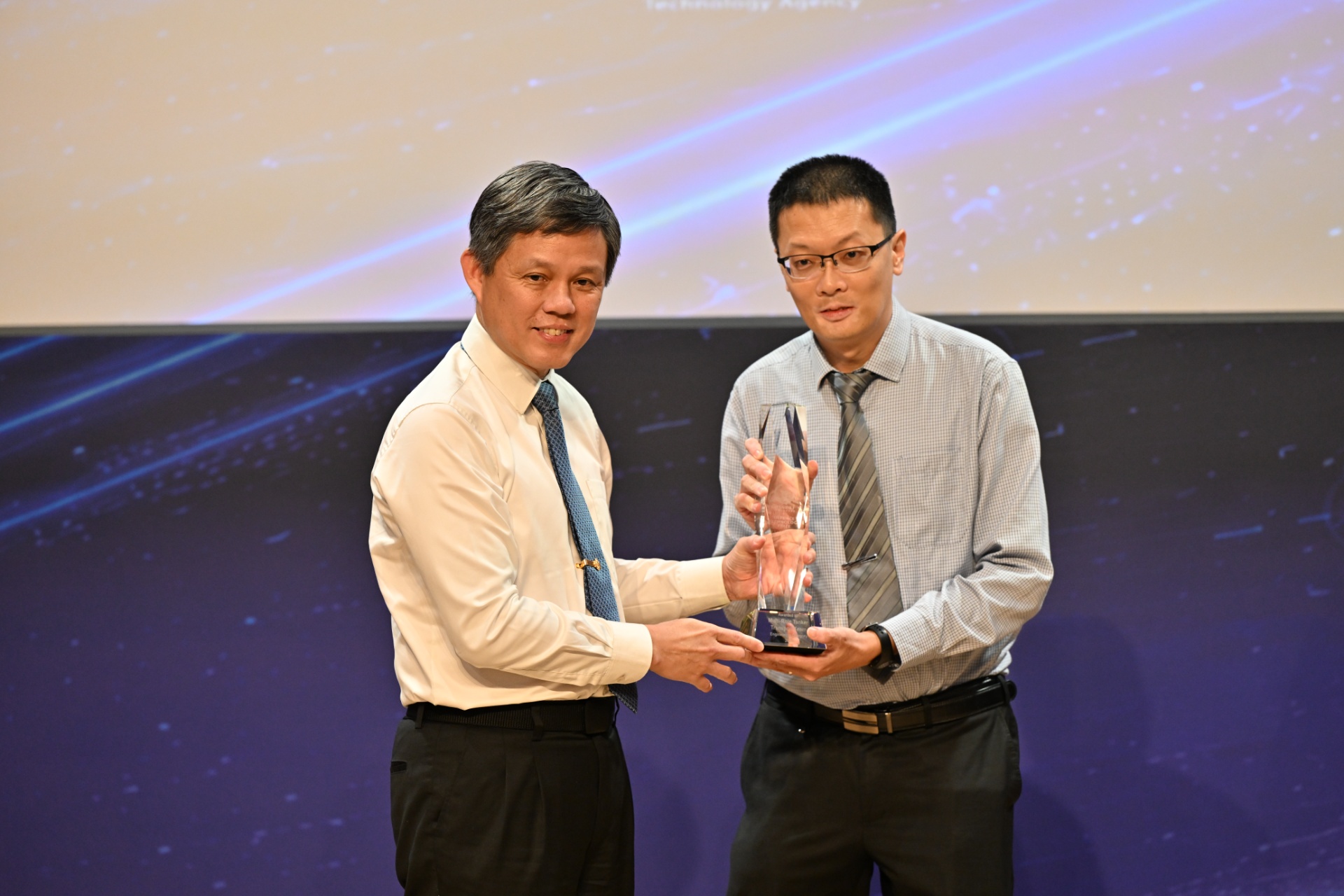
For their innovation and efforts, the MRTT team was awarded the Defence Technology Prize (DTP) 2026 Team (Engineering) Award.
For Mr Chut, the award is a recognition of the collaborative efforts of DSTA, RSAF and Airbus in overcoming complex engineering and operational challenges.
“It’s satisfying to see that something that we had pushed through to set up has become a reality, and to (be) the first to do it,” reflected Mr Chut.
Taking UAV capabilities to new heights
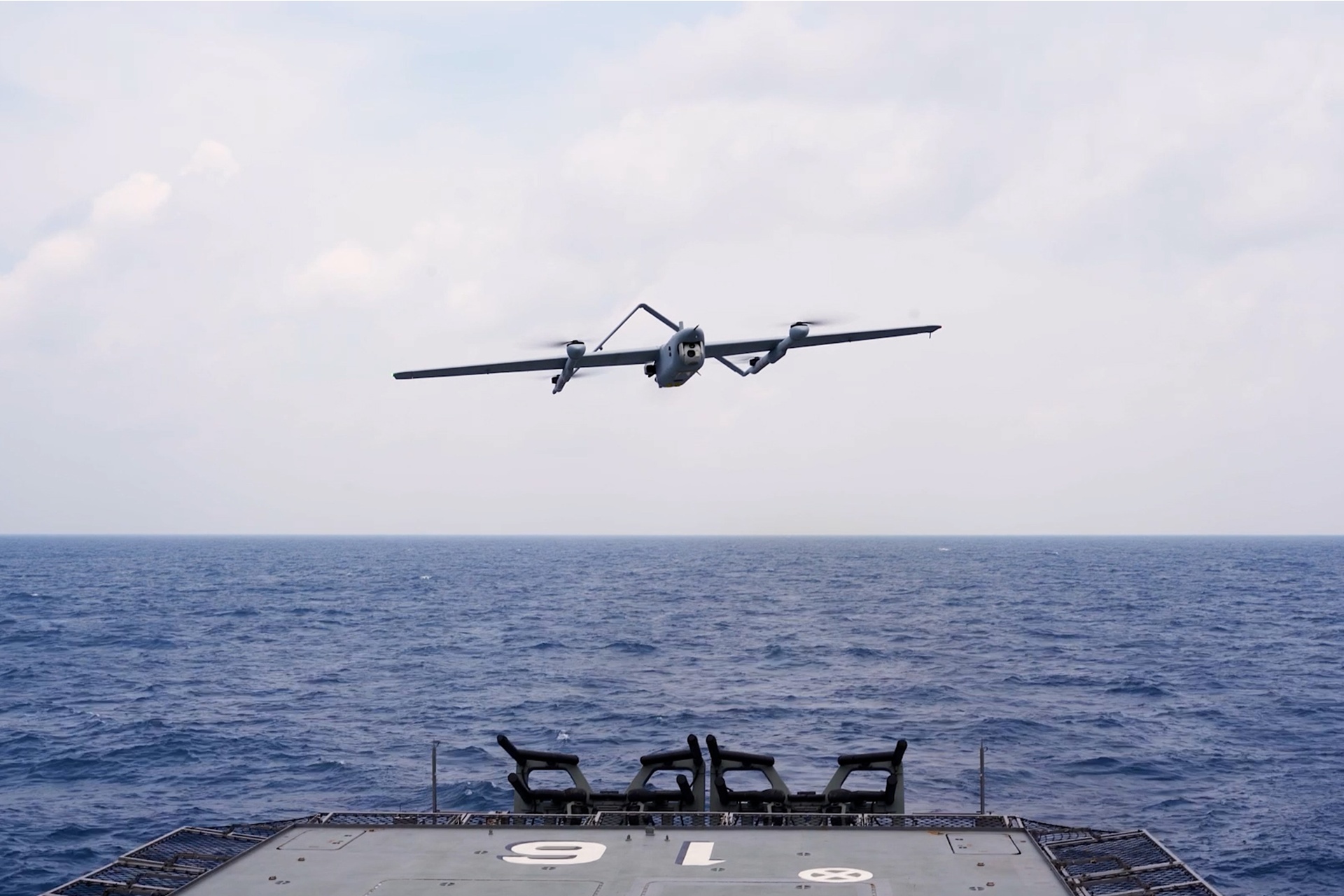
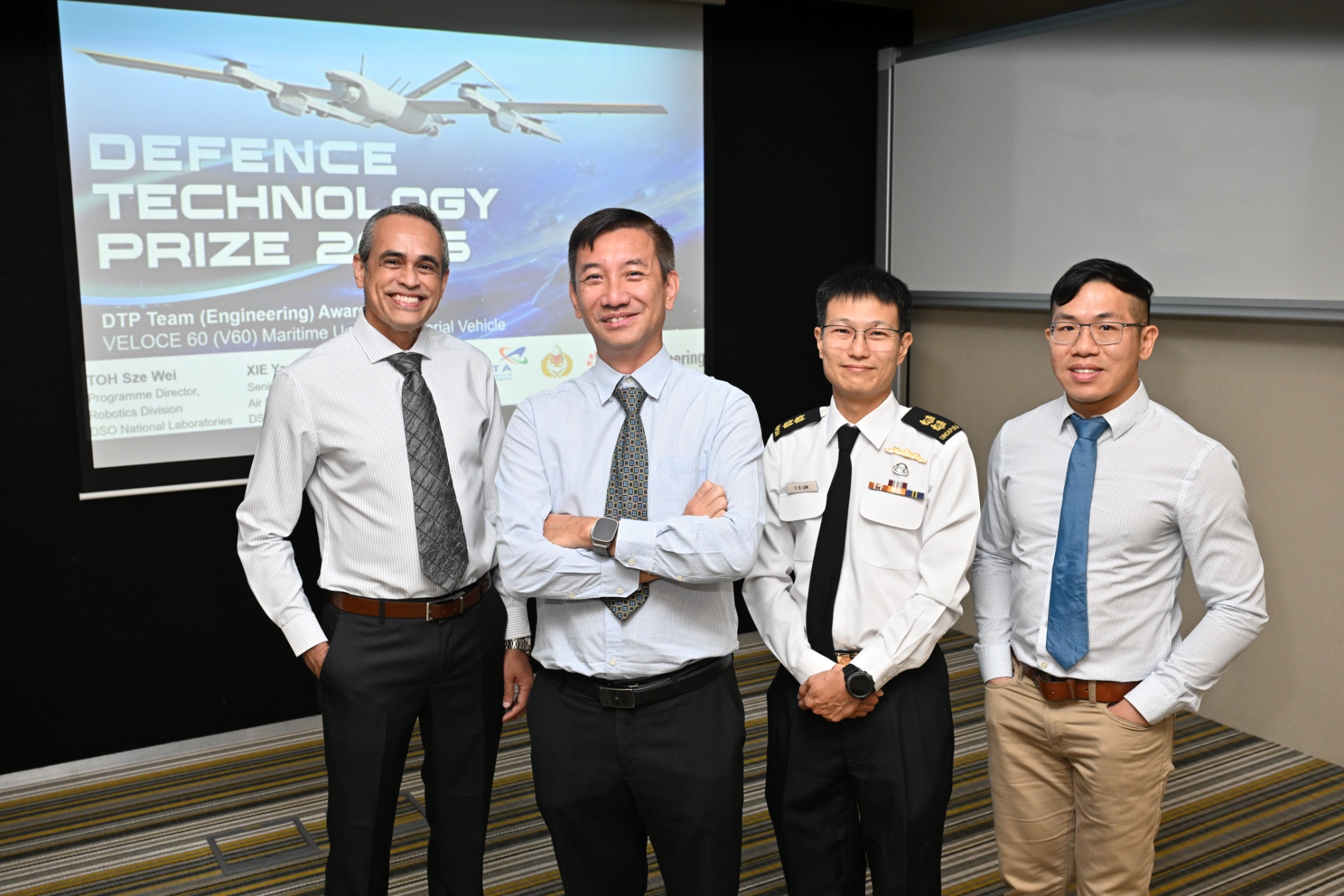
Another DTP 2026 Team (Engineering) Award winner was the Veloce 60 (V60) Unmanned Aerial Vehicle (UAV).
The V60 was designed specifically to meet the Republic of Singapore Navy’s (RSN’s) operating needs, with DSO National Laboratories, DSTA, RSN and ST Engineering working together to deliver the UAV.
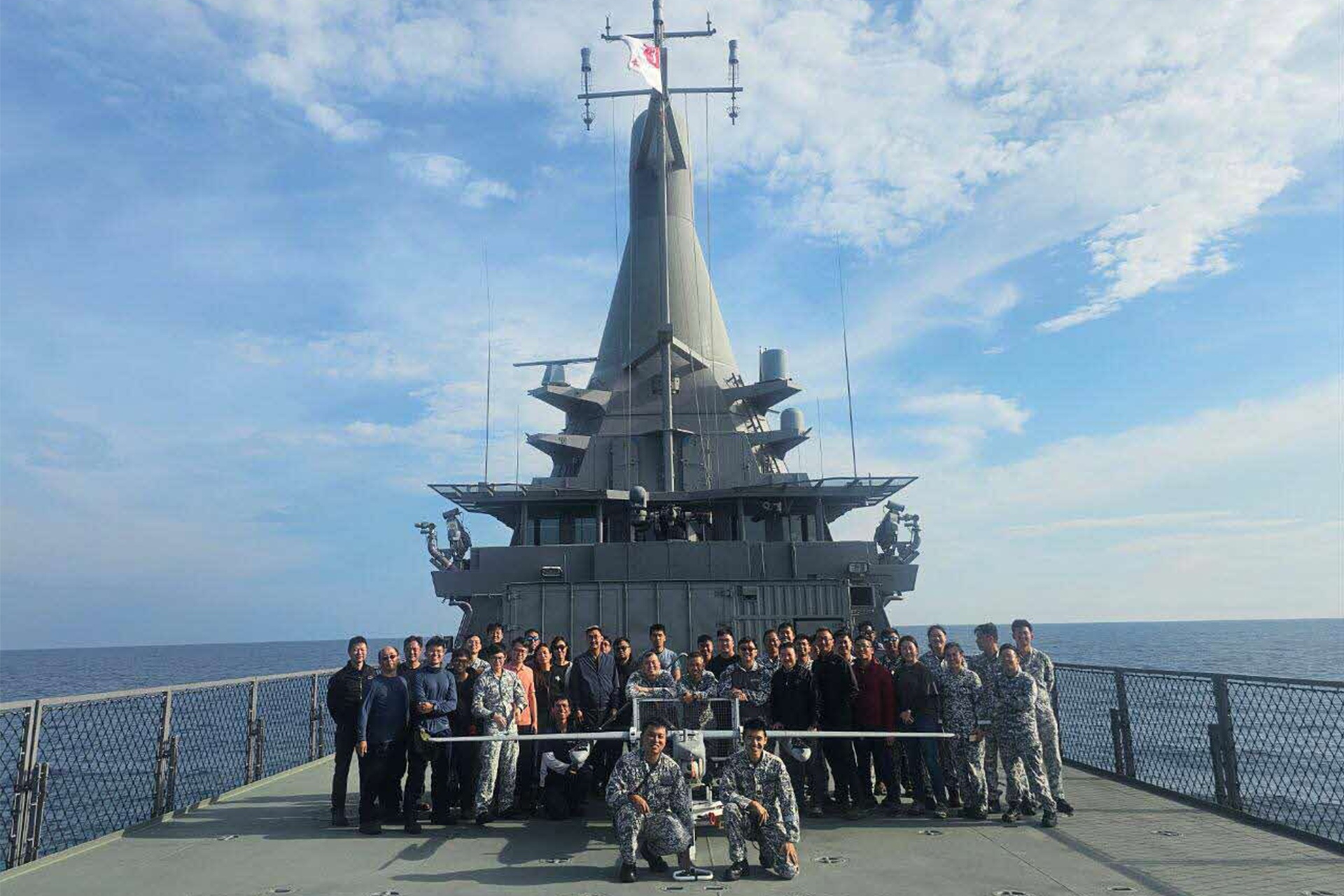
One of the biggest challenges was enabling the V60 to land autonomously on a moving ship like the Littoral Mission Vessel (LMV), particularly in a challenging maritime environment that saw strong winds, waves, ship turbulence, humidity and salinity.
To overcome this, the team implemented a suite of software and sensors.
Automation software reduced manning requirements and the cognitive load of operators so that the UAV could be deployed quickly.
Meanwhile, multiple sensors fused information to enable the UAV to locate the ship accurately and land on target.
Coming to fruition
Seeing the V60 deploy successfully from the LMV was a milestone years in the making, said DSO Robotics Division Programme Director Toh Sze Wei and DSTA Air Systems Programme Centre Senior Programme Manager Xie Yao Yu.
Mr Toh recalled the successful conduct of the moving deck trial, where the V60 demonstrated its ability to take off from a moving platform of up to 25 knots.
“It was very tense before the trial because we weren’t sure whether we could get it (right) on the first try. When we finally did it, it was a sigh of relief (for the team),” he recounted.
The 52-year-old led the development and design of the V60, which combines vertical takeoff and landing capabilities with the efficiency of a fixed-wing flights to suit the RSN’s maritime and operating needs.
Bringing the V60 onboard
For Mr Xie, the biggest challenge was the limited space on board the LMV.
DSTA, which led the integration and testing of the V60 on the LMV, had to work around the ship’s numerous sophisticated systems and introduce the new unmanned capability without disrupting its existing hardware.
“Previously, we needed a launch and recovery system on the ship’s deck, which took up a lot of space and time for deployment operations,” the 42-year-old explained.
With the V60’s hybrid fixed-wing flight and vertical takeoff and landing capabilities, they could do away with these requirements.
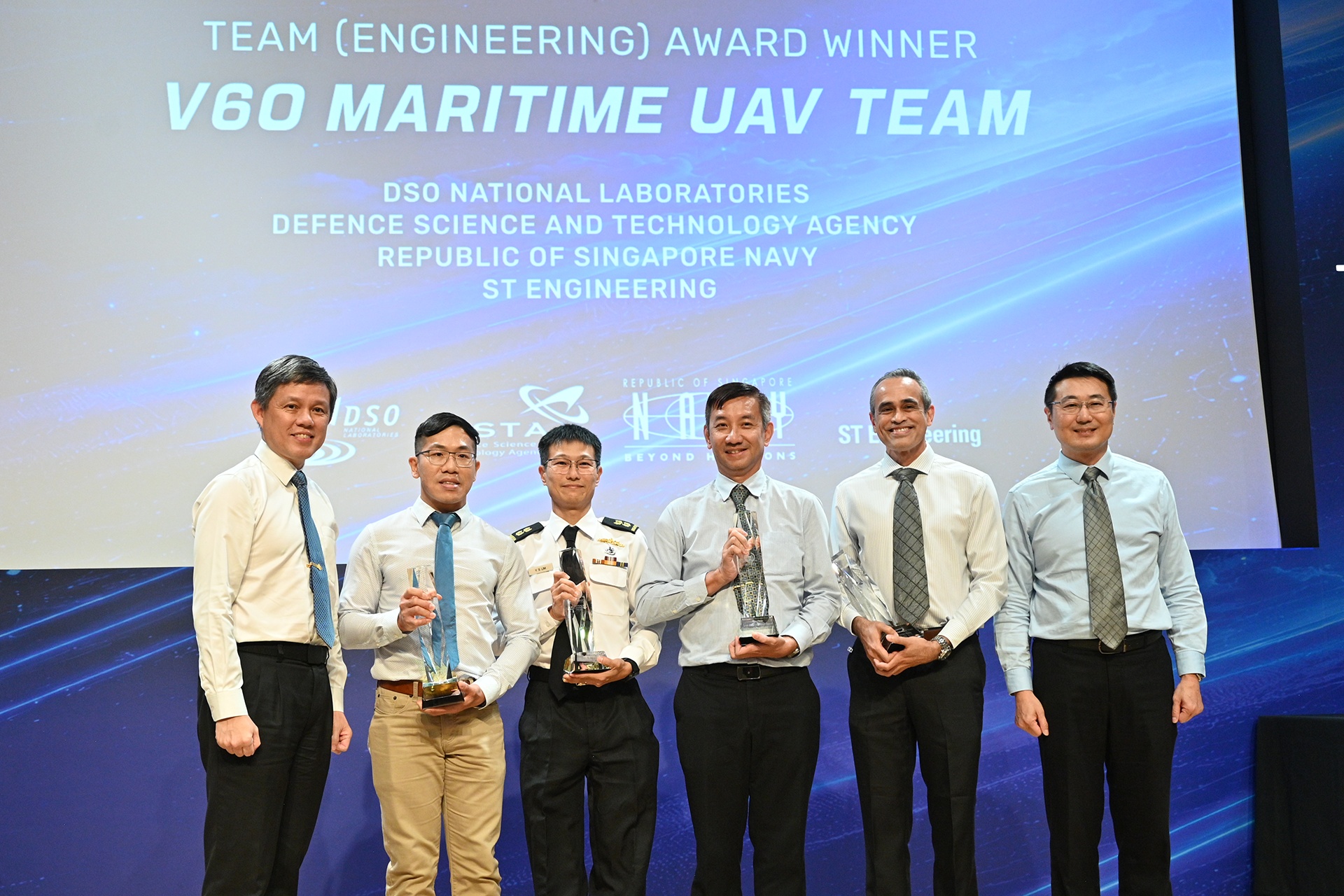
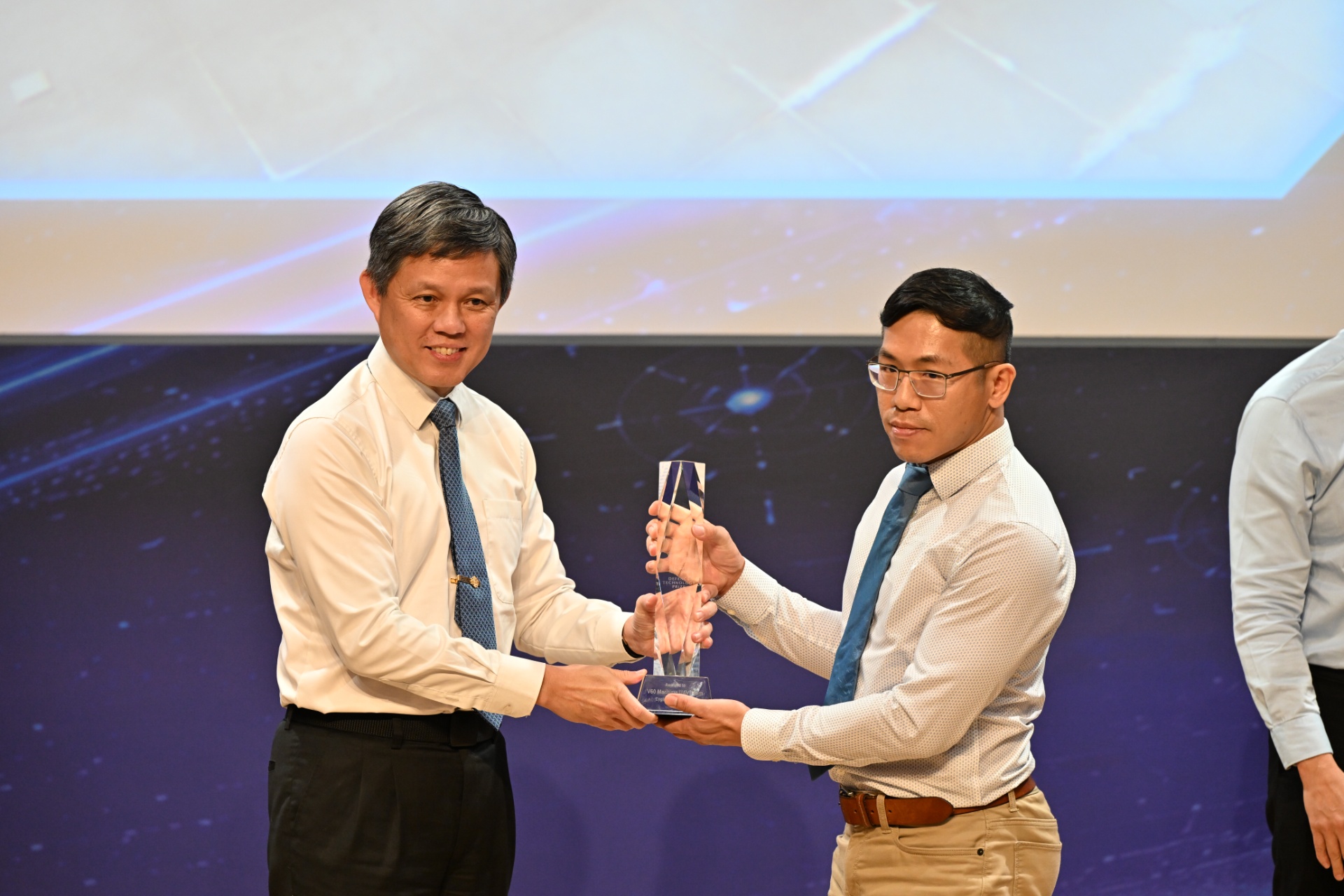
Receiving the Team (Engineering) Award at the DTP 2026 ceremony is a recognition of the team’s effort and sacrifices, said Mr Toh.
The team conducted extensive flight trials overseas in countries like South Africa to test the V60 over larger areas and in different operating environments.
This meant months away from home throughout the project’s four-year development, which started in 2020.
The award has also encouraged him to persevere in his work on the V60:
“After introducing a new capability to the Navy, in the future, we hope to introduce more missions and capabilities for this class of UAV to take up!”

ALSO READ IN TECHNOLOGY
Locked & Loaded: SAF Shooting Contingent weapons
26 Nov 2025
AI joins the fight in national cyber defence exercise
12 Nov 2025
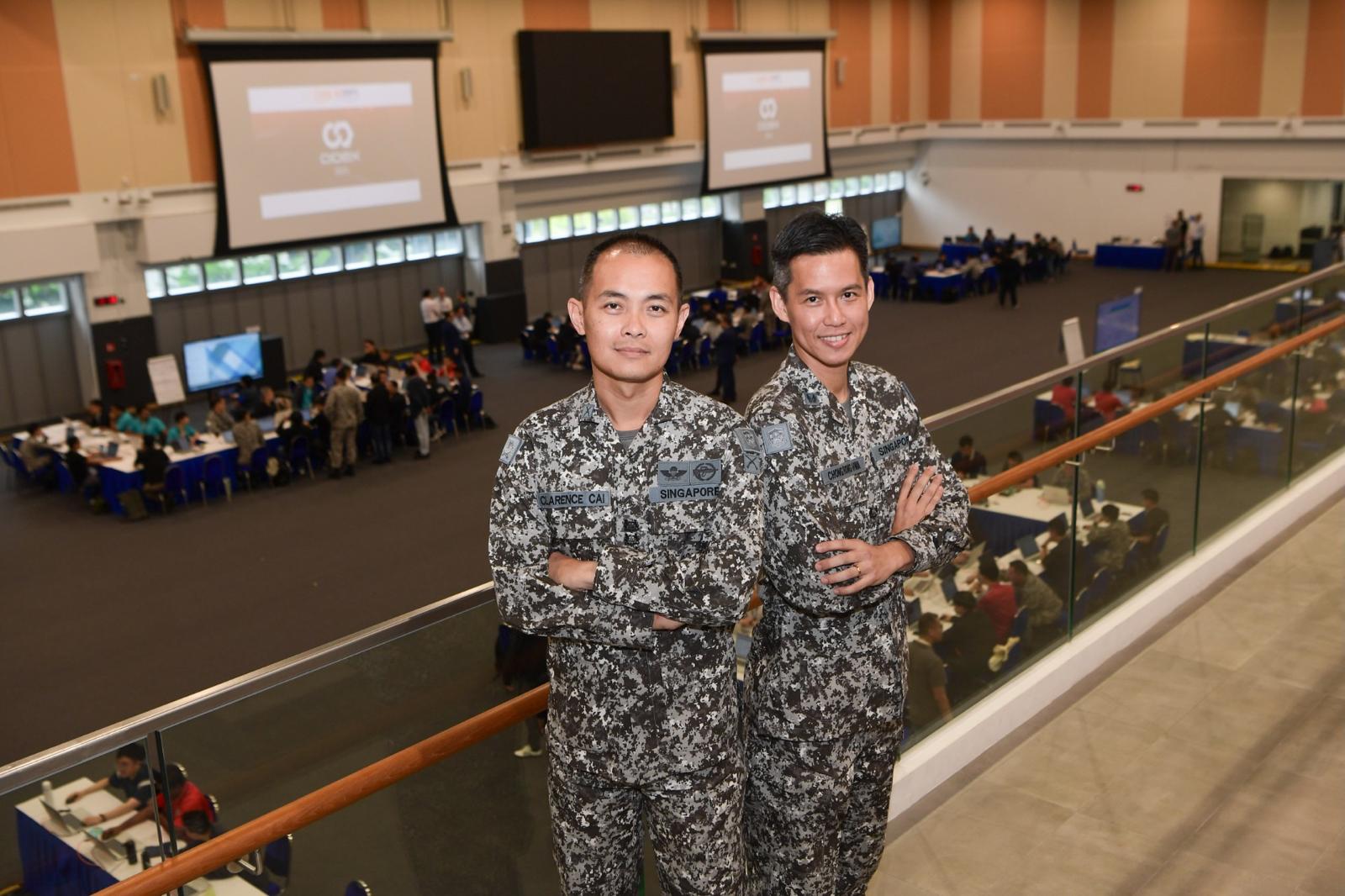
AI and closer collaboration among agencies and industry are taking centre stage in this year’s Critical Infrastructure Defence Exercise (CIDeX).
They built this city
01 Oct 2025
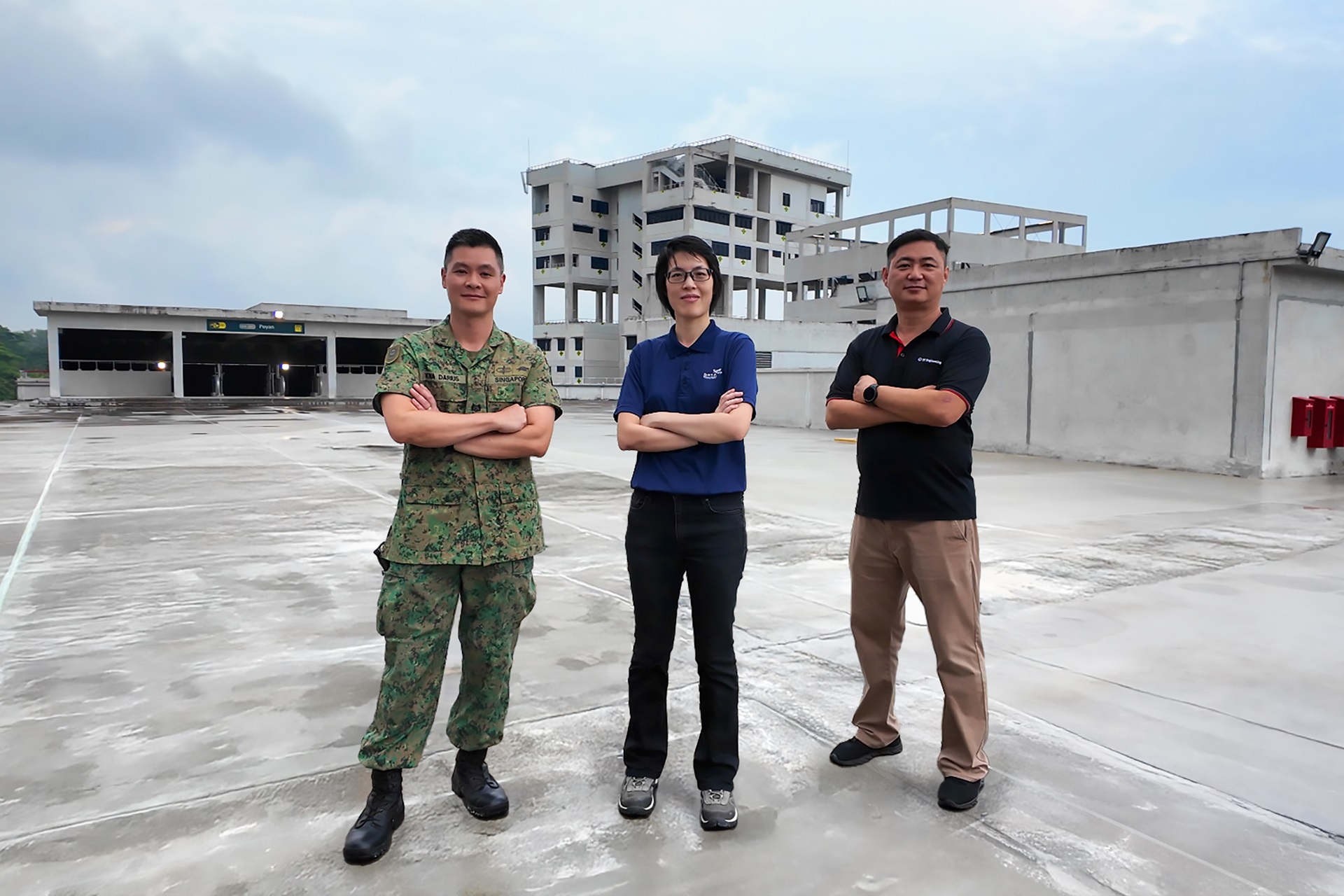
Turning vision to reality: the team behind SAFTI City clinches the Defence Technology Prize 2025 Team (Engineering) Award!