
TECHNOLOGY
Innovative solutions to strengthen efficiency & safety in MINDEF/SAF
16 Jul 2026
“How can we do this better?” This question was at the heart of the award-winning projects recognised at IGNITE Innovation Symposium 2026.
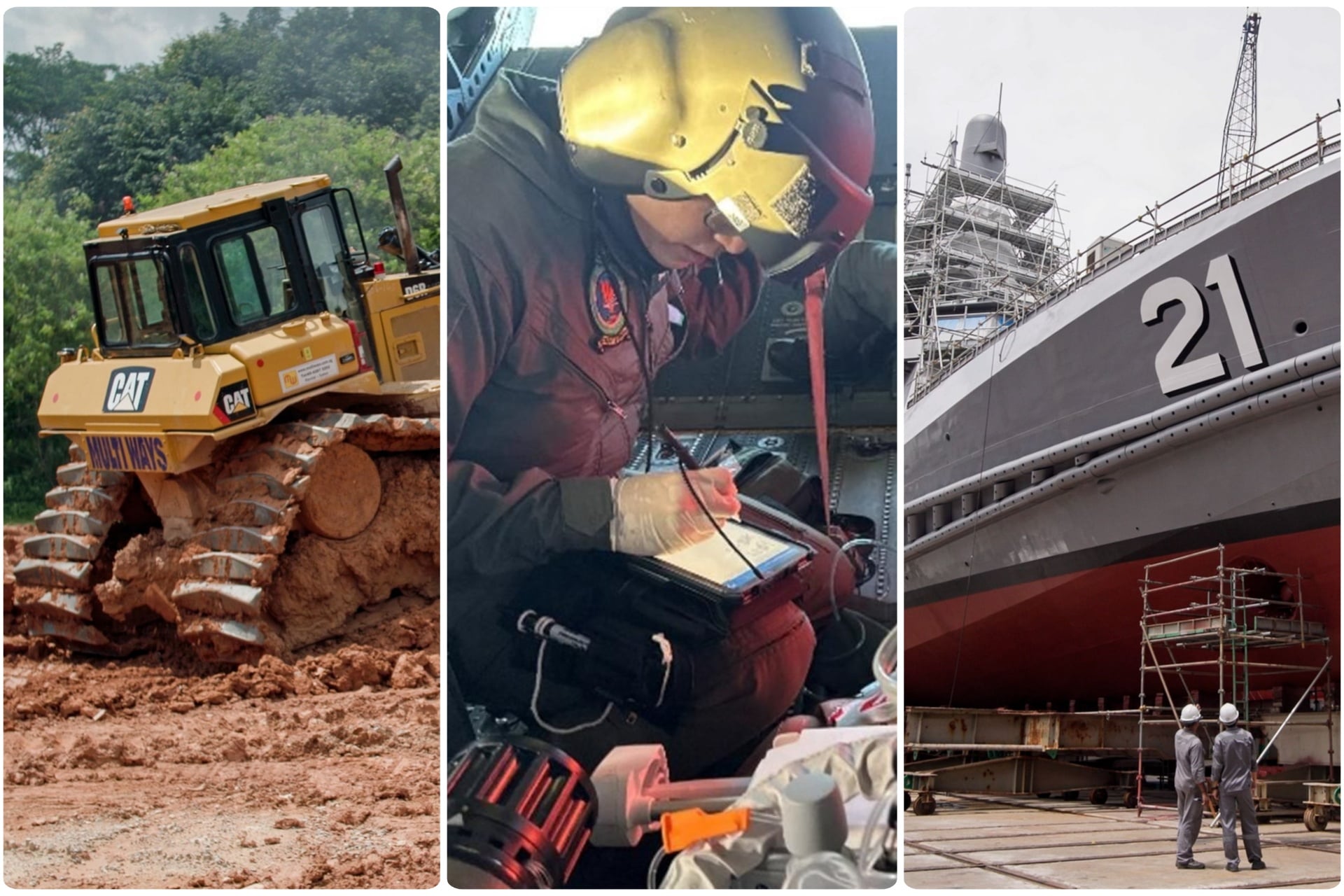
A device that monitors a heavy vehicle’s tilt on uneven terrain. An in-flight toolkit that can help chart a patient’s vital signs during medical evacuations on board a helicopter. The ability to conduct vessel inspections remotely across shipyards.
These and more were among the many innovations recognised at this year’s IGNITE Innovation Symposium.
Held on 16 Jul at the new Central Manpower Base, the annual event celebrated the efforts of 139 individuals, teams and units within the Ministry of Defence (MINDEF) and Singapore Armed Forces (SAF) for their efforts in innovation and improving efficiency and safety.
Here’s a look at three award-winning projects!
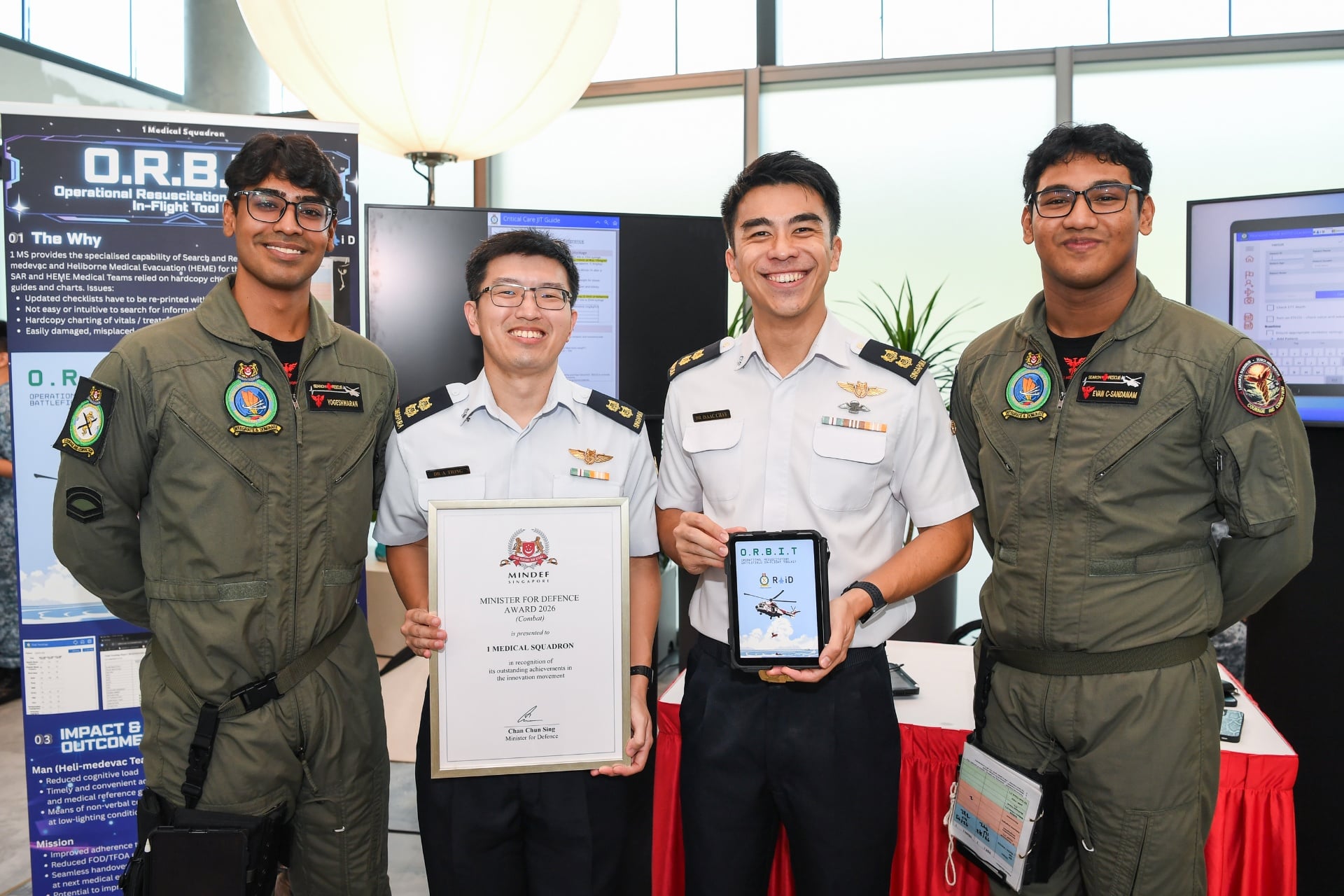
O.R.B.I.T by the RSAF’s 1 Medical Squadron (1 MS)
What it is: O.R.B.I.T (Operational Resuscitation & Battlefield In-Flight Tool Kit) is an iPad application (app) that integrates medical references and clinical charting onto a single digital platform.
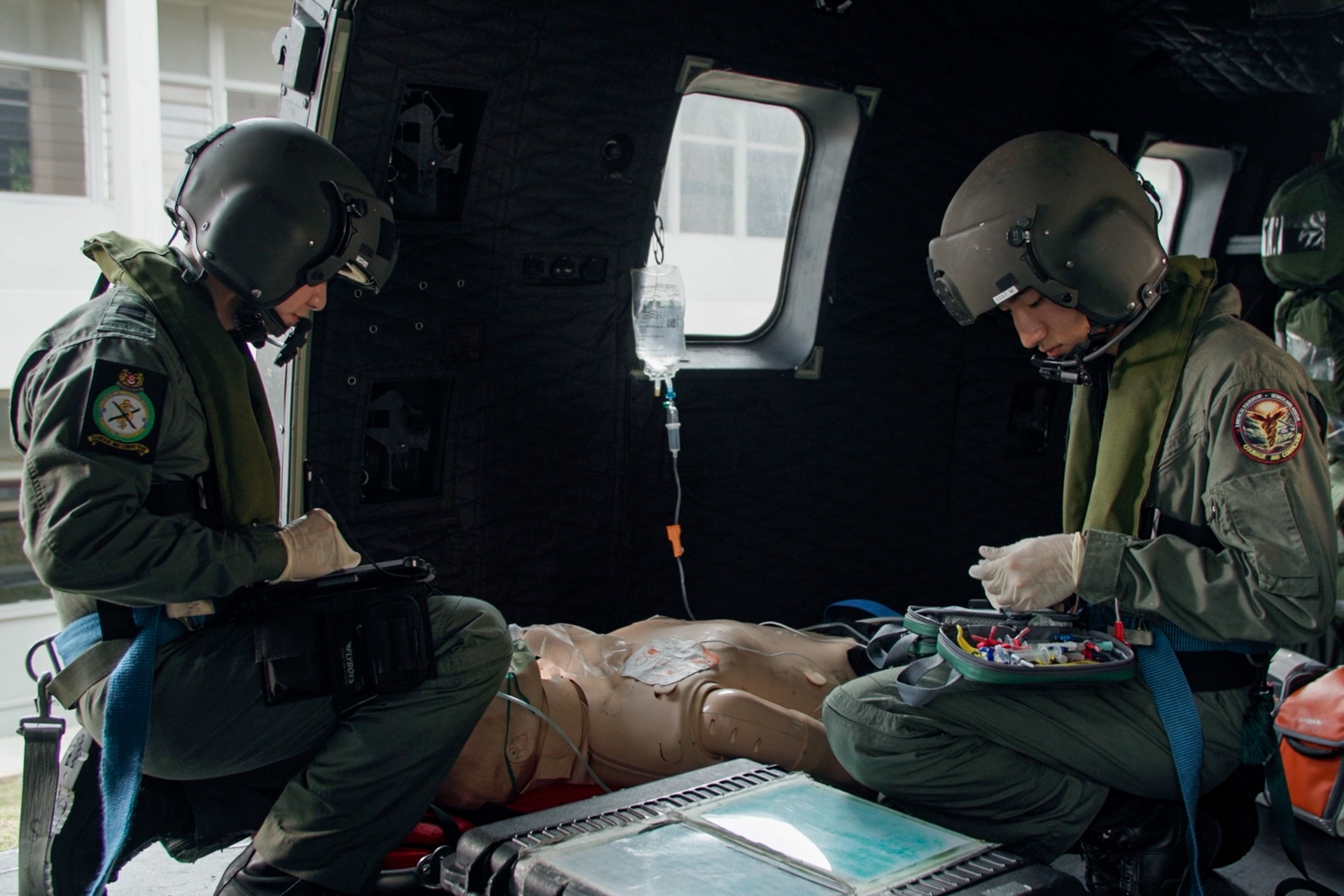
How does it help: Before O.R.B.I.T, the Republic of Singapore Air Force’s (RSAF’s) medical crew relied on hardcopy checklists, medical guides and casualty charts to provide in-flight care during helicopter medical evacuation (heli-medevac) missions.
Working in a moving aircraft, often under low-visibility conditions, made these paper-based processes not only cumbersome, but also a potential safety risk as loose items could cause foreign object damage.
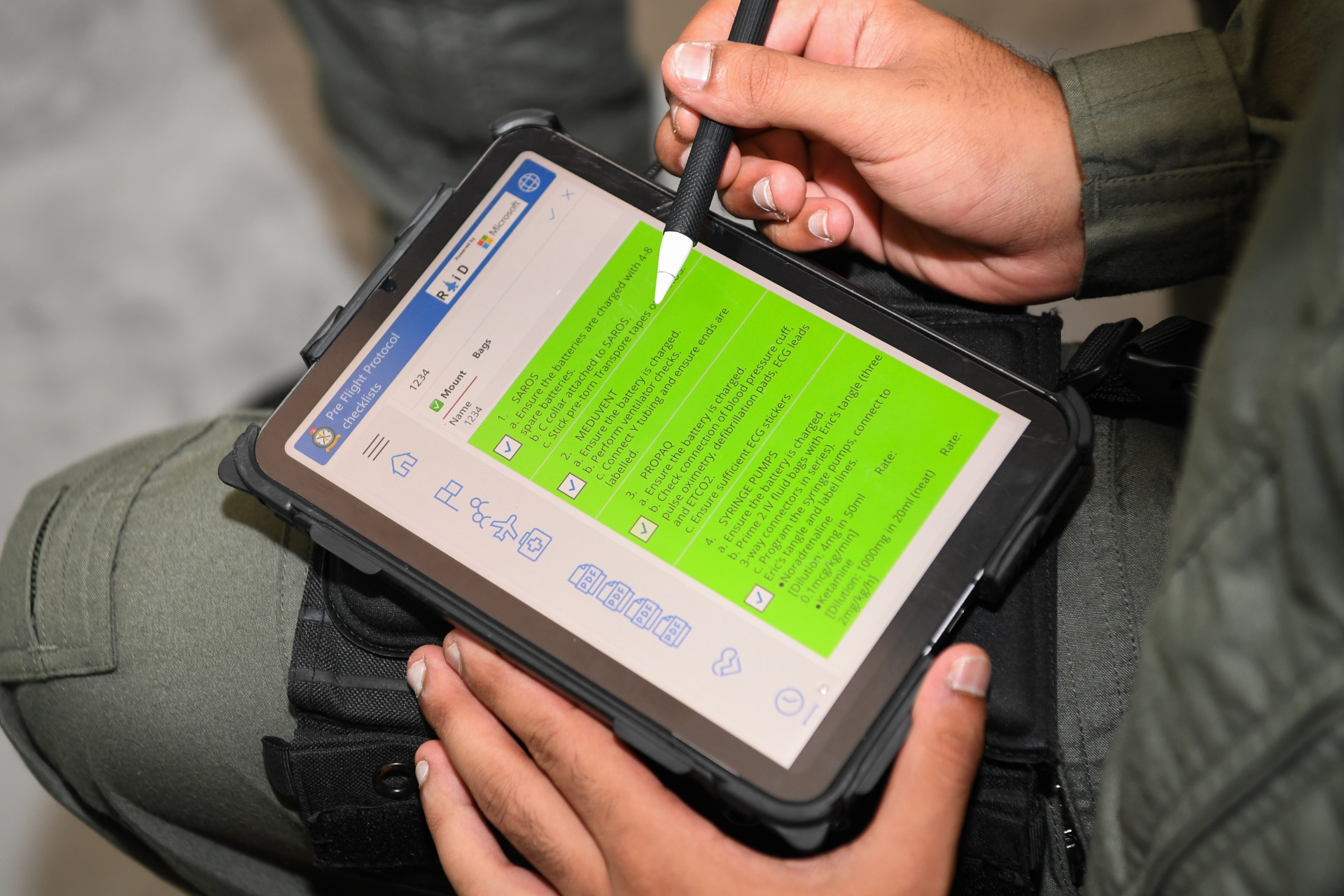
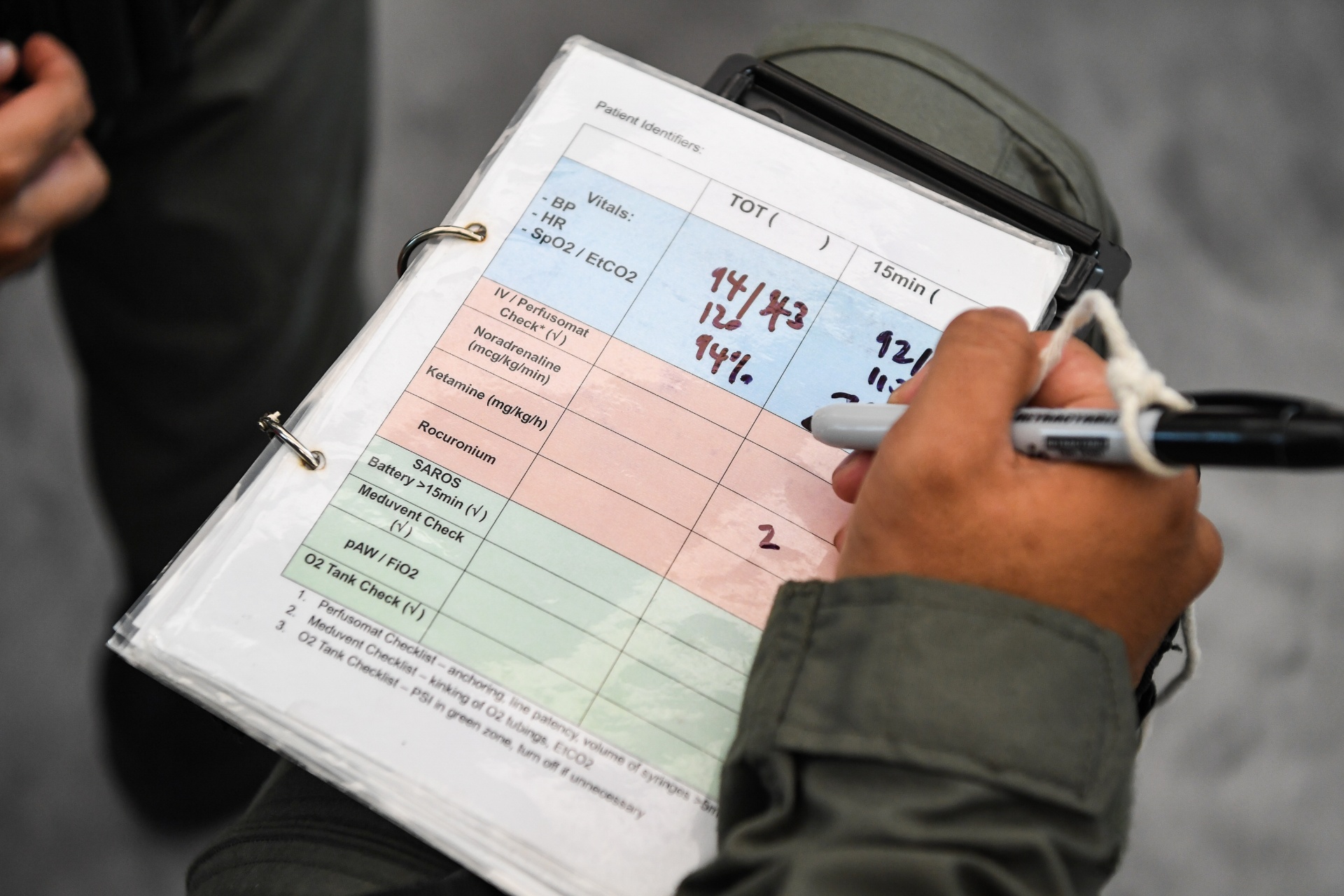
Now, with O.R.B.I.T, medical crew can easily access features such as an interactive checklist, medical guides and handwriting-to-text documentation; as well as generate automated summary reports that can be sent to hospital staff when handing over the patient.
Built in just six months, the app frees up medical personnel to focus on patient care while supporting faster and more accurate decision-making in a high-pressure environment during heli-medevac missions.
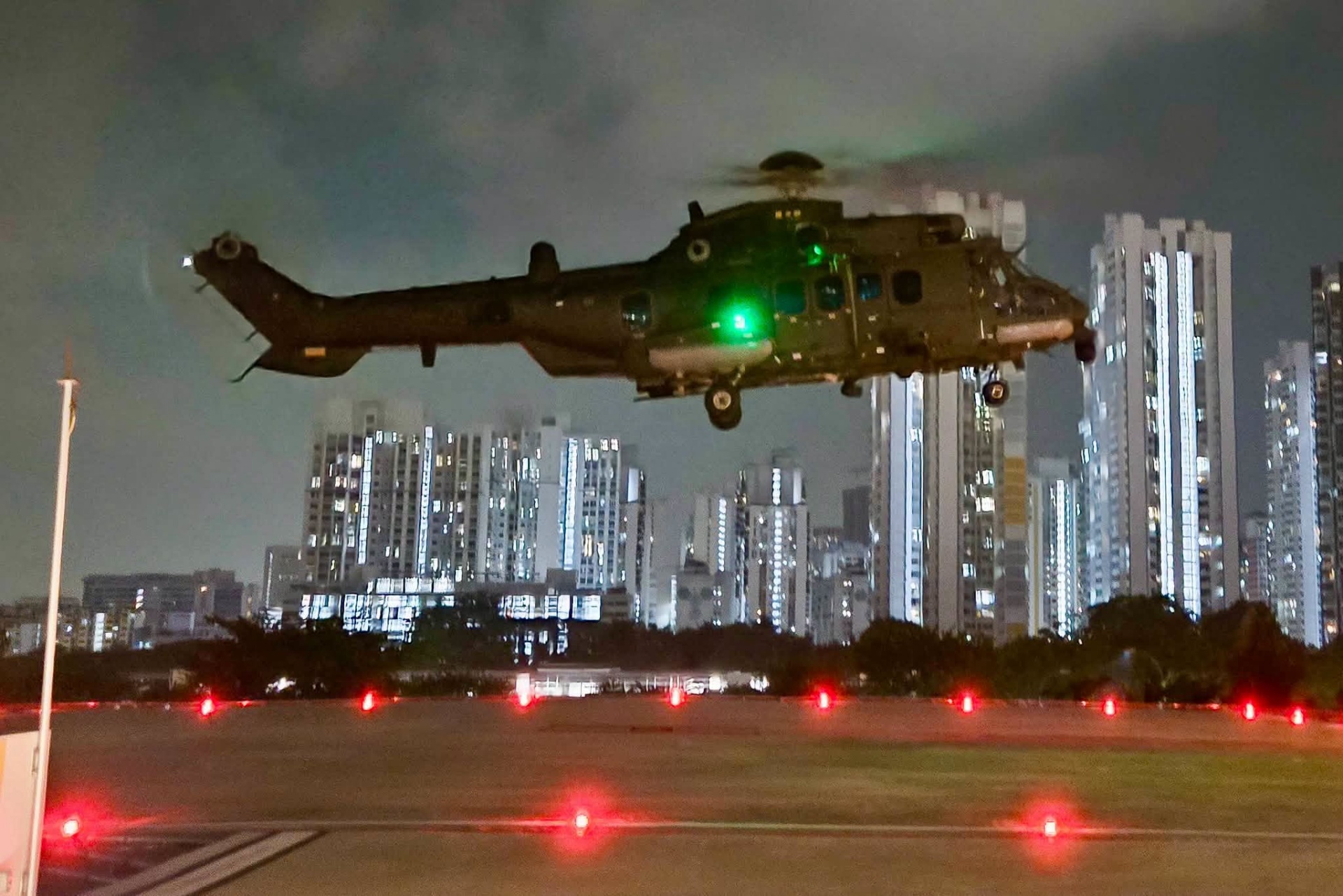
For Commanding Officer (CO) of 1 MS, Lieutenant Colonel (LTC) (Dr) Aaron Tiong Boon Kee, the successful development and deployment of O.R.B.I.T highlights the squadron’s commitment to innovation.
As the squadron is manpower-lean, with a majority of personnel comprising Full time National Serviceman (NSF) medical officers and medics, LTC (Dr) Tiong noted that “innovation becomes a necessity for us to continue doing more with less”.
“O.R.B.I.T was conceptualised by our NSF medical officers and medics (during) Exercise Wallaby 2025,” said the 34-year-old.
“(Winning the Minister for Defence Award) is testament to the strong culture of innovation that previous generations of 1 MS teams have imbibed in the squadron.”
What’s next: The squadron is not resting on its laurels, making a second version of O.R.B.I.T that incorporates more features such as photo documentation of injuries as well as communication and synchronisation of data between different iPads.

Programmable Inclinometer Warning System by 30th Battalion, Singapore Combat Engineers (30 SCE)
What it is: The Programmable Inclinometer monitors the tilt of heavy plant vehicles used in earthmoving and construction, using real-time audio and visual alerts to help operators and their ground guides monitor the vehicle’s stability.
How does it help: Previously, the 30 SCE crew used analogue inclinometers and had to keep a close watch on the vehicle’s tilt to assess its stability on uneven terrain.
For safety, ground guides had to stand at least 3m from the vehicle, which limited their line of sight, especially during night operations.
With the Programmable Inclinometer, real-time audio and visual alerts eliminate the need for constant visual monitoring. This enhances the situational awareness of both operators and ground guides, strengthening operational safety.
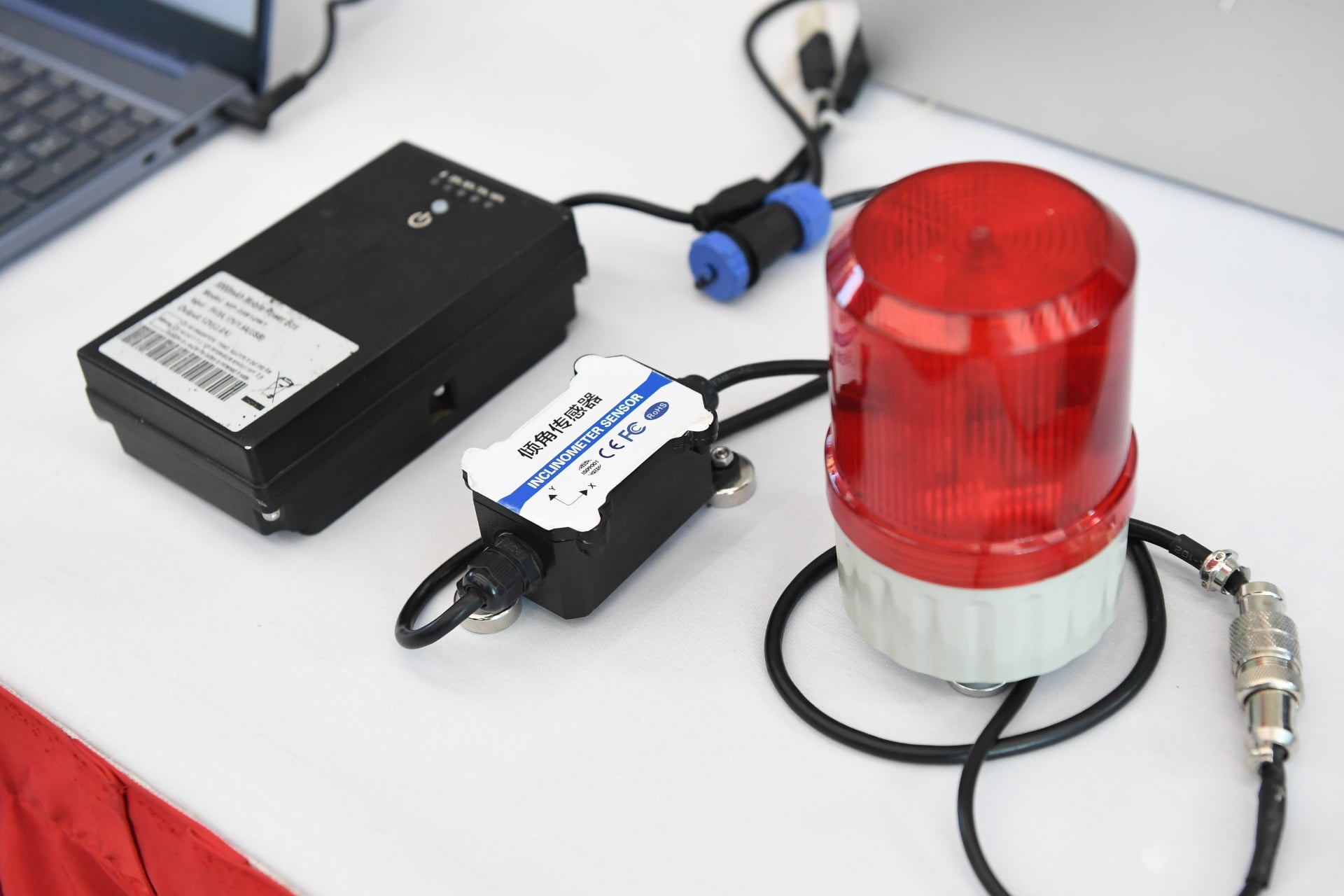
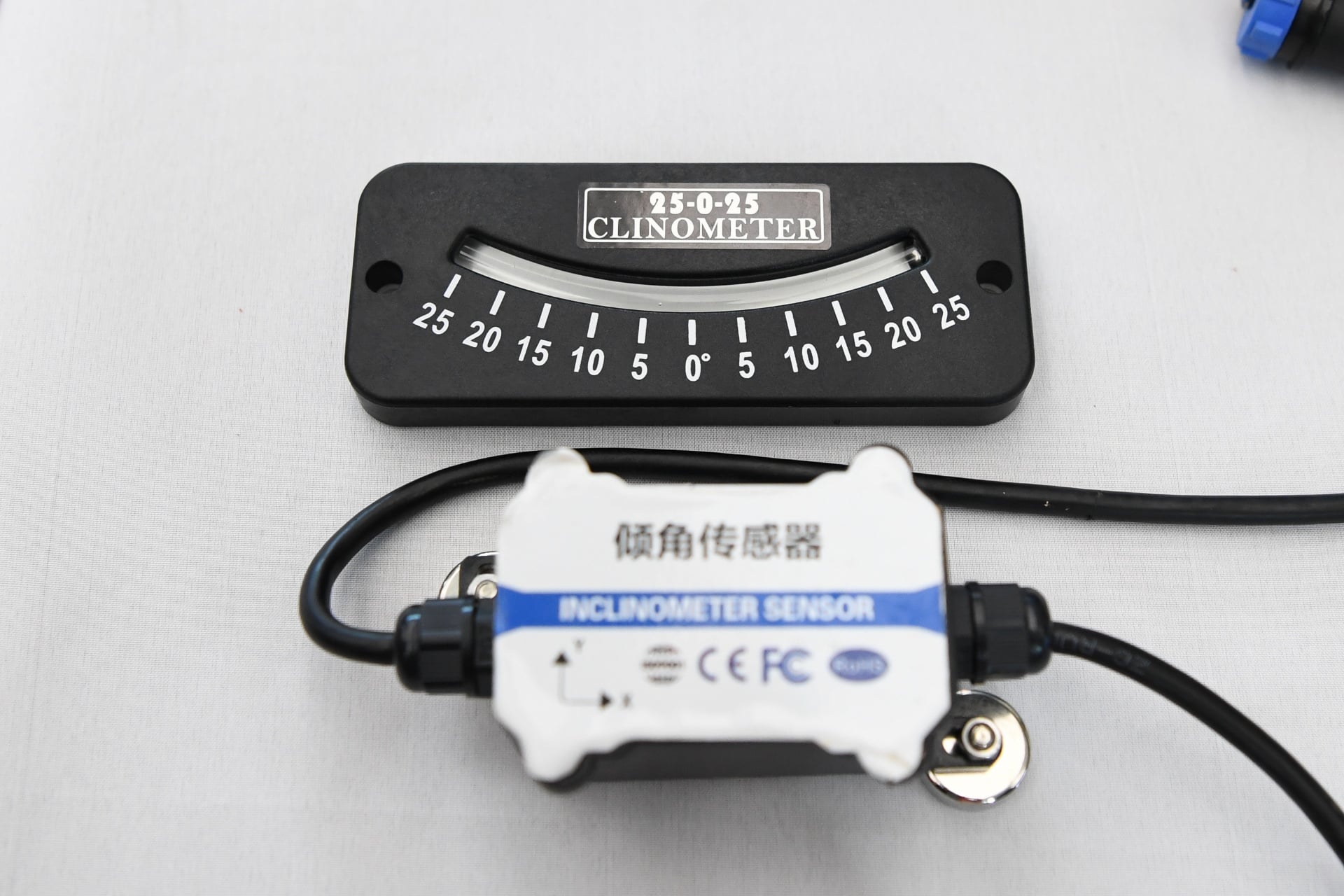
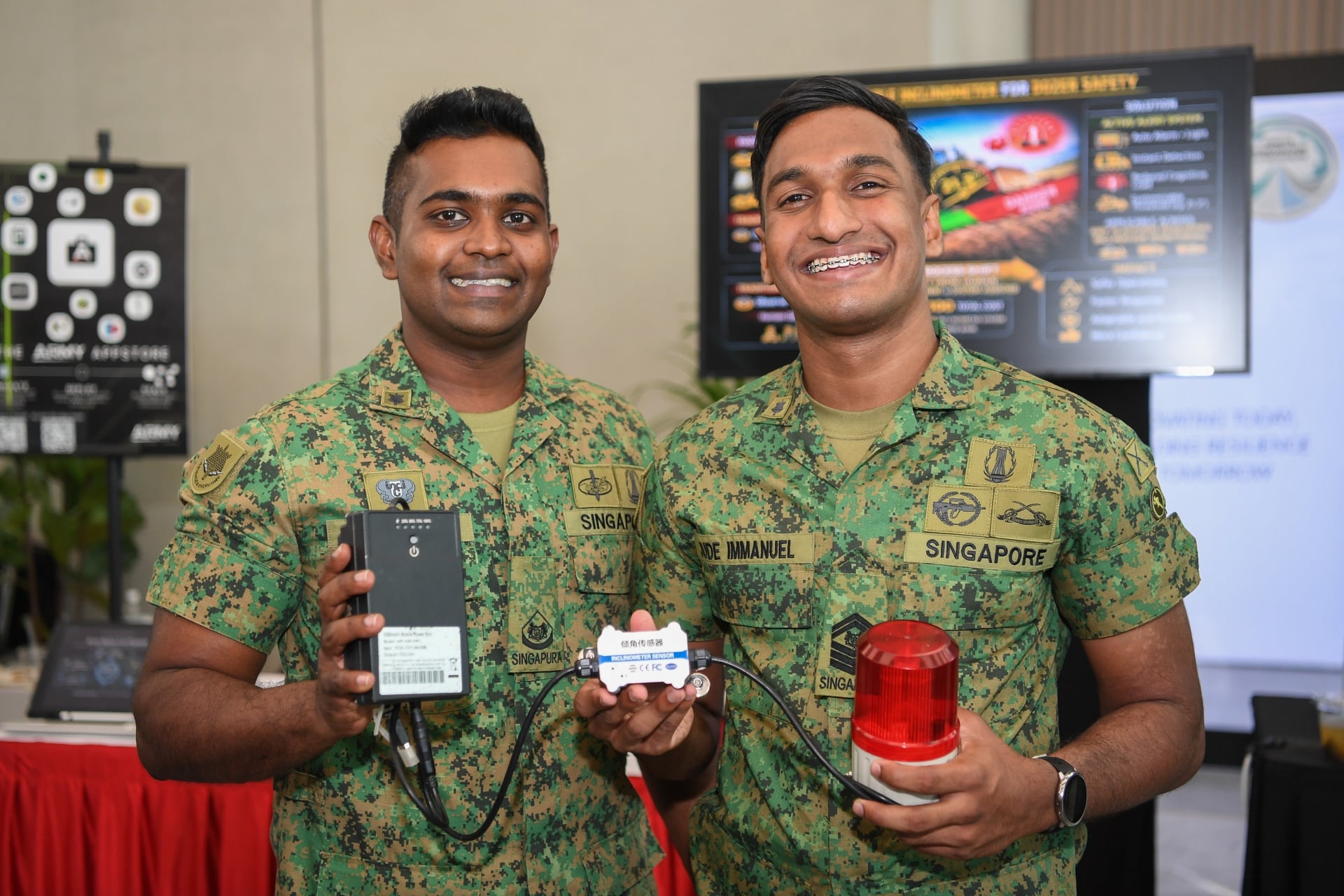
For Staff Sergeant (SSG) Jude Immanuel, the device represents not just a step-up in safety for him and fellow combat engineers, but also shows how a simple idea from soldiers on the ground can make a big impact.
“To ensure that the device was not only accurate, but also practical for soldiers to use, we had to go through multiple rounds of testing and refinement,” said the 25-year-old.
“The process (which took about three months) taught us that innovation is not always about getting it right on the first try. It’s about continuously improving the solution until it meets the operational requirements.”
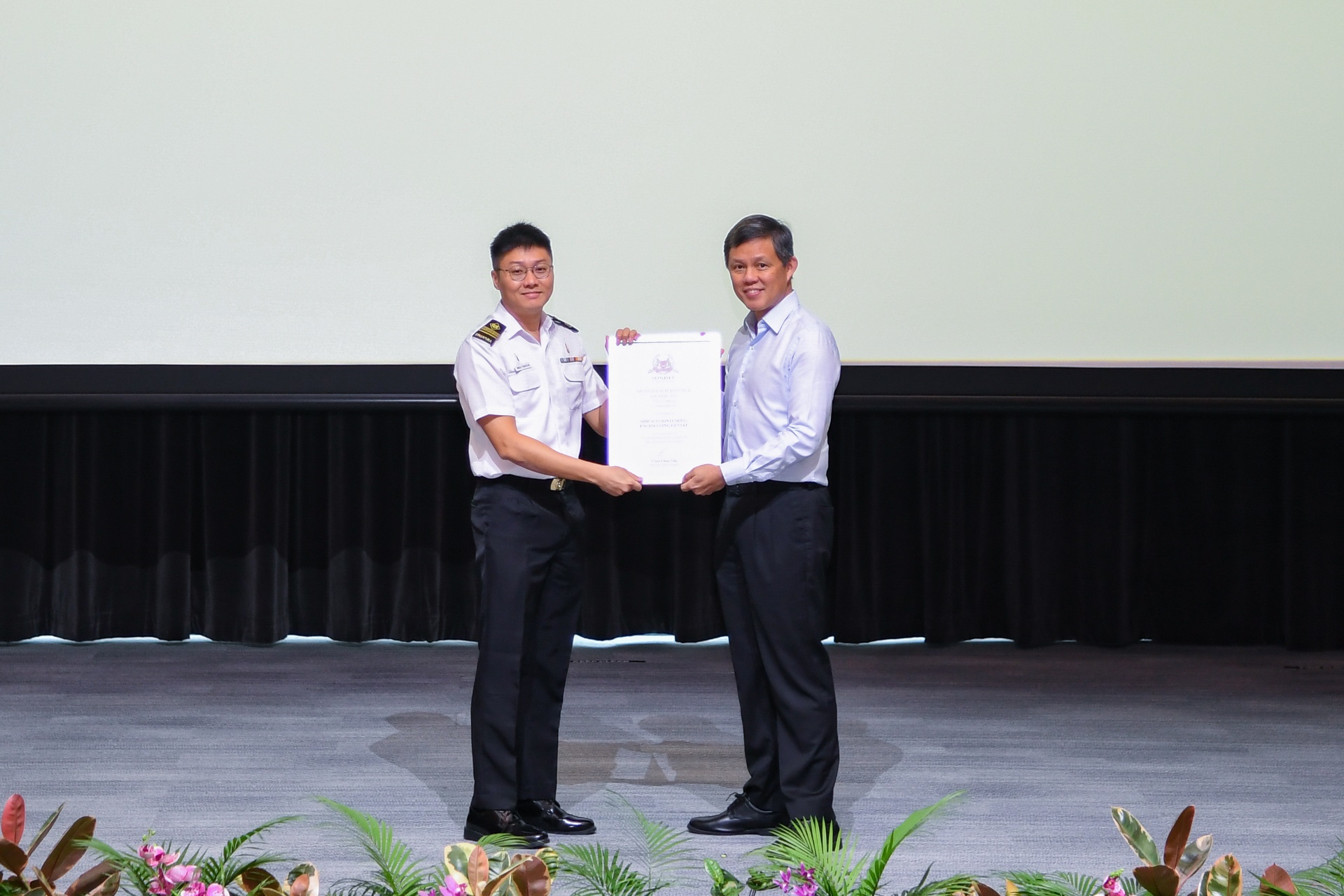
This ground-up innovation contributed to its parent division – 3rd Singapore Division – clinching a Minister for Defence Award in the Combat Category.

Remote Superintending by the RSN’s Ship Superintending Engineering Centre (SSEC)
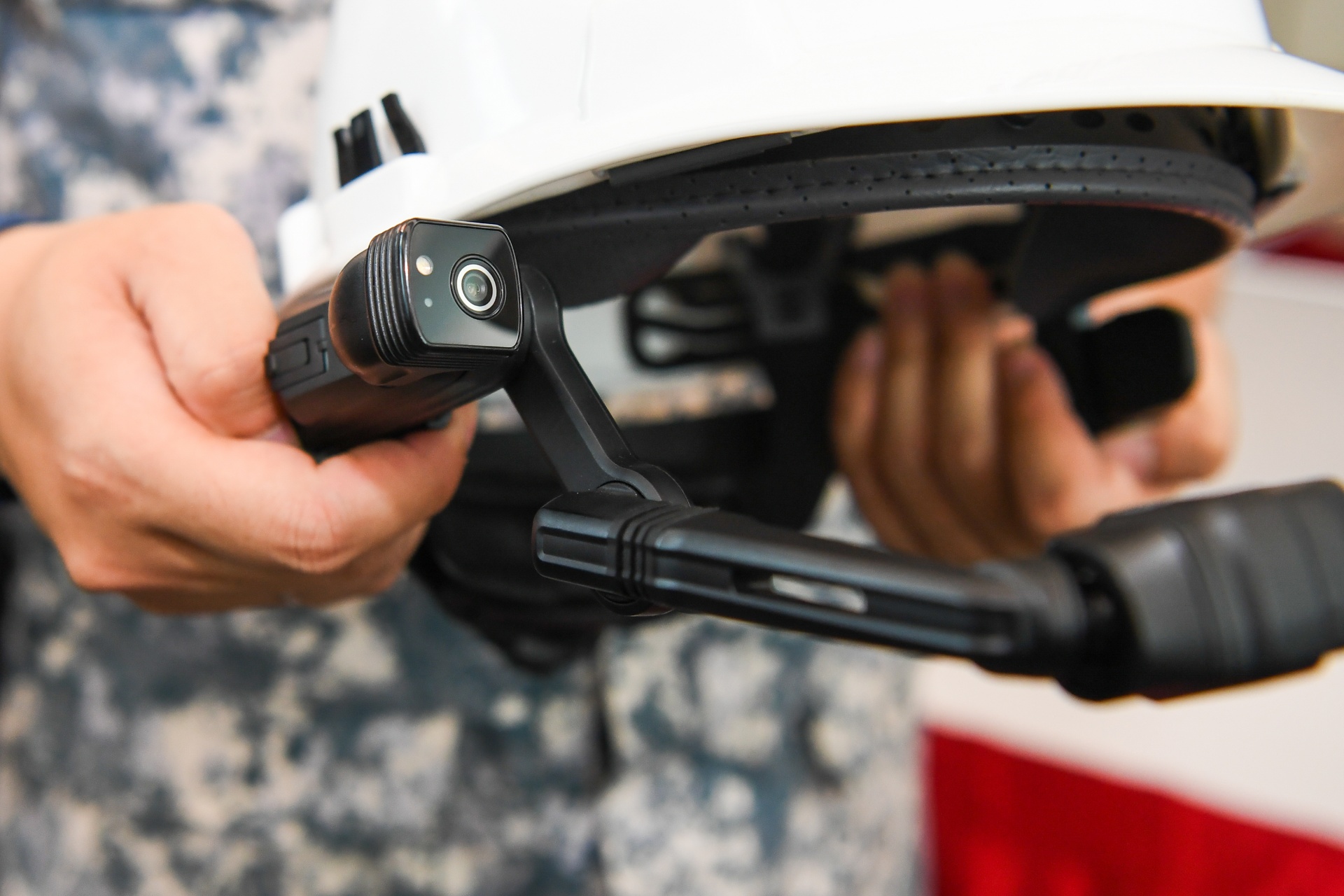
What it is: The Remote Superintending Device, comprising a helmet-mounted camera and mini-display screen with network connectivity, allows ship superintendents to supervise vessel maintenance remotely.
How it helps: Vessel inspections are a key part of maintenance for the Republic of Singapore Navy's (RSN's) ships. In the past, superintendents had to be physically present to oversee up to 1,000 maintenance tasks during a single vessel refit, making the process time- and manpower-intensive.
Through close coordination with shipyards, the SSEC introduced a redesigned inspection process that enables them to conduct live visual supervision, verify work progress and provide instructions remotely.

Savings in numbers: This project can save up to $30,000 and up to 150 man hours per vessel refit programme.
Besides reducing travel time from base to shipyard, remote superintending enhances safety by minimising the need for personnel to work at height or enter confined spaces.
The system also ensures that vessel inspections can continue even in the event of disruptions such as a pandemic, making the process more efficient and resilient.
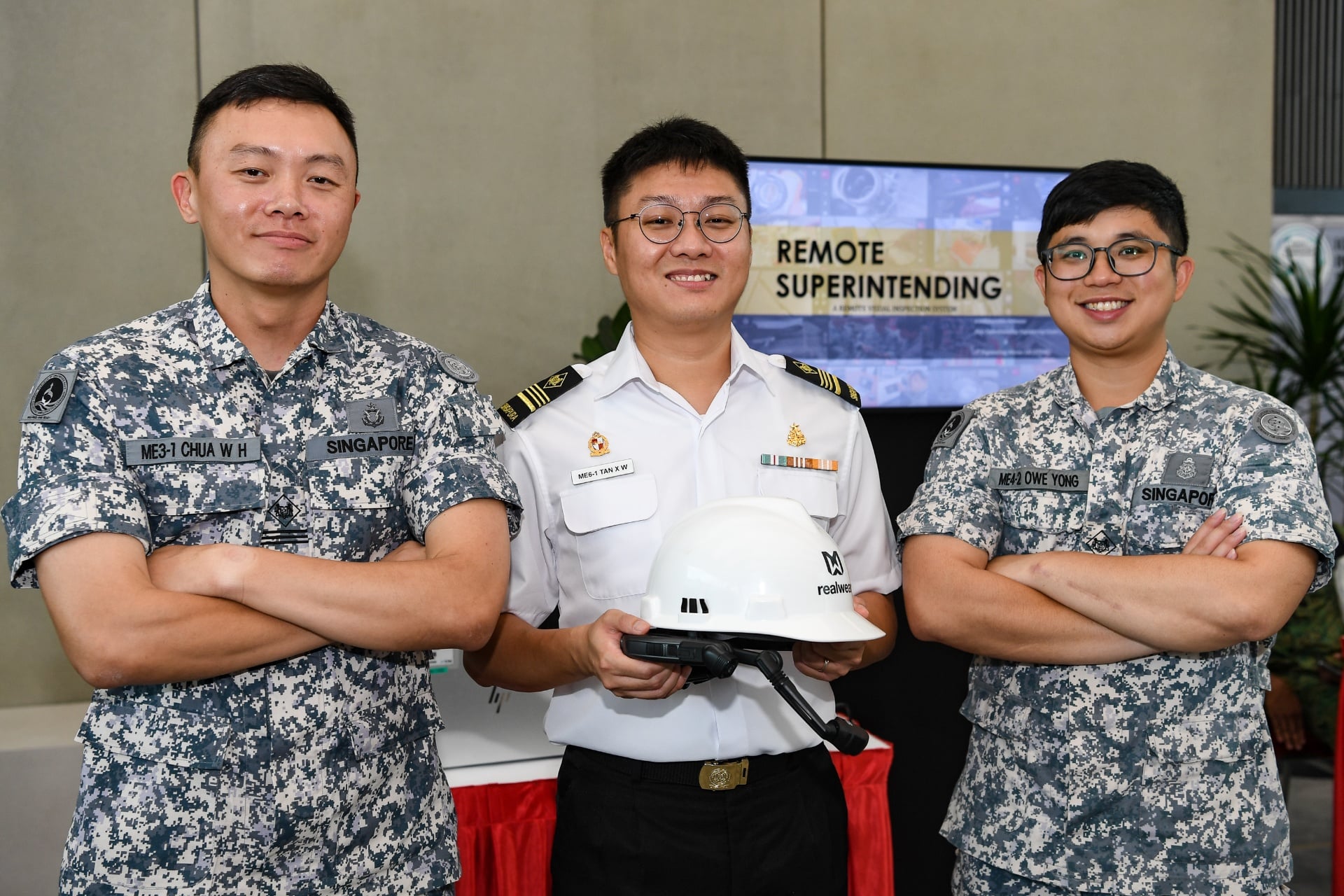
It has been a long but rewarding process for the SSEC team, who took about four years to go from ideation to full implementation.
“The idea first emerged during the COVID-19 pandemic when we successfully shifted our coordination meetings online,” explained Military Expert (ME) 6 Tan Xiangwei, CO of SSEC.
“That sparked the question (of whether) we (could) also remotely supervise and inspect selected maintenance capabilities and inspections.”
“We had to work very closely with ST Engineering to try out different network configurations on board the ship and the shipyard to ensure high-quality video feeds suitable for the remote superintendent,” the 37-year-old added.
What’s next: Remote superintending has been successfully utilised for the RSN’s Littoral Mission Vessels since 2025. There are plans to progressively expand implementation to different ship classes, starting with the frigates.

ALSO READ IN TECHNOLOGY
AI joins the fight in national cyber defence exercise
12 Nov 2025
AI and closer collaboration among agencies and industry are taking centre stage in this year’s Critical Infrastructure Defence Exercise (CIDeX).
They built this city
01 Oct 2025
Turning vision to reality: the team behind SAFTI City clinches the Defence Technology Prize 2025 Team (Engineering) Award!
Operating over skies & seas
22 Aug 2025
This gear is designed to help a Sensor Supervisor survive emergencies in the air and at sea.