
MILESTONES
Army unveils Next Generation Infantry Battalion
26 Oct 2026
The Next Generation Infantry Battalion pairs cutting-edge technology with flexible force structures to take infantry fighting to the next level.
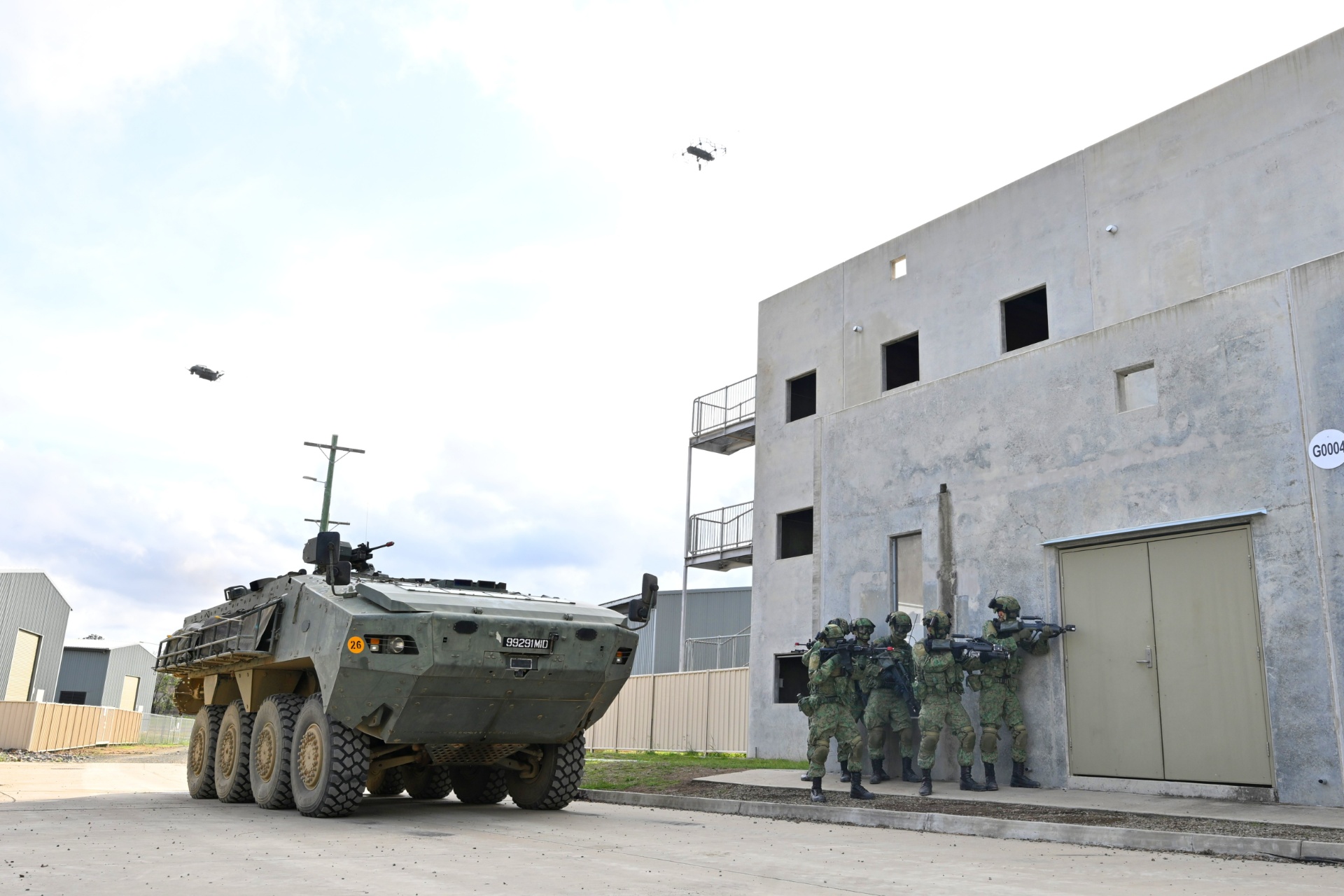
The modern battlefield is evolving at a rapid pace, and the Singapore Army is keeping ahead of the curve.
Enter the Next Generation Infantry Battalion (NGIB), which was officially unveiled at this year’s Exercise Wallaby in Queensland, Australia.
A major transformation for infantry operations, it combines cutting-edge technology, innovative force structures and agile fighting concepts to help the army fight smarter and safer.
Drawing on capabilities across the SAF
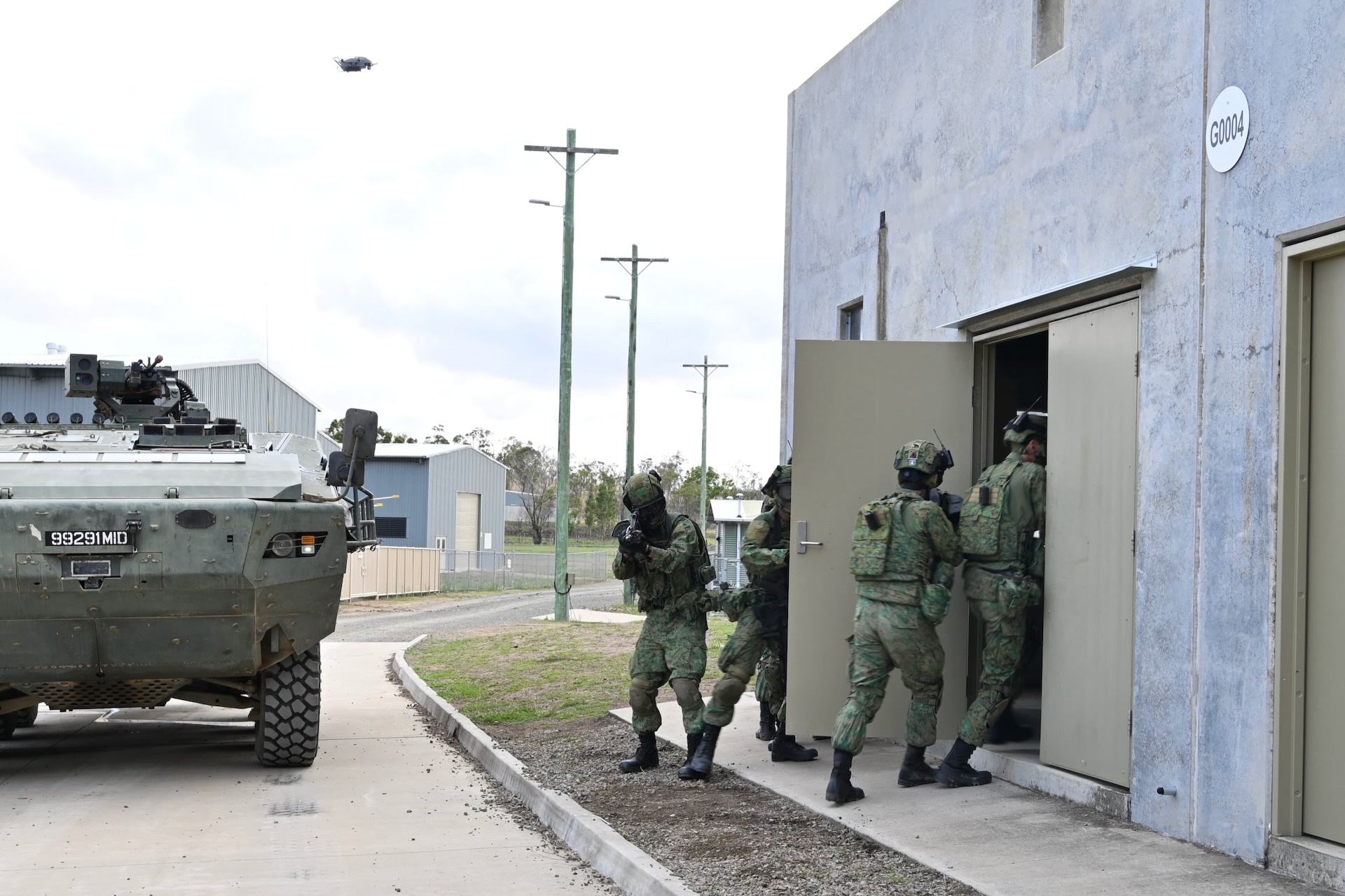
The NGIB draws on various formations – such as Armour, Combat Engineers and Intelligence – to provide capabilities beyond the battalion’s organic means, integrating domains across the wider Army and Singapore Armed Forces (SAF).
The soldiers of 5th Battalion, Singapore Infantry Regiment (5 SIR) are currently validating the full suite of NGIB capabilities at Exercise Wallaby, and exploring ways to enhance the operation of infantry units.
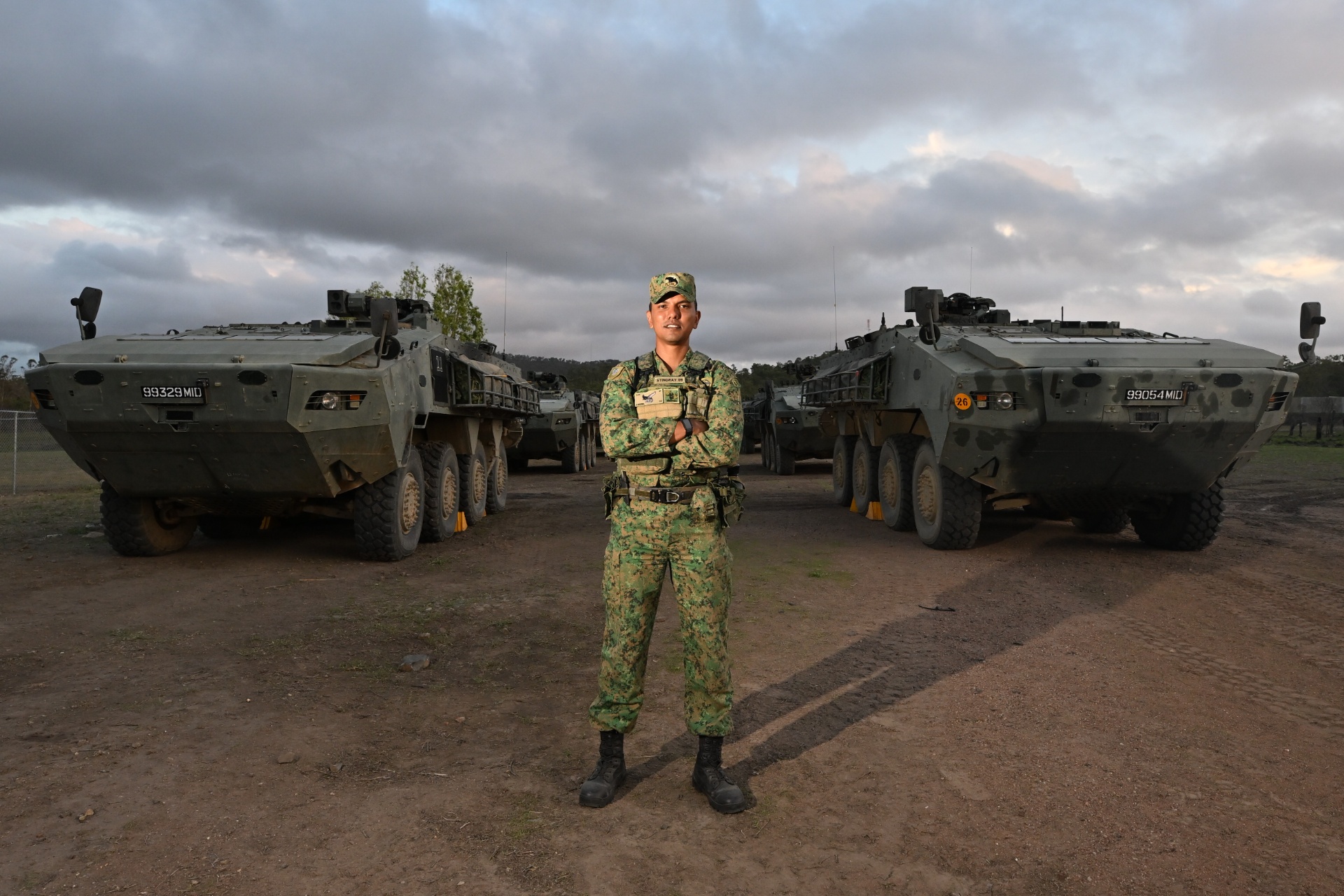
Commanding Officer (CO) of 5 SIR, Lieutenant Colonel (LTC) Shahreel Rajaratnam calls the NGIB a “Swiss Army Knife” that gives commanders on the ground more “tools in their pocket”.
“Depending on what the mission entails, we are able to leverage the new technology and systems, and choose the necessary tool to complete the mission,” the 37-year-old explained.
More sections, greater flexibility
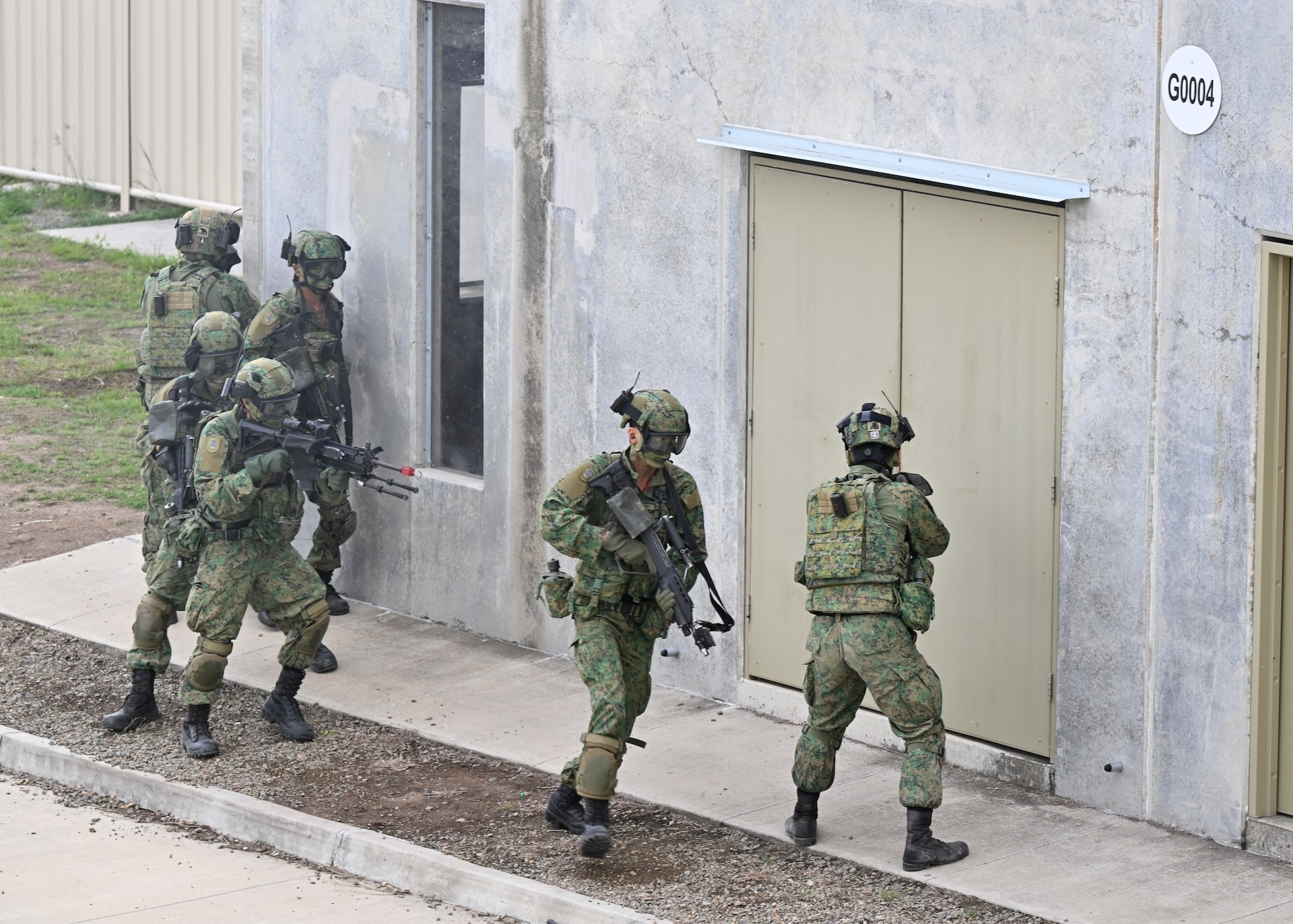
To fight smarter, the NGIB has completely redesigned its force structure on the ground.
Moving away from the traditional three-platoon setup, the refreshed NGIB company is made up of five platoons, each with two six-man sections.
Each company will also have two dedicated Steel Net Sections that operate unmanned systems, including both surveillance and attack drones.
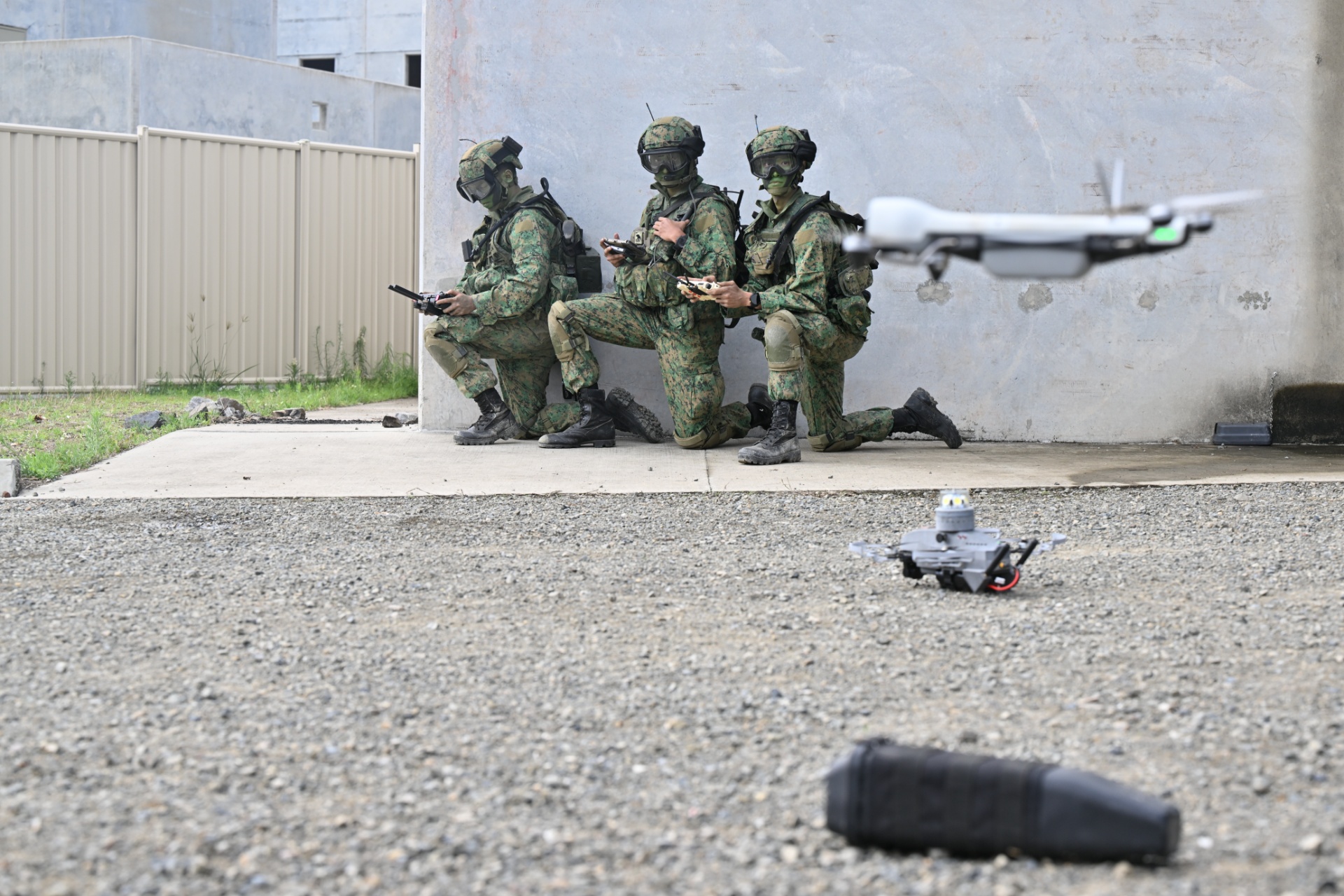
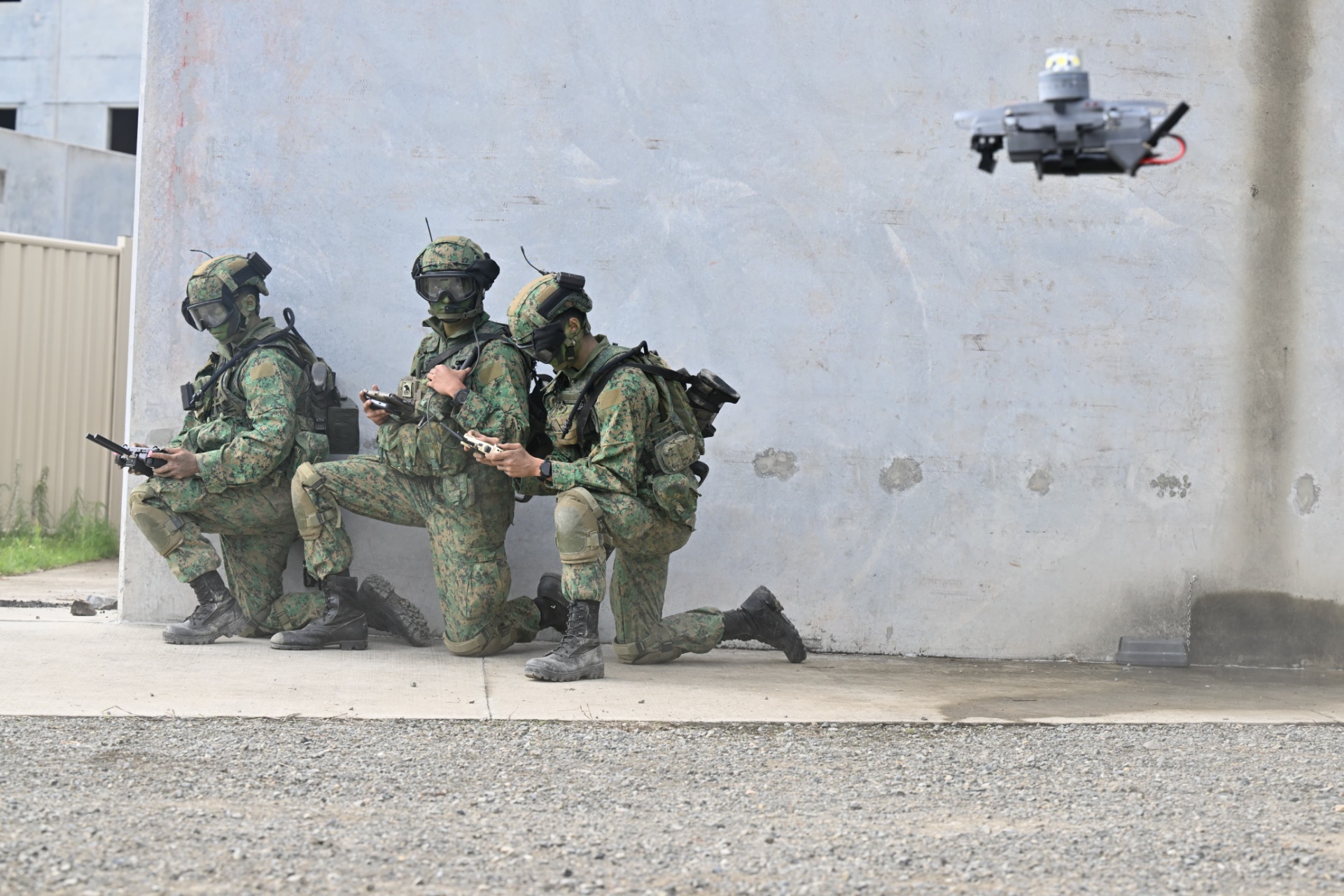
Now, with 10 sections per company, commanders have greater operational flexibility to deploy their troops and take on multiple missions simultaneously.
For instance, a single company can deploy a platoon each to secure a building, clear a route, and cover a key junction – while keeping two platoons in reserve.
These sub-units can also be re-organised to suit changing operational demands.
Man-drone teams to expand reach
By pushing drones into high-threat areas first, the Steel Net Sections are able to extend the company’s sensing and strike capabilities while keeping soldiers out of harm’s way.
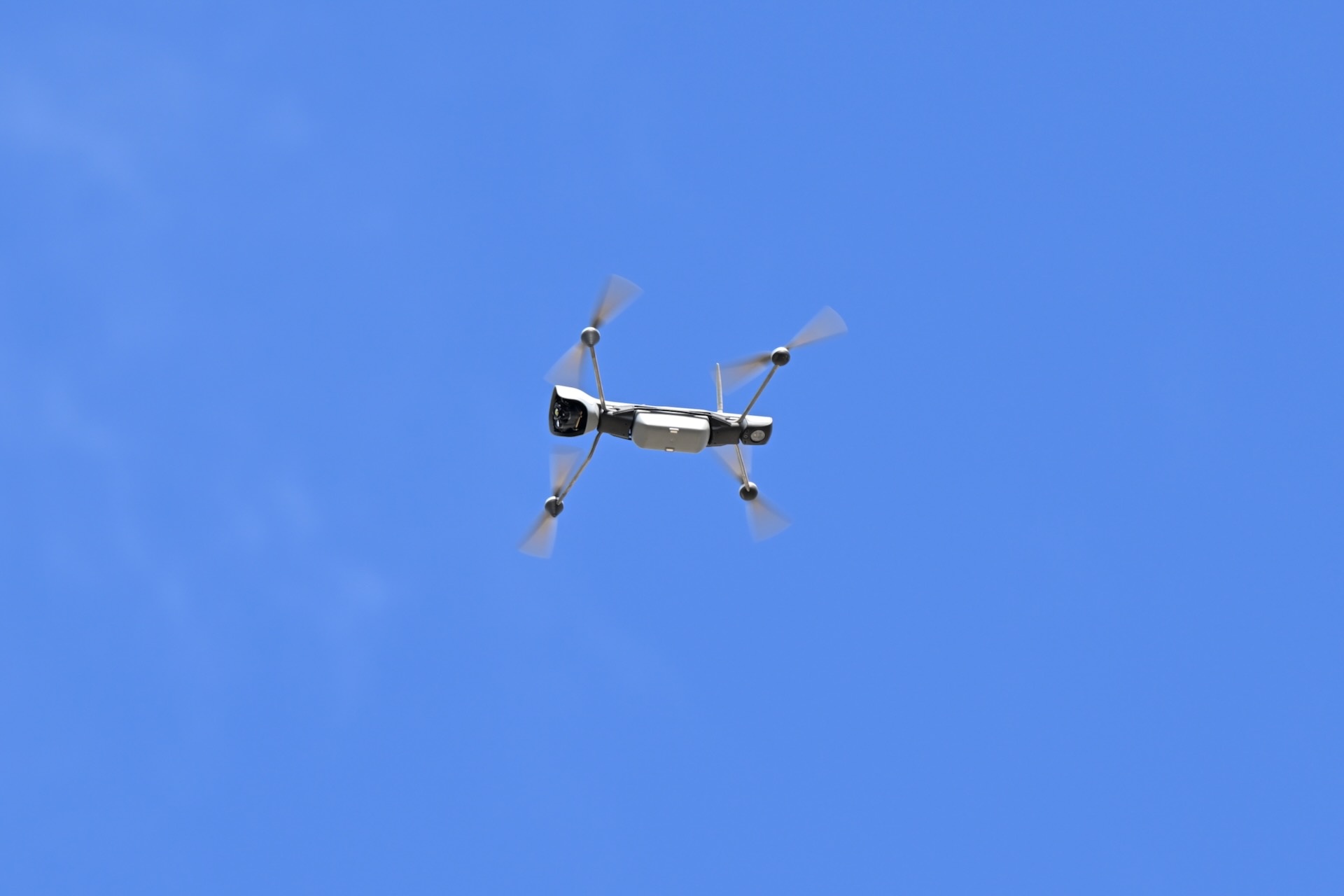
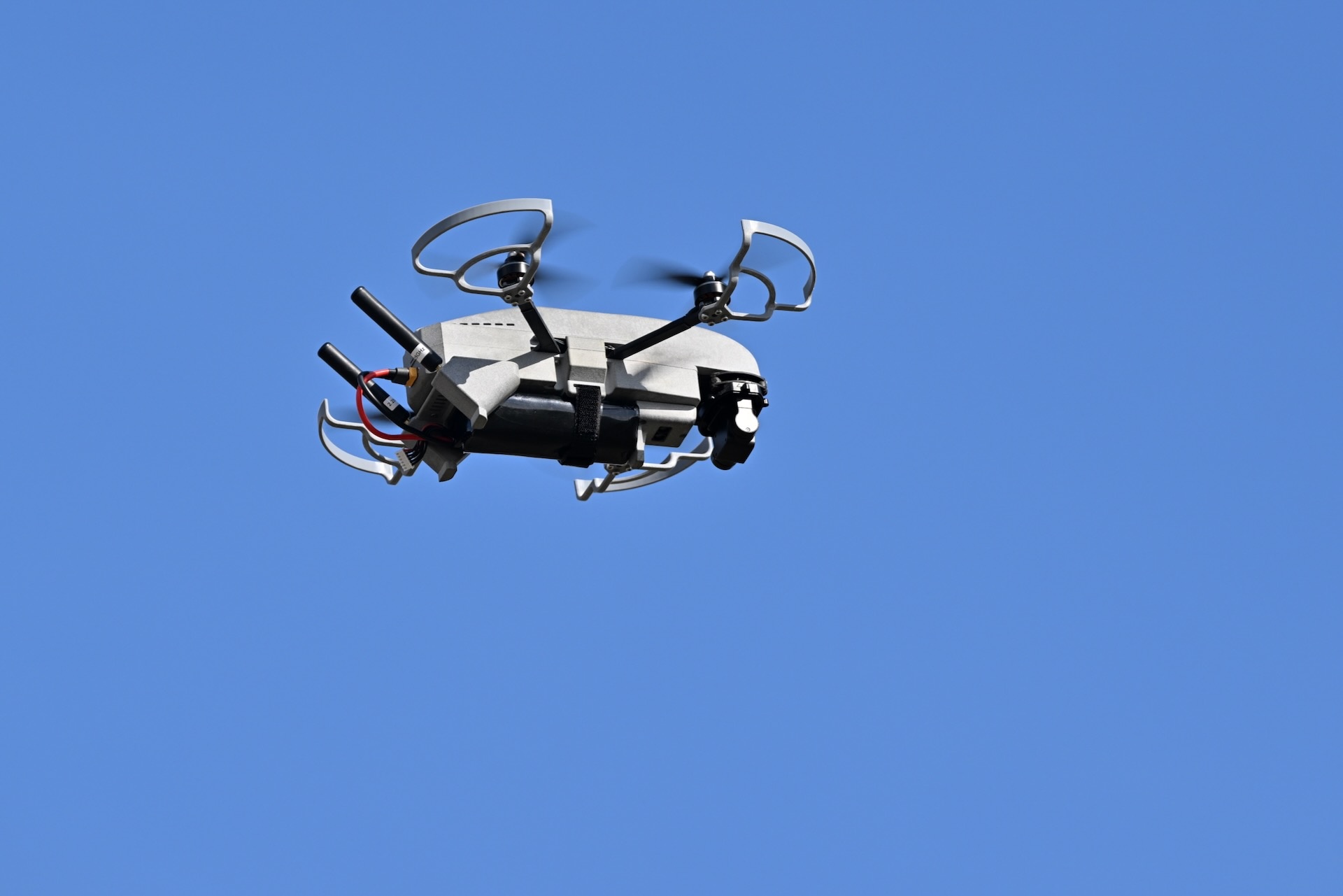
For instance, the Vesper Unmanned Aerial System and Artos drone operate as a surveillance-and-strike pair to enable soldiers to first gather intelligence and information from an extended range, before delivering a payload to eliminate the target.
5 SIR Steel Net Section Commander 3rd Sergeant (3SG) Scott Michael Thomas said these drones have added to the Steel Net Section’s capabilities and boosted his soldiers’ confidence in executing their missions.
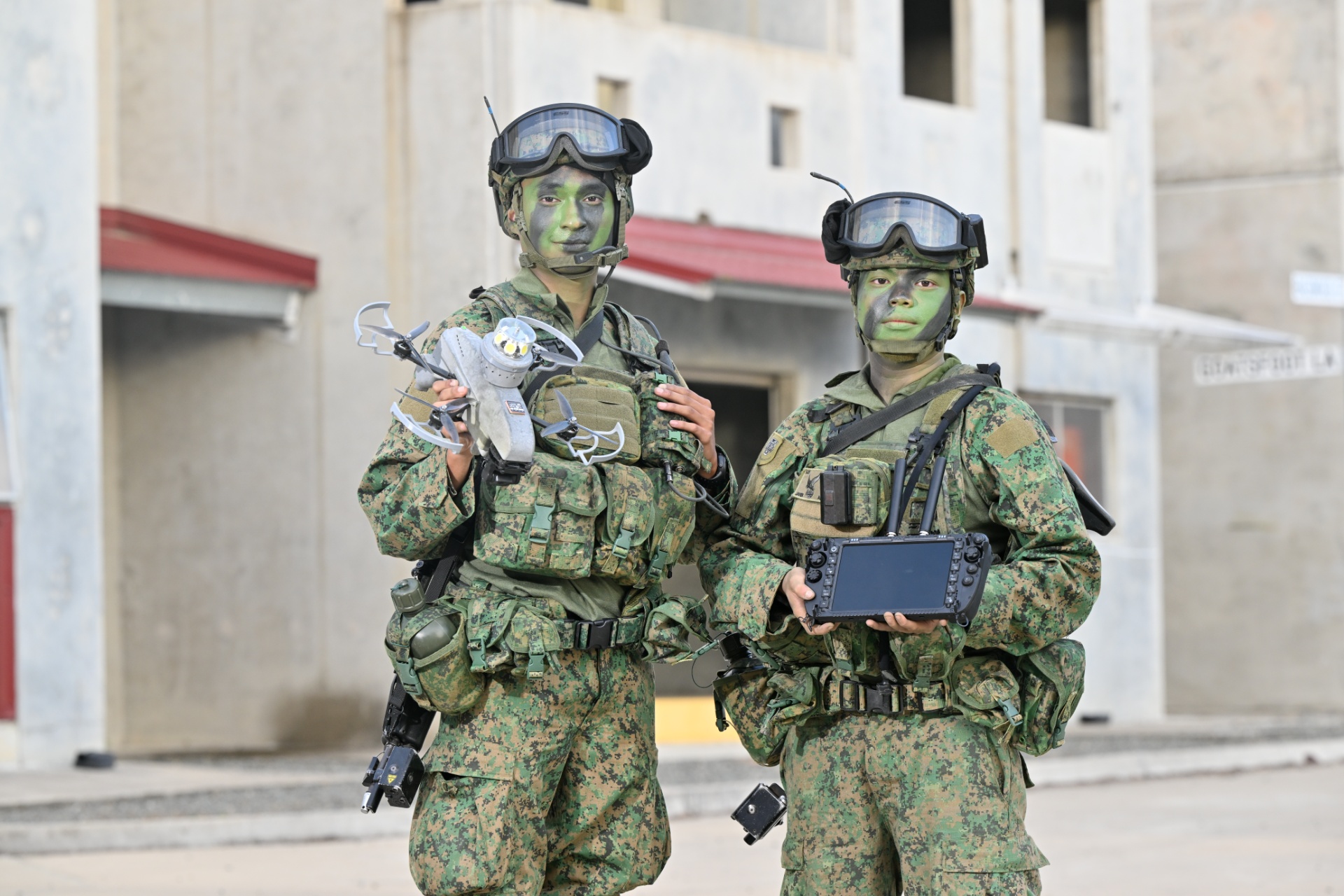
“It definitely gives me and my troops a positive lift as (the drones) enable us to know exactly where the enemy is,” the 20-year-old Full-time National Serviceman added.
“This allows us to identify the best point of attack and provide a smooth and efficient way to complete our missions.”
Better equipped & connected on the battlefield
To boost its protection as well as sensing and firepower capabilities, the NGIB is designed to progressively integrate next-generation hardware and technology as they mature.
New additions include the Light Machine Gun (LMG) and next-generation Infantry Fighting Vehicle, alongside a suite of unmanned assets.
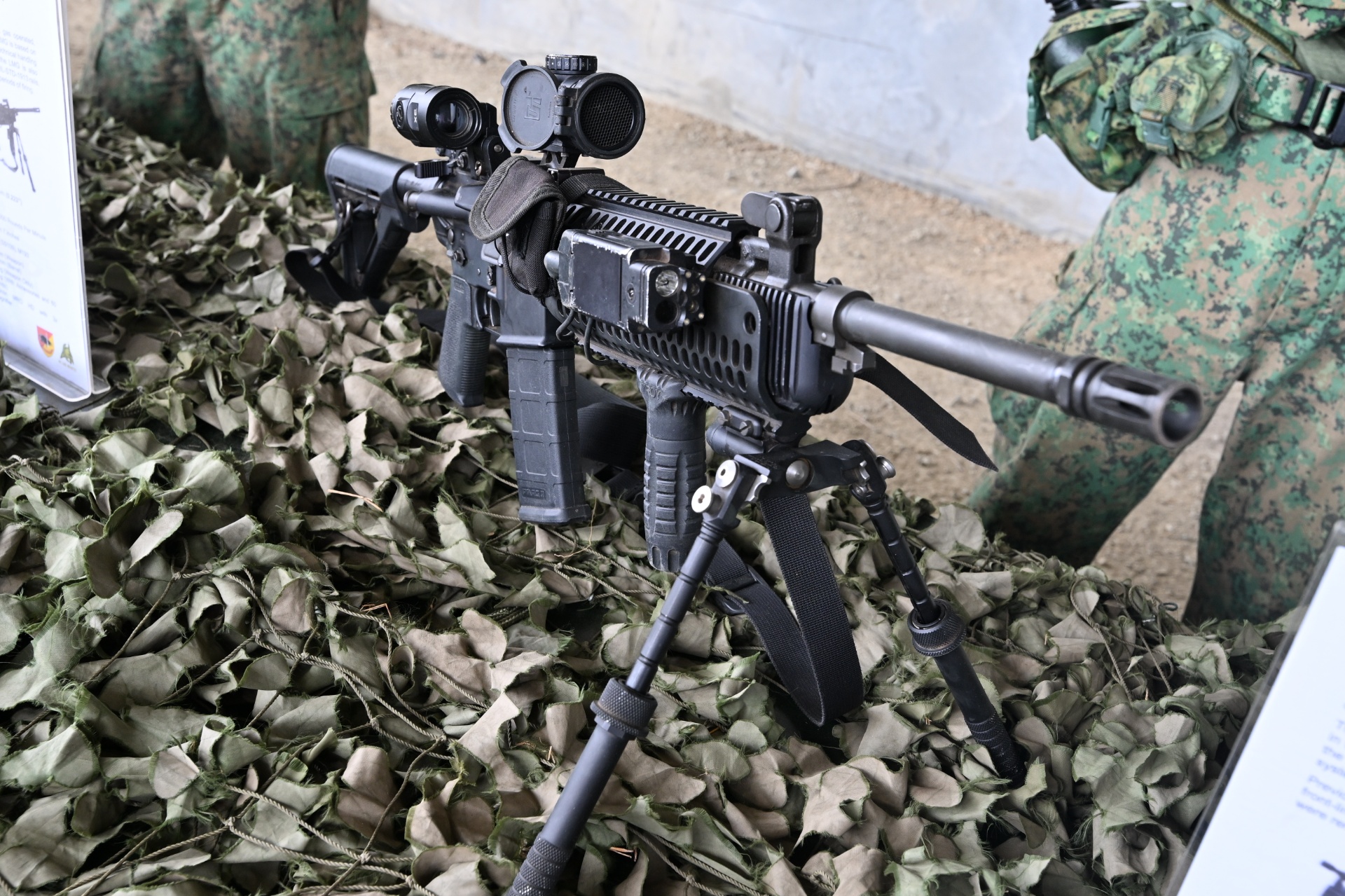
Enhanced Command, Control, Communications and Computer (C4) systems digitally link infantry headquarters to the soldiers, sensors and platforms out in the field.
This provides a common operating picture to ensure greater situational awareness and tight coordination even during highly distributed manoeuvres (in which multiple small groups are spread out and operate independently of one another).
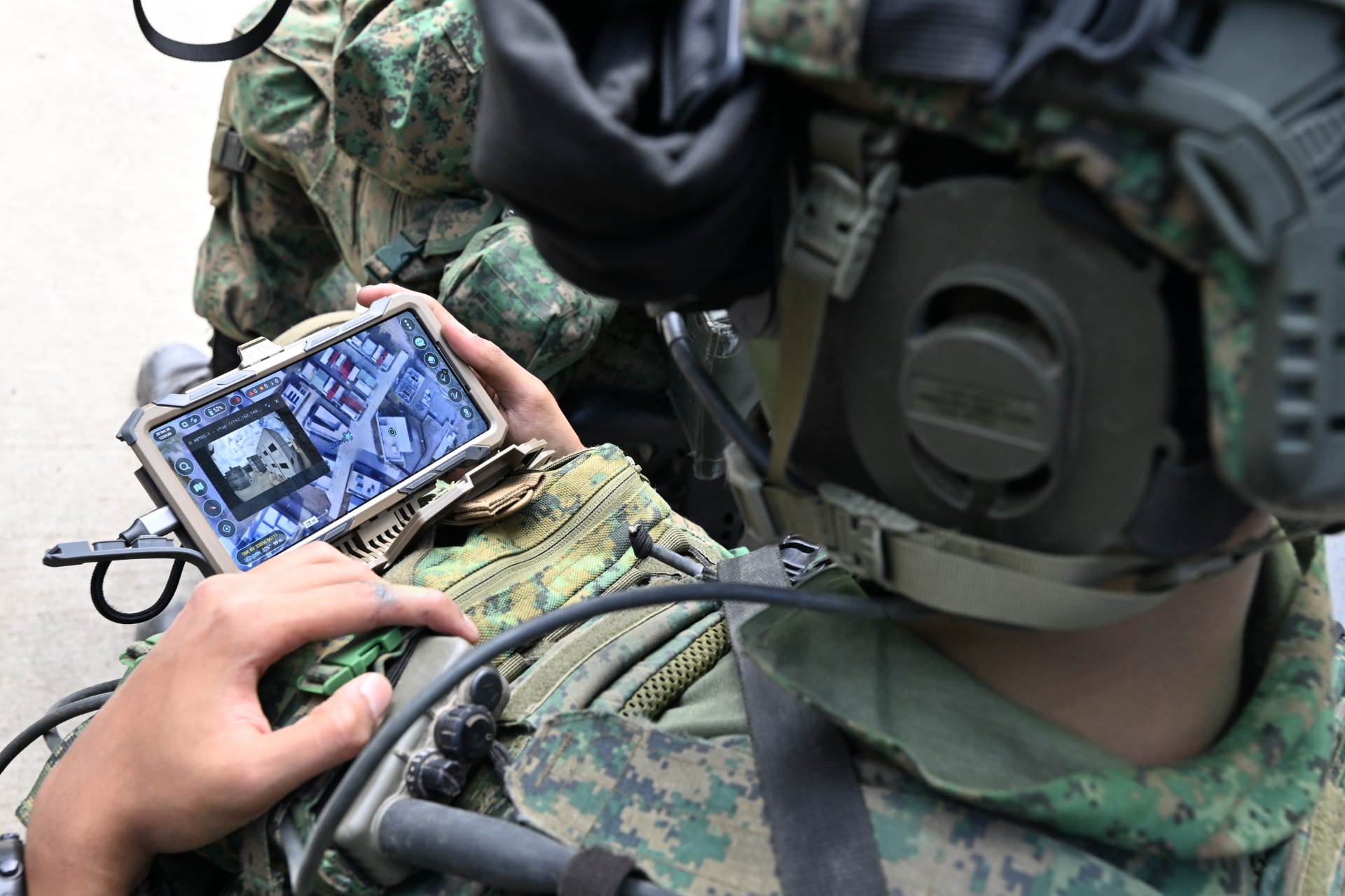
Every Section Commander is equipped with the Battlefield Management System (BMS) (Soldier), which allows instructions to be sent quickly from headquarters and for battlefield updates to be relayed back.
These portable, handheld devices also let each user share the location of friendly and enemy forces, danger areas, and passage routes in real time. This enables quick coordination and deployment of troops even when radio communications are down.
Always evolving & adapting
The NGIB is structured not as a static end-state, but designed to adapt, evolve and grow alongside emerging operational requirements.
To identify and meet these operational requirements, the Army will collaborate with partners such as the Defence Science and Technology Agency (DSTA) to monitor advancements in sensors, weapons, C4 technologies, and unmanned systems, and integrate new capabilities to strengthen the Battalion’s operations.
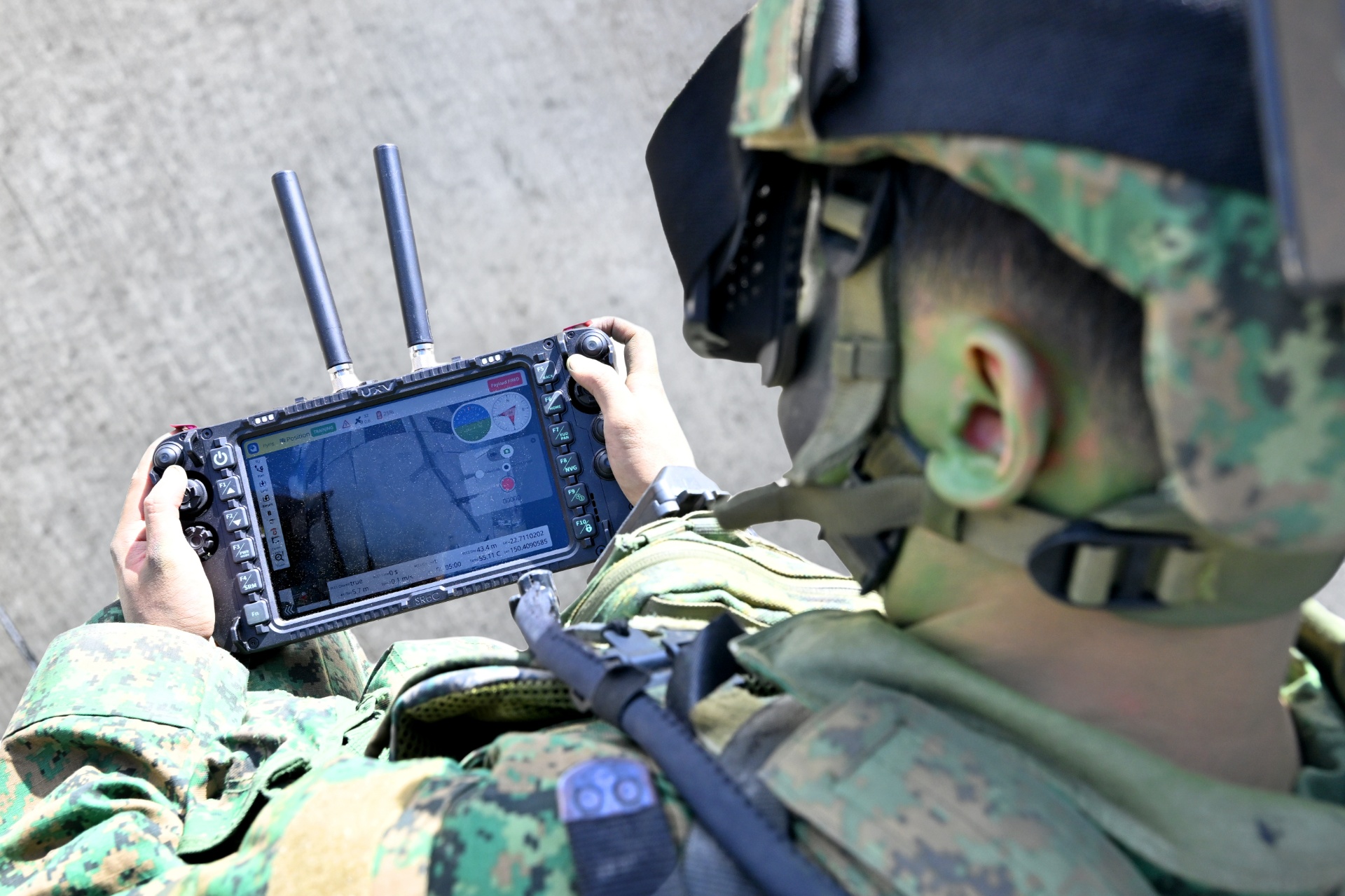
One such initiative is the RC3 universal controller which can pair with and control every drone type used by the NGIB, instead of having individual controllers for each type of drone.
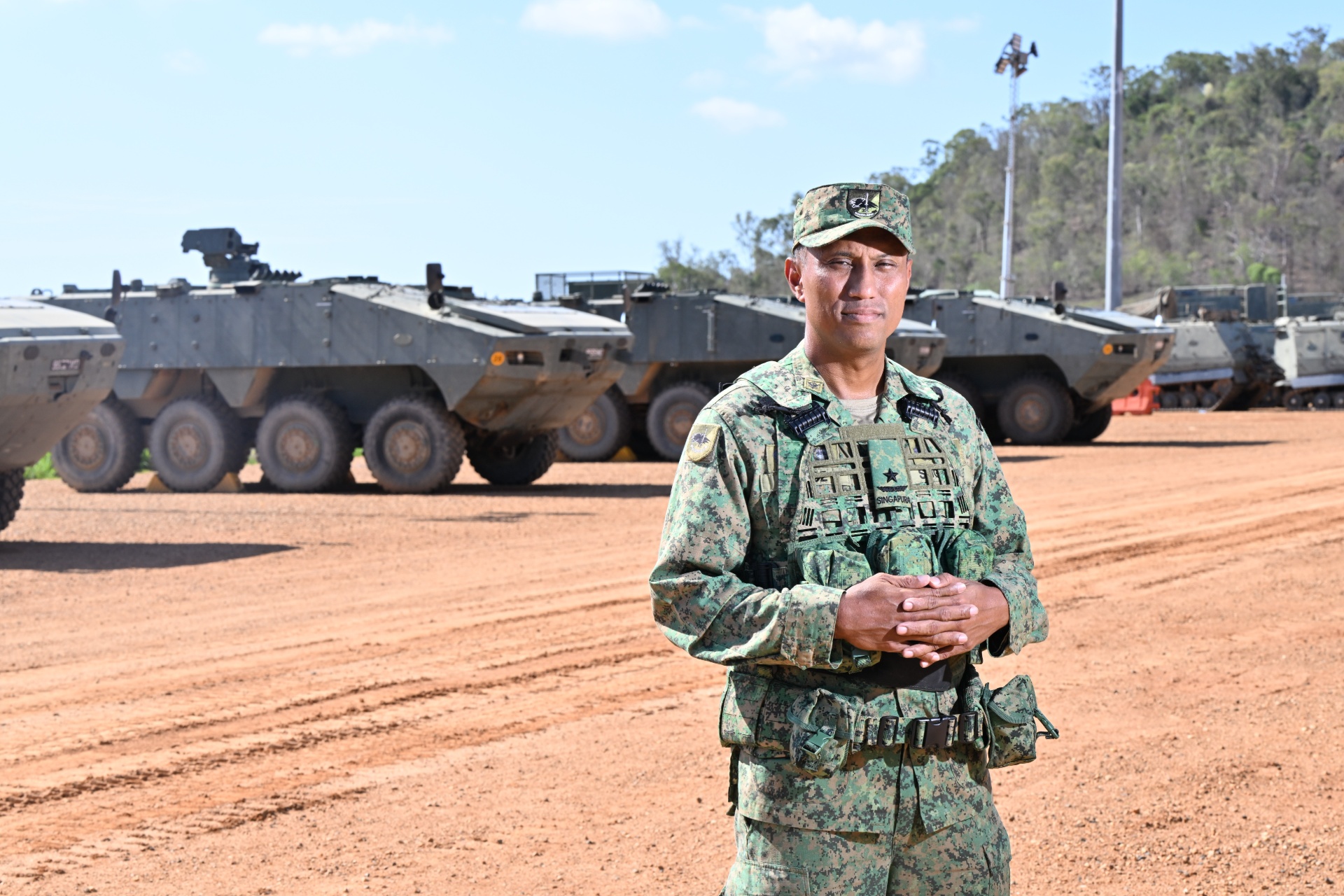
Speaking on the future of the NGIB, Chief Infantry Officer Brigadier-General (BG) Fairoz Hassan noted that it will continue to evolve, and that input from soldiers on the ground is key to its development.
“We want to continue sharpening our capabilities for the NGIB and, by having a continuous iterative process, we will see our NGIB capabilities change every single year depending on the necessities of the battlefield in that point in time.”

ALSO READ IN MILESTONES

NCC marks 125 years with new campus & enhanced curriculum
26 Aug 2026
Singapore’s oldest youth uniformed group will see a refreshed NCC2030 curriculum to equip future generations of cadets with essential skills to meet evolving security challenges.

RSN launches 2nd Multi-Role Combat Vessel
23 Jul 2026
Just like the vessel and her namesake, Commanding Officer LTC Low is following in a strong family tradition of naval service.
Lifelong learners in the SAF
21 Jul 2026
Meet Senior Military Experts ME4 Muhammad Fikri Bin Suhaimi and ME4 Bai Ruiliang who are proving that you’re never too old to learn something new and chase your dreams.