
TECHNOLOGY
S'PORE, FRANCE MARK DECADE OF JOINT DEFENCE R&D
16 Apr 2014
The two countries might be more than 10,000km apart, but Singapore and France have been collaborating in defence research and development (R&D) under the Supelec, ONERA, NUS, DSO Research Alliance (SONDRA) for 10 years.
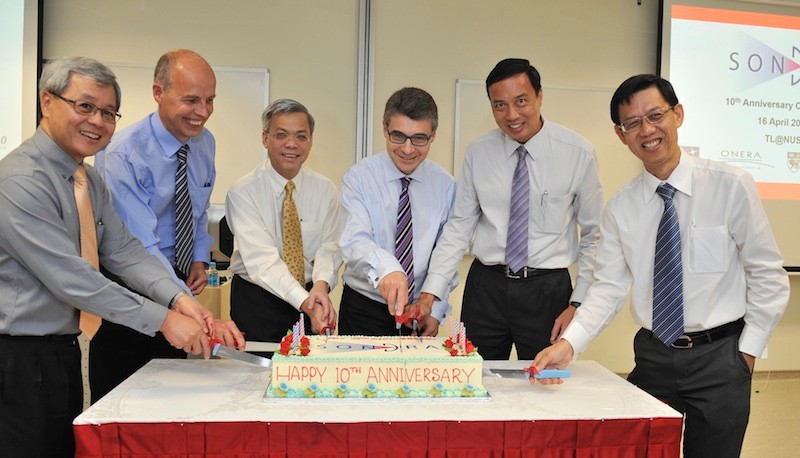
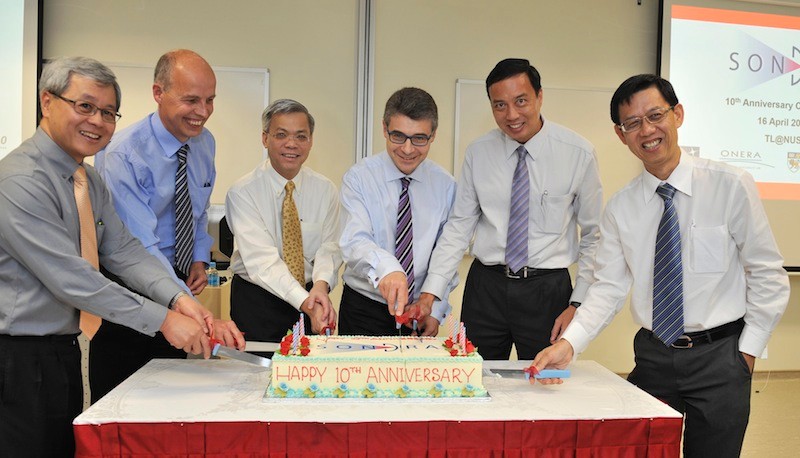
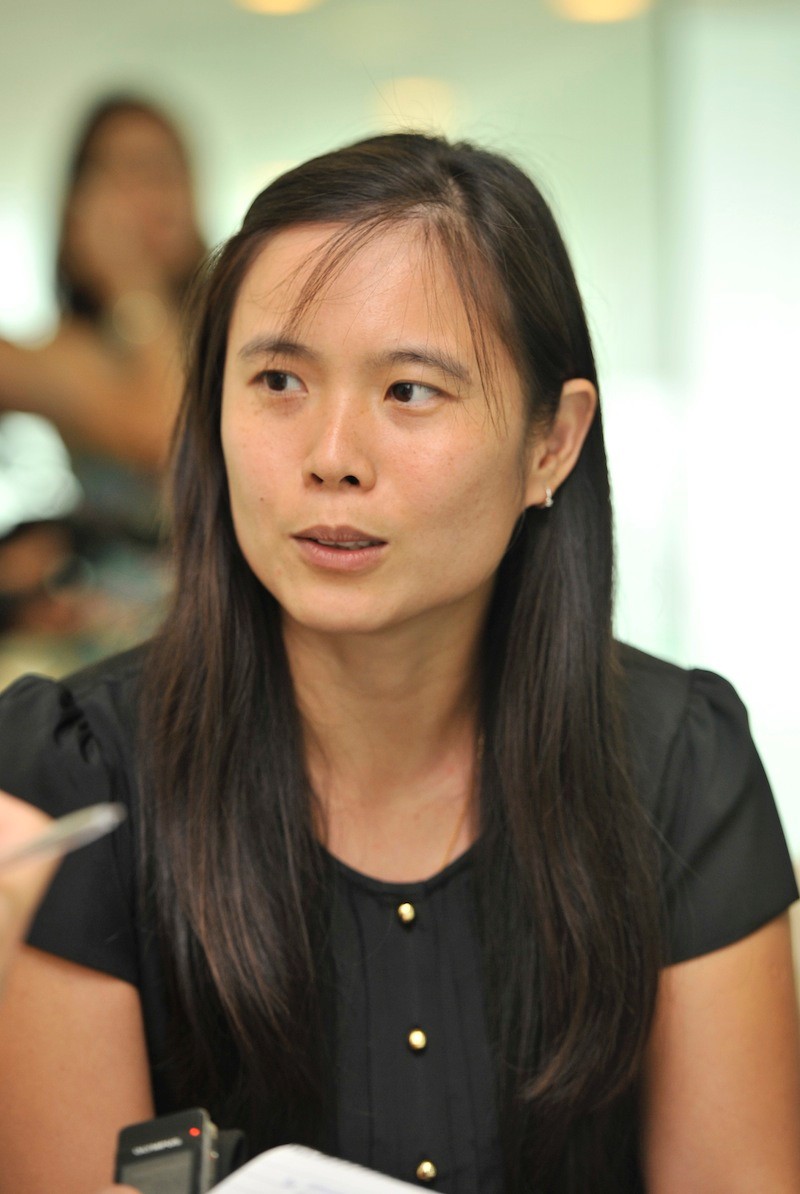
The two countries might be more than 10,000km apart, but Singapore and France have been collaborating in defence research and development (R&D) under the Supelec, ONERA, NUS, DSO Research Alliance (SONDRA) for 10 years.
The little-known Singapore-French defence research partnership among the four organisations is named after its core members - Supelec, ONERA, National University of Singapore (NUS), DSO National Laboratories. It looks to develop scientific talents and seed ideas in the fields of Electromagnetism and Radar.
Both Supelec - a prestigious post-graduate engineering school - and ONERA - an aerospace laboratory - are French organisations. ONERA is best described as DSO's equivalent in France.
The SONDRA Laboratory is located on the outskirts of Paris, France and it is Singapore's first and only offshore defence R&D laboratory.
In a statement, DSO Chief Executive Officer Quek Gim Pew said: "Over the past 10 years, SONDRA has built up strong expertise and a strong network of international partners. I've confidence that SONDRA will continue to break new grounds and do exciting research." He co-chairs SONDRA with Mr Herv Biausser, who is also Director of Supelec.
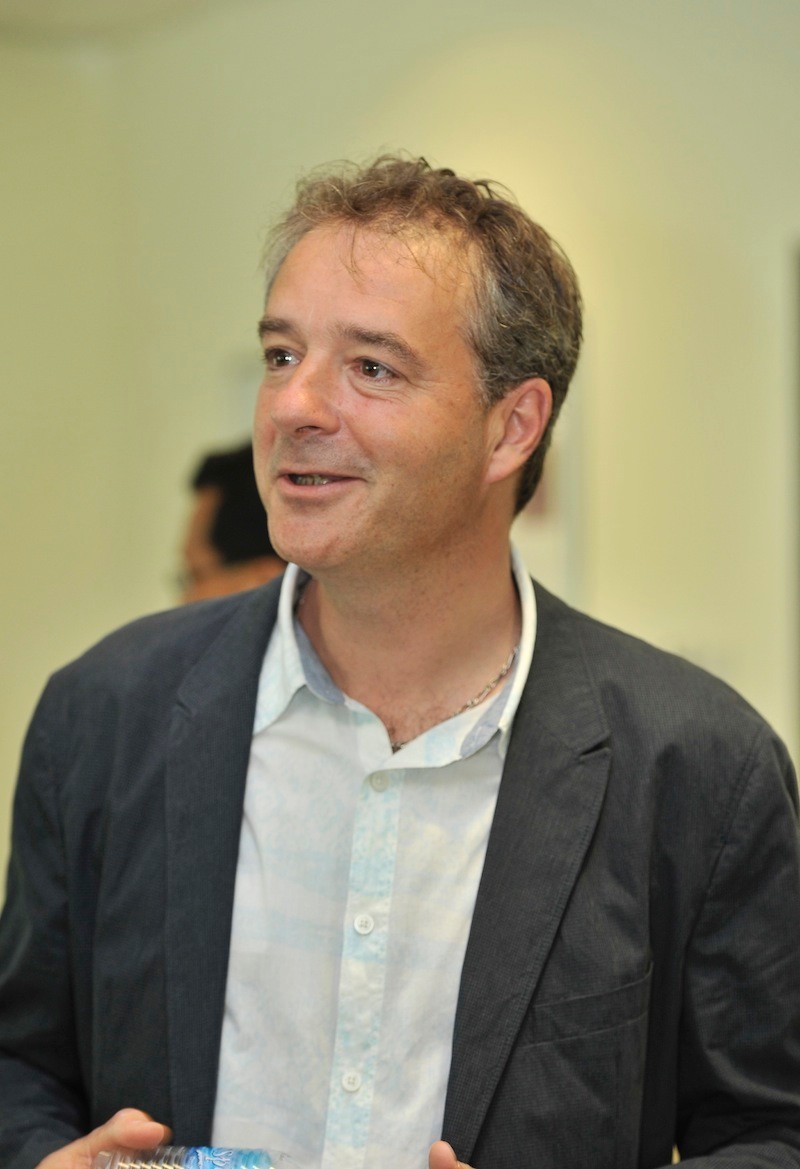
"One of the challenges SONDRA faces is that our work is interdisciplinary - we have to deal with Physics and Signal Processing in the same space," said Prof Marc Lesturgie, Director SONDRA.
"That's because radar relies on both disciplines."
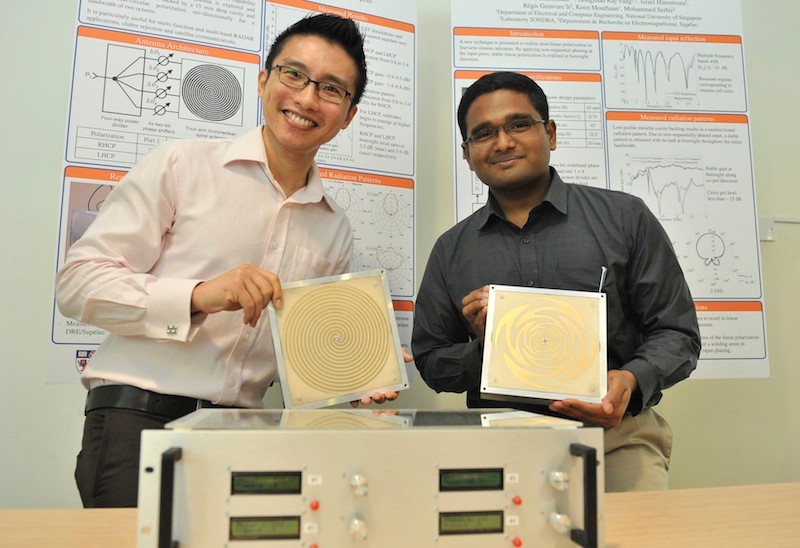
Under SONDRA, students and researchers from both sides benefit from exchange programmes to learn from each other and collaborate on cutting-edge research. One of these innovations was a spiral radar antenna that is dramatically smaller than currently available ones.
Said one-half of the development team, NUS Engineering postgraduate student Ray Fang: "It packs more functionality into a single antenna and being wideband, more data can come in through the antenna." The antenna technology can also be shaped to fit curved surfaces - a boon for platforms where space is a premium (such as on Unmanned Aerial Vehicles).
The 32-year-old was attached to the SONDRA laboratory from February 2012 to March 2013, as part of his PhD programme. Speaking of his experience there, he said: "I worked with experts in the field and they had a lot of inputs, (and the) discussions which were very fruitful."
"It was a very open environment, where we were all in the same domain. We could always seek each other s opinions."
For French researcher Dr Jean-Philippe Ovarlez, SONDRA presented an opportunity to work on enhancing radar systems. He was attached to DSO in Singapore for a year in 2010. "I got to work with many different groups in DSO. It was really good. There was a lot of cooperation."
"I learnt a lot from the Singaporean researchers," said Dr Ovarlez, the Principal Scientist at the Signal Processing Unit of ONERA.
Another innovation to emerge from SONDRA was a technique to enable the transmission and reception of signals at the same time. Explaining her research, DSO senior researcher Dr Chong Chin Yuan said: "We were able to achieve the same performance using simpler hardware by moving the complexity from the hardware to the processing side of the technology." Dr Chong has a PhD in Signal Processing for Multi-Input Multi-Output Radars.
"Theoretically, we can reduce the size of the component by four times (using this technique)." One of the possible applications of this technique is in maritime radars.

ALSO READ IN TECHNOLOGY
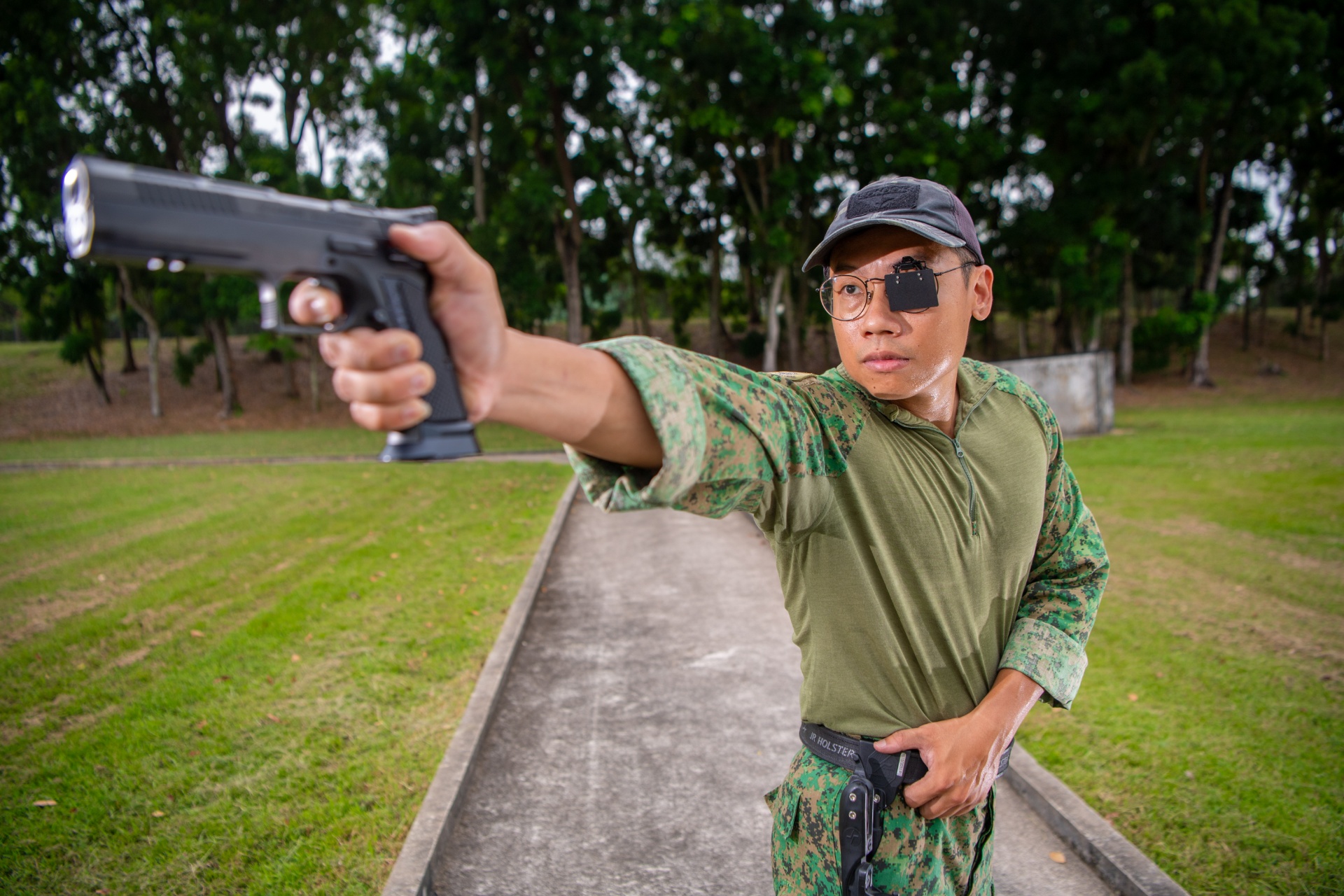
Locked & Loaded: SAF Shooting Contingent weapons
26 Nov 2025
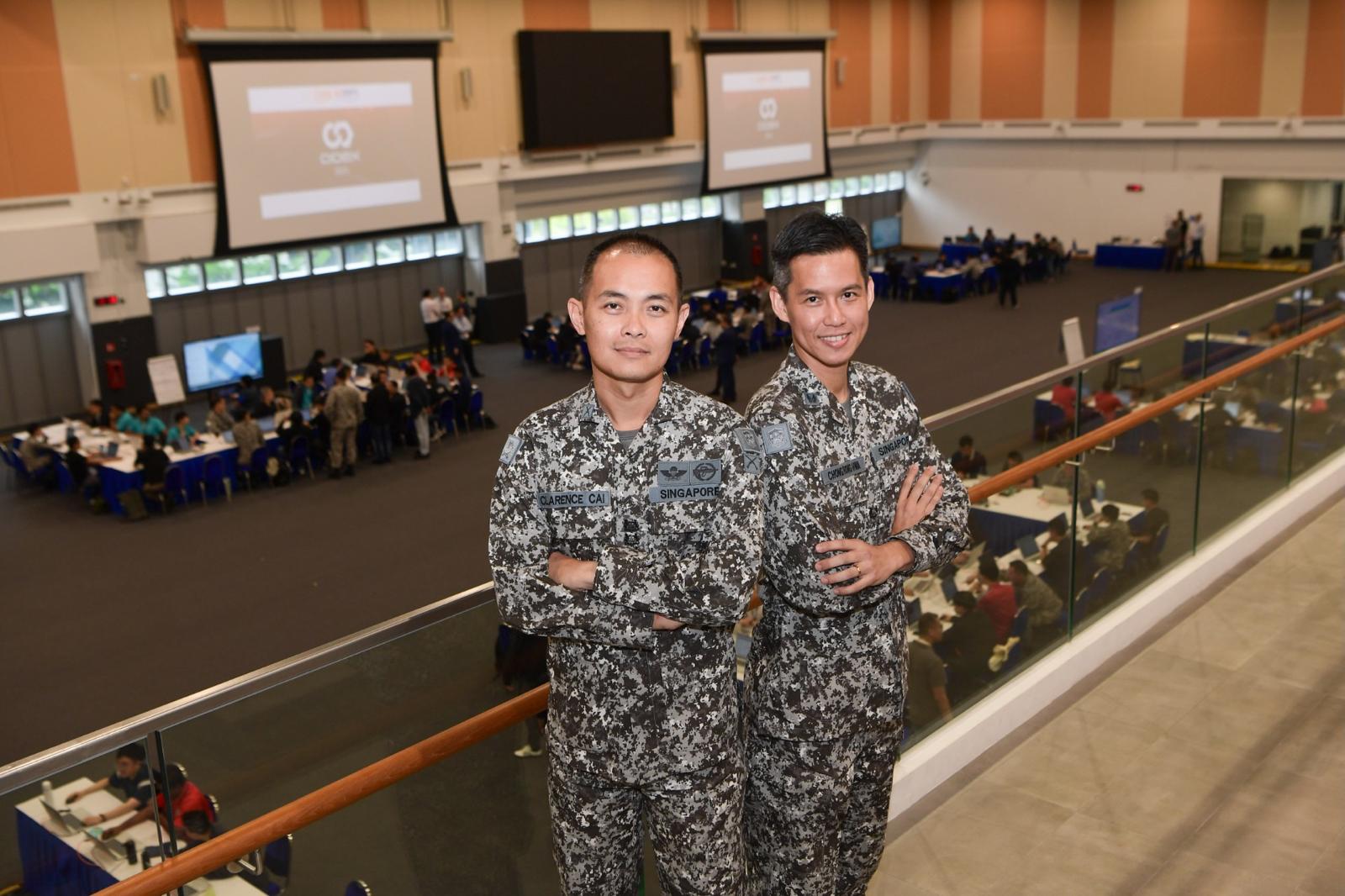
AI joins the fight in national cyber defence exercise
12 Nov 2025
AI and closer collaboration among agencies and industry are taking centre stage in this year’s Critical Infrastructure Defence Exercise (CIDeX).
They built this city
01 Oct 2025
Turning vision to reality: the team behind SAFTI City clinches the Defence Technology Prize 2025 Team (Engineering) Award!