
DIPLOMACY
US PRESENCE STILL VITAL FOR STABILITY IN ASIA-PACIFIC: DR NG
10 Dec 2015
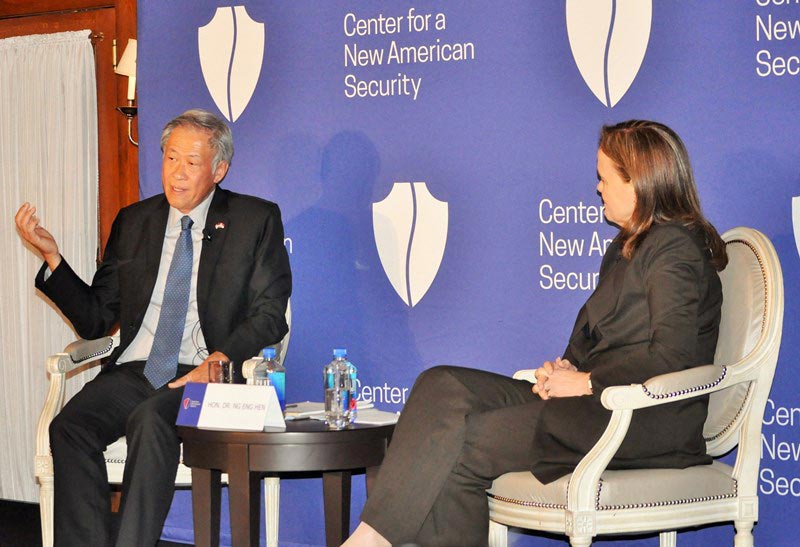
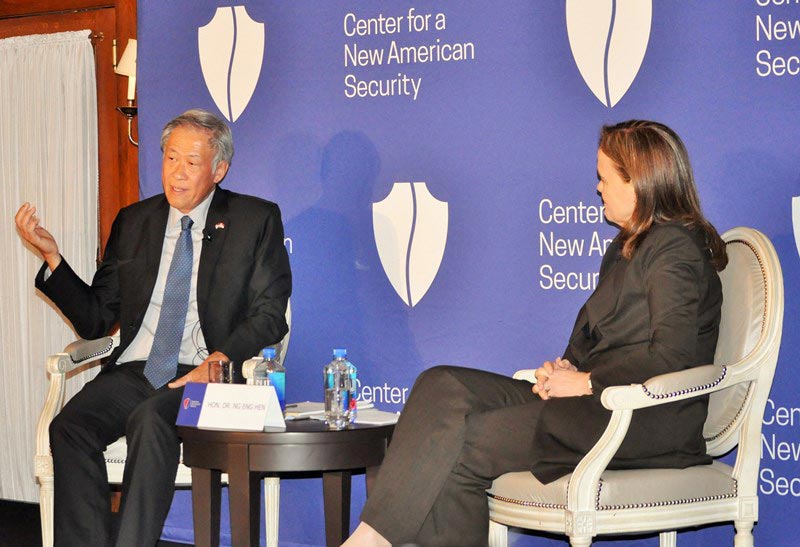
Amid a changing regional landscape, the United States' (US') continued presence in the Asia-Pacific remains essential in ensuring peace and progress. Minister for Defence Dr Ng Eng Hen highlighted this key message in his speech at an event organised by the Centre for a New American Security (CNAS) on 9 Dec.
Elaborating on this point, he added that this was what led Singapore to signing the 1990 Memorandum of Understanding with the US, which facilitated the latter's access to Singapore's air and naval bases.
"The enhanced Defence Cooperation Agreement (DCA) which (US Secretary of Defence Ashton Carter) and I signed a few days earlier reaffirms this belief. The US-Singapore relationship is one that is durable, virtuous for both countries and the region, and relevant for the challenges we face in the new century."
However, Dr Ng also noted that "as critical as the US' continued presence in the Asia-Pacific is, the US alone cannot ensure continued peace and stability. To do so, we need to build greater strategic trust among all stakeholders in the Asia-Pacific".
He then highlighted three key challenges. First, the many unresolved historical animosities from the last century, in particular among Northeast Asia countries. Second, no country in the Asia-Pacific region wants to be forced to choose between the US and China, nor should they need to, because they are both central to peace and stability in the region. Third, the South China Sea disputes.
On addressing these challenges, Dr Ng cited the need for more relevant dialogue platforms to discuss them, such as the ADMM (ASEAN Defence Ministers Meeting)-Plus and East Asia Summit; and more practical cooperation, such as the Malacca Strait Patrols, Singapore's Information Fusion Centre and the upcoming ADMM-Plus Maritime Security and Counter-Terrorism exercise in 2016.
Speaking to the media after the event at CNAS, Dr Ng noted that the enhanced DCA was very timely because "it updates and deepens our US-Singapore defence ties to cover areas which are now more of a security threat - extremist terrorism, cybersecurity - and also to expand areas of cooperation where it would be needed - intelligence sharing, humanitarian assistance and disaster relief, non-traditional threats".
He added: "The more connected we are to the US, the more connected we are to China India or Australia, I think the better positioned we are to meet the new challenges. So in this light, I think the enhanced DCA strengthens a peg in our security future."
As part of pacts signed between the US and Singapore in 1990 and 2005, the US will be deploying its P-8 Poseidon aircraft to Singapore. It will also rotationally deploy up to four Littoral Combat Ships to Singapore.
On the recent media hype regarding the P-8's deployment to Singapore, Dr Ng said: "This is not the first time that the P-8s have rotated through Singapore. Neither is it the only P-8 from other countries so I think we need to put that in perspective. But as a sum total, both the Littoral Combat Ships and the P-8s in Singapore, I think lends credibility to the US presence in the region."
He also spoke about the threat of radicalisation in Southeast Asia and in Singapore: "The war will have to be won not only in terms of security, but as well as ideologically In my meetings with some of the leaders here, we've asked for increasing (efforts to) share intelligence Sharing intelligence is a big area which we can provide ourselves early warning as well as assessment of systemic risks."
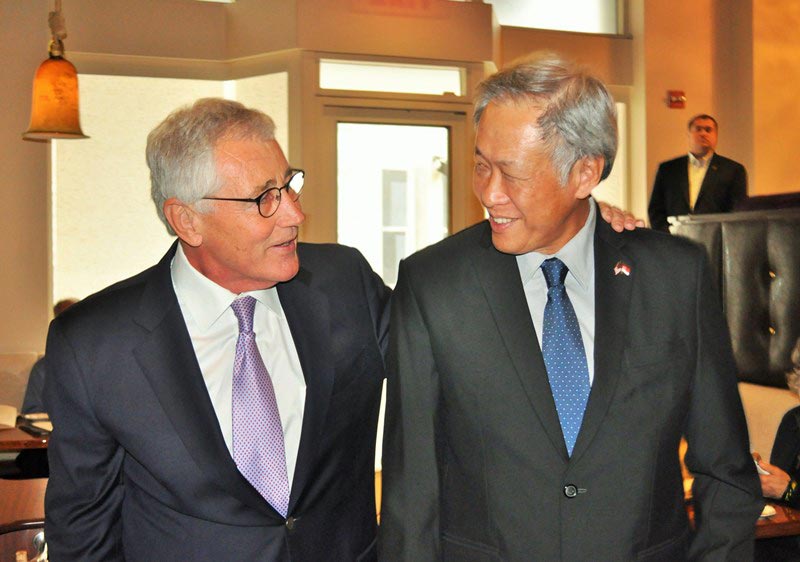
During his five-day visit to Washington D.C from 6 to 10 Dec, Dr Ng met Former Secretary of Defence Chuck Hagel and other high-ranking US officials and congressmen. He will be heading to Phoenix, Arizona where the Singapore Armed Forces is conducting Exercise Forging Sabre, a large-scale integrated strike exercise.

ALSO READ IN DIPLOMACY
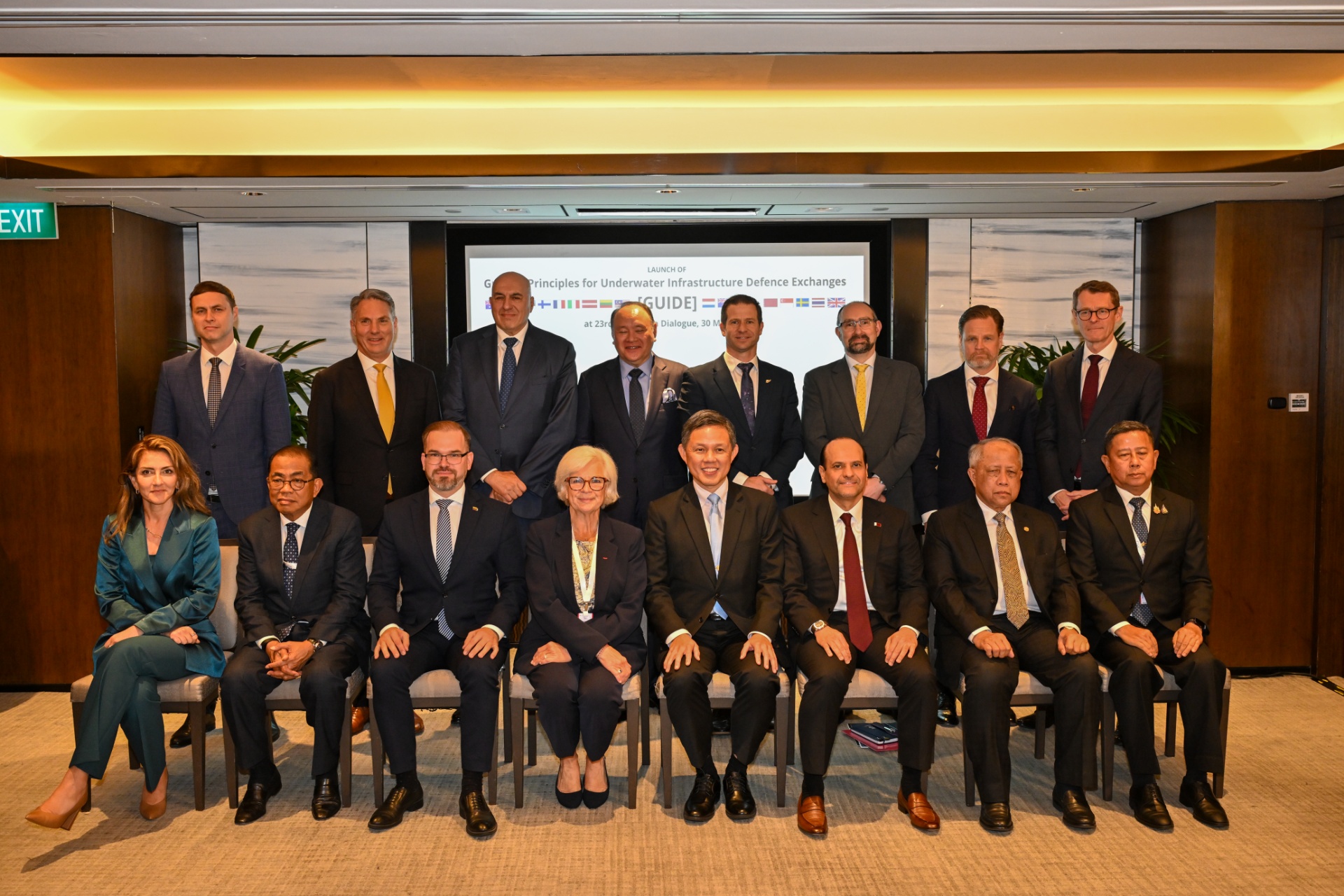
17 countries launch new framework for cooperation on critical underwater infrastructure
30 May 2026
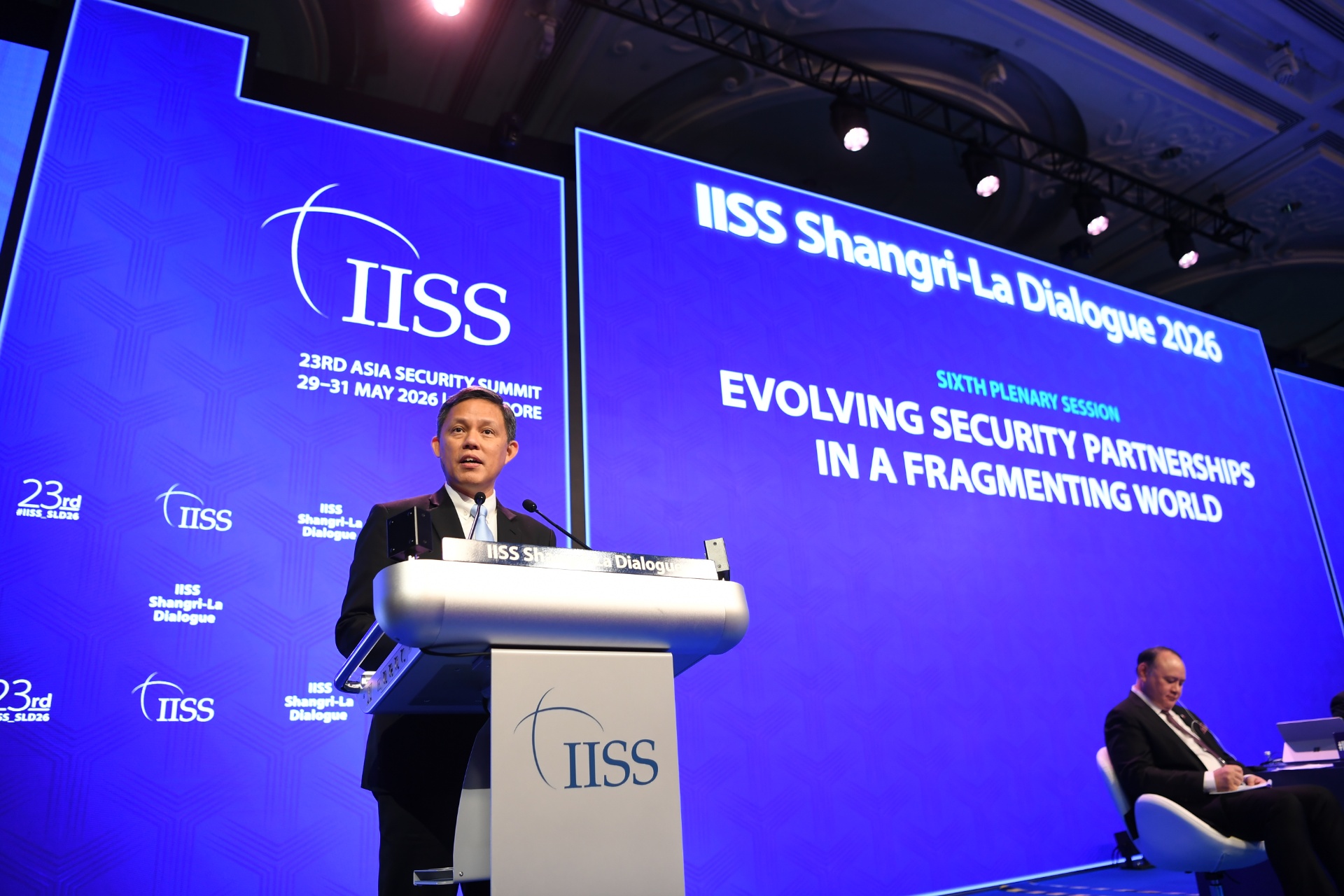
Launched on the sidelines of the 23rd Shangri-La Dialogue, GUIDE is a new framework that brings together countries for defence cooperation in enhancing the security of Critical Underwater Infrastructure.
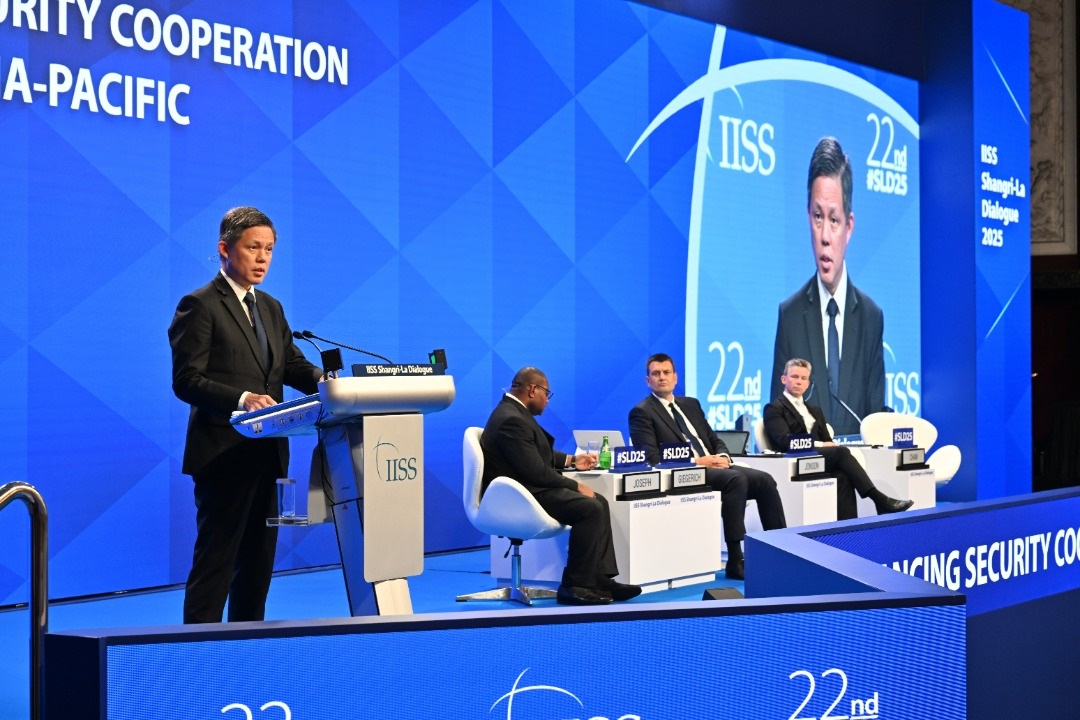
Going alone is not the answer to insecurity – Mr Chan
01 Jun 2025
“Going alone is not the answer to insecurity”, emphasised Minister for Defence Mr Chan Chun Sing at the Shangri-La Dialogue (SLD), held from 30 May to 1 Jun. This was one of his main points at his speech at the sixth plenary session on 1 Jun.
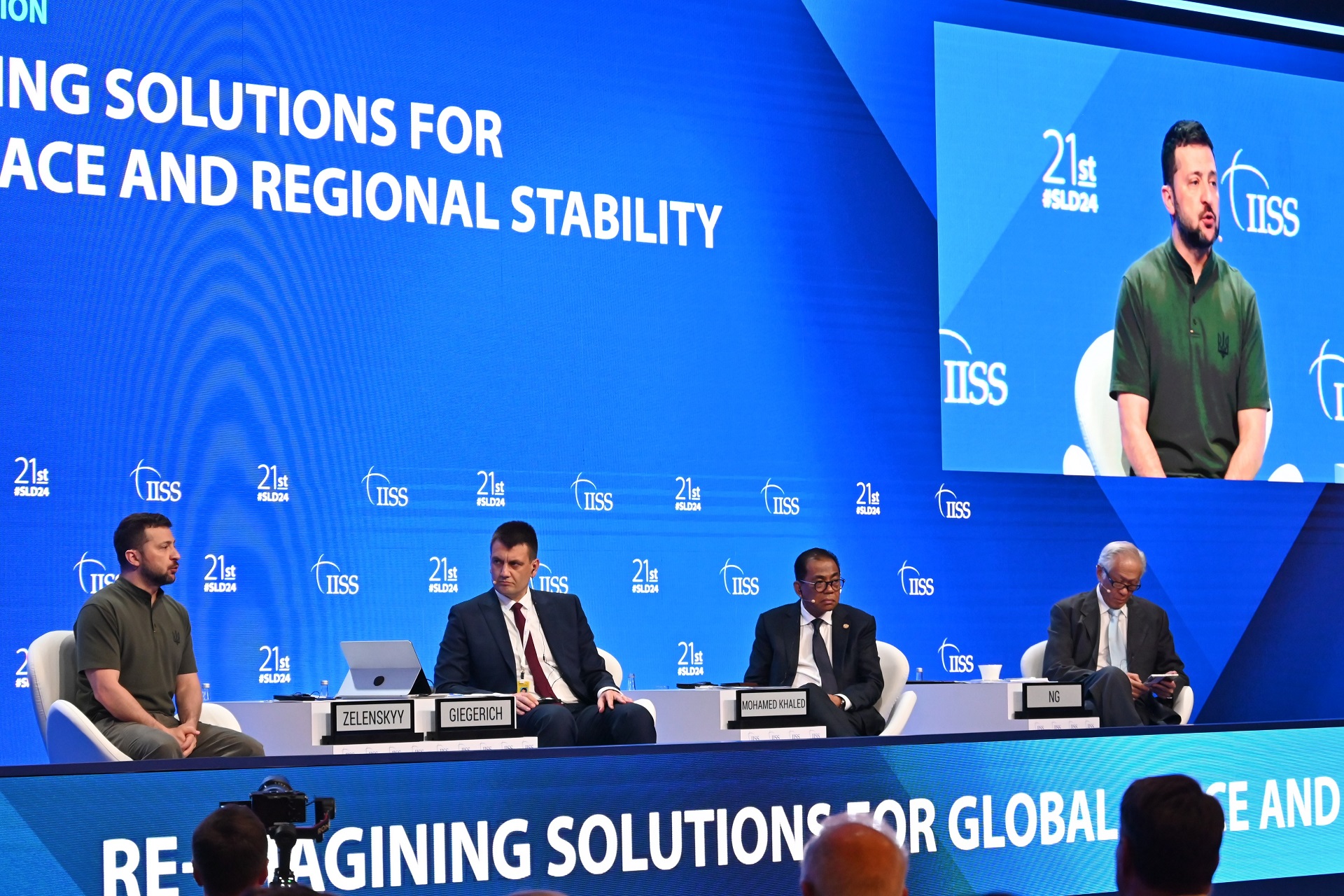
A call for peace at Shangri La Dialogue
02 Jun 2024
A repeated call for peace, especially in Asia. This was Minister for Defence Dr Ng Eng Hen's central message at the 21st Shangri La Dialogue (SLD), held from 31 May to 2 Jun.