
TECHNOLOGY
TESTING BUILDING PROTECTION TECH
18 May 2017
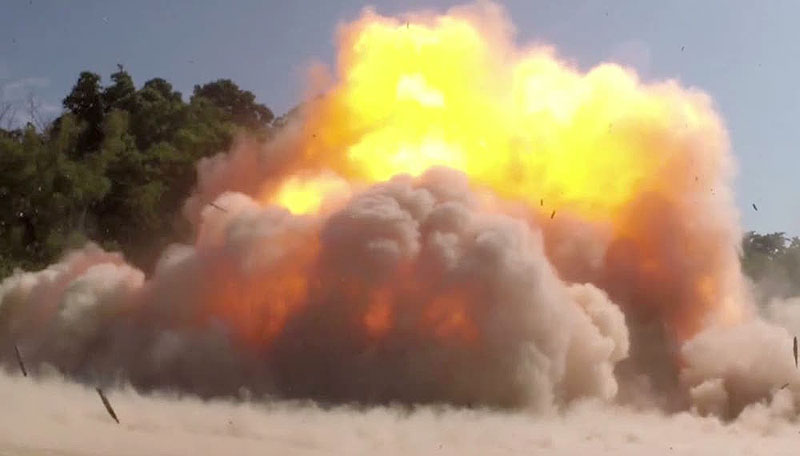
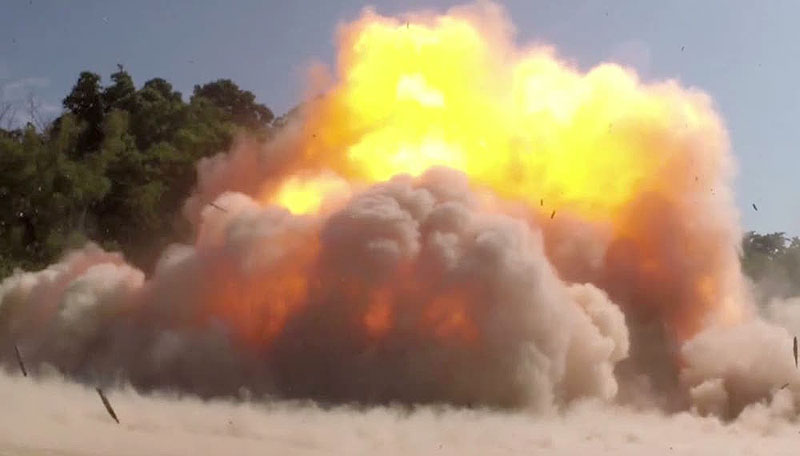
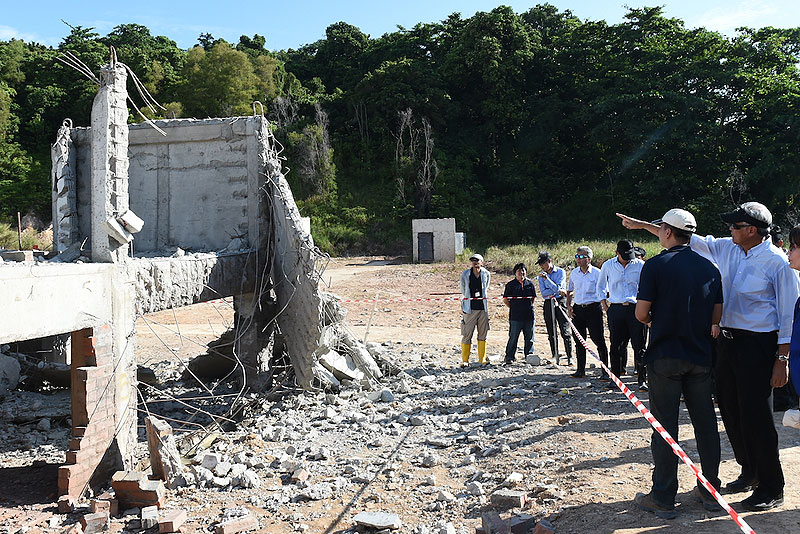
Over the course of 12 days, engineer from the Defence Science and Technology Agency (DSTA) laid waste to a multitude of structures with a series of explosive blasts.
It was not senseless destruction. The data gathered from the blasts will be used to design structures that are more resilient against weapon fire and explosive threats. The DSTA conducted Explosive Testing on Structural Components on Pulau Senang from 15 to 27 May.
One of things tested was the effect of explosions on scaled-down arch-shaped structures (designed for ammunition storage). Using data from the tests, engineers are able to develop advanced simulation models that can predict effects on similar full-sized structures. This minimises the need to conduct large-scale explosion tests.
With terrorist incidents on the rise, DSTA's work in this area is even more relevant today. "While our focus is on protecting military assets, much of the work that we do in terms of blast protection has applications in the non-military (sphere)," said Mr Lee Eng Hua, Director of DSTA's Building and Infrastructure Programme Centre.
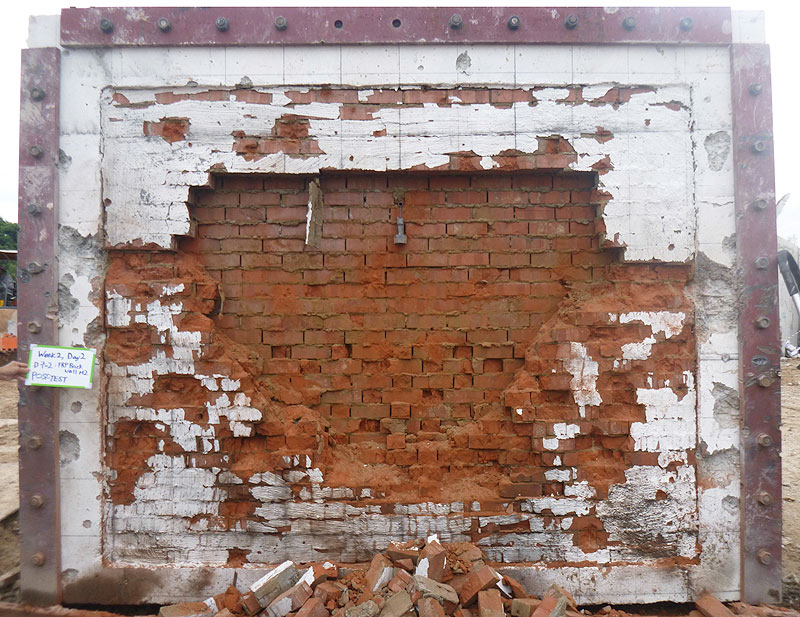
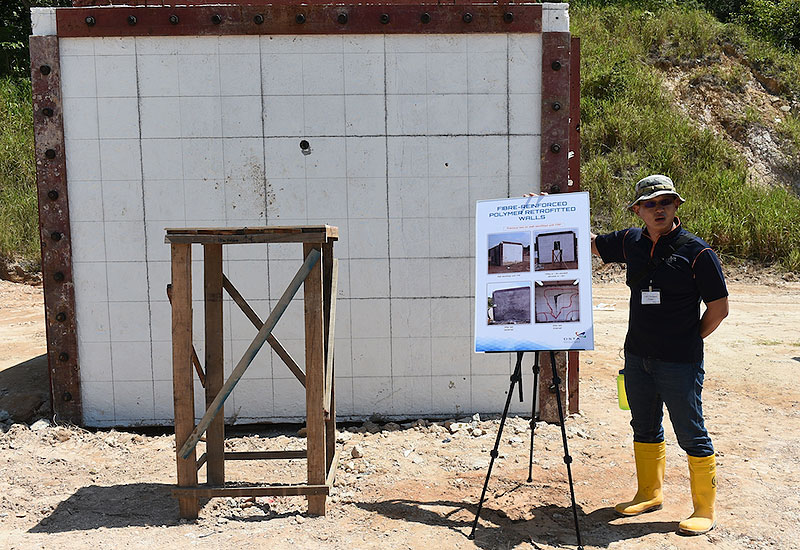
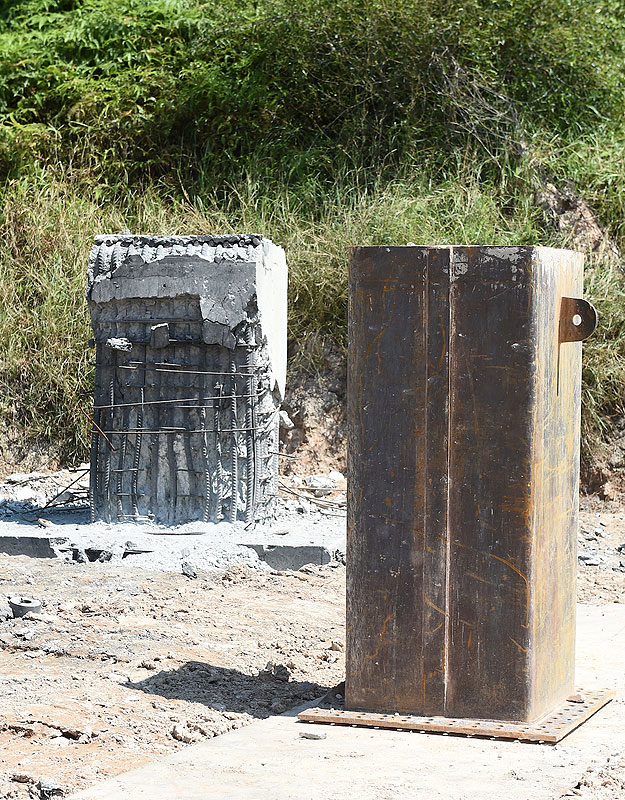
For example, they are studying the protective capabilities of a Fibre-Reinforced Polymer (FRP) on traditional brick-and-mortar buildings. Buildings protected by this thin and lightweight polymer material is better able to survive explosive blasts; occupants are also better protected from the resulting concrete spall (a cause of severe injury which is often fatal).
"So, (applying the polymer material) is a good way to retrofit old buildings that might not have been built to be strong (enough to survive blasts)," said Mr Lee. Walls reinforced with FRP are about 2.5 times stronger than those without the material, and is a cost-effective way of enhancing the resilience of existing structures.
Minster for Defence Dr Ng Eng Hen visited the explosive testing conducted on 17 May, where he observed the blast test to assess and collect data on the effectiveness of the FRP.
In a Facebook post, Dr Ng said:" Many hours of research and study and detailed collection of data followed to assess the damage from explosives to buildings and their occupants. This information will be used to build homes and bomb shelters that can better protect civilians.
"For example, using better design and materials, bomb shelters can have thinner walls or shorter setbacks and yet remain just as survivable. This new information provides us better options in building HDB homes."
He was also briefed on the testing of various other protection capabilities, such as steel jackets used to reinforce concrete columns against Improvised Explosive Devices and advanced ammunition storage facilities. Senior officials from the Ministry of Defence and the Singapore Armed Forces accompanied him on the visit.


ALSO READ IN TECHNOLOGY
Locked & Loaded: SAF Shooting Contingent weapons
26 Nov 2025
AI joins the fight in national cyber defence exercise
12 Nov 2025
AI and closer collaboration among agencies and industry are taking centre stage in this year’s Critical Infrastructure Defence Exercise (CIDeX).
They built this city
01 Oct 2025
Turning vision to reality: the team behind SAFTI City clinches the Defence Technology Prize 2025 Team (Engineering) Award!