
DIPLOMACY
STRENGTHENING MULTILATERAL COOPERATION FOR EFFECTIVE GLOBAL GOVERNANCE
03 Feb 2013
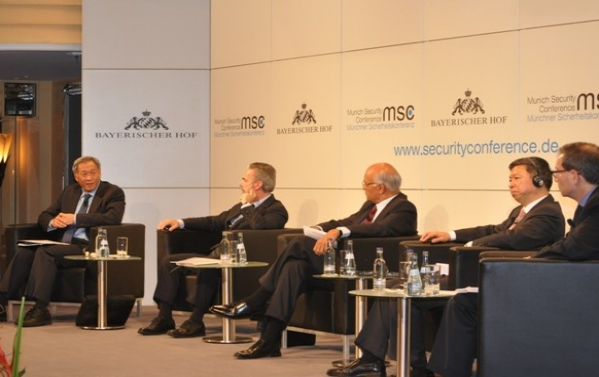
With the rise of global powers such as China and India, "strategic competition...is reality, but this does not exclude, and indeed necessitates, that there be stronger cooperation...to ensure global stability".
This was said by Minister for Defence Dr Ng Eng Hen during a panel discussion at the 49th Munich Security conference.
Held from 1 to 3 Feb, this year's conference was attended by heads of government, defence and foreign ministers, parliamentarians, military leaders and security experts.
Together with Brazilian Minister of External Relations Antonio de Aguiar Patriota, Chinese Vice Minister of Foreign Affairs Song Tao and Indian National Security Advisor Shivshankar Menon, Dr Ng took part in the panel discussion themed "The Rising Powers and Global Governance" on 2 Feb.
Noting that a positive relationship between the United States (US) and China was pivotal to global stability, Dr Ng said it was important for these two countries to widen areas of mutual interest, especially in the areas of trade, commerce, cultural exchanges, people-to-people interactions and military collaboration.
He cited the example of ASEAN as a successful multilateral setting that has helped to build confidence and capacity. Dr Ng also highlighted that an inaugural full-troop multilateral exercise will be conducted in Brunei later this year. Based on the themes of Humanitarian Assistance and Disaster Relief as well as Military Medicine, this exercise will bring together 10 member-nations and plus-eight partners, including US and China.
Dr Ng went on to make three main points about effective global governance. First, he emphasised that governance frameworks should be "open and inclusive, and allow countries, big or small, to have a voice". His next point was that it was important for all nations to adhere to international law dispute resolution mechanisms. He then concluded that "in order for international institutions to be credible, they must deliver real results; and indeed, frameworks and institutions are necessary but insufficient and we need effective leadership".
This is the second time that Dr Ng has attended and spoken as a panellist at the Munich Security Conference. While in Munich, he also addressed the 5th Munich Young Leaders Round Table on Security Policy on the topic of "Forces of Change in the 21st Century" on 1 Feb. The Munich Young Leaders Round Table brings together young leaders from governments, think-tanks and the private sector from the US, Europe, the Middle-East as well as selected Asia-Pacific countries to discuss issues related to foreign and security policy.
At the sidelines of the conference, Dr Ng conducted bilateral meetings with world leaders such as Canadian Minister of National Defence Peter Gordon MacKay, Chinese Vice Minister of Foreign Affairs Song Tao, German Defence Minister Thomas de Maizi re, Indian National Security Advisor Shivshankar Menon, Italian Defence Minister Admiral Giampaolo Di Paola, Swedish Defence Minister Karin M rta Elisabeth Enstr m, United Kingdom Secretary of State for Defence Philip Hammond and US Senator John McCain.

ALSO READ IN DIPLOMACY
A call for peace at Shangri La Dialogue
02 Jun 2024
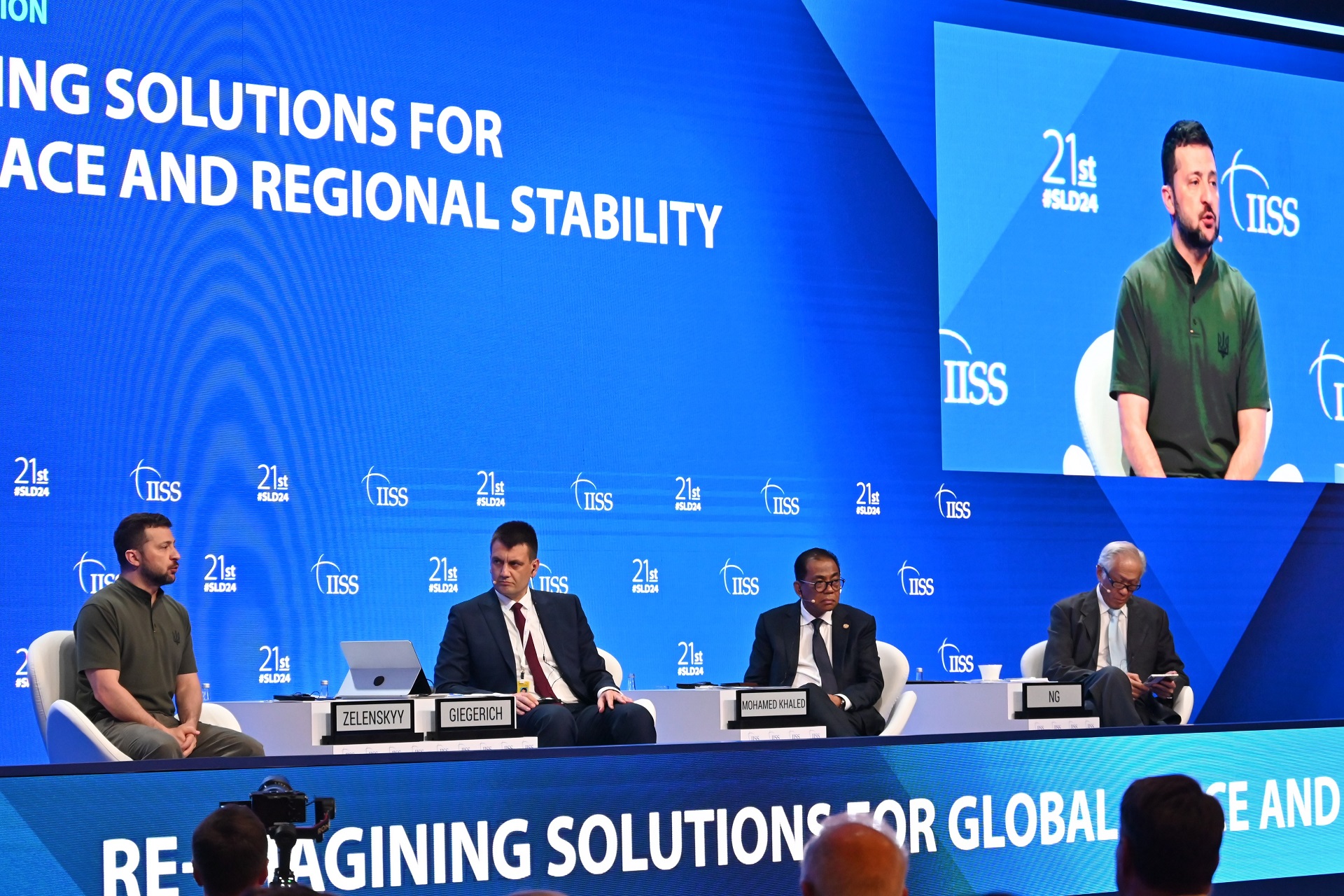
A repeated call for peace, especially in Asia. This was Minister for Defence Dr Ng Eng Hen's central message at the 21st Shangri La Dialogue (SLD), held from 31 May to 2 Jun.
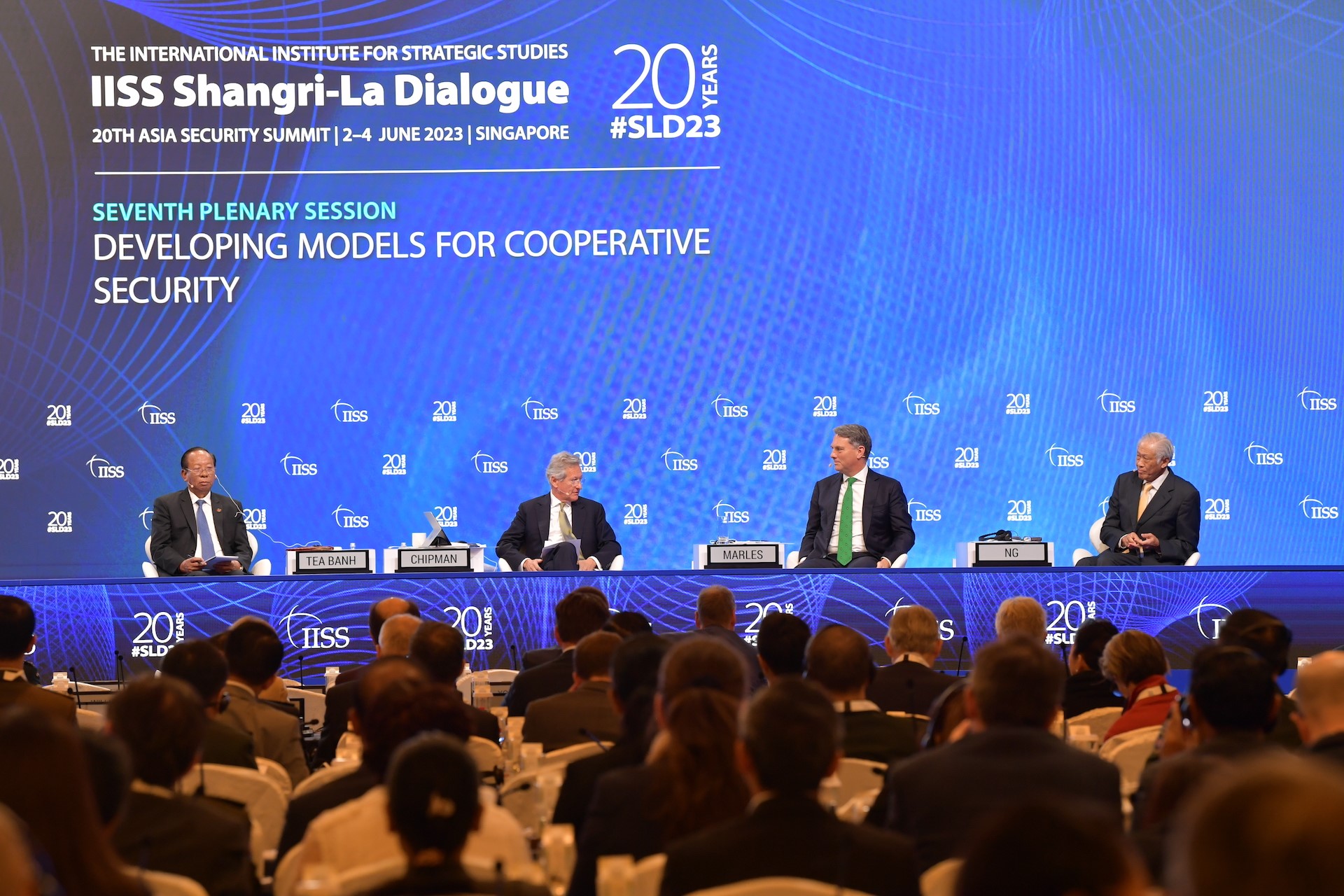
Shangri-La Dialogue sees frank discussion of security issues
04 Jun 2023
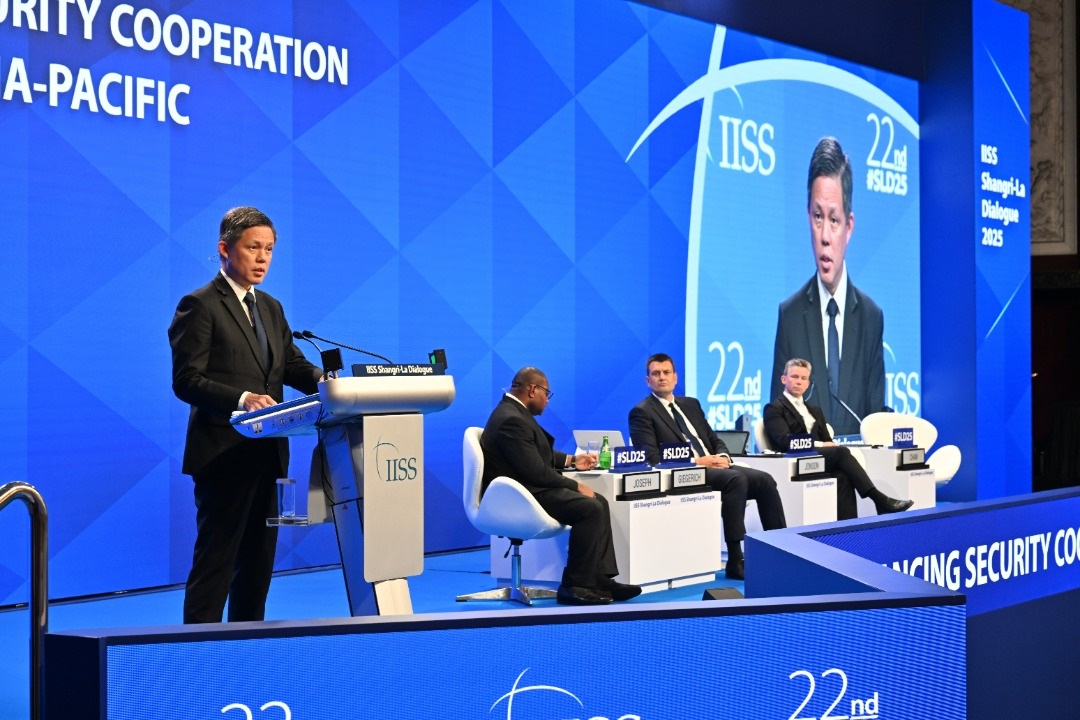
The 20th Shangri-La Dialogue, held from 2 to 4 Jun, saw ministers from around the world meet in Singapore to discuss key defence and security issues.
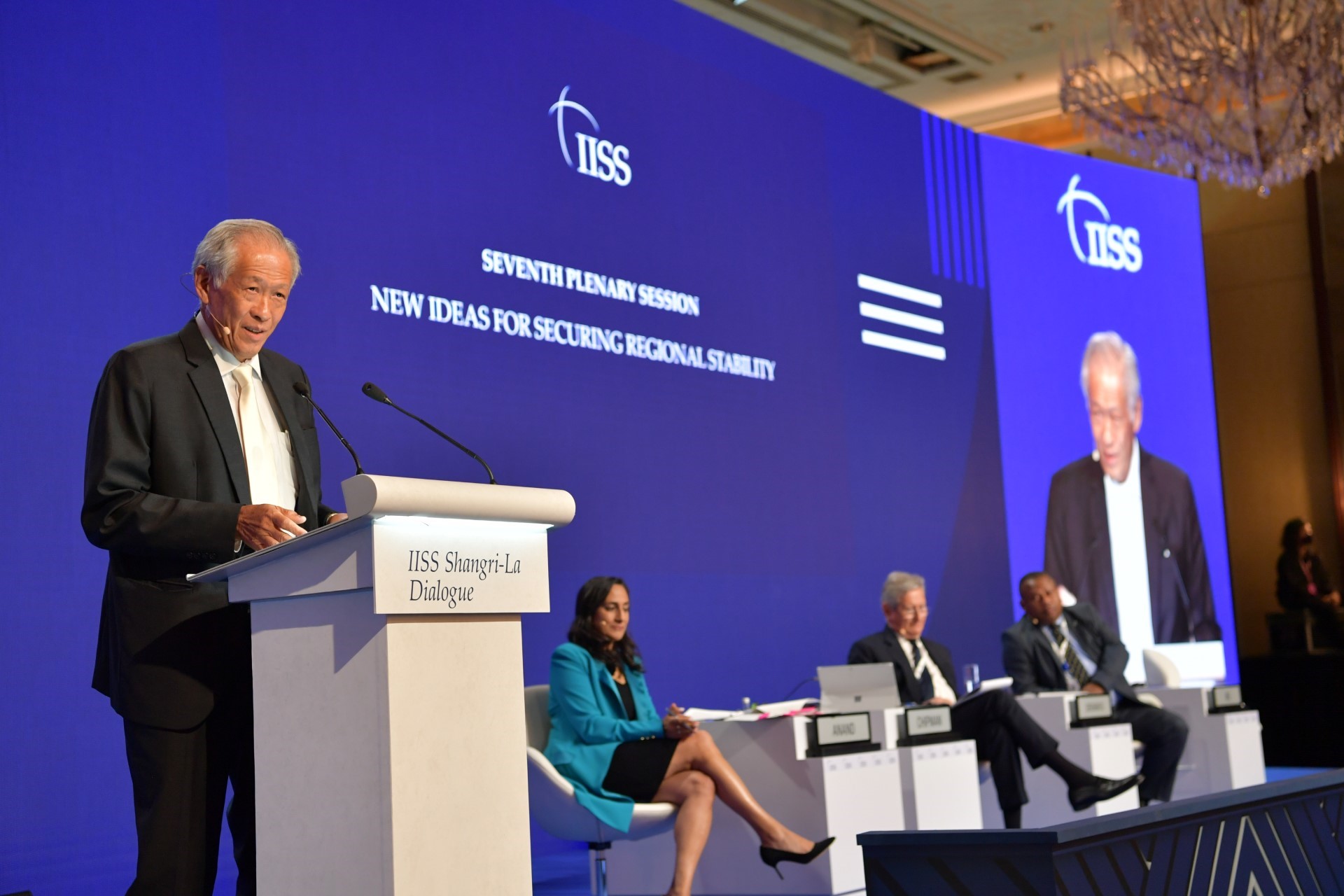
SLD remains valuable platform for crucial discussions: Dr Ng
12 Jun 2022
Minister for Defence Dr Ng Eng Hen spoke on the US-China relationship, the importance of a rules-based order and the role of ASEAN as a regional security platform at the 19th Shangri-La Dialogue (SLD).