
TECHNOLOGY
STRENGTHENING CYBER DEFENCE, HOMELAND SECURITY
30 Jun 2017
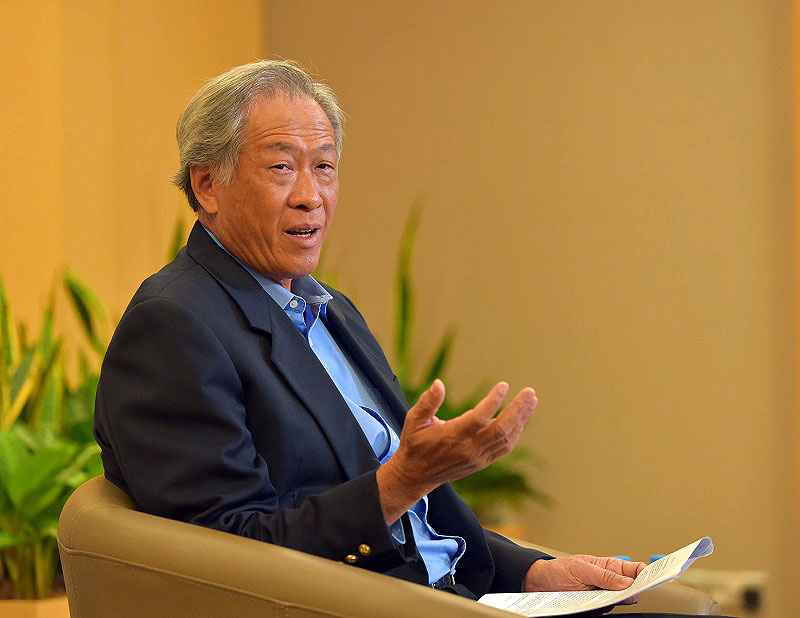
The frequency and scale of cyberattacks around the world is increasing. Singapore is not immune and is, in fact, on a target list, said Defence Minister Dr Ng Eng Hen in an interview held on 27 Jun, ahead of the Singapore Armed Forces (SAF) Day.
"The attacks are orchestrated (and) targeted. They want to steal specific information."
It is for this reason that the Ministry of Defence (MINDEF) and SAF are stepping up efforts on the cyber front.
The SAF will be setting up the C4 Command to coordinate and implement C4 (Command, Control, Communications and Computers) and cyber defence operations and capabilities. It will operate and defend SAF networks that support a full spectrum of SAF operations in both peace and war. The new command will be inaugurated in November this year.
Said Dr Ng as he announced this: "We take it very seriously, (because) it has the same impact as a terrorist's physical attack and it can have physical consequences. And it can affect militaries too."
New C4 Command and re-vocation
The C4 Command will be made up of the Cyber Defence Group and the C4 Operations Group. The former comprises the Network Operations Unit and Network Monitoring Unit, while the latter includes the Security Monitoring Unit, Incident Response and Audit Unit and Cyber Defence Test and Evaluation Centre.
It will be staffed by about 2,000 Regular and national servicemen over the next 10 years.
To meet the demands of dealing with these new threats, the SAF is also looking to re-vocation national servicemen with outstanding expertise and skills in cybersecurity as cyber defenders.
The first of such servicemen to be re-vocationed is Full-time National Servicemen (NSF) Private (PTE) Velusamy Sathiakumar Ragul Balaji. The military policeman was invited to become a cyber defender after his team won the University/Polytechnic category competition at the Cyber Defenders Discovery Camp held in early June.
For 18-year-old PTE Ragul, the re-vocation is a dream-come-true. As a regular participant of the competition, he had heard about the plans to establish a cyber command in the SAF, and hoped that he could serve his NS there. "This is something I've been looking forward to, even before NS. Now that I'm re-vocationed, I'm really excited to see what it holds."
On the re-vocation, he said: "It will benefit both the person serving and the SAF. The SAF will be very efficient if they hire people who are very interested and can put in their 200 percent."
Although the C4 Command will be drawing from the same pool of manpower resources as the combat vocations, Dr Ng explained that the SAF's move towards automation and platform designs that reduce manpower, such as the HIMARS, have already helped to free up soldiers and commanders to take on other roles.
On whether there will be a trade-off in placing a combat-fit soldier with cybersecurity expertise in a cyber vocation, Dr Ng said: "We are able to meet our needs and the threats that the SAF has to respond to because of the use of technology, as well as national servicemen doing more."
"Because of these new vocations, more National Servicemen can (now) be deployed," he added.
Stepping up homeland security
The SAF will continue to strengthen its efforts in fighting terrorism. Dr Ng pointed out that Singapore remains a target of terrorists. As recently as last year, a plot to target the Marina Bay area was uncovered and disrupted by Indonesian authorities.
With the rising threat of terrorism, the SAF will be training more Operationally-ready National Servicemen (NSmen) to take on active roles in island defence and homeland security. Starting July, NSmen will see their roles expanded to include homeland security operational duties, where they will work alongside Regulars and active servicemen to support the Home Team.
Selected Army NS units will also take on homeland security operations during their In-camp Training. In the event of an emergency, they may be deployed for operations such as joint deterrence patrols with the Singapore Police Force (SPF), coastal surveillance and protection of key installations.
Although the inclusion of NSmen will be a new measure, joint efforts between the SAF and SPF are not new. Last October, the SAF joined the Home Team in an island-wide counter-terrorism exercise. The Island Defence Task Force worked with the Home Team in a series of exercises and scenarios, including joint deterrence patrols.
Corporal First Class (CFC) Mohammad Syafiq Danial bin Samsaidi from 4th Battalion, Singapore Infantry Regiment (4 SIR) was one NSF who participated in the exercise. The 21-year-old infantry trooper found the experience of carrying out joint patrols with SPF officers a fruitful one: "We learnt how to work alongside SPF officers and how they engage the public. They will usually handle the situation first while we provide support. We need to know when to step in to help."
From July, the Island Defence Training Institute (IDTI) located in Clementi Camp will begin training soldiers from active and NS units in homeland security operations. The training will focus on further developing urban operation skillsets and adapting to homeland security operations. It will train 18,000 soldiers every year.
Technologies such as Judgmental Video Simulation Training provide realistic and effective training in simulated homeland security operations scenarios, and exercise soldiers' ability to decide if a target is a friend or foe.
The Judgmental Video Simulation Training, located at the Infantry and Gunnery Tactical Simulator, was part of CFC Syafiq's preparation for the exercise. For him, the customised training was useful in building up his confidence: "These build up towards our operations to help us be more confident on the ground."
To reinforce maritime security, the Republic of Singapore Navy (RSN) will be deploying two fully autonomous Mine Countermeasure Unmanned Surface Vessels (USVs), Dr Ng said. The USVs are currently undergoing tests and are expected to be operational by 2020.
"(Patrolling) the Singapore Strait requires continuity, and I think some of these operations are best done unmanned," Dr Ng said. "(Using USVs) is more sustainable, (so) you can be more alert."
In addition, the RSN's Maritime Security Task Force will also be leading Exercise Highcrest, which involves various national security agencies, in October.
Singapore's air defences will also be strengthened. The Republic of Singapore Air Force's (RSAF's) Island Air Defence (IAD) system, a multilayered, networked and island-wide system, will be enhanced.
Through enhancements such as the Combat Management System (CMS), the system can now see more, and is more capable in dealing with a wider spectrum of threats.
The CMS, developed by the Defence Science and Technology Agency (DSTA), fuses information from multiple sources to present an integrated and comprehensive air situation picture, allowing the RSAF to be more responsive to threats.
Mr Tan Bing Wen was part of the team that worked on the IAD system integration. The 33-year-old Programme Manager (Networked Systems) in DSTA explained the advantages of the CMS: "Previously, air defence systems tended to be organic - sensors and weapon systems had to be paired together and data could not be shared among other systems. And we needed a lot of land and manpower to deploy every system.
"By combining the sensors and weapon systems together in a network and (helping) operators manage these resources in real time, we actually free up commanders so that they can focus on warfighting. It increases the responsiveness and effectiveness of our air defence."
While the requirements of the SAF have expanded, Dr Ng reiterated that the focus on training for conventional warfare remained crucial.
"Terrorism, cyberattacks, these are new domains. (But) it has not reduced the demands for (dealing with) conventional threats. We do not get to choose; it is not 'either/or', it is 'and'."
More recognition for NSmen
NSmen can also expect to take on more command roles, Dr Ng announced: "This year, we will see 46 NSmen being promoted to pinnacle appointments."
In addition, to mark 50 years of National Service, more than 300 retailers and companies are offering special promotions to past and present national servicemen for SAF Day. Highlighting that this was a ground-up initiative, Dr Ng noted that this was the largest number of retailer participation since the movement was started in 2013. The promotions will run from 30 Jun to 10 Aug.

ALSO READ IN TECHNOLOGY
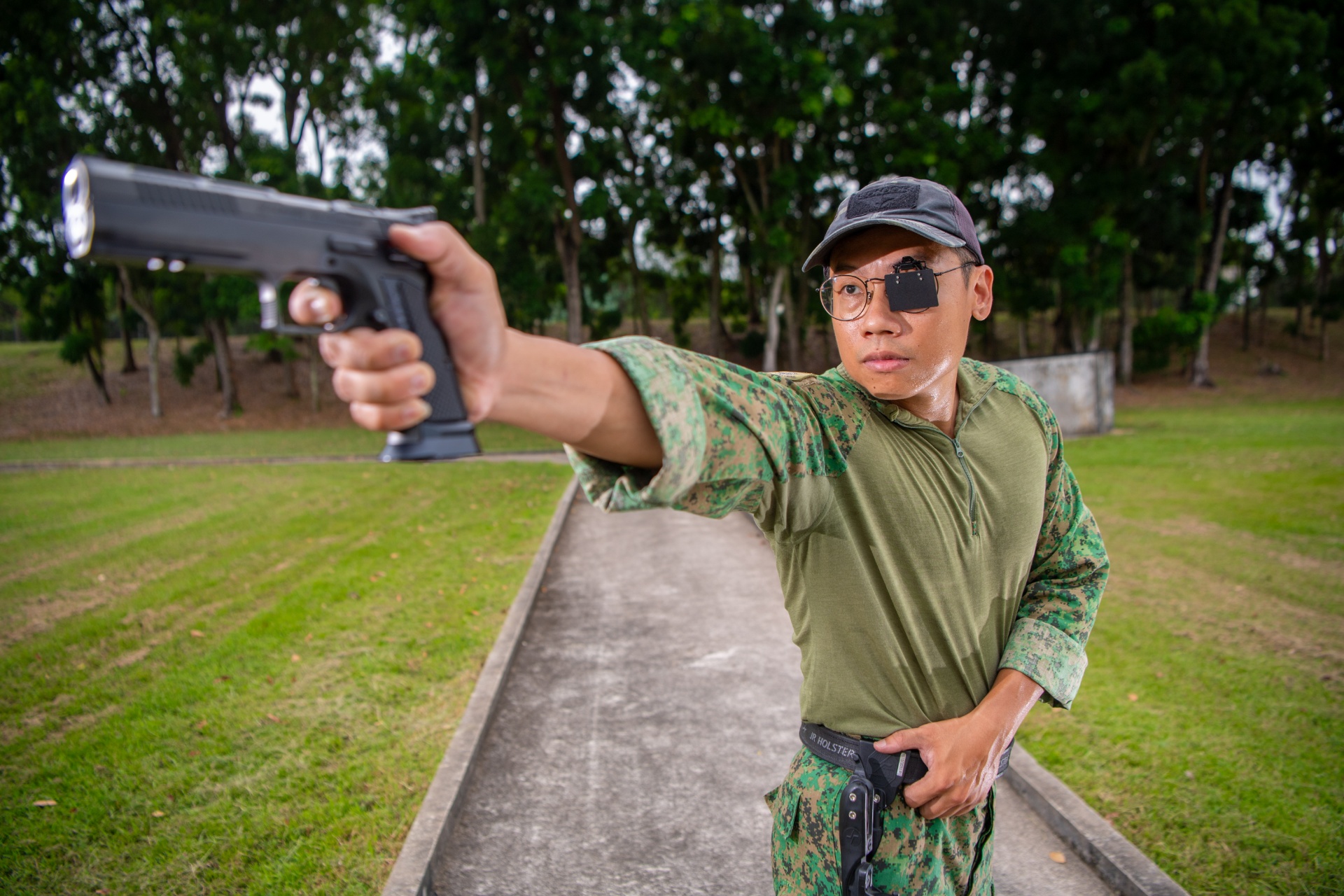
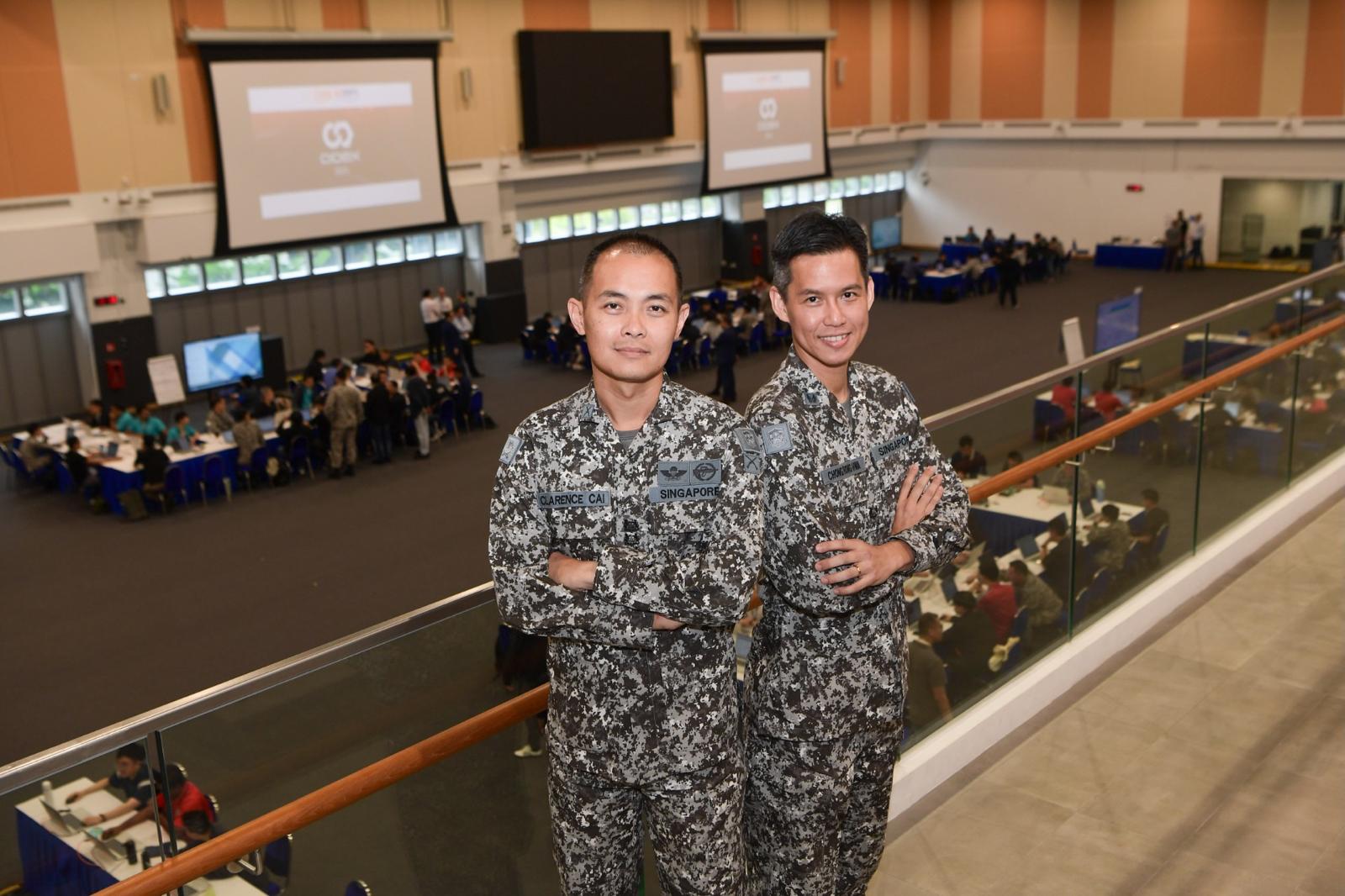
AI joins the fight in national cyber defence exercise
12 Nov 2025
AI and closer collaboration among agencies and industry are taking centre stage in this year’s Critical Infrastructure Defence Exercise (CIDeX).
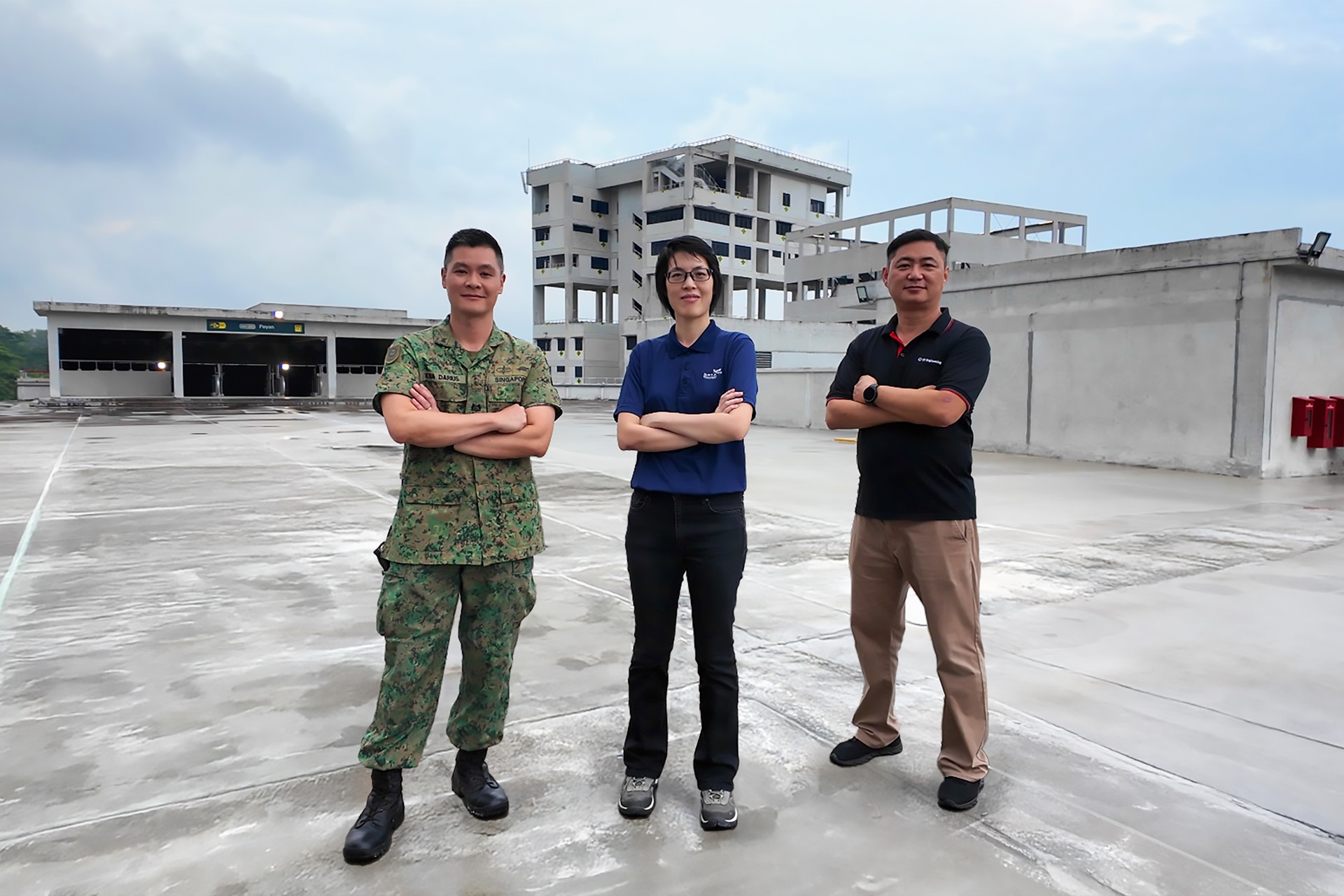
They built this city
01 Oct 2025
Turning vision to reality: the team behind SAFTI City clinches the Defence Technology Prize 2025 Team (Engineering) Award!
Operating over skies & seas
22 Aug 2025
This gear is designed to help a Sensor Supervisor survive emergencies in the air and at sea.