
DIPLOMACY
RULES-BASED ORDER A MUST FOR REGIONAL PROGRESS: DR NG
02 Jun 2018
A rules-based order among countries is necessary for the progress and prosperity of the Indo- and Asia-Pacific region.

A rules-based order among countries is necessary for the progress and prosperity of the Indo- and Asia-Pacific region.
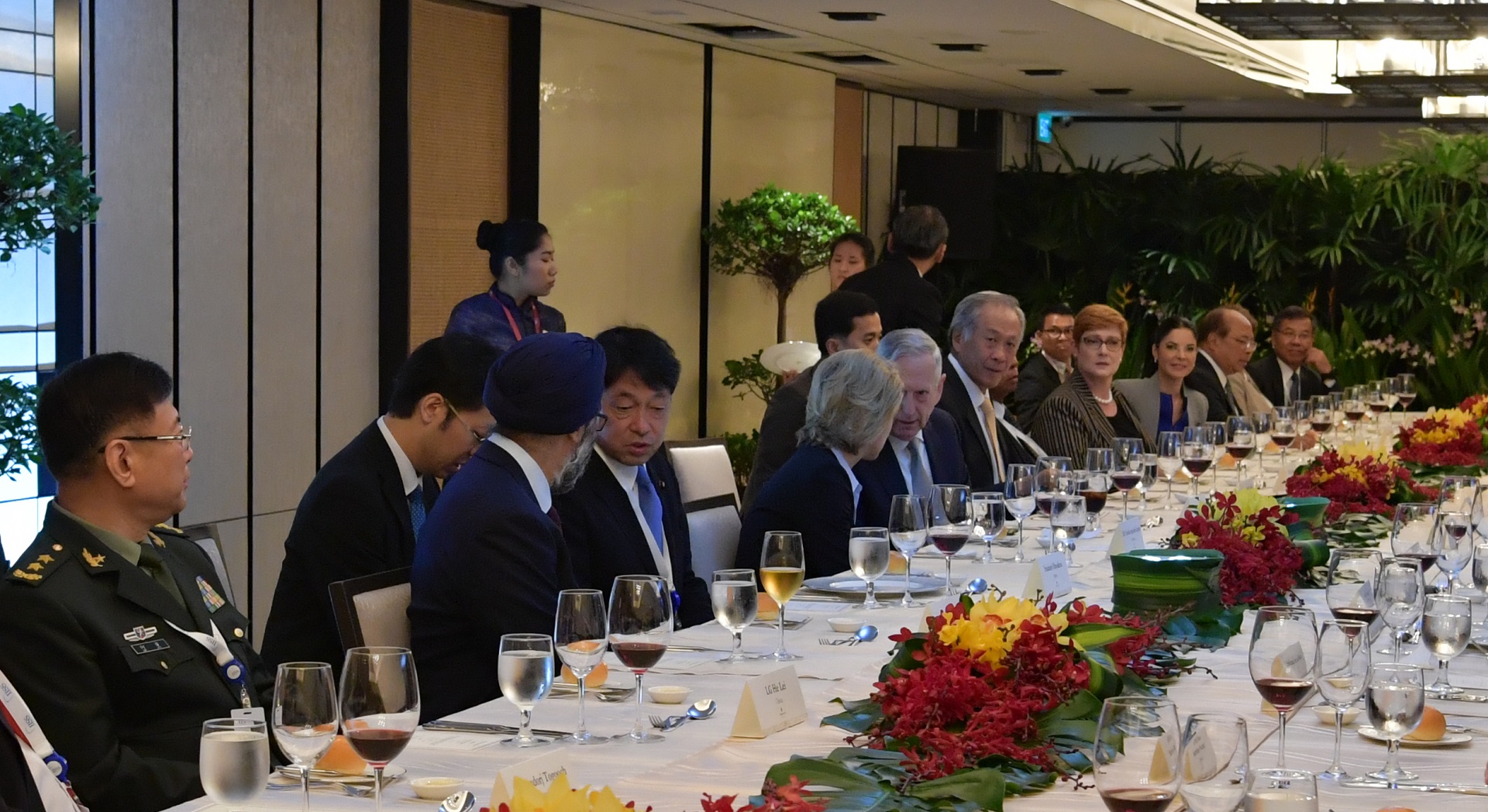
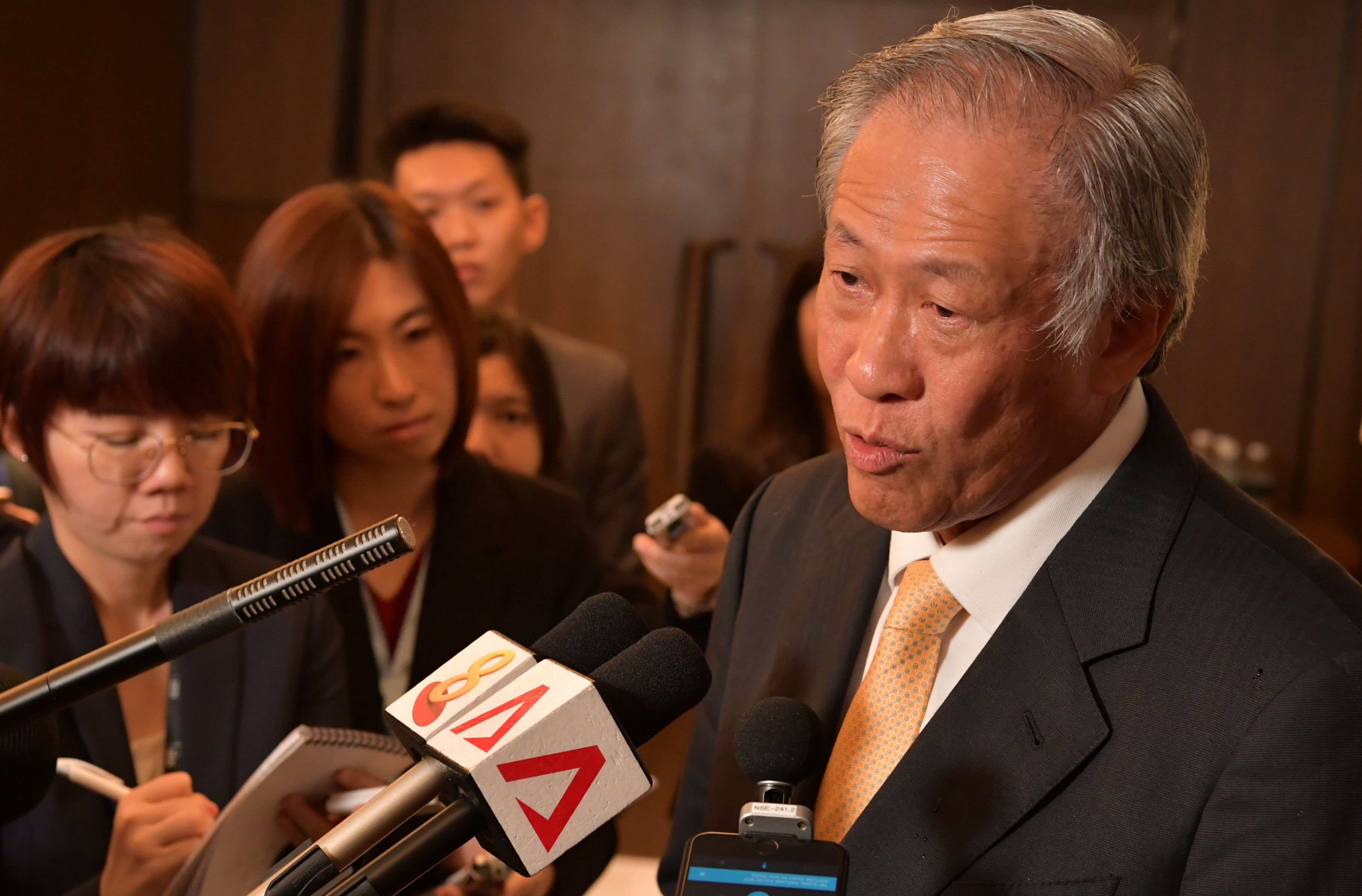
Minister for Defence Dr Ng Eng Hen made this point on the sidelines of the 17th Shangri-La Dialogue on 2 Jun. He was speaking to media after hosting a Ministerial Roundtable which included United States (US) Secretary of Defence James Mattis and Vice President of the People's Liberation Army Academy of Military Science Lieutenant-General He Lei.
Held from 1 to 3 Jun, the Dialogue is an annual defence and security summit for the Asia-Pacific region.
Calling the roundtable discussion a productive one, Dr Ng said: "Everyone agreed that for the region to progress, rules must be applied to all, big and small. We need to have shared commonalities and (find) resolution by peaceful means."
He also expressed his hopes for the US and North Korea summit to take place as "a dialogue is always better and it's a good starting step to (resolving) the problems".
He added that Singapore will be a good host, and security agencies from the Home Team and the Singapore Armed Forces have been ramping up security to ensure the safety of all who attend the summit.
"It's going to be positive if it occurs. It's constructive and a concrete step forward - let's hope and plan that if it takes place, (it's) for the best," said Dr Ng.
Sharing his thoughts on a comment by Indian Prime Minister Narendra Modi on how ASEAN can inspire countries to unite for a common goal, during Mr Modi's keynote address on 1 Jun, Dr Ng said that it was a vision worth aspiring to.
"ASEAN represents the greatest diversity... Yet out of that diversity, we've managed to form a collective body (and voice) in many issues. Prime Minister Modi put it very beautifully that ASEAN can lead many countries (to achieve) that kind of unity."
Dr Ng also signed agreements with Germany and the United Kingdom (UK) on the sidelines of the Dialogue on 2 Jun.
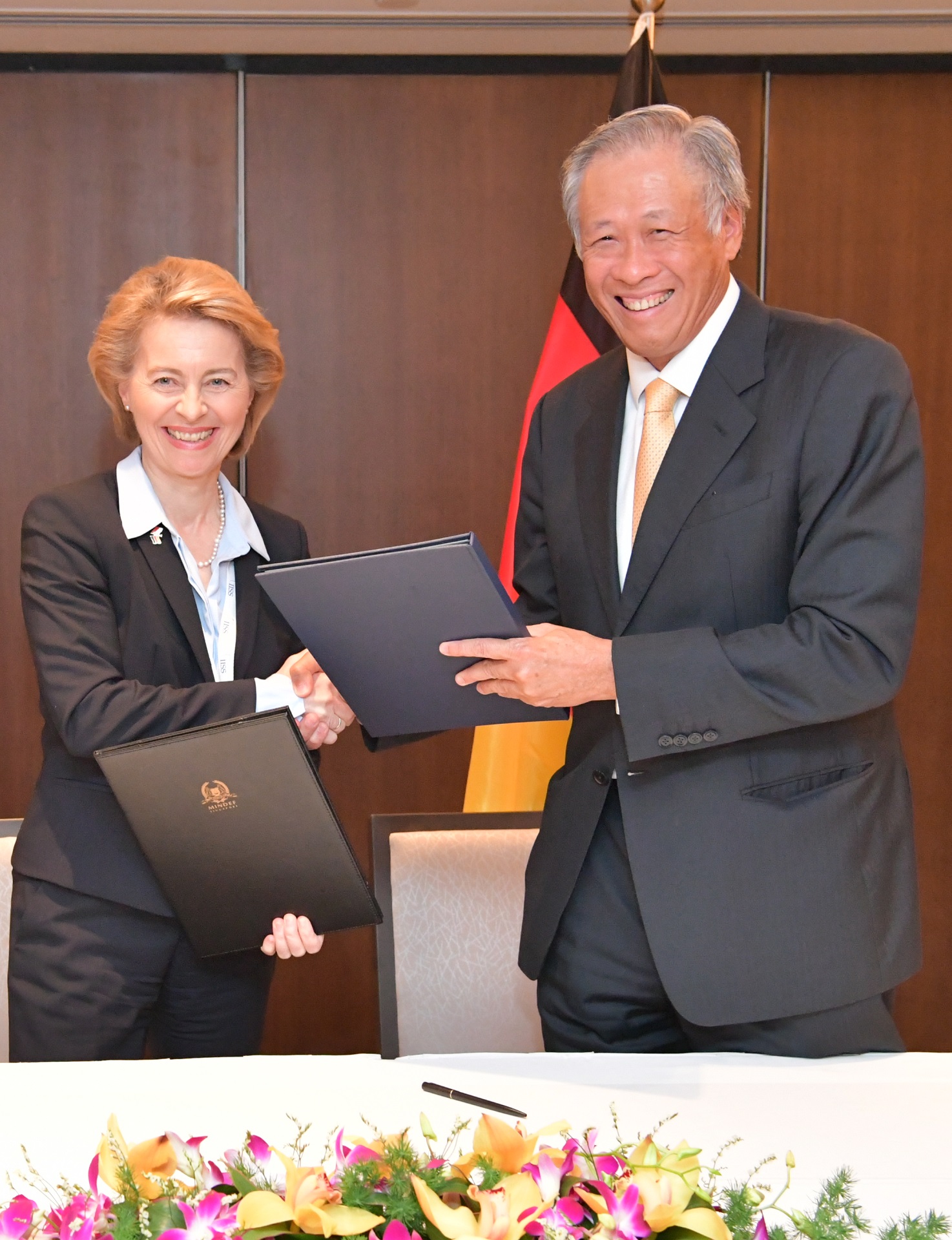
An enhanced Defence Cooperation Agreement (DCA) between Singapore and Germany was signed by Dr Ng and German Federal Minister of Defence Dr Ursula von der Leyen.
Building on the first DCA signed in 2005, the new Agreement consolidates key areas of existing cooperation between both countries and paves the way for future cooperation, particularly in non-conventional security areas such as cyber and hybrid threats.
Speaking to media after the signing, Dr Ng highlighted the warm and growing defence relationship between Singapore and Germany, and said it was timely to strengthen bilateral defence ties through the signing of the agreement.
Noting that it had been more than 10 years since the last DCA signing, Dr Ng said that the two countries "may be separated by oceans and thousands of kilometres apart, but both face cyber threats on a daily basis."
He added: "This (agreement) is very significant, and this positions us much better for the future."
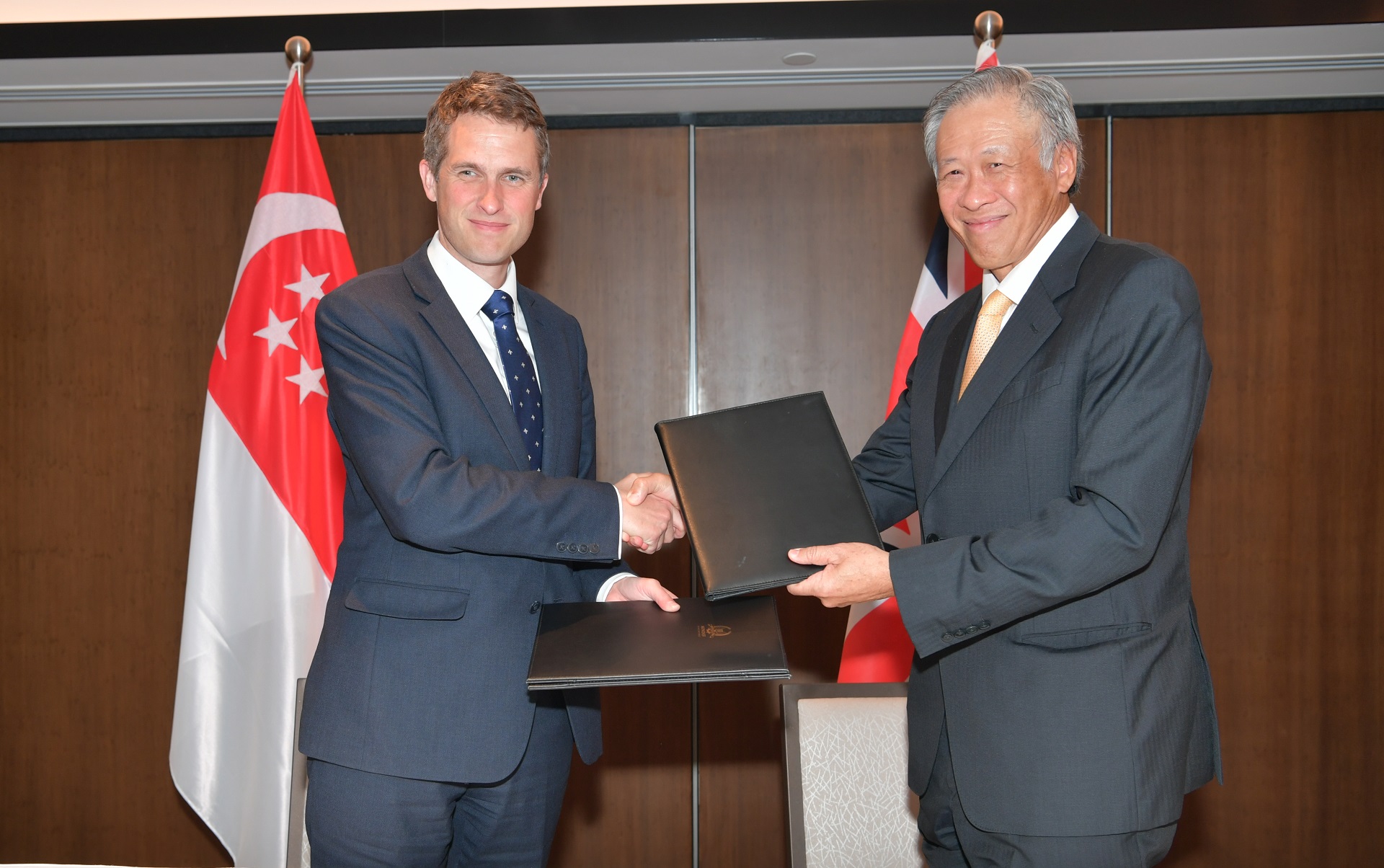
Later in the evening, Dr Ng and UK Secretary of State for Defence Gavin Williamson signed a Defence Cooperation Memorandum of Understanding (DCMOU) between Singapore and the UK.
This inaugural defence MOU aims to encapsulate the existing defence relationship and areas of cooperation between the two countries, as well as provide a foundation for future defence cooperation in more specific areas.
"Not only does (the MOU) reaffirm our close bilateral ties, it demonstrates joint ambition for our defence relationship by outlining what (our future) partnership looks like," said Mr Williamson.
He added that beyond looking at cybersecurity, non-conventional warfare and counter-terrorism, as well as maritime security and disaster relief, the MOU is a partnership of innovation and scientific development so that both countries will have cutting-edge capabilities to tackle the threats of tomorrow.
"This is also a partnership that will keep our Five Power Defence Arrangements (FPDA) as a beating heart of our defence, by providing facilities to support the FPDA units, as well as ships and planes to support (the) exercises," said Mr Williamson. He also said that the Royal Navy and the British Army will be participating in Exercise Bersama Lima, an FPDA exercise, this October.
Dr Ng expressed his gratitude for the UK's unwavering commitment to maintaining security in the Asia-Pacific region.
"(The signing of this MOU) signals the UK's and Singapore's desire to deepen defence ties bilaterally. (There are) new security challenges… (and we will work) with UK on our various challenges together in mutually beneficial ways."
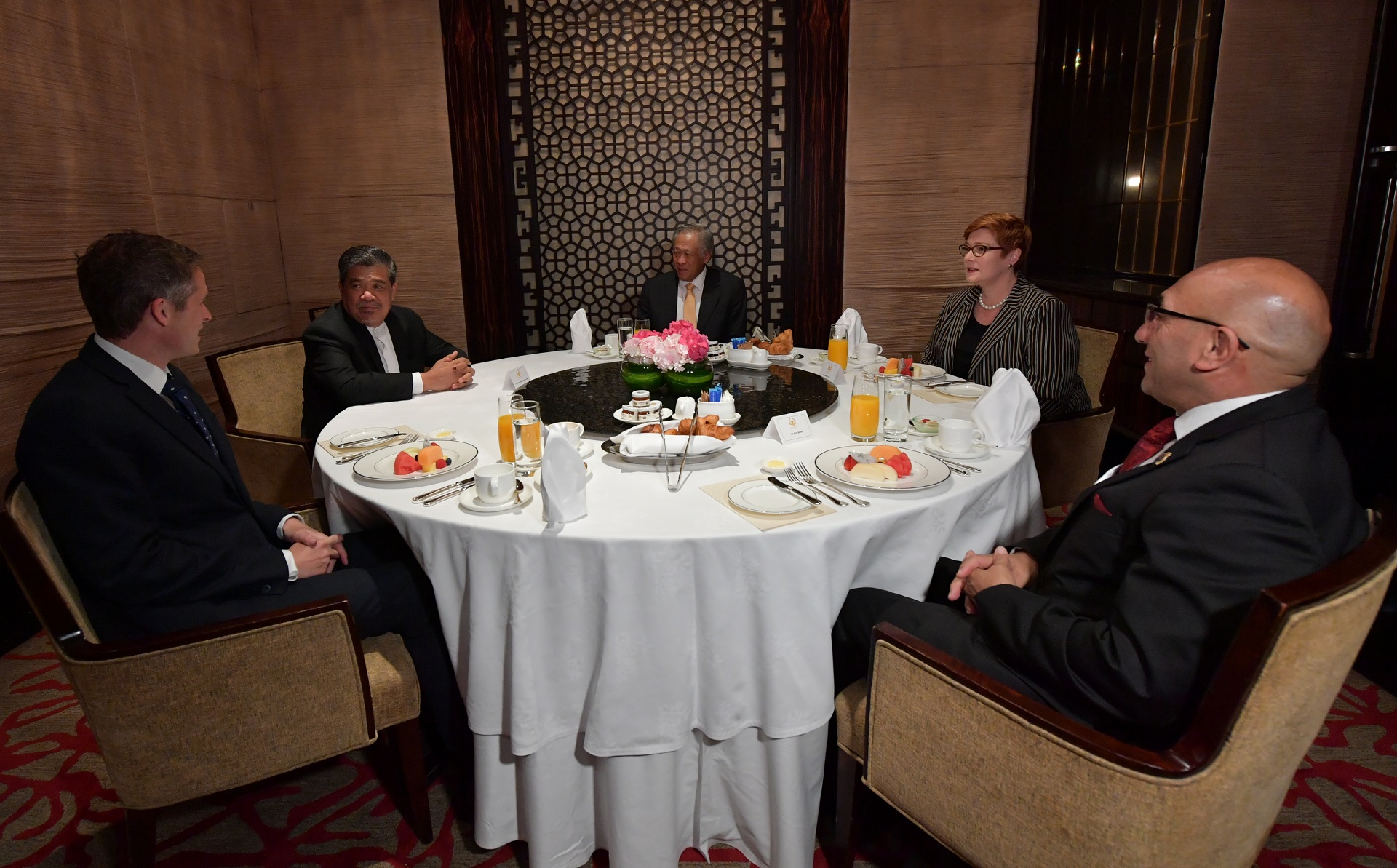
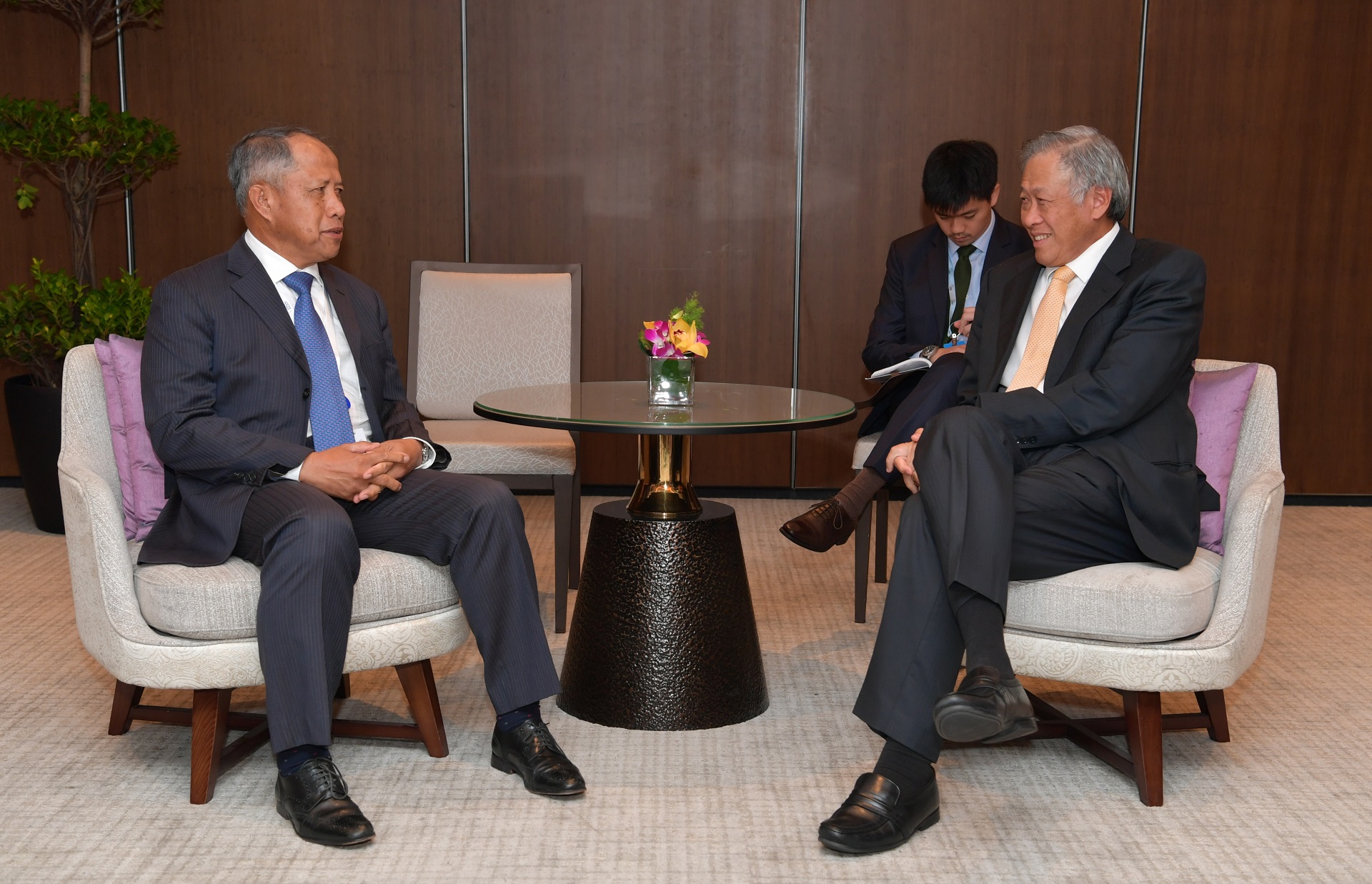
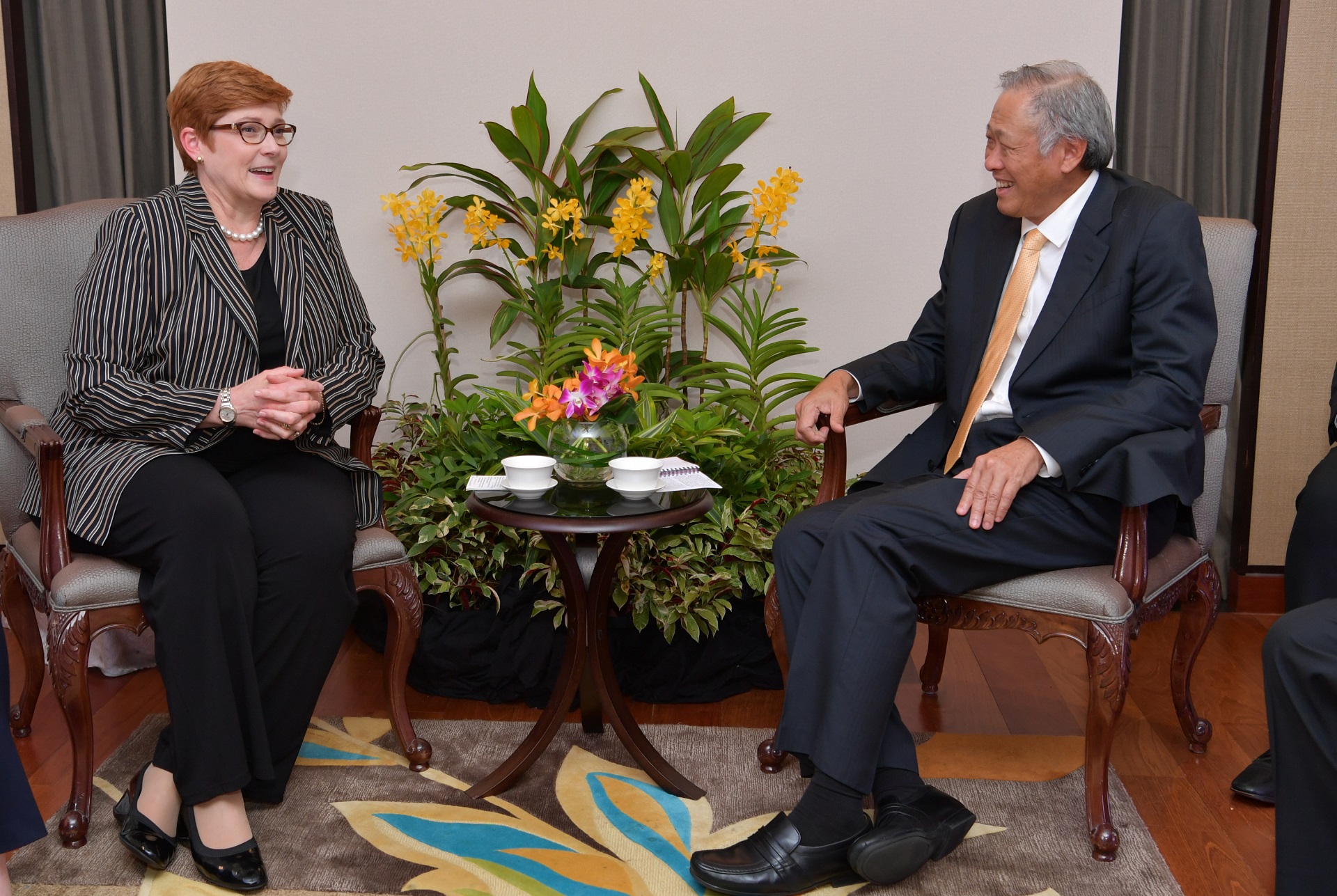
Earlier this morning, Dr Ng hosted breakfast for Malaysian Minister of Defence Mohamad Sabu, Australian Minister for Defence Marise Payne, New Zealand Minister of Defence Ron Mark, and Mr Williamson. The ministers reaffirmed their nations' commitment to the FPDA and its importance as a constructive, transparent and peaceful arrangement in the region.
In addition, they agreed that the FPDA should be updated and continually evolve to meet current and future security challenges, such as Humanitarian Assistance and Disaster Relief and other non-traditional transboundary threats.

ALSO READ IN DIPLOMACY
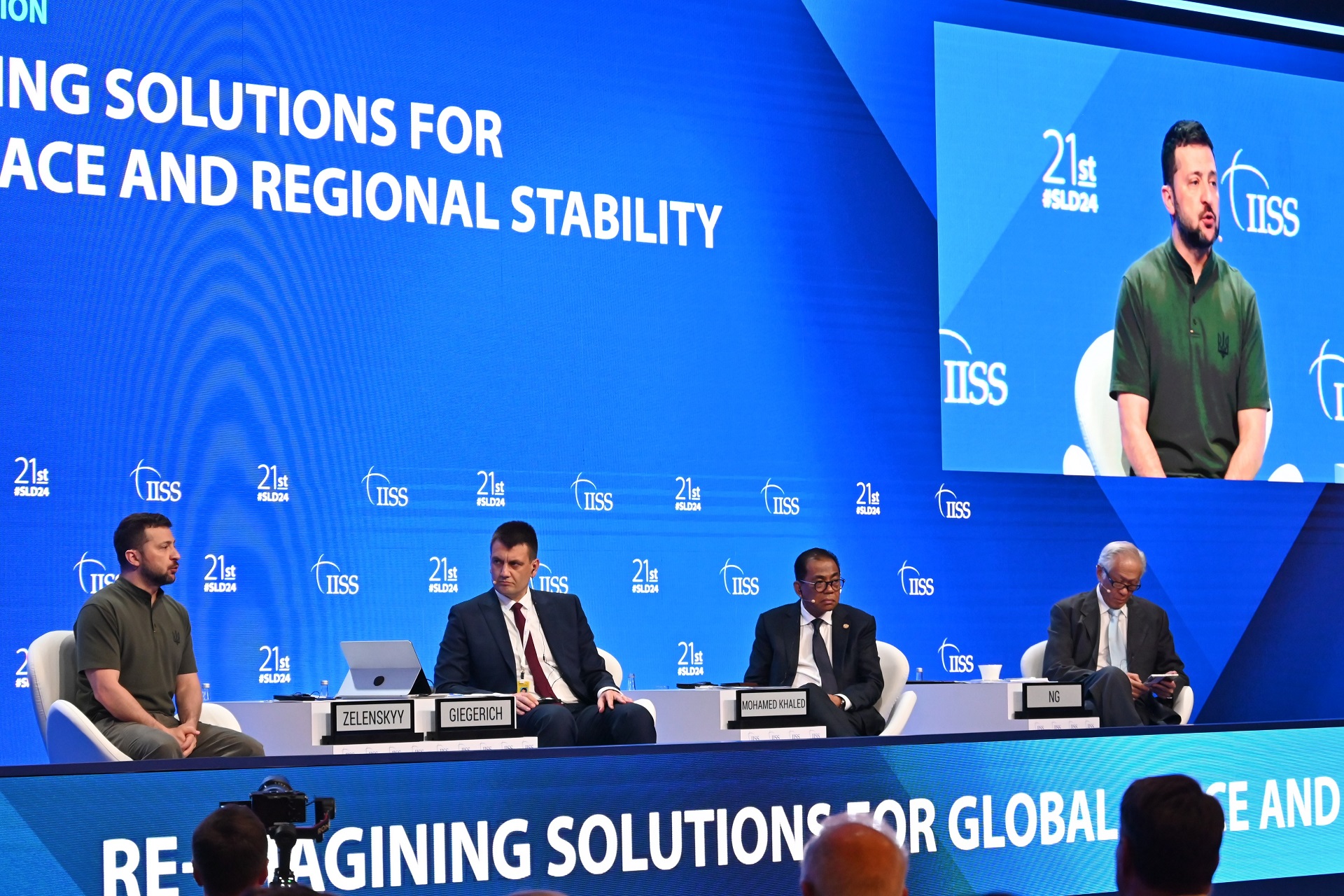
A call for peace at Shangri La Dialogue
02 Jun 2024
A repeated call for peace, especially in Asia. This was Minister for Defence Dr Ng Eng Hen's central message at the 21st Shangri La Dialogue (SLD), held from 31 May to 2 Jun.
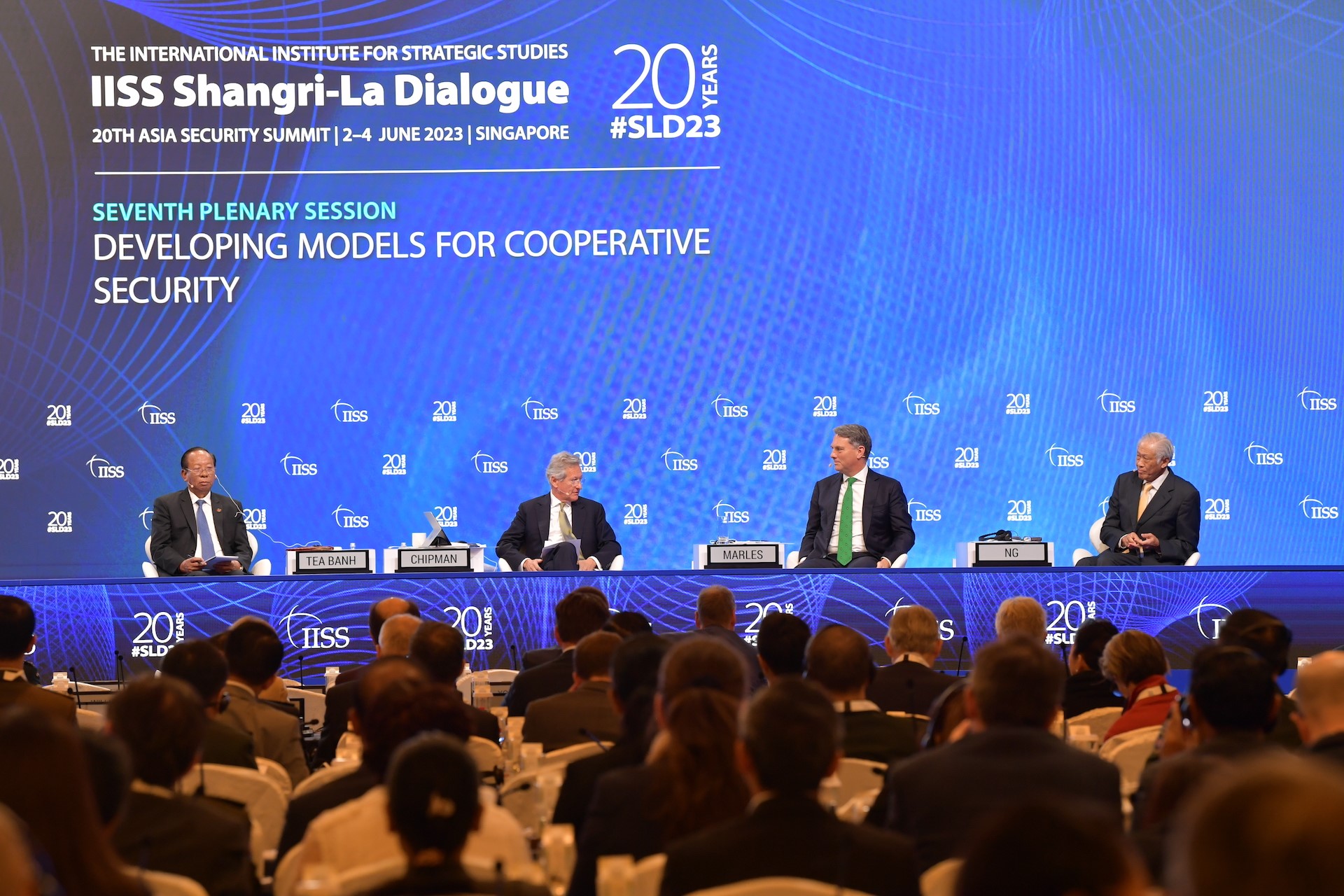
Shangri-La Dialogue sees frank discussion of security issues
04 Jun 2023
The 20th Shangri-La Dialogue, held from 2 to 4 Jun, saw ministers from around the world meet in Singapore to discuss key defence and security issues.
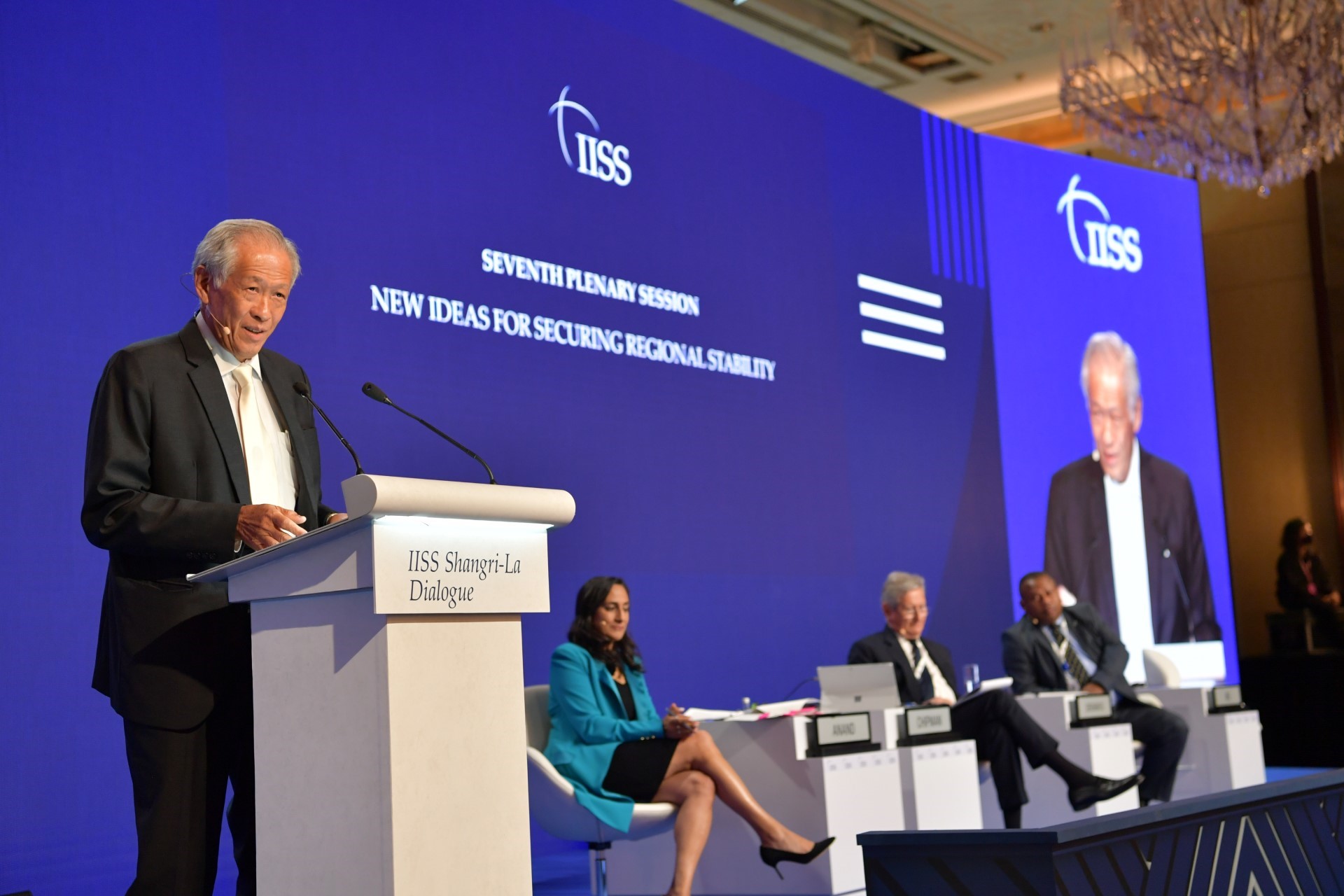
SLD remains valuable platform for crucial discussions: Dr Ng
12 Jun 2022
Minister for Defence Dr Ng Eng Hen spoke on the US-China relationship, the importance of a rules-based order and the role of ASEAN as a regional security platform at the 19th Shangri-La Dialogue (SLD).