
TECHNOLOGY
NEVER TAKE OUR PEACE FOR GRANTED: DR NG
05 Mar 2015
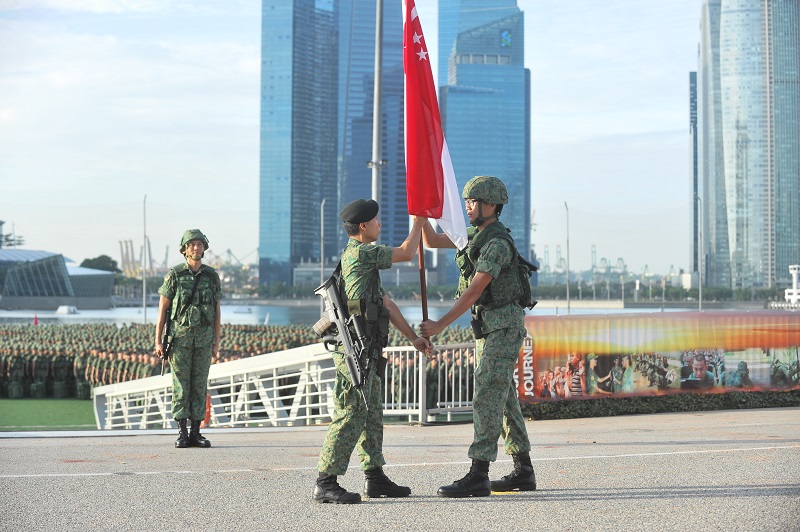
The Singapore of today did not come easy. Through bitter periods during the Japanese occupation and the Konfrontasi episode, our founding generation realised that only with a strong defence could Singapore safeguard its sovereignty and chart its own destiny.
Now, Singaporeans can have the quiet confidence that the Singapore Armed Forces (SAF) is a strong and capable military, able to protect our interests and borders. This is because of steady investments over the last five decades, as well as the efforts and sacrifices of national servicemen.
This was the point Minister for Defence Dr Ng Eng Hen made at the Committee of Supply or Budget Debate on 5 Mar, where he updated Parliament on defence-related issues and MINDEF s long-term plans.
Combating hybrid warfare
In an ever-changing landscape of new security threats, the SAF will have to re-make itself to deal with cyber threats and the growing use of dis-information in warfare.
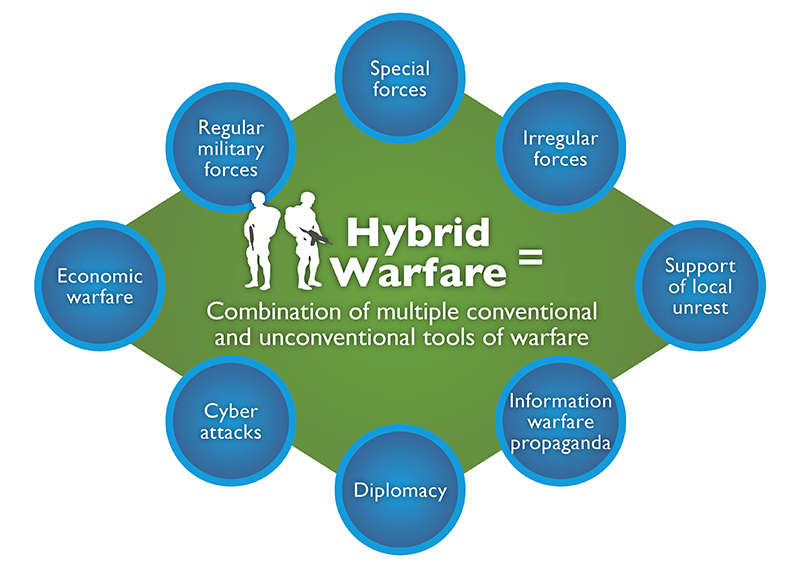
Dr Ng noted that there were numerous discussions on "hybrid warfare" at the recent Munich Security Conference. The opposite of the Total Defence concept, hybrid warfare is an orchestrated campaign to fracture the solidarity of the target nation by undermining its defences in civil, economic, social, psychological and military spheres.
Citing examples such as the recent unrest in Ukraine and the radicalising effect of ISIS, he said: "The concept of hybrid warfare is as old as war itself What is new is the amplification of dis-information due to social media.
"No country, including Singapore, is immune to this dis-information war. The SAF will have to raise capabilities to detect and counteract such threats in the cyber and info domains."
He also urged Singaporeans to "never take our peace for granted" and said that peace could "only be purchased through the collective commitment of our NSmen (Operationally-Ready National Servicemen) and all Singaporeans".
Emphasising the importance of having a strong military, Dr Ng added that Singapore should learn from the experiences of Europe, where many countries had reduced defence spending and some had even scrapped or suspended military conscription only to suffer from fears of a potential threat to their sovereignty when they least expected it.
Lithuania, for instance, had suspended their form of National Service (NS) in 2009. Now the small Baltic state, one of the closest to Russia, is in a frantic bid to raise an army again.
Noting that Singapore is also a small country, Dr Ng highlighted that we would do well to heed these cautionary tales. "When danger is upon us, as it is precipitously for the Baltic states, it will be too little and too late to build up a defence.
"Never weaken the strong defence that we have built up over the years through neglect or complacency. The time to build up a strong defence is during peace."
Building trust
In his speech, Dr Ng also gave an overview on Singapore's defence ties with other countries.
"Our defence relations with (Malaysia and Indonesia) are strong through frequent interactions at all levels," said Dr Ng.
The SAF spared no time in offering its assistance in the search for Malaysia Airlines flight MH370 and AirAsia flight QZ8501.
He added that Singapore is stepping up its coordinated naval patrols with Indonesia, Malaysia and other littoral states to combat piracy and sea robbery in regional waters.
Relations with the United States (US) and China also remain strong, with military forces from both nations exercising regularly with the SAF.
Dr Ng noted that the US' presence in Asia has promoted regional stability, and Singapore recently facilitated the deployment of a US Navy Littoral Combat Ship to the region.
"Our close relationship with the US also affords us access to high-end defence systems as well as training space in the US," he said.
And during his visit to China in last November, Dr Ng and Chinese Defence Minister Chang Wanquan jointly issued a press release to further enhance defence interactions and commemorate the 25th anniversary of Singapore-China diplomatic ties this year.
To promote practical cooperation between regional militaries, Singapore will continue to host conferences such as the ASEAN Defence Ministers' Meeting (ADMM), ADMM-Plus and Shangri-La Dialogue. The setup of the Information Fusion Centre and the Changi Regional Humanitarian Assistance and Disaster Relief (HADR) Coordination Centre will also allow Singapore to do more and play a constructive role in regional security.
Keeping abreast with technology
To maintain the SAF's edge as a respected, capable and professional force, technological upgrades are a must.
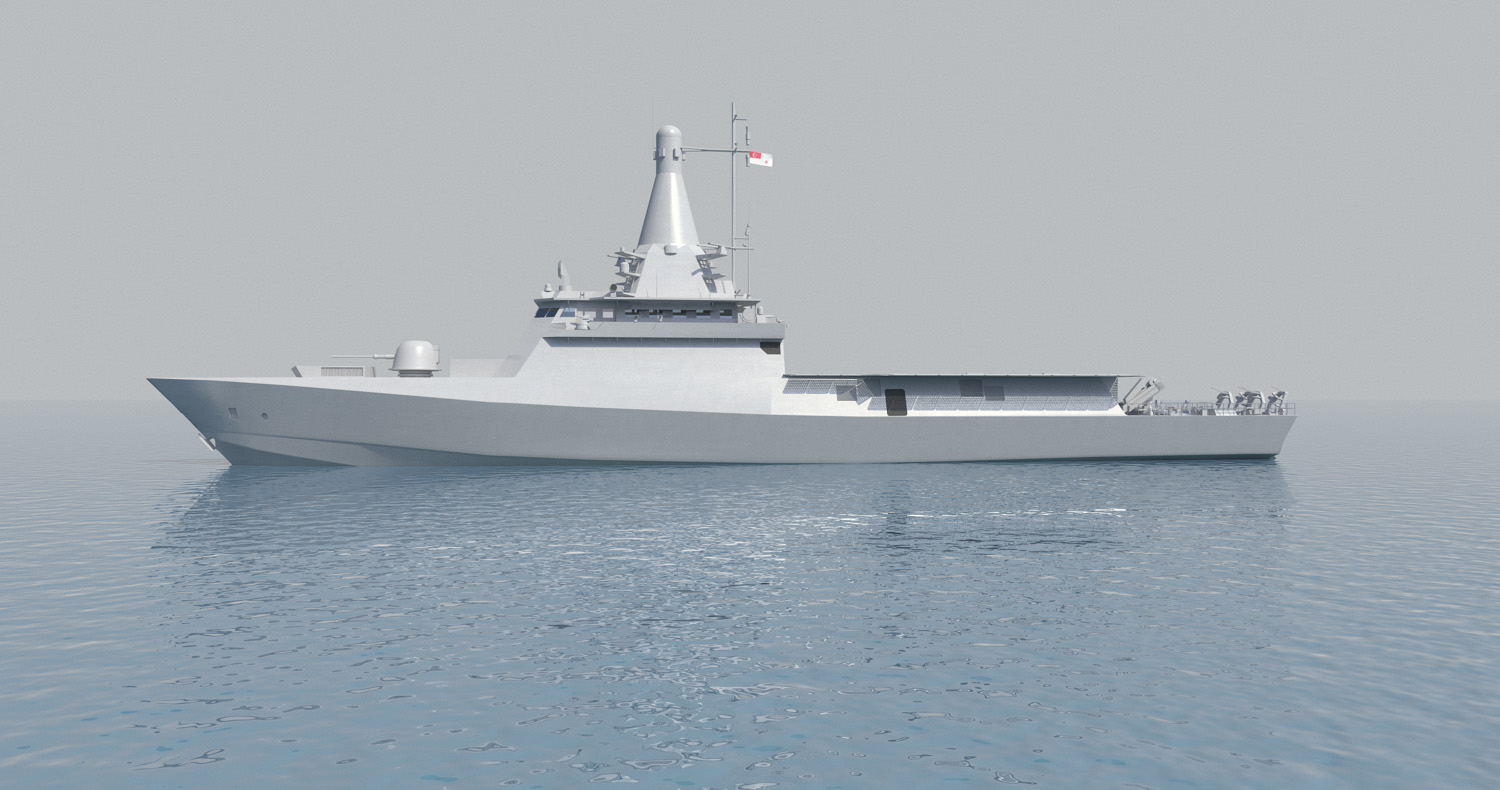
Starting from next year, the Navy will replace its Patrol Vessels with new Littoral Mission Vessels (LMVs), while the Army will have Protected Response Vehicles in place of the V200 vehicles. The Air Force's Super Puma helicopters, which have served for almost 30 years, will also see replacements done over the next decade.
To deal with the impending manpower crunch as a result of long-term demographic trends in Singapore, the SAF must also operate effectively with a leaner force. Through the use of advanced technologies, the restructured SAF has been able to maintain its fighting edge, said Dr Ng.
For example, Unmanned Ground Vehicles are being considered by the Army to conduct security patrols while Unmanned Surface Vessels may be used to patrol at sea.
"These advanced technologies have greater precision, endurance and use less manpower, allowing the SAF to remain potent with a leaner force," explained Dr Ng. But even in the need for advancements, MINDEF manages its budget prudently by upgrading existing platforms instead of purchasing new ones unless necessary, said Dr Ng.
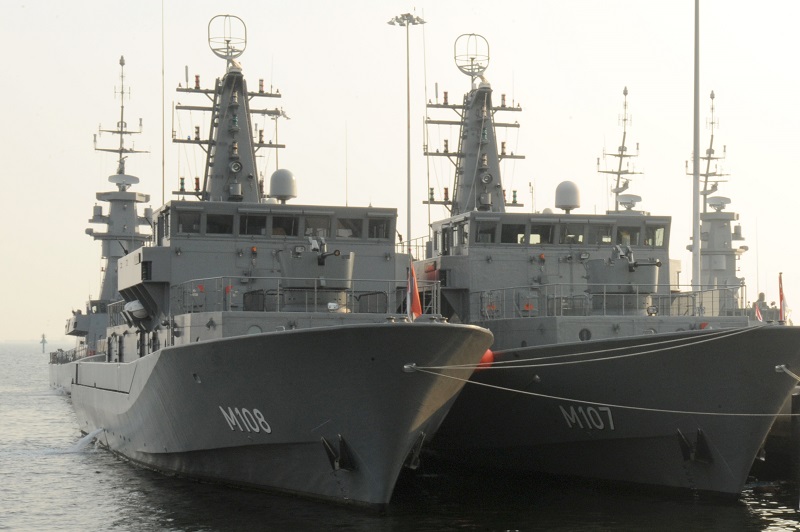
The recently upgraded Mine Counter-Measure Vessels (MCMV), for example, can integrate with unmanned underwater systems and are able to clear mines up to five times faster than their predecessors.
To cope with limited land resources, the Multi Mission Range Complex (MMRC) houses seven ranges that can simulate day and night conditions on the site of a single 100m range, providing more efficient training for soldiers.
Realistic training and operations
The SAF also consistently benchmarks itself with militaries from other countries and tests its systems through realistic training and real operations.
Over the last decade, the SAF has taken part in four editions of Exercise Forging Sabre in the US, and in Exercise Wallaby in Australia annually since 2000. Both soldiers and platforms, which include Unmanned Aerial Vehicles, F-15 and F-16 fighter jets and Apache helicopters, were put through complex and realistic test scenarios.
The SAF has also actively contributed to missions that have strengthened international peace and security as well as for HADR, said Dr Ng.
In January this year, SAF ships and aircraft were deployed in the search for AirAsia QZ8501. The Army also deployed water purification teams and equipment to Kelantan to supply potable water for Malaysian flood victims.
"Whether through exercises or real operations, the SAF has shown that it can move decisively as one integrated professional force and succeed in missions and tasks assigned," explained Dr Ng.
However, even with the most advanced military technologies and equipment, he noted that the cornerstone of Singapore's defence remained in the strong fighting spirit of its people.
Concluding his speech, Dr Ng said: "With the strong commitment of NSmen, their families, employers and the community, the SAF will continue to safeguard Singapore's independence and sovereignty so that future generations may also enjoy the peace and security that we enjoy today."

ALSO READ IN TECHNOLOGY
AI joins the fight in national cyber defence exercise
12 Nov 2025
AI and closer collaboration among agencies and industry are taking centre stage in this year’s Critical Infrastructure Defence Exercise (CIDeX).
They built this city
01 Oct 2025
Turning vision to reality: the team behind SAFTI City clinches the Defence Technology Prize 2025 Team (Engineering) Award!
Operating over skies & seas
22 Aug 2025
This gear is designed to help a Sensor Supervisor survive emergencies in the air and at sea.