
DIPLOMACY
MR TEO SHARES ASEAN'S LESSONS AT MANAMA DIALOGUE
05 Dec 2010
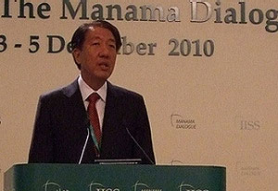
Deterrence, diplomacy and development.
These were the three aspects which Deputy Prime Minister and Minister for Defence Teo Chee Hean highlighted during his speech at the 7th Manama Dialogue in Bahrain on 4 Dec, where he took part in a plenary session involving United Arab Emirates' Minister of Foreign Affairs Shaikh Abdullah Bin Zayed Al Nahyan and the United Kingdom's Secretary of State for Defence Liam Fox.
Themed Strategic Reassurance and Deterrence in the Region, the plenary session saw Mr Teo share lessons which Southeast Asia had learnt over the years, and show how they could be relevant even when applied in a different context in the Middle East.
Noting that the post-World War II era presented Southeast Asian nations with seemingly unsurmountable differences like territorial disputes, Mr Teo said: "In the face of these challenges, the ASEAN countries had to put aside their differences and work together to prevent conflict from spreading.
"Militarily, the ASEAN countries were not strong enough to ensure stability in the region. A combination of deterrence and diplomacy was therefore needed."
Strategic reassurance and deterrence efforts, however, were not enough to ensure the success of the region, and the ASEAN story would not be complete without the all-important factor of economic development.
Said Mr Teo: "Spreading the benefits of development allowed the ASEAN countries to uplift the well-being of their people, overcome their own internal insurgent movements, and achieve internal stability."
Citing examples such as the recently established ASEAN Defence Ministers' Meeting-Plus, Mr Teo emphasised the importance of ASEAN as the centre of the regional security architecture in the Asia-Pacific, bringing together major players in the region to address regional challenges.
"It is non-threatening, open to relations with all, and consultative; hence allowing it to facilitate dialogue, build trust and confidence and foster consensus," he explained.
He added that ASEAN subscribed to the principles of mutual respect, mutual benefits and non-interference in each country's international affairs, which helps to forge concrete cooperation among stakeholders on a range of common transnational defence and security issues.
While security challenges in the Middle East are complex and multi-dimensional, Mr Teo concluded that the lessons learnt from Southeast Asia's experience in enhancing regional peace and security through steadfast deterrence and patient diplomacy coupled with compelling development could produce positive results in the long term.
A key security forum for the Gulf Region established in 2004, the Manama Dialogue brings together national security establishments of participating states from the region and beyond to exchange views on regional security challenges.
This year's participants included representatives from the Gulf Cooperation Council members (Bahrain, Kuwait, Oman, Qatar, Saudi Arabia and the United Arab Emirates), Afghanistan, Iran, Iraq, Jordan, Turkey and Yemen, as well as extra-regional countries such as Australia, Canada, France, Germany, India, Japan, Pakistan, Russia, Singapore, the United Kingdom and the United States.
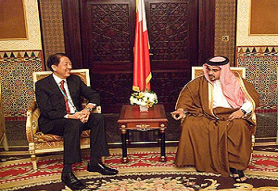
During his visit to Bahrain, Mr Teo also called on Bahraini Crown PrinceSalman bin Hamad Al Khalifa and Prime Minister Khalifa bin Salman Al Khalifa.
He also met the Bahraini Minister of State for Defence Affairs Shaikh Dr Mohammed bin Abdullah Al Khalifa, and held bilateral discussions with Canadian Minister of National Defence Peter Gordon MacKay and the United Kingdom's Under-Secretary of State and the Lord's Spokesman for Defence Lord Astor.


ALSO READ IN DIPLOMACY
17 countries launch new framework for cooperation on critical underwater infrastructure
30 May 2026
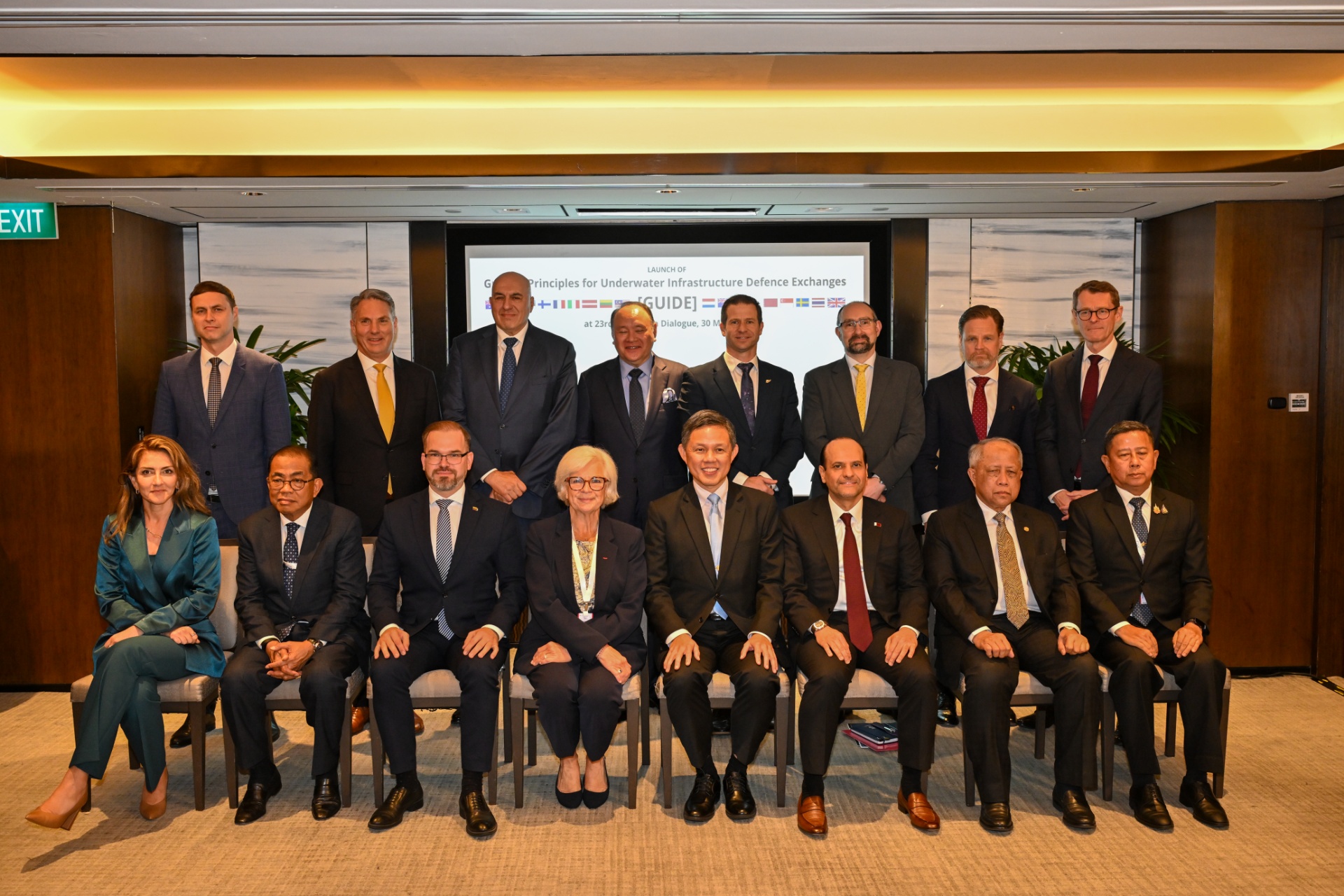
Launched on the sidelines of the 23rd Shangri-La Dialogue, GUIDE is a new framework that brings together countries for defence cooperation in enhancing the security of Critical Underwater Infrastructure.
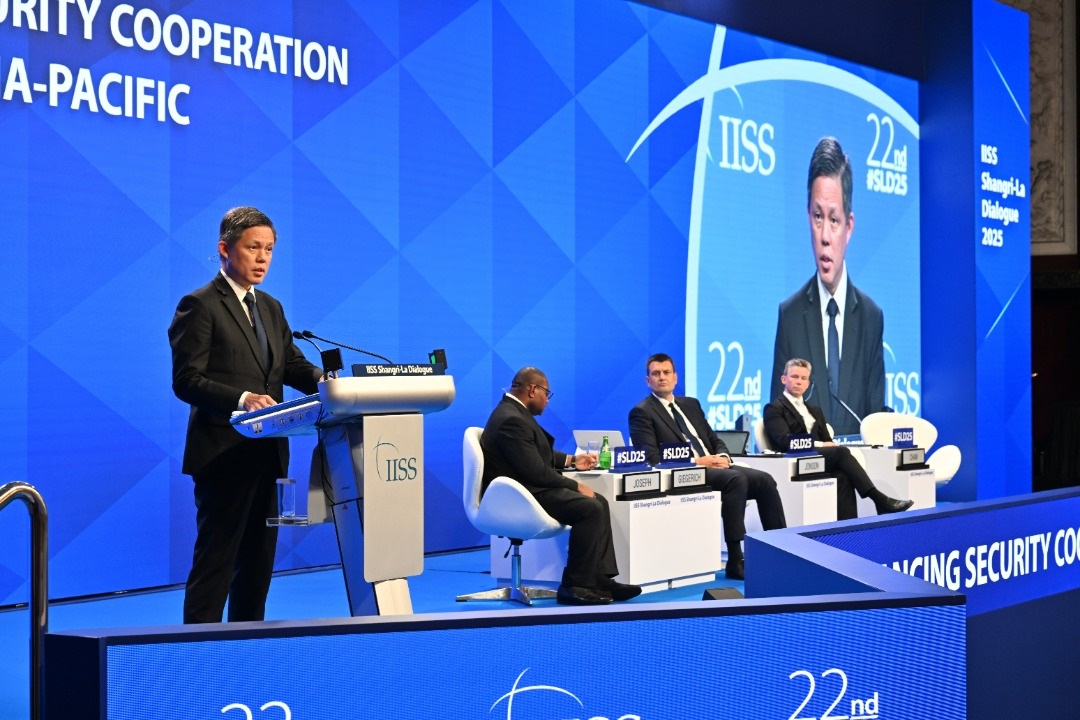
Going alone is not the answer to insecurity – Mr Chan
01 Jun 2025
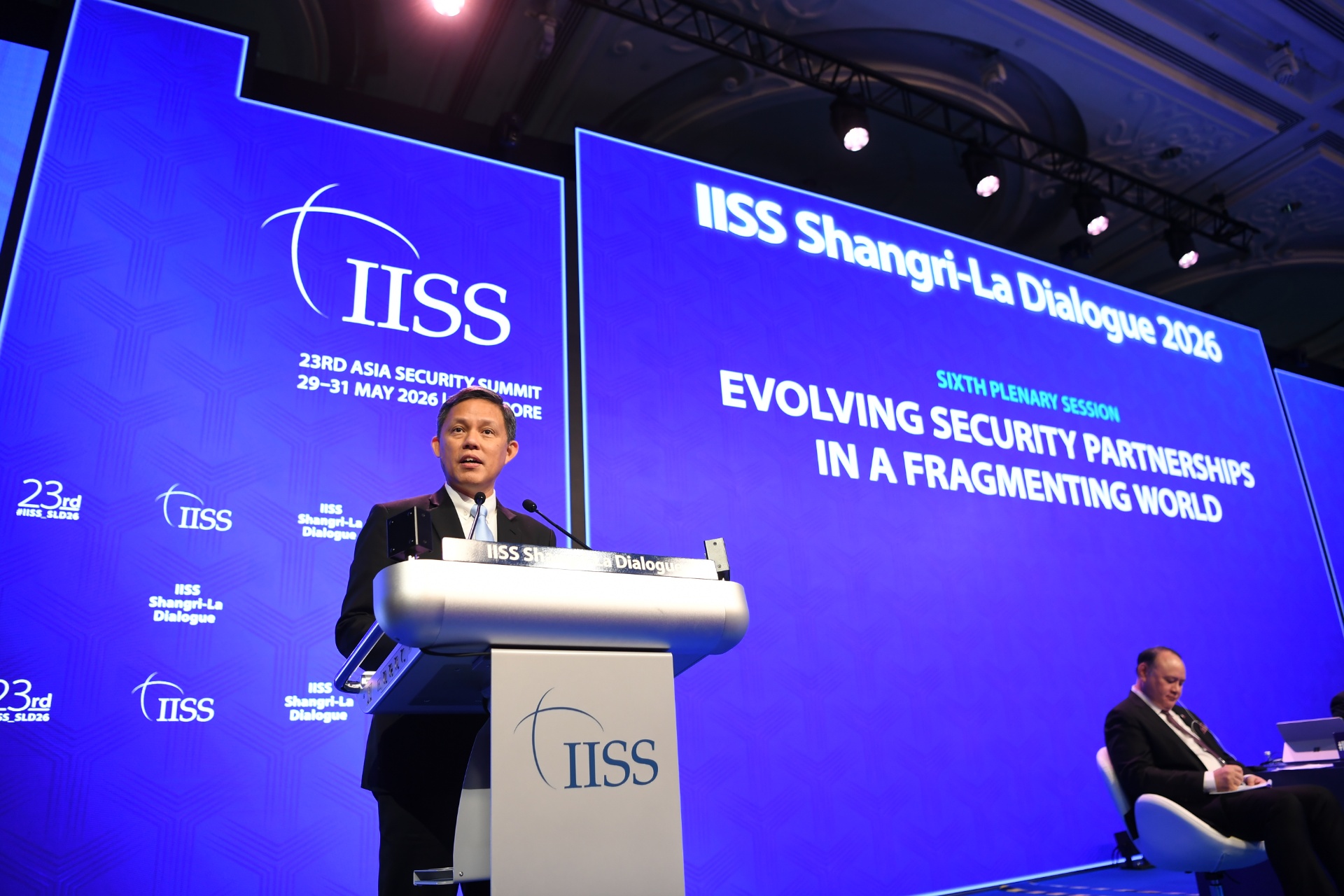
“Going alone is not the answer to insecurity”, emphasised Minister for Defence Mr Chan Chun Sing at the Shangri-La Dialogue (SLD), held from 30 May to 1 Jun. This was one of his main points at his speech at the sixth plenary session on 1 Jun.
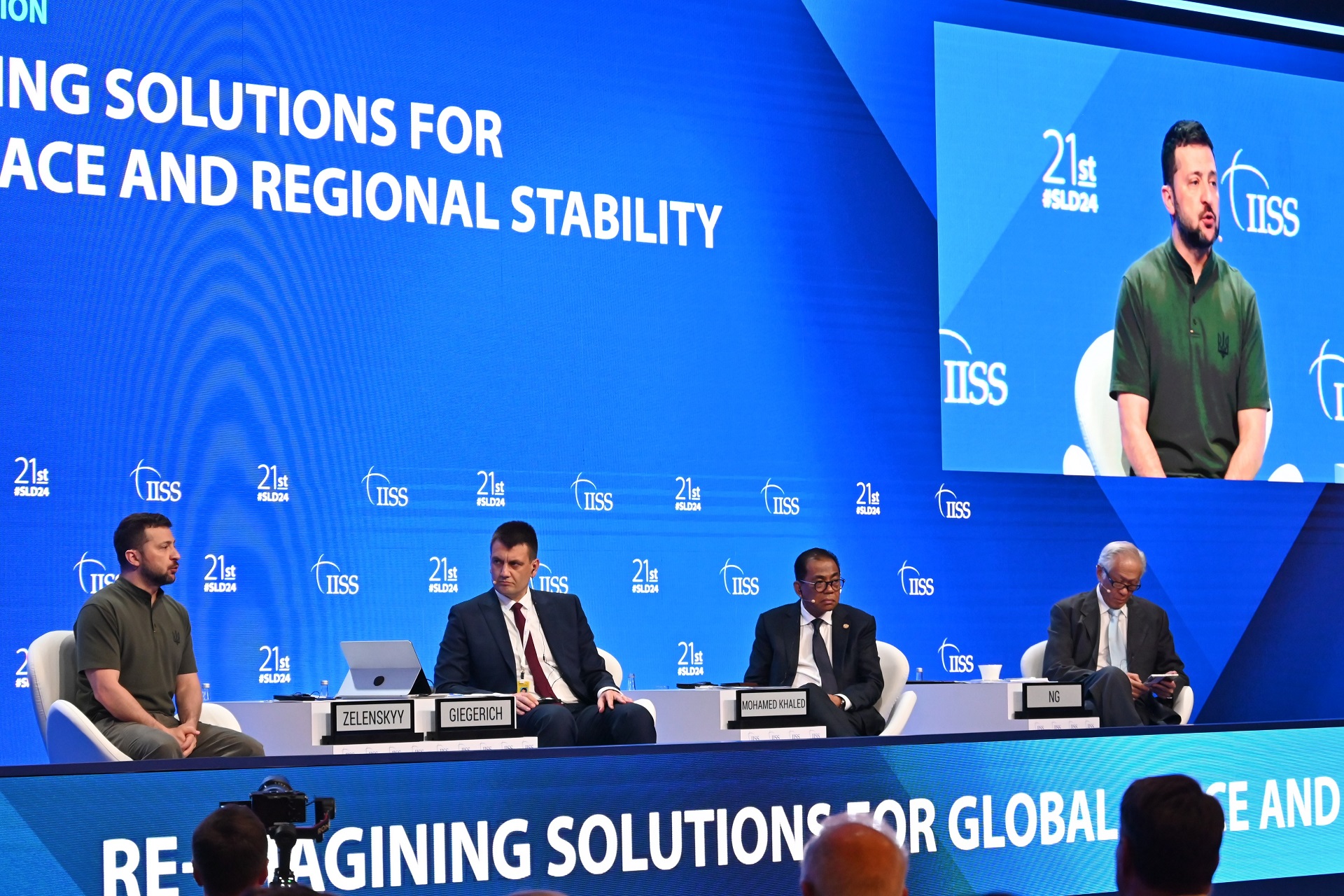
A call for peace at Shangri La Dialogue
02 Jun 2024
A repeated call for peace, especially in Asia. This was Minister for Defence Dr Ng Eng Hen's central message at the 21st Shangri La Dialogue (SLD), held from 31 May to 2 Jun.