
DIPLOMACY
KEY INGREDIENTS FOR SUCCESSFUL MULTILATERAL CO-OPERATION
16 May 2007
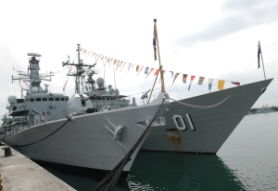
Confidence building and mutual understanding; sharing of professional knowledge and skills; and exercising together in land, sea and air domains, are three of the "essential ingredients" cited by Singapore's Chief of Defence Force Major-General (MG) Desmond Kuek during the opening ceremony of the 2nd Western Pacific Naval Symposium (WPNS) Multilateral Sea Exercise, the Multilateral Tactical Training Centre Exercise (MTTCEX) and the Maritime Security Information Exchange Seminar (MSIES).
MG Kuek commended the member nations of WPNS for having the right mix of ingredients as it builds capacity and develops inter-operability for maritime security co-operation in an increasingly inter-connected and inter-dependent world.
"The WPNS has served to increase the level of confidence and mutual understanding among its members," he said during his opening address at Changi Naval Base on 16 May.
"The biennial symposiums and annual workshops provide the opportunity for regular dialogue and sharing of ideas and perspectives among navy leaders and senior staffs. Beyond that, initiatives like the Seminar for Officers of the Next Generation (SONG) and Sea-Riding programme for junior officers help to build linkages and understanding among officers at other levels."
He pointed out that WPNS navies had also progressed to more in-depth sharing on substantial topics such as conventional maritime warfare, the role of navies in protecting sea lines of communications (SLOCs), maritime interdiction, force protection, and regional maritime security.
In addition, exercises carried out under the auspices of the WPNS such as the WPNS Mine Countermeasures and Diving Exercise as well as the WPNS Multilateral Sea Exercise allow participating navies from diverse backgrounds to come together, co-operate at sea and experience real-time maritime awareness and information sharing.
Comprising 18 members and six observers, the WPNS is made up of navies from countries with territories in, or adjacent to, the Western Pacific region. It was inaugurated in 1988 to allow navies to discuss co-operative initiatives and identify those that warrant further consideration.
"In our Western Pacific region, military forces are well-placed for multilateral cooperation against the wide range of trans-national threats," explained MG Kuek, who added that there was a strong tradition of defence diplomacy in the region.
"Militaries have common professional experiences and a common understanding of operational realities on the ground, and this gives us a practical basis for cooperation."
The WPNS seminar and exercises are held in conjunction with the International Maritime Defence Exhibition (IMDEX) Asia 2007 and will involve 19 navies (including some from observer nations), 18 warships as well as maritime patrol aircraft and helicopters (pictured left).
The MTTCEX, which takes place from 15 to 18 May, will make use of shore simulators to help the participating navies establish and practise common procedures to deal with realistic maritime security scenarios.
The MSIES on 16 May allows the WPNS navies to share their perspectives and experiences on maritime security threats such as piracy and trafficking.
The Multilateral Sea Exercise, scheduled to be held from 19 to 20 May in the South China Sea, will provide the participating WPNS navies the opportunity to practise at sea the procedures established and simulated during the MTTCEX. This will serve the navies well in circumstances when they are required to co-operate to counter common threats to maritime security.
Exercise Director Colonel Joseph Leong, Commander 1st Flotilla, RSN said he hoped to take the exercise one step further from the previous one held in 2005.
"We are still very focused on maritime security, in particular, the security of our sea lines of communication. It is something that all the navies share," he said.
"What we have done is to progress the scope of the exercise and increased the complexity of it, based on the cooperation and the trust that we have."
This year, the Regional Maritime Information Exchange or ReMIX initiative developed by the Republic of Singapore Navy (RSN) will be used during the shore exercise, to help facilitate real-time information sharing and collaboration among the operational staff of WPNS navies. A common communication system, ACCESS, will also be used on board all participating ships.

ALSO READ IN DIPLOMACY
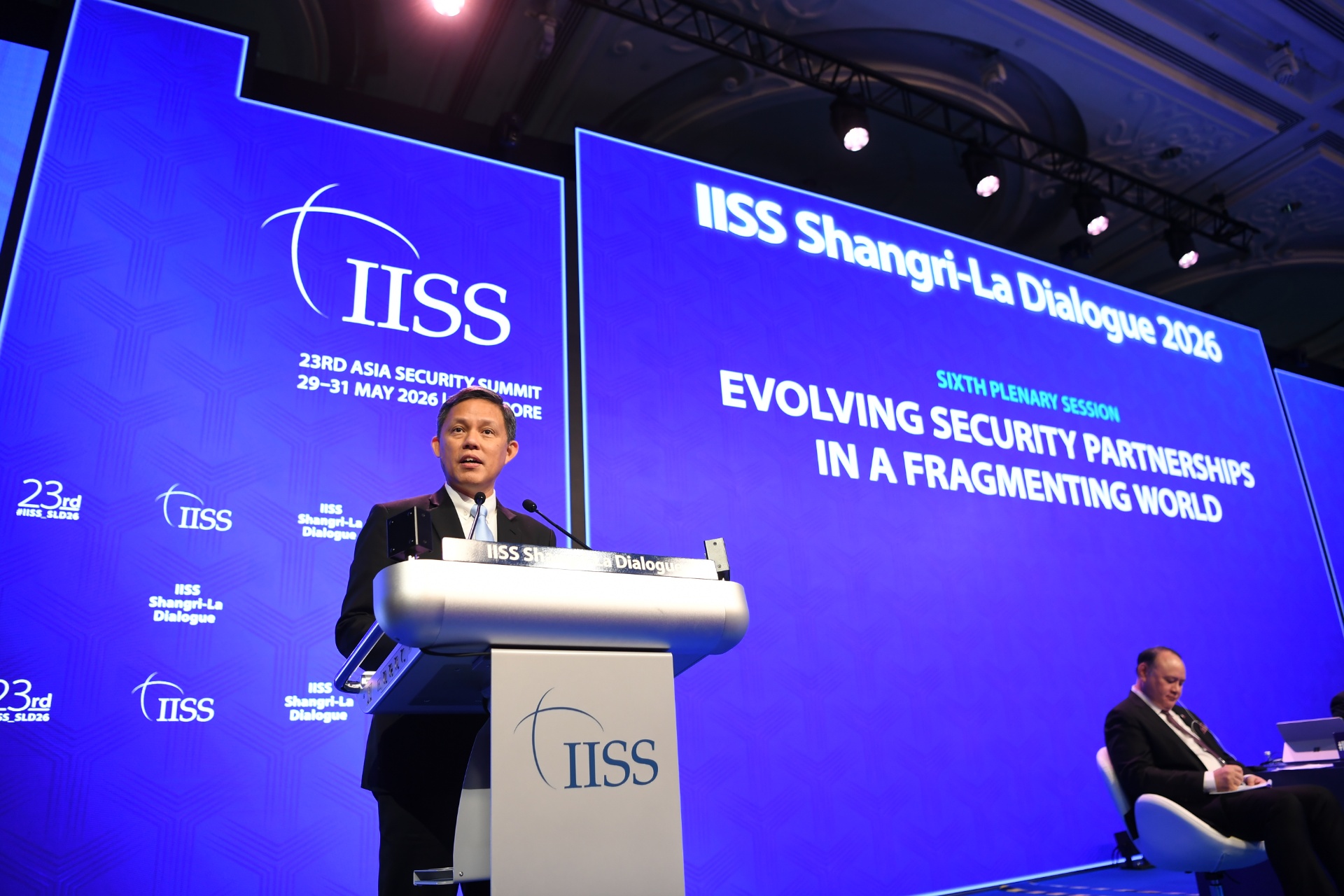
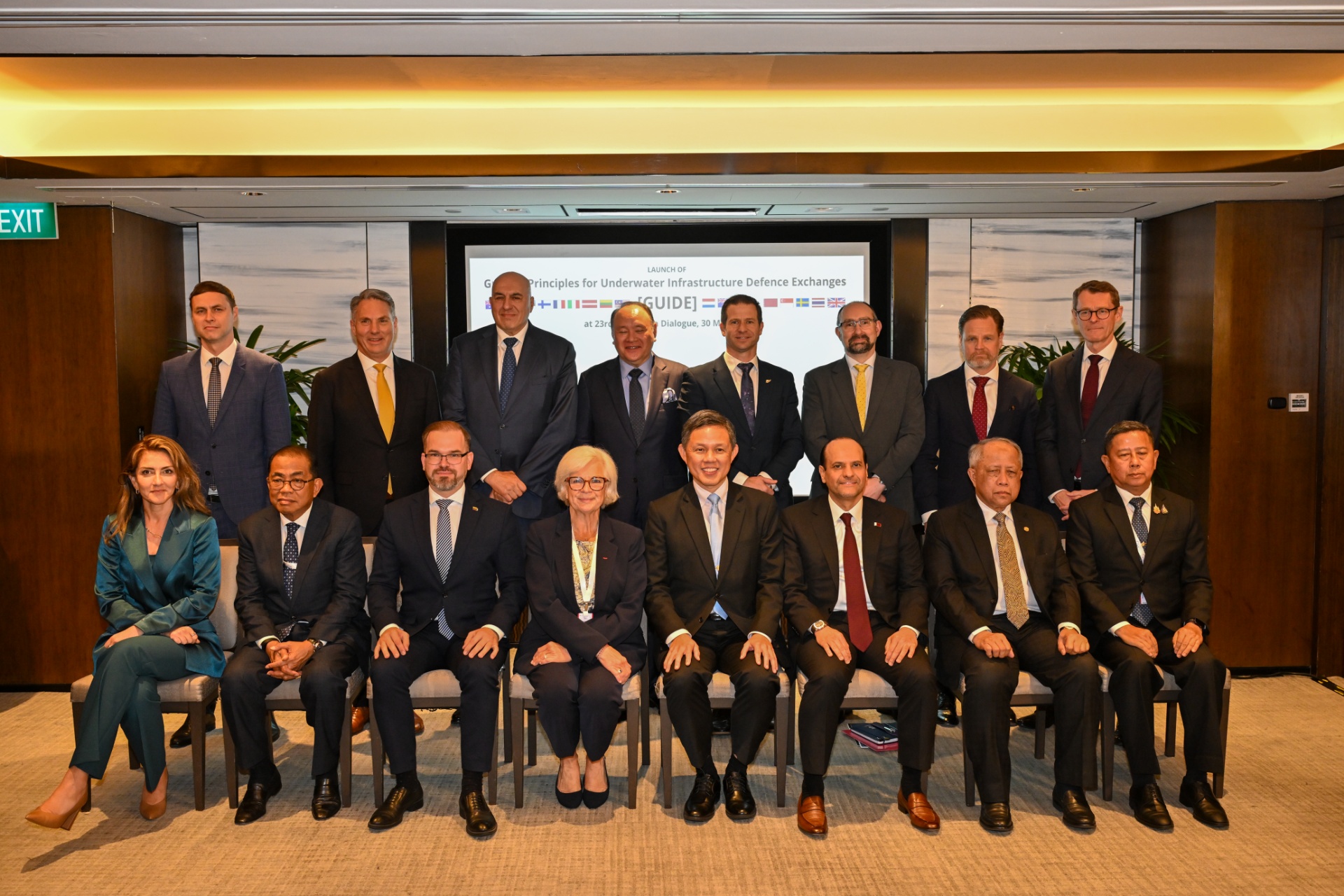
17 countries launch new framework for cooperation on critical underwater infrastructure
30 May 2026
Launched on the sidelines of the 23rd Shangri-La Dialogue, GUIDE is a new framework that brings together countries for defence cooperation in enhancing the security of Critical Underwater Infrastructure.
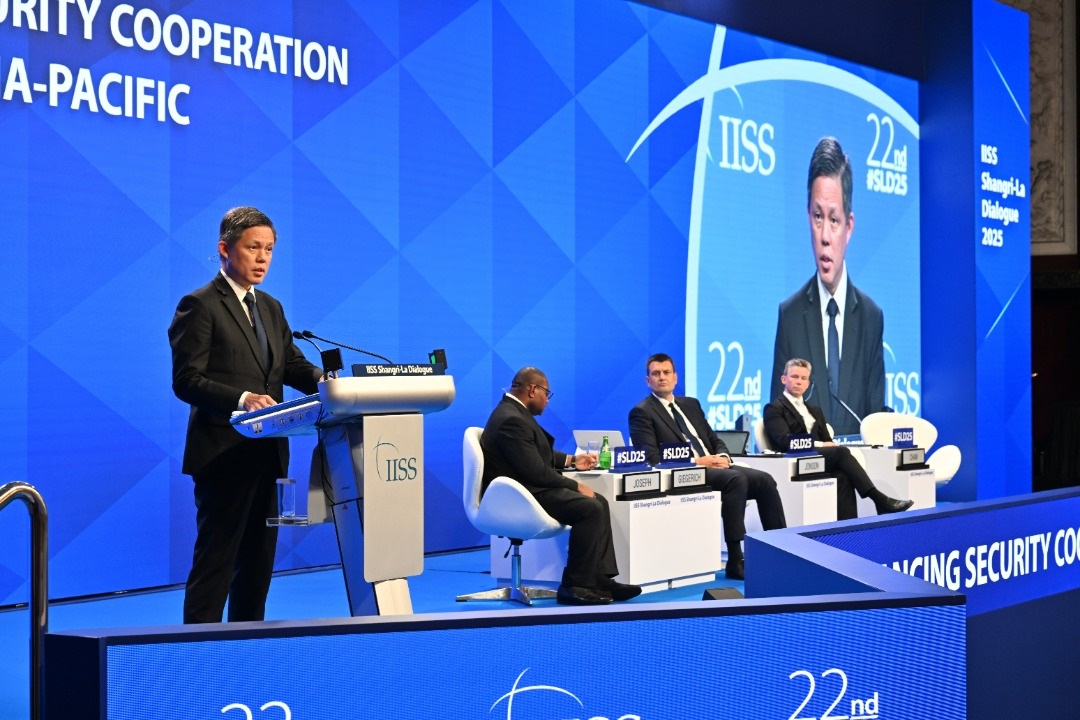
Going alone is not the answer to insecurity – Mr Chan
01 Jun 2025
“Going alone is not the answer to insecurity”, emphasised Minister for Defence Mr Chan Chun Sing at the Shangri-La Dialogue (SLD), held from 30 May to 1 Jun. This was one of his main points at his speech at the sixth plenary session on 1 Jun.
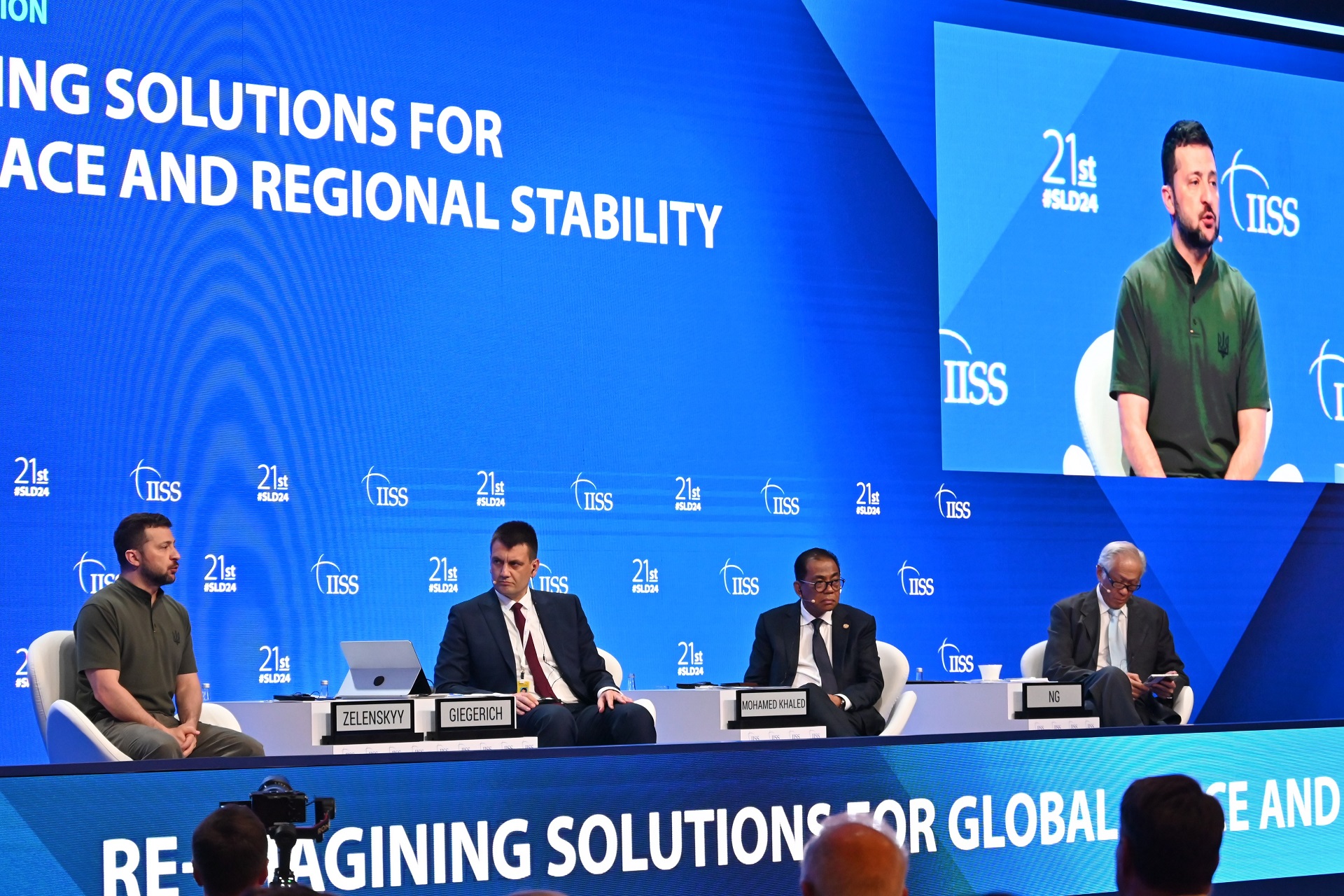
A call for peace at Shangri La Dialogue
02 Jun 2024
A repeated call for peace, especially in Asia. This was Minister for Defence Dr Ng Eng Hen's central message at the 21st Shangri La Dialogue (SLD), held from 31 May to 2 Jun.