
TECHNOLOGY
IT'S A-BOAT TIME
07 Oct 2016
To start the day, I observed the Morning Colours Ceremony, a daily affair in the Navy in which the Sea Ensign flag is raised.
There are inspections during the ceremony to make sure trainees look presentable and smart (they called this "bearing"). That means the uniform must be smartly ironed and cannot have any visible creases.
I thought it would be pretty easy, until I found out that the instructors take the word "any" quite seriously. Ouch.
My mum explained that this teaches the young sailors to pay attention to details and observe discipline. Luckily, my mum is not that strict at home. Given my "bearing", I would be done for.
Ship ahoy
I then had the opportunity to step onto an actual frigate -- the RSS Formidable. The frigate lives up to its name as it is equipped with all sorts of advanced weaponry and electronics.
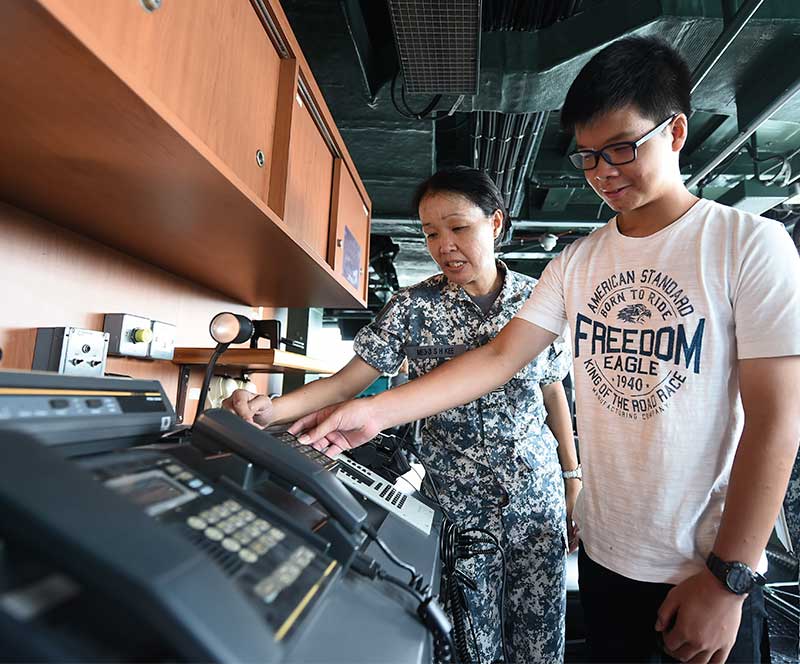
We headed for the bridge, which is the ship's command centre, with a small group of Navy trainees. My mom, who is an instructor at the Command, Control, Communications and Computers Systems School in the Naval Military Expert Institute, introduced a number of devices on the bridge that are used to transmit information.
One of them is the VHF 1000 DSC radio, a commercial radio capable of sending distress signals, contacting rescue services and communicating with people on shore.
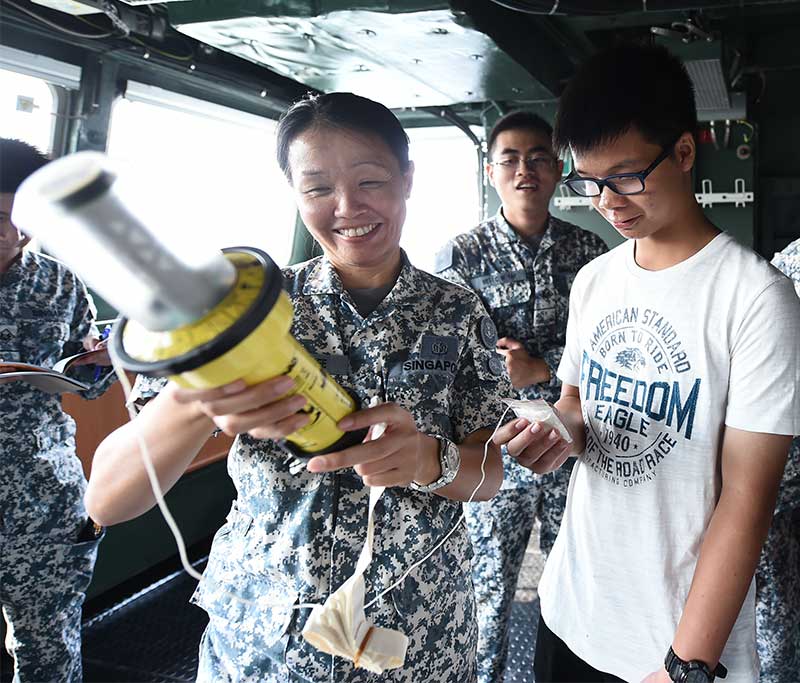
Then the crew showed me another device called the Safety and Rescue Transponder (SART). This is a self-contained search and rescue device used to transmit distress signals and update position reports during emergencies.
This tubular device also floats on water so that it is easier for rescue crew to locate the ship in distress. Knowing this makes me feel safer already; the Navy thinks of the tiniest details to keep everyone safe.
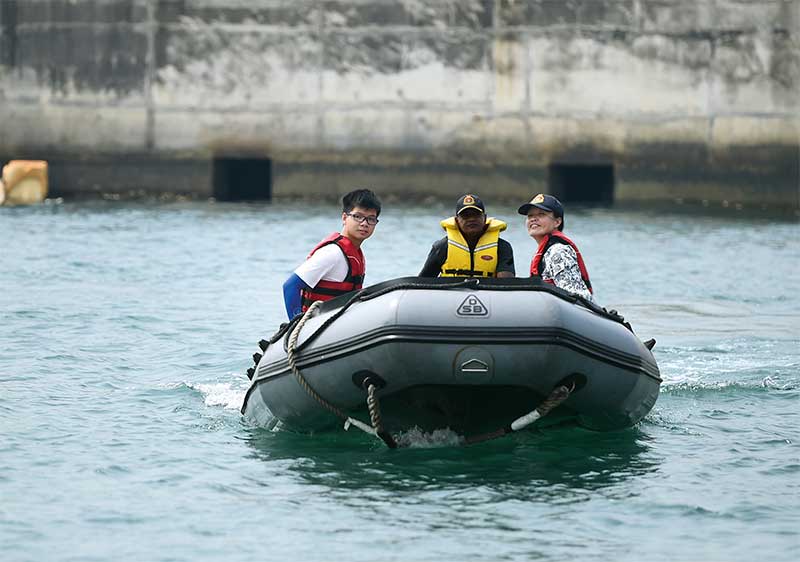
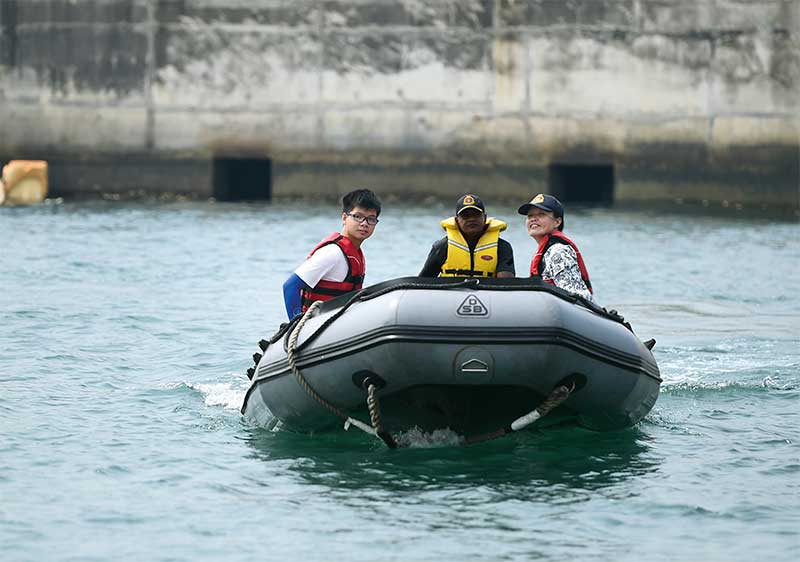
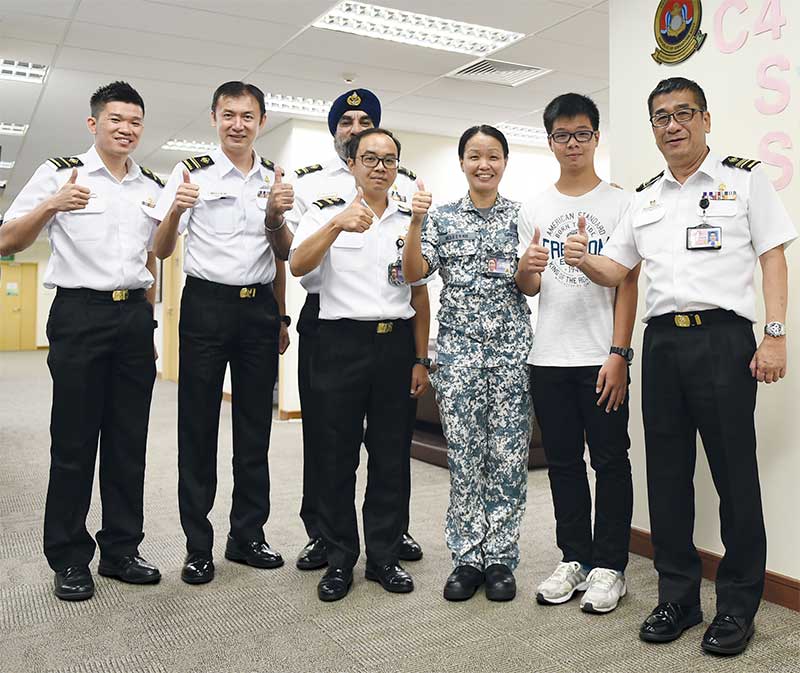
Oh buoy! Next, we went to the Sea Training Centre where I learnt how to tie various knots such as the clove-hitch and bowline knots. These are two of the most important and useful knots to sailors. For example, the clove hitch is a simple but effective knot that can be used to secure around cylindrical-shaped rails or posts. I imagine that it would be useful to secure ships to their berths. My mom and ME5 Selvasegaran, the Officer Commanding of the Navigation and Sailor Skills School, then took me out for on a ride on a sea boat. It was thrilling to watch how ME5 Selvasegaran skillfully manoeuvered the boat. He even let me take the helm for a short while. It was definitely not as easy as it looked. After the boat ride, we visited my mom's office. I asked her colleagues about life in the Singapore Armed Forces and they began sharing about what National Service (NS) would be like when I enlist in about four years' time. Through observing and interacting with the trainees and instructors, I got the sense that the Navy is one big family and strong bonds are formed across the different ranks. This trip has deepened my understanding of my mum's role as an instructor and how the Navy helps to keep Singapore safe. It is a nice prelude to my own NS. |

ALSO READ IN TECHNOLOGY
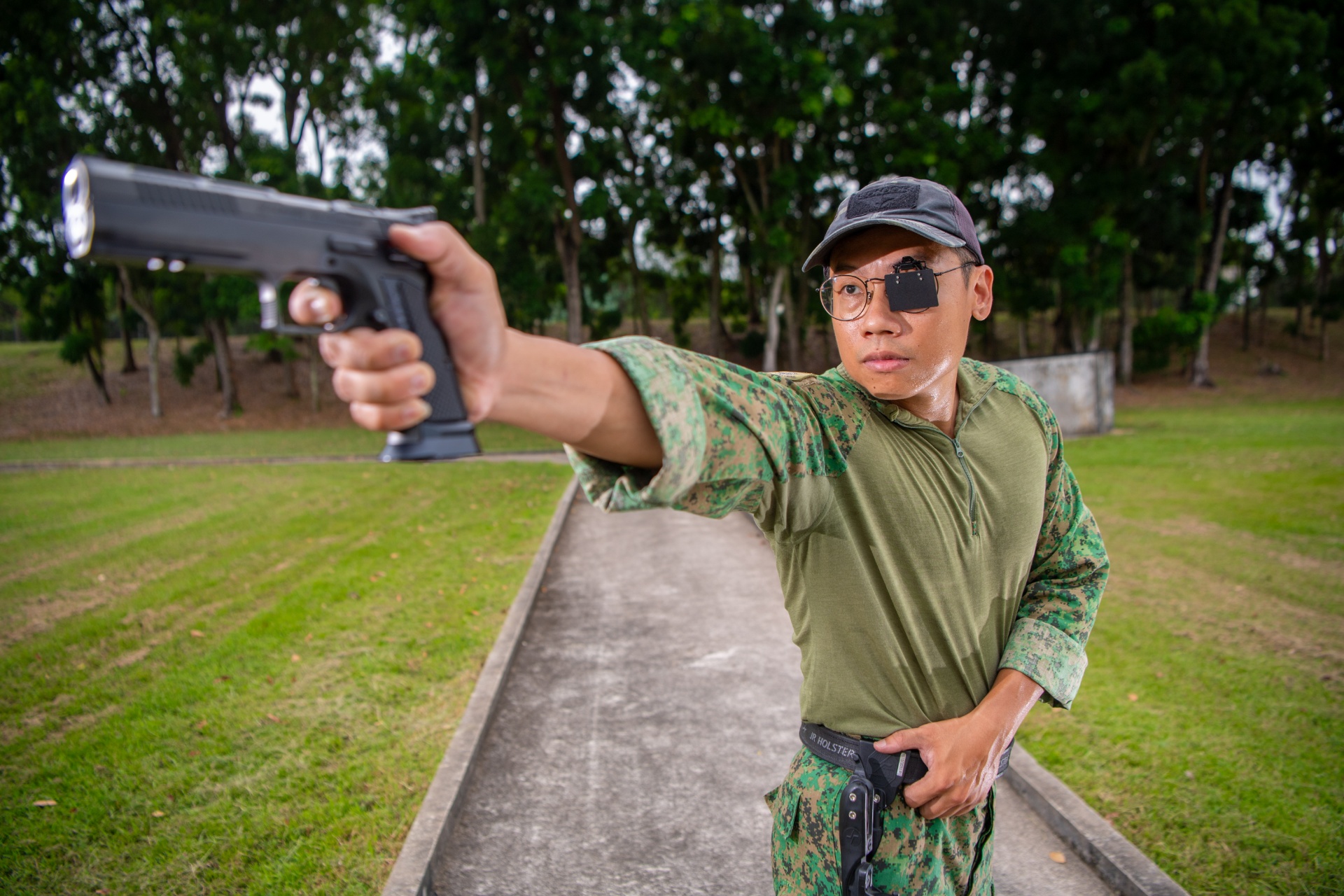
Locked & Loaded: SAF Shooting Contingent weapons
26 Nov 2025
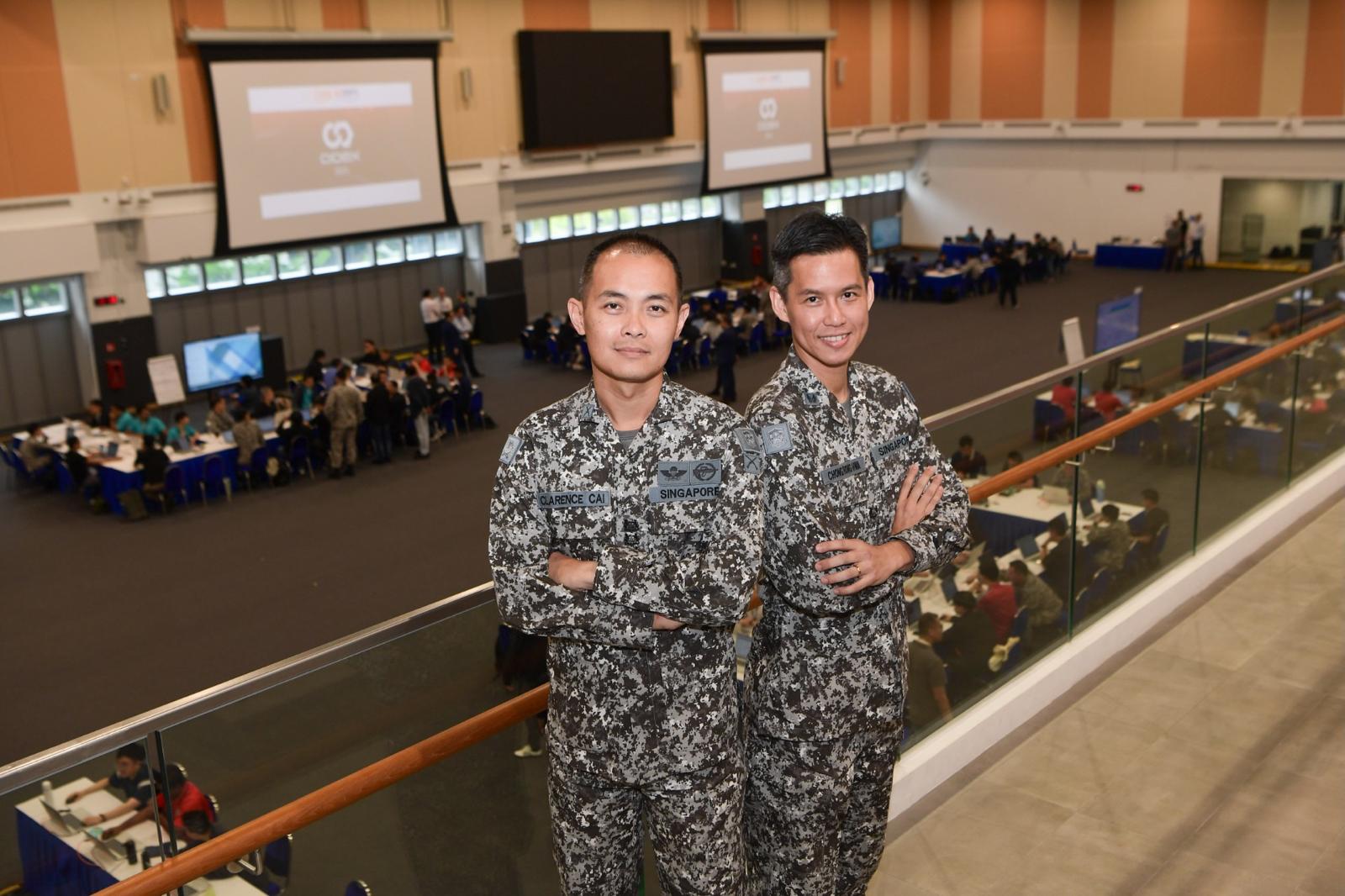
AI joins the fight in national cyber defence exercise
12 Nov 2025
AI and closer collaboration among agencies and industry are taking centre stage in this year’s Critical Infrastructure Defence Exercise (CIDeX).
They built this city
01 Oct 2025
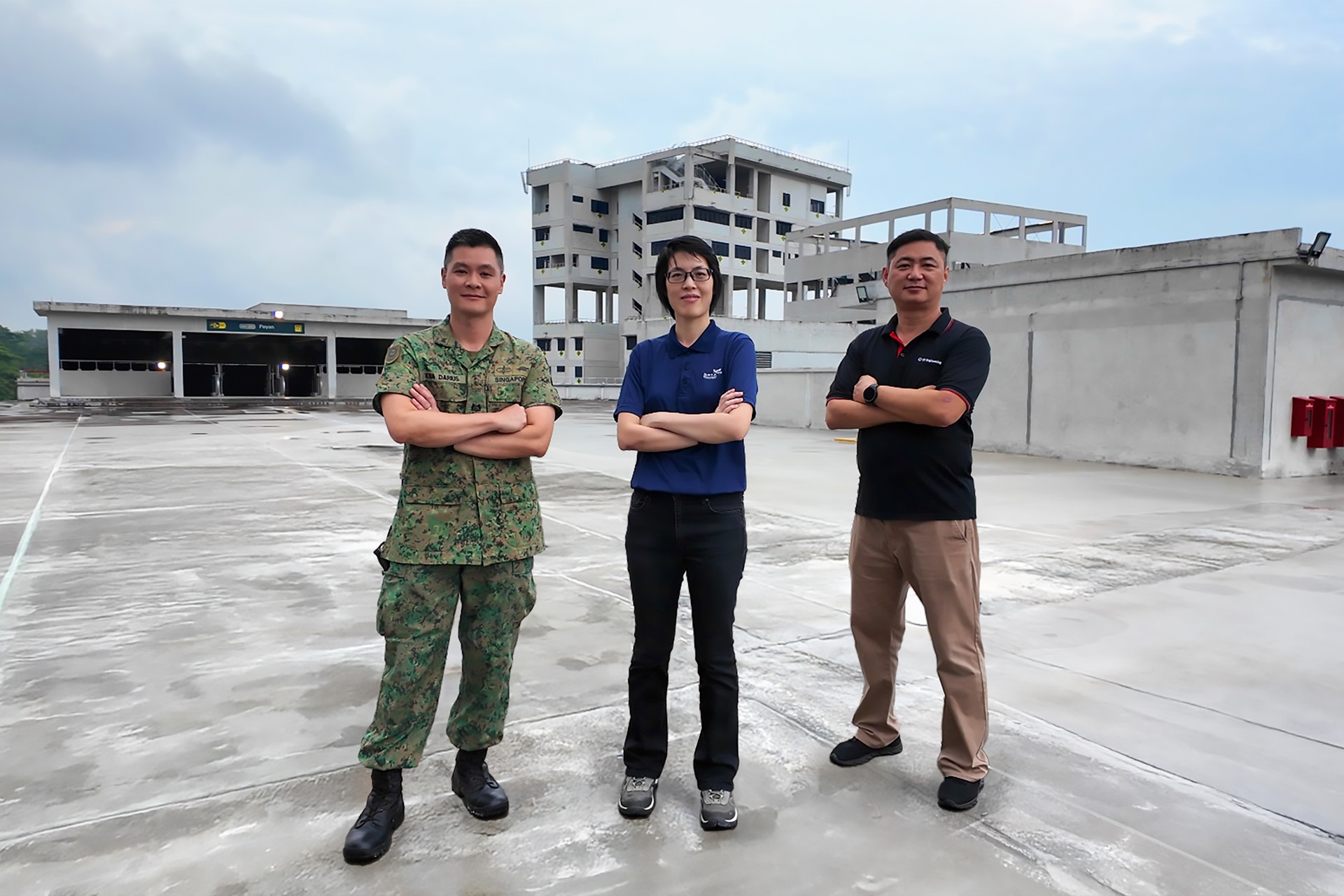
Turning vision to reality: the team behind SAFTI City clinches the Defence Technology Prize 2025 Team (Engineering) Award!