
DIPLOMACY
INT'L COOPERATION NEEDED TO ENHANCE SECURITY IN GULF AND INDO-PACIFIC: DR MALIKI
10 Nov 2014
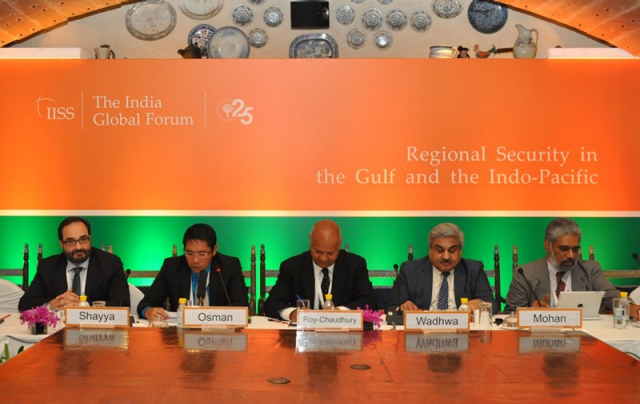
As the Gulf and the Indo-Pacific saw changes in the global order and the rise of new security challenges, it was imperative that all states, including major powers like the United States, cooperate and work together collectively to promote regional security and stability.
Minister of State for Defence Dr Mohamad Maliki Bin Osman made this point when he spoke at the Simultaneous Special Session on the topic "Regional security in the Gulf and the Indo-Pacific", at the inaugural India Global Forum on 9 Nov.
Noting that present security challenges were increasingly transnational and complex, Dr Maliki identified two key issues in the region and beyond which required close international cooperation - the threat of terrorism and maritime security challenges such as piracy.
"The latest manifestation of violence and extremism is the Islamic State in Iraq and Syria (ISIS) which has plagued the Middle East. The threat of ISIS is of particular concern," said Dr Maliki. Not only could ISIS potentially sustain their efforts for a prolonged period based on the rich oil resources in the territories they occupy, they are also able to effectively recruit followers from around the world to join their efforts and to extend their linkages to other religious militant groups - through the sophisticated use of social media.
Dr Maliki expressed his concern on trained and further radicalised foreign fighters, who might return to their home countries and endanger innocent lives.
He said: "Singapore, though some 7,000km away from the Middle East, is also not immune to the ISIS threat. As part of our ongoing efforts to combat terrorism, Singapore will be contributing to the multinational coalition effort against the ISIS.
"We will also be working with other countries to combat this threat by sharing information on the ISIS and on returning jihadists, and stemming the flow on terrorist financing. The transnational nature of this threat requires all countries to work together to curb the export of terrorism to our region."
Similarly, piracy and maritime terrorism - which typically manifested in lucrative sea routes of which the Gulf and the Indo-Pacific had plenty of - was the other key challenge that required international cooperation to deal with effectively.
"Maritime security challenges cannot be solved by any one nation, no matter how well resourced," Dr Maliki said. "Promoting stability in the Persian Gulf, maintaining freedom of the seas, protecting the sea lines of communication, and choke points such as the Strait of Malacca, are important economic and security interests for all nations."
One way to strengthen practical cooperation was for militaries to exercise together to build capabilities and enhance inter-operability, said Dr Maliki. He added that exercises such as the ASEAN Defence Ministers' Meeting (ADMM)-Plus Humanitarian Assistance and Disaster Relief/Military Medicine Exercise held in Brunei last year and the upcoming ADMM-Plus Counter-Terrorism/Maritime Security Exercise would allow the region to better respond to armed robbery and piracy in the Strait of Malacca and the South China Sea.
Dr Maliki also noted that Singapore welcomed India's greater participation and leadership role in the region. "As a close friend of India, Singapore looks forward to continue working with India to forge peace and prosperity for Asia and beyond," he said.
Themed India 2014: New Opportunities for a New Government and held over two days from 9 Nov, the Forum focused on economic and security issues related to India's rise as a regional power and the policy outlook of the new Indian government. Participants included the Indian political leadership and senior government officials, as well as business leaders and policymakers from over 20 countries in the region and beyond.
As part of his trip, Dr Maliki will visit West Bengal on 11 Nov to witness the Joint Military Training between the Republic of Singapore Air Force and the Indian Air Force at Kalaikunda Air Force Station.


ALSO READ IN DIPLOMACY
A call for peace at Shangri La Dialogue
02 Jun 2024
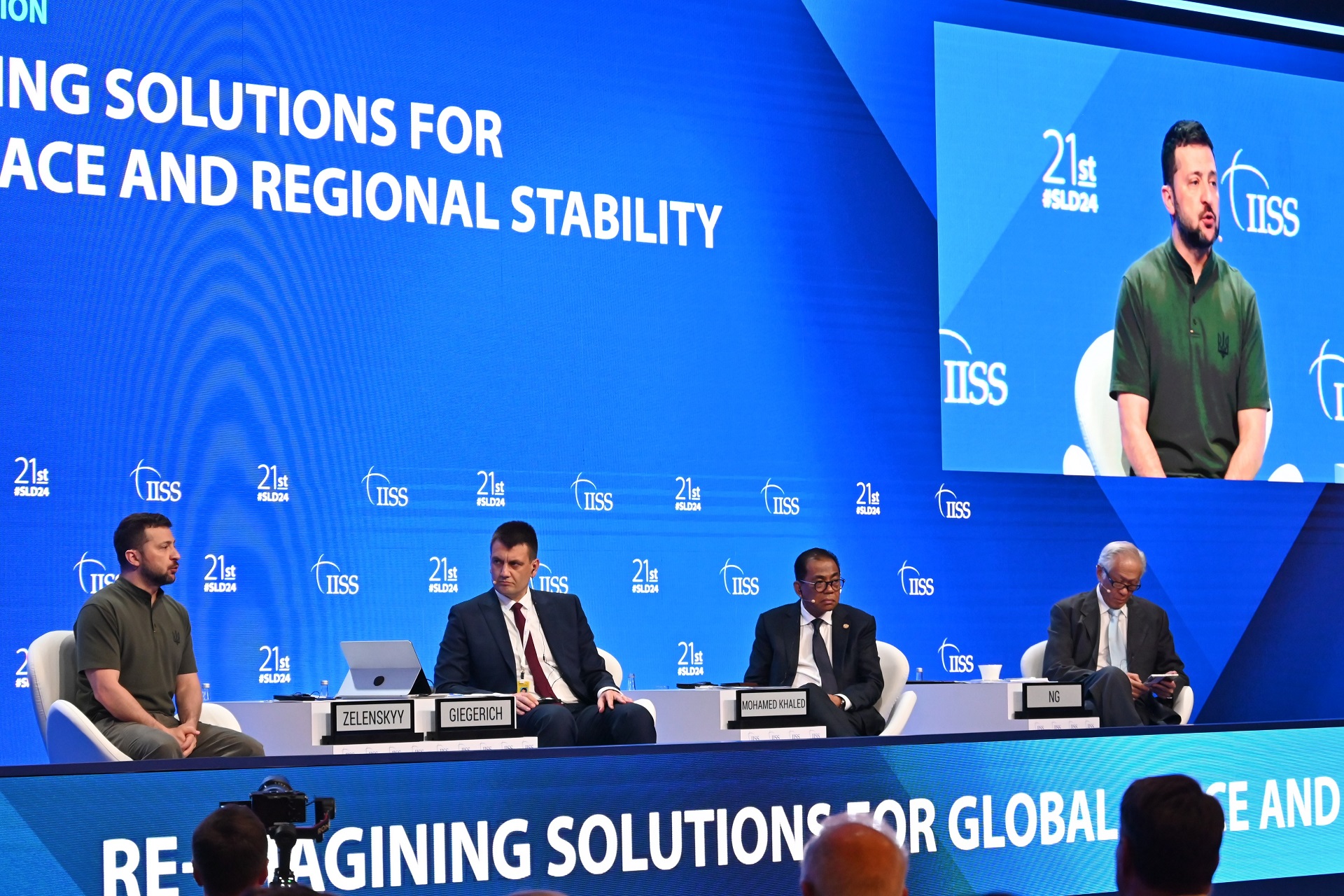
A repeated call for peace, especially in Asia. This was Minister for Defence Dr Ng Eng Hen's central message at the 21st Shangri La Dialogue (SLD), held from 31 May to 2 Jun.
Shangri-La Dialogue sees frank discussion of security issues
04 Jun 2023
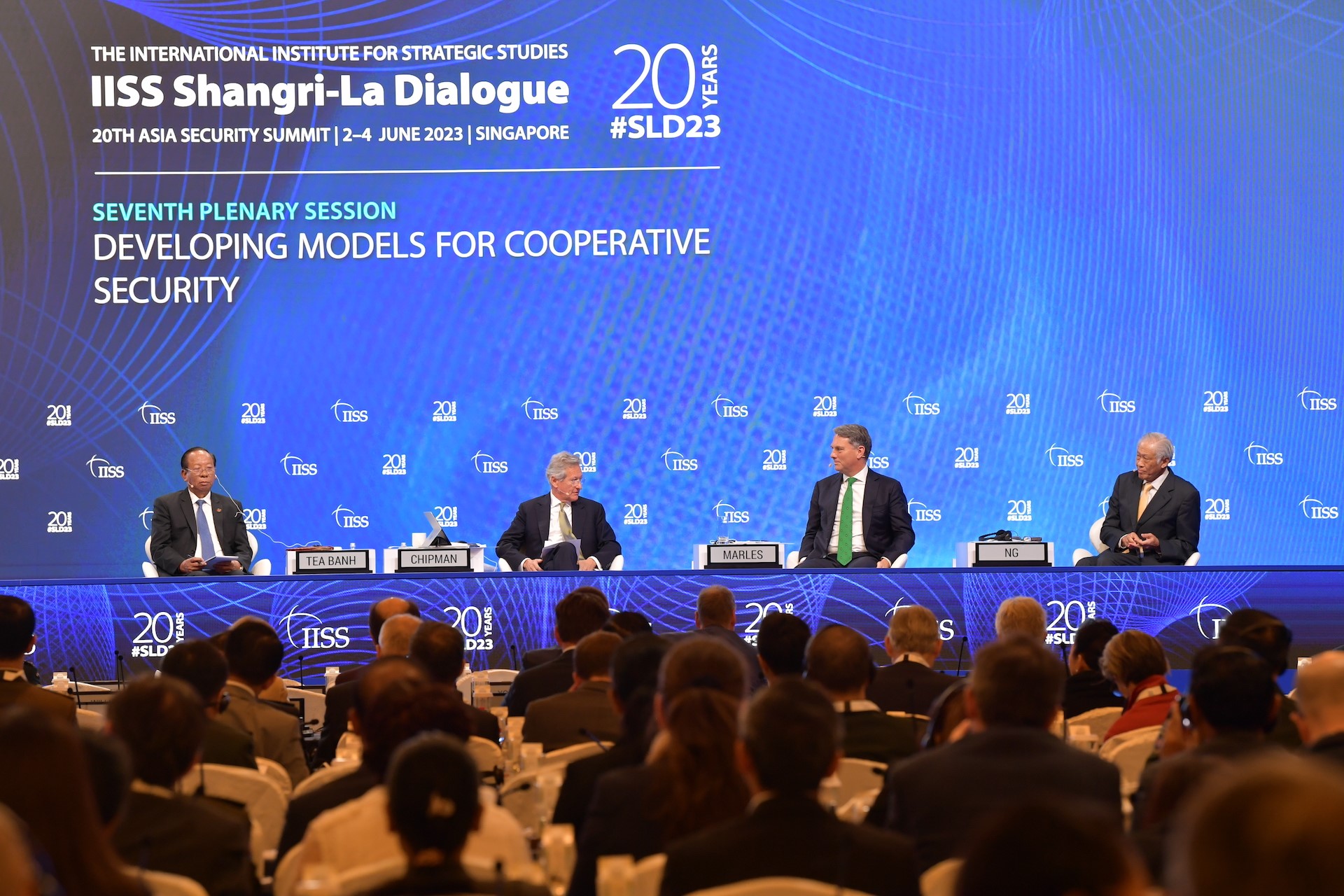
The 20th Shangri-La Dialogue, held from 2 to 4 Jun, saw ministers from around the world meet in Singapore to discuss key defence and security issues.
SLD remains valuable platform for crucial discussions: Dr Ng
12 Jun 2022
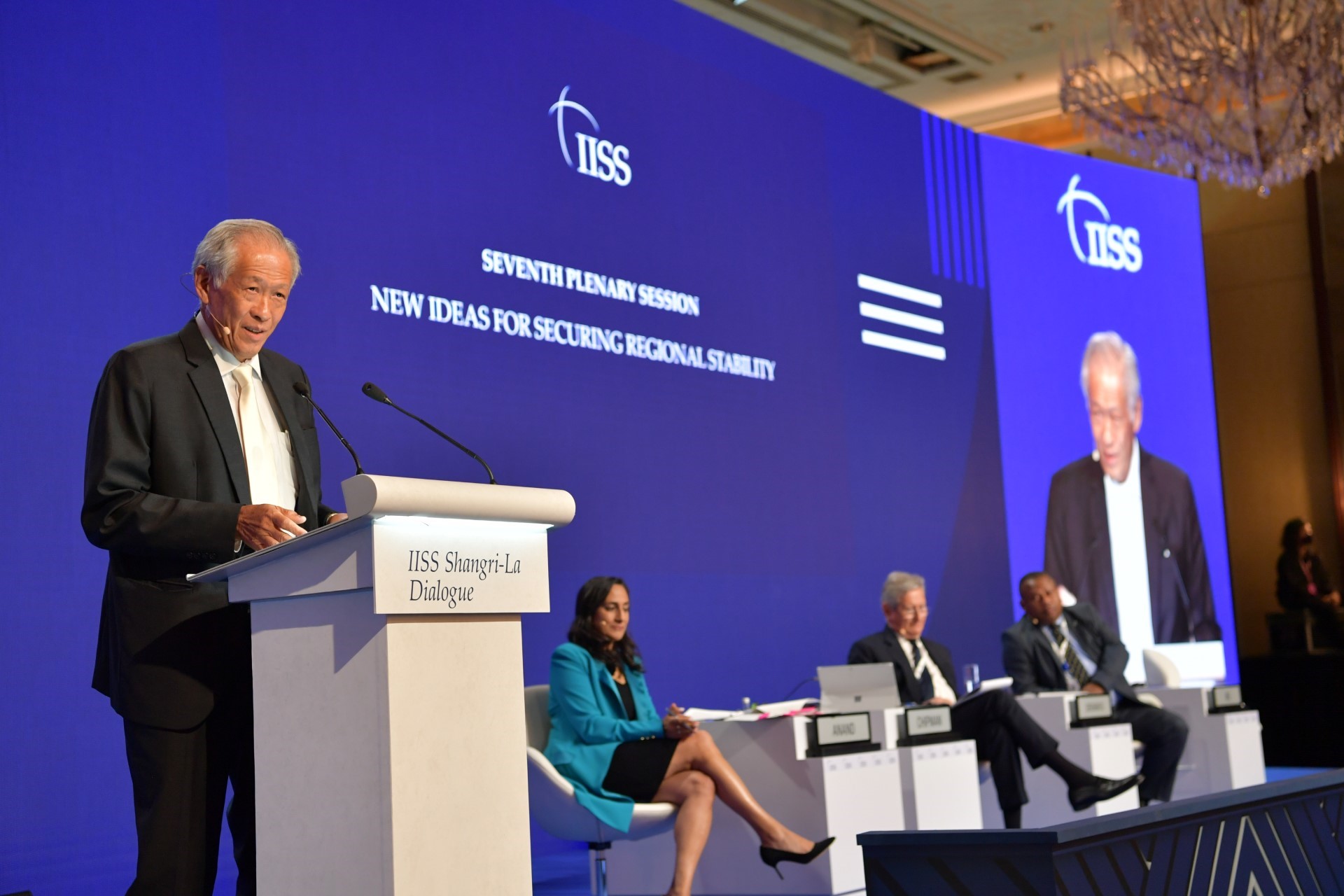
Minister for Defence Dr Ng Eng Hen spoke on the US-China relationship, the importance of a rules-based order and the role of ASEAN as a regional security platform at the 19th Shangri-La Dialogue (SLD).