
DIPLOMACY
DR NG: SAF TO STEP UP CIVIL-MILITARY COLLABORATION IN DISASTER RELIEF EFFORTS
13 Apr 2015
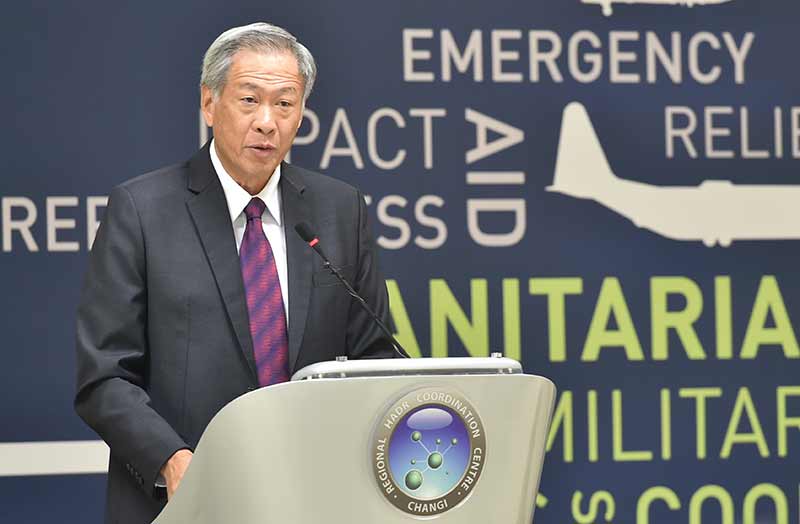
The Singapore Armed Forces (SAF) will step up its efforts to foster stronger military-military and civil-military collaboration to respond more effectively to disasters.
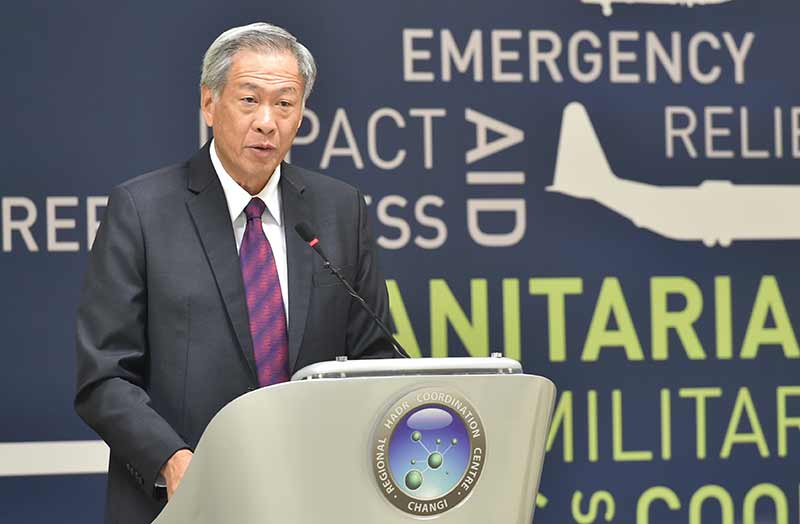
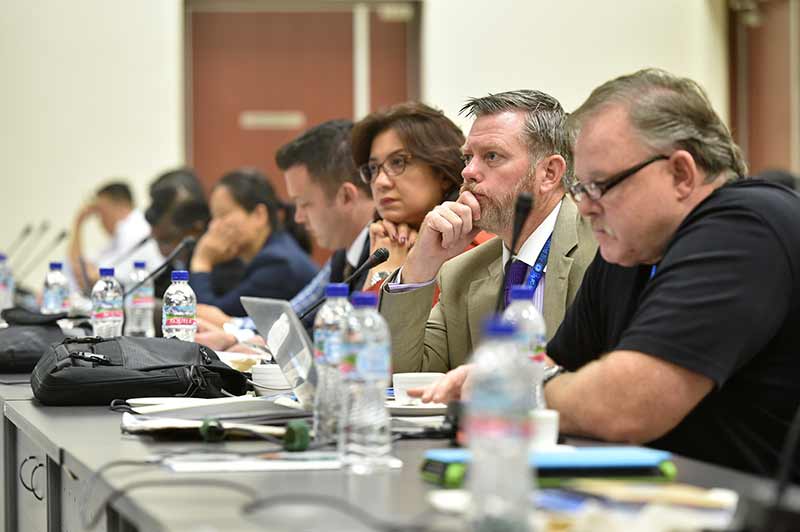
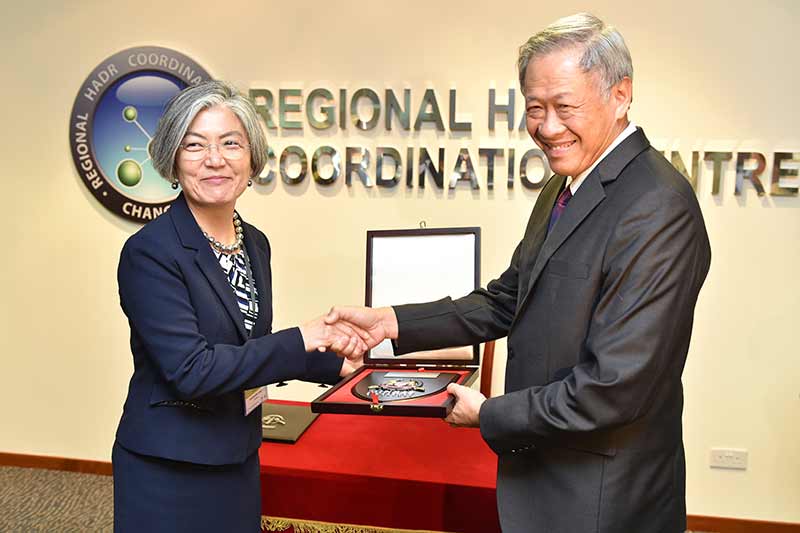
Minister for Defence Dr Ng Eng Hen said this at the opening ceremony of the World Humanitarian Summit (WHS) Global Forum on Humanitarian Civil-Military Coordination on 13 Apr. Held at Changi Command and Control Centre, the three-day forum is co-hosted by Singapore and the United Nations Office for the Coordination of Humanitarian Affairs (UN OCHA), and attended by some 100 delegates from more than 25 countries.
The WHS Global Forum will see discussions on ways to enhance the effectiveness and efficiency of civil-military disaster relief responses and operations at the national, regional and international levels. It will also shape the agenda of the UN World Humanitarian Summit, which will be held in Istanbul in May 2016.
In his keynote address, Dr Ng said that in recent years, the SAF had been focusing on evolving a military doctrine for non-traditional security threats, scoping operations and maximising efforts. This was stemmed from the fact that there was no clearly defined military doctrine for Humanitarian Assistance and Disaster Relief (HADR) efforts, and was thus one of the reasons for Singapore hosting the Global Forum.
He suggested three broad parameters to shape the forum discussions: One of which was that militaries should not replicate what civilian organisations can do better.
"A simple example - it makes little financial sense for military aircraft and ships to transport items like blankets and even food from developed countries to areas of need," said Dr Ng.
He added that civilian agencies were more equipped to buy necessities and distribute them, as they had greater purchasing power.
Dr Ng also noted that militaries should confine themselves to critical windows of need while civilian agencies gear up to take over, and that militaries will need to build up information hubs and network with civilian organisations even before disasters happen. To this effect, the SAF has been increasing its engagement with agencies such as the Singapore Red Cross and Mercy Relief, both of which have been playing an increasing role in regional disaster relief efforts.
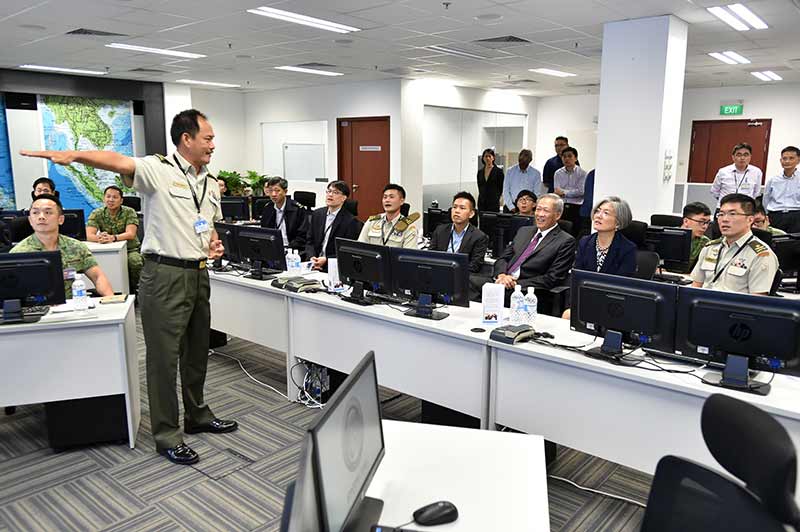
At the regional level, Singapore has set up the Information Fusion Centre and the Changi Regional HADR Coordination Centre (RHCC). The former currently hosts International Liaison Officers from 15 countries to collect maritime information and feed them to all their partners, while the latter works closely with key stakeholders like UN OCHA and the ASEAN Coordinating Centre on Humanitarian Assistance (AHA) to enhance civil-military coordination in disaster regions.
The SAF has also participated in its fair share of HADR missions, with 20 deployments within the last decade, said Dr Ng.
The largest relief effort was for the 2004 Boxing Day Tsunami, where the SAF deployed 1,500 personnel, three Landing Ships Tank, 12 helicopters and eight transport and utility aircraft. Recent efforts include flood relief efforts in Kelantan, Malaysia and fire-fighting operations in Chiang Mai, Thailand.
In response to the increase in military engagements for HADR missions, Assistant Secretary-General (ASG) and Deputy Emergency Relief Coordinator Kyung-wha Kang noted that militaries have "standing forces and unique capabilities and assets that can deploy rapidly in the immediate aftermath of a disaster".
"These are often used to support the initial response while national authorities and humanitarian agencies identify needs and establish longer-term and more structured operations," said ASG Kang.
This was also the reason that having strong civilian-military coordination was important, she added.
Moving forward, a series of workshops will be held at the Changi Command and Control Centre. These include the introductory session of the Regional Consultative Group on Humanitarian Civil-Military Coordination for Asia and the Pacific, and the biennial ASEAN Regional Forum Disaster Relief Exercise.
Dr Ng concluded his speech by saying that the use of technology must be leveraged to enable better information sharing and build closer networks between civil and military players for a more effective disaster relief response.
"For instance, the RHCC's OPERA Command and Control Information System can take data from a wide range of sources, fuse it together and disseminate it to partner militaries and civilian organisations like OCHA and AHA to enable more effective relief efforts."
"Partnerships are key, and these will bring knowledge, capacity and expertise to bear on the enormous challenges at hand," he said.

ALSO READ IN DIPLOMACY
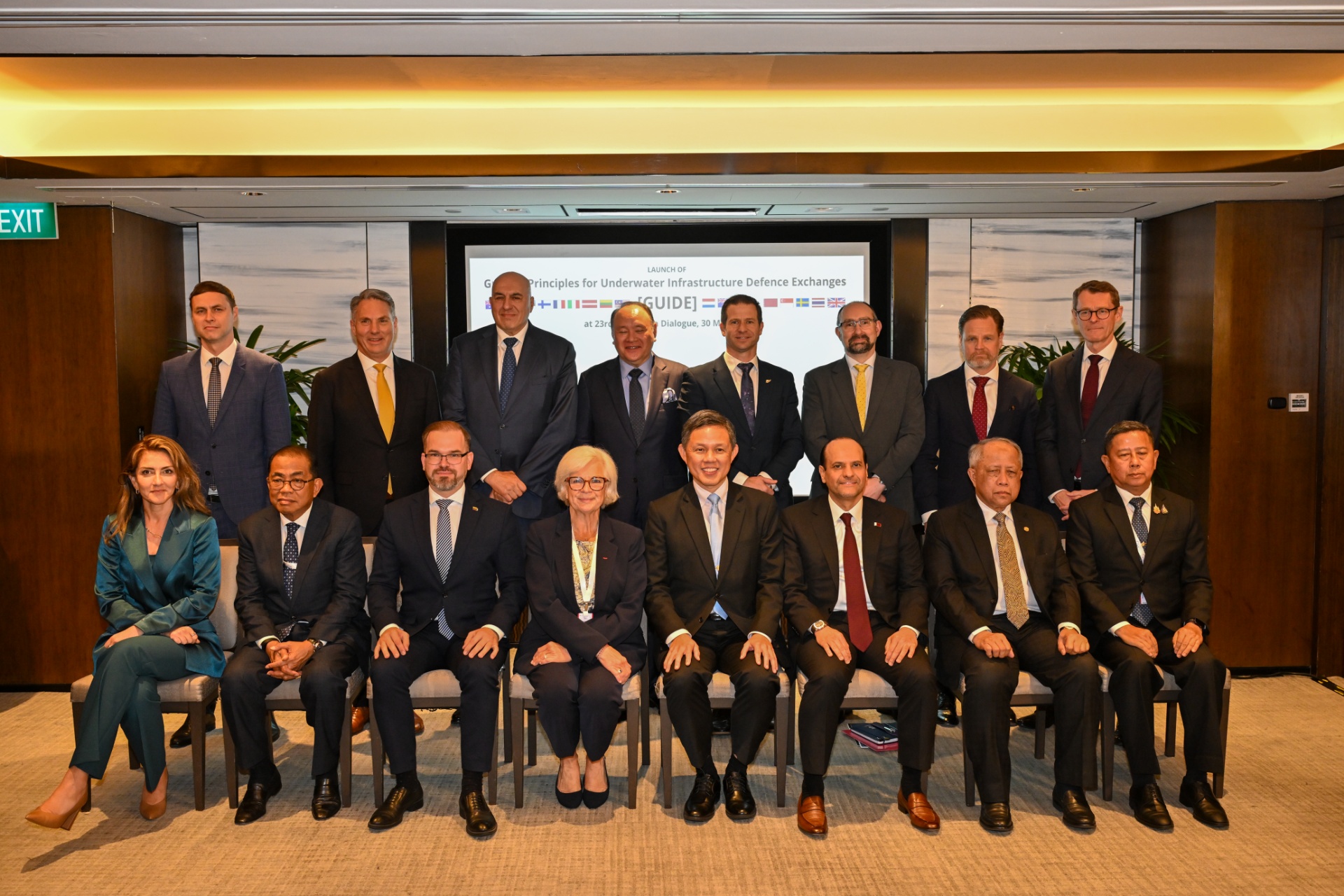
17 countries launch new framework for cooperation on critical underwater infrastructure
30 May 2026
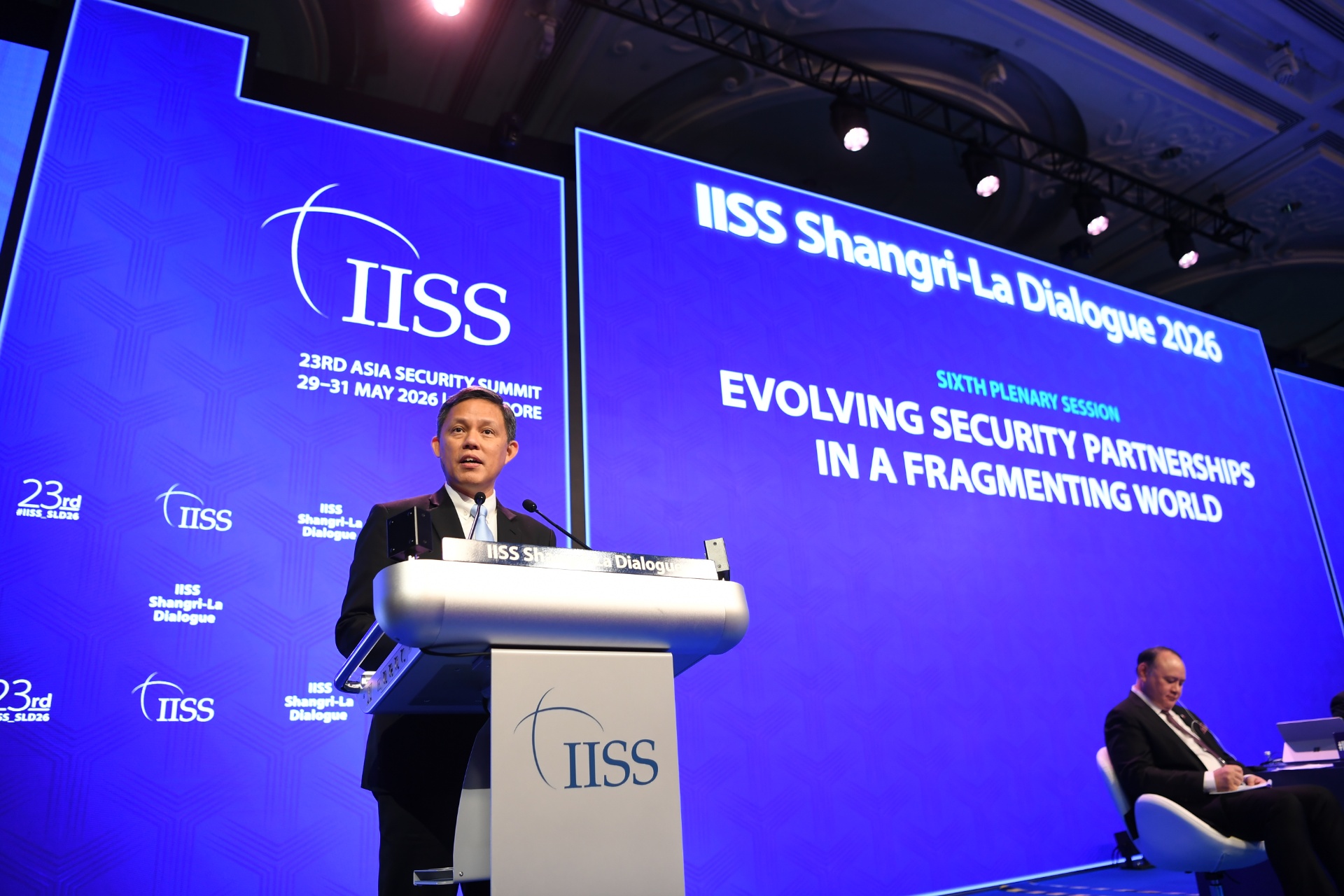
Launched on the sidelines of the 23rd Shangri-La Dialogue, GUIDE is a new framework that brings together countries for defence cooperation in enhancing the security of Critical Underwater Infrastructure.
Going alone is not the answer to insecurity – Mr Chan
01 Jun 2025
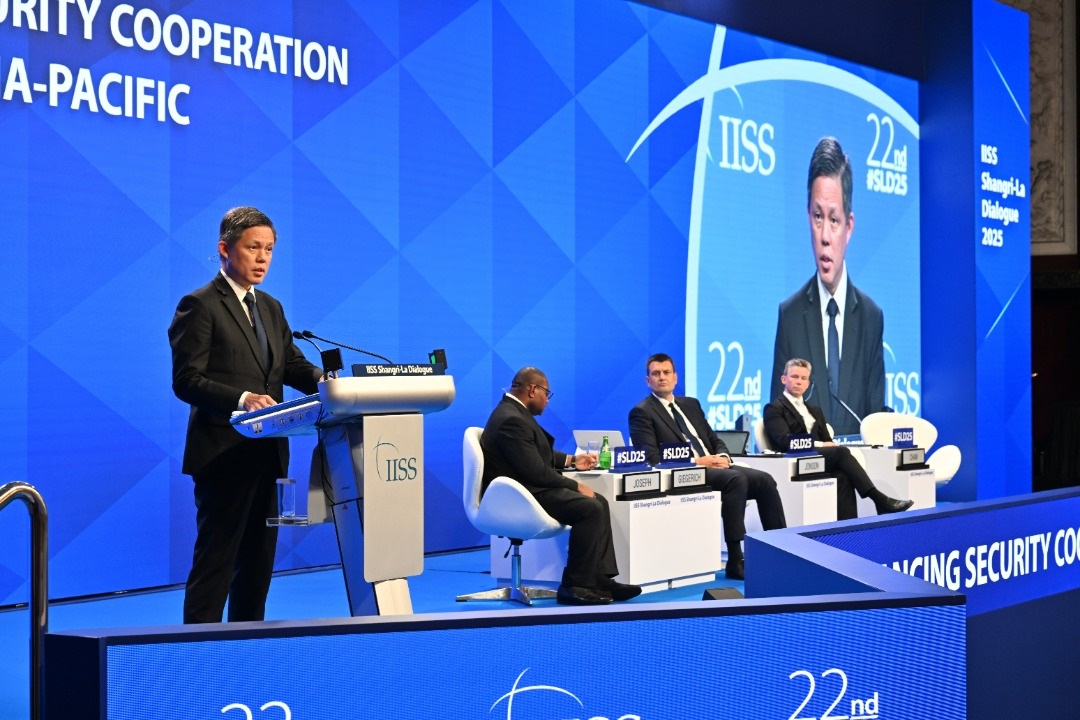
“Going alone is not the answer to insecurity”, emphasised Minister for Defence Mr Chan Chun Sing at the Shangri-La Dialogue (SLD), held from 30 May to 1 Jun. This was one of his main points at his speech at the sixth plenary session on 1 Jun.
A call for peace at Shangri La Dialogue
02 Jun 2024
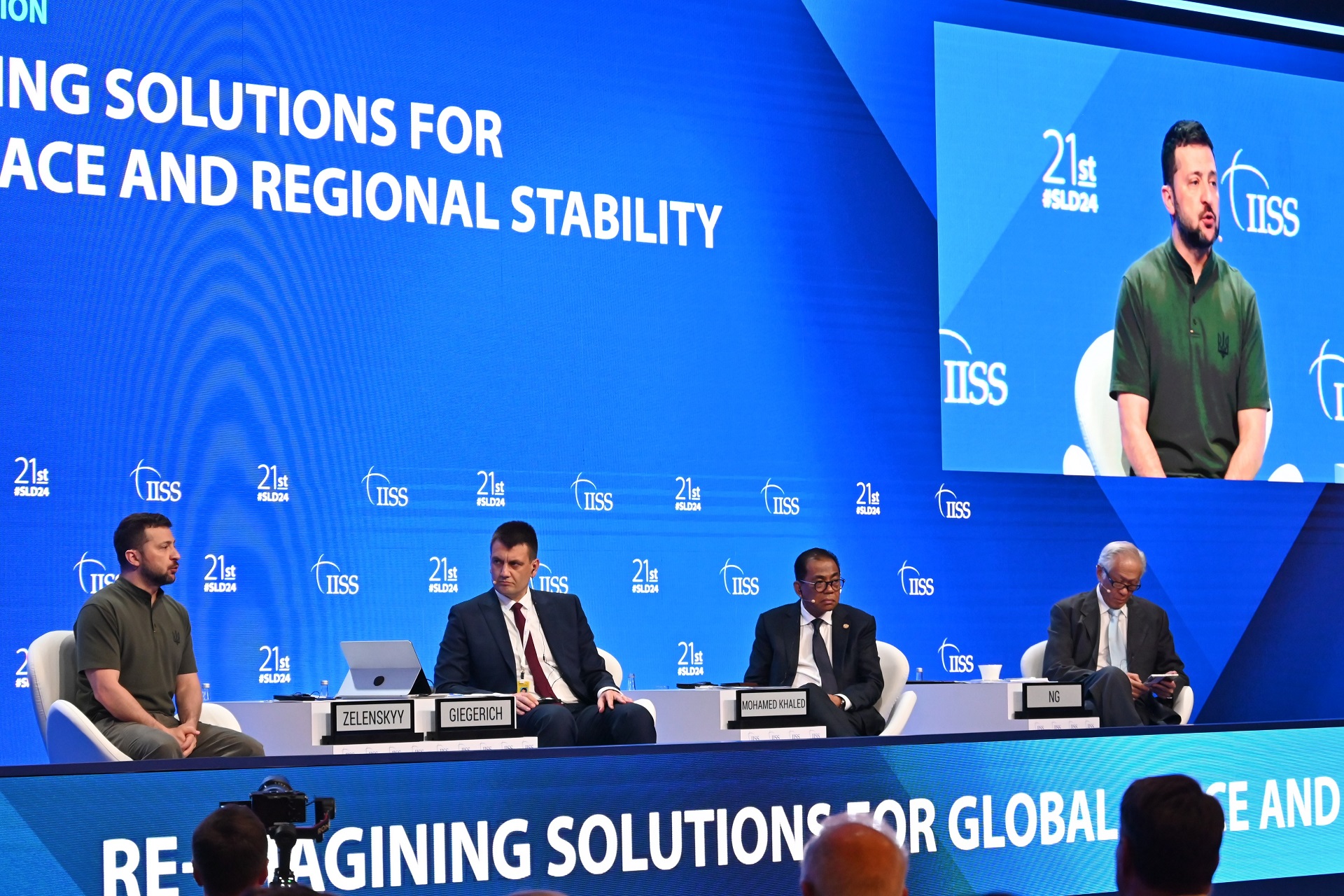
A repeated call for peace, especially in Asia. This was Minister for Defence Dr Ng Eng Hen's central message at the 21st Shangri La Dialogue (SLD), held from 31 May to 2 Jun.