
DIPLOMACY
COOPERATION VITAL FOR ASIA-PACIFIC MILITARY FORCES
13 Feb 2012
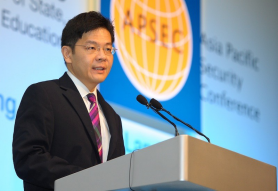
In today's fluid and uncertain security landscape where countries are increasingly becoming mutually interdependent, military forces in the Asia-Pacific must work together to meet future challenges. This was the point made by Minister of State for Defence and Education Lawrence Wong at the Asia-Pacific Security Conference (APSEC) held at Raffles Convention Centre on 13 Feb.
During his keynote address, he called for greater cooperation which would see regional stakeholders "move beyond dialogue to tangible defence cooperation".
"We must work together across countries and across continents to reach a consensus on the big issues and make interdependence work for the benefit of all. This is the basis for our shared security and common well-being in the evolving geo-political landscape of the Asia-Pacific," said Mr Wong.
To this end, platforms such as the Five Power Defence Arrangements (FPDA) and Western Pacific Naval Symposium provide many opportunities for regional military officers to exercise with each other.
The FPDA, which recently celebrated its 40th anniversary, held a major exercise last year codenamed Bersama Lima. The exercise involved some 4,000 personnel, 67 aircraft, 18 ships, two submarines and various support elements from the FPDA member nations.
On the regional level and beyond, Mr Wong pointed out ASEAN as one of the key drivers of confidence and cooperation to maintain peace and security.
The ASEAN Defence Ministers' Meeting-Plus (ADMM-Plus), was highlighted as a platform that combines "both elements of dialogue and practical cooperation".
Though the ADMM-Plus is a relatively young grouping that was only inaugurated two years ago, its five Experts' Working Groups (EWGs) have forged ahead in areas of cooperation which have the potential to affect all member-nations. These include issues such as maritime security, counter-terrorism, military medicine, peacekeeping operations and humanitarian assistance and disaster relief operations.
"There has been strong support for all these EWGs, which have made concrete plans for practical cooperation such as joint exercises and information sharing," noted Mr Wong.
This strong regional security architecture also includes the annual Shangri-la Dialogue (SLD) held in Singapore, which has grown steadily since it began in 2002. From 16 ministerial-level representatives from 22 countries at the inaugural meeting, participation has risen to 31 ministerial-level delegates from 30 countries in 2011. Held annually in Singapore, the 11th edition of the Dialogue will take place in June this year.
Held in conjunction with Singapore Airshow 2012, APSEC is an important event for military leaders and security scholars alike. Themed The Changing Geopolitical Landscape of the Asia Pacific, the conference will cover topics such as future challenges in the political, economic and diplomatic arenas, as well as tackle the implications of military modernisation for countries in the Asia-Pacific region.
Co-organised by the S. Rajaratnam School of International Studies, APSEC 2012 was attended by over 250 senior defence officials and military personnel, as well as academics and industry leaders.

ALSO READ IN DIPLOMACY
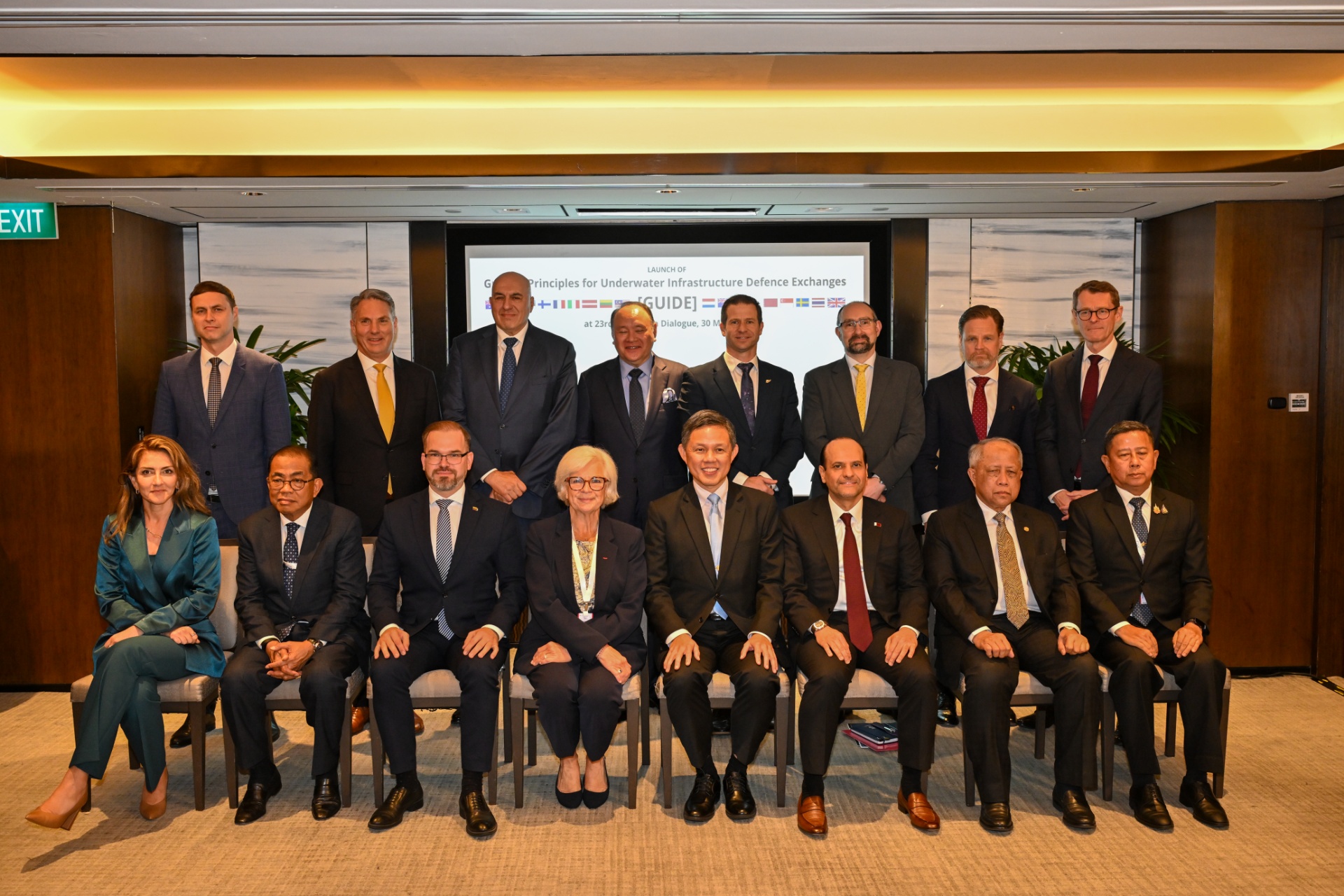
17 countries launch new framework for cooperation on critical underwater infrastructure
30 May 2026
Launched on the sidelines of the 23rd Shangri-La Dialogue, GUIDE is a new framework that brings together countries for defence cooperation in enhancing the security of Critical Underwater Infrastructure.
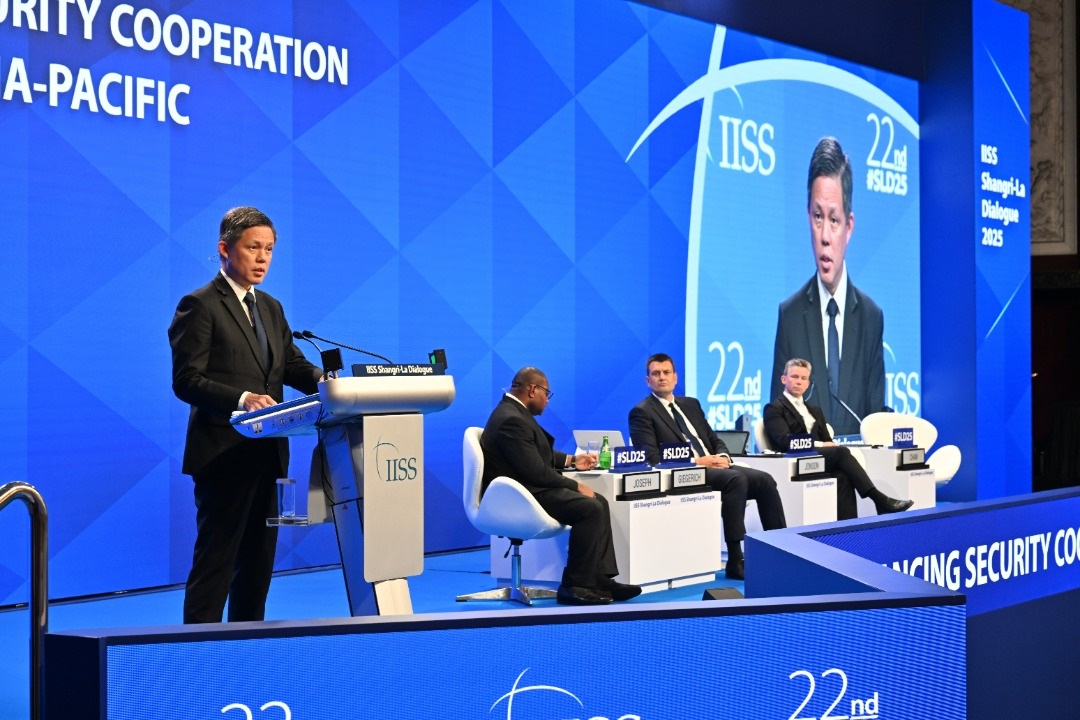
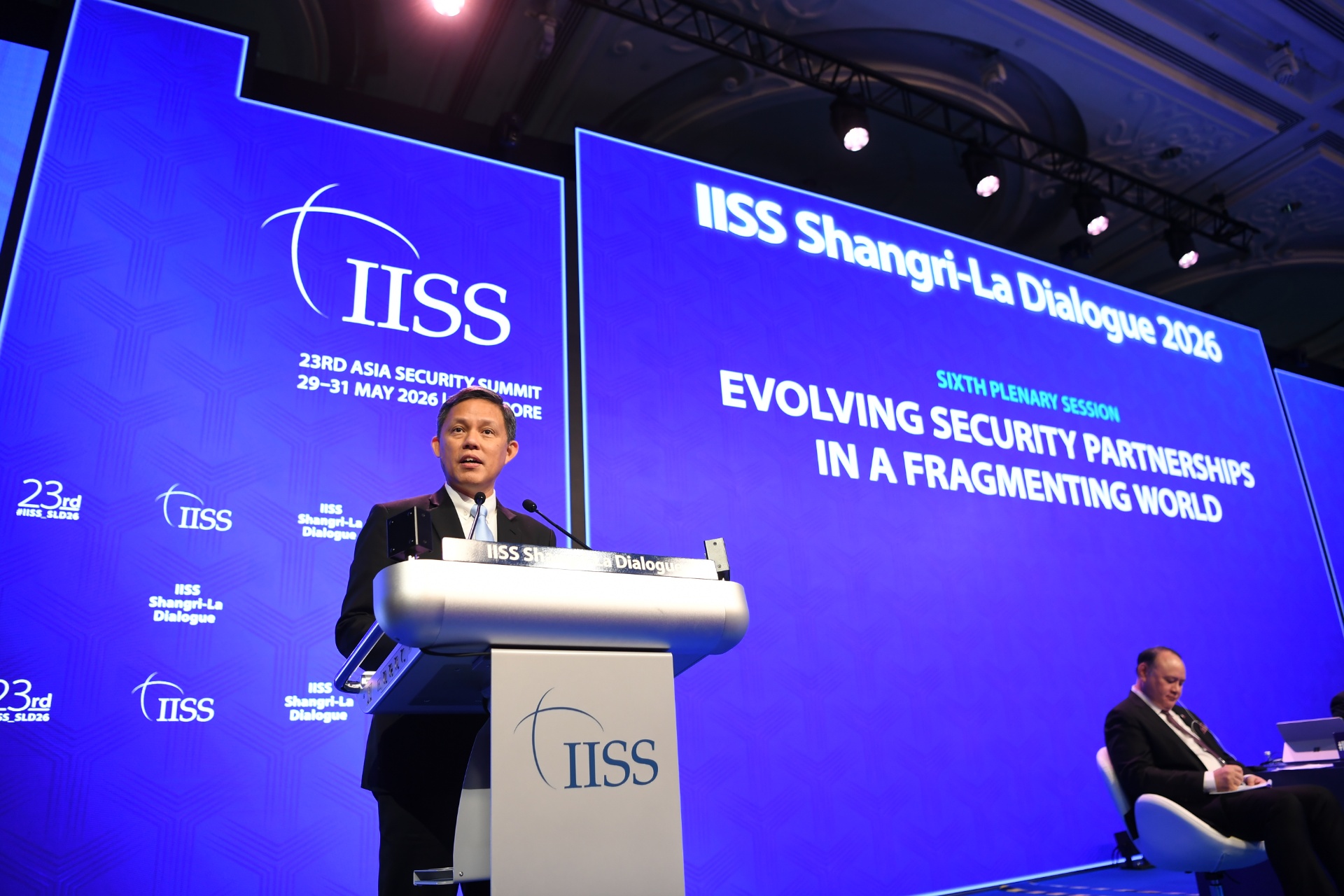
Going alone is not the answer to insecurity – Mr Chan
01 Jun 2025
“Going alone is not the answer to insecurity”, emphasised Minister for Defence Mr Chan Chun Sing at the Shangri-La Dialogue (SLD), held from 30 May to 1 Jun. This was one of his main points at his speech at the sixth plenary session on 1 Jun.
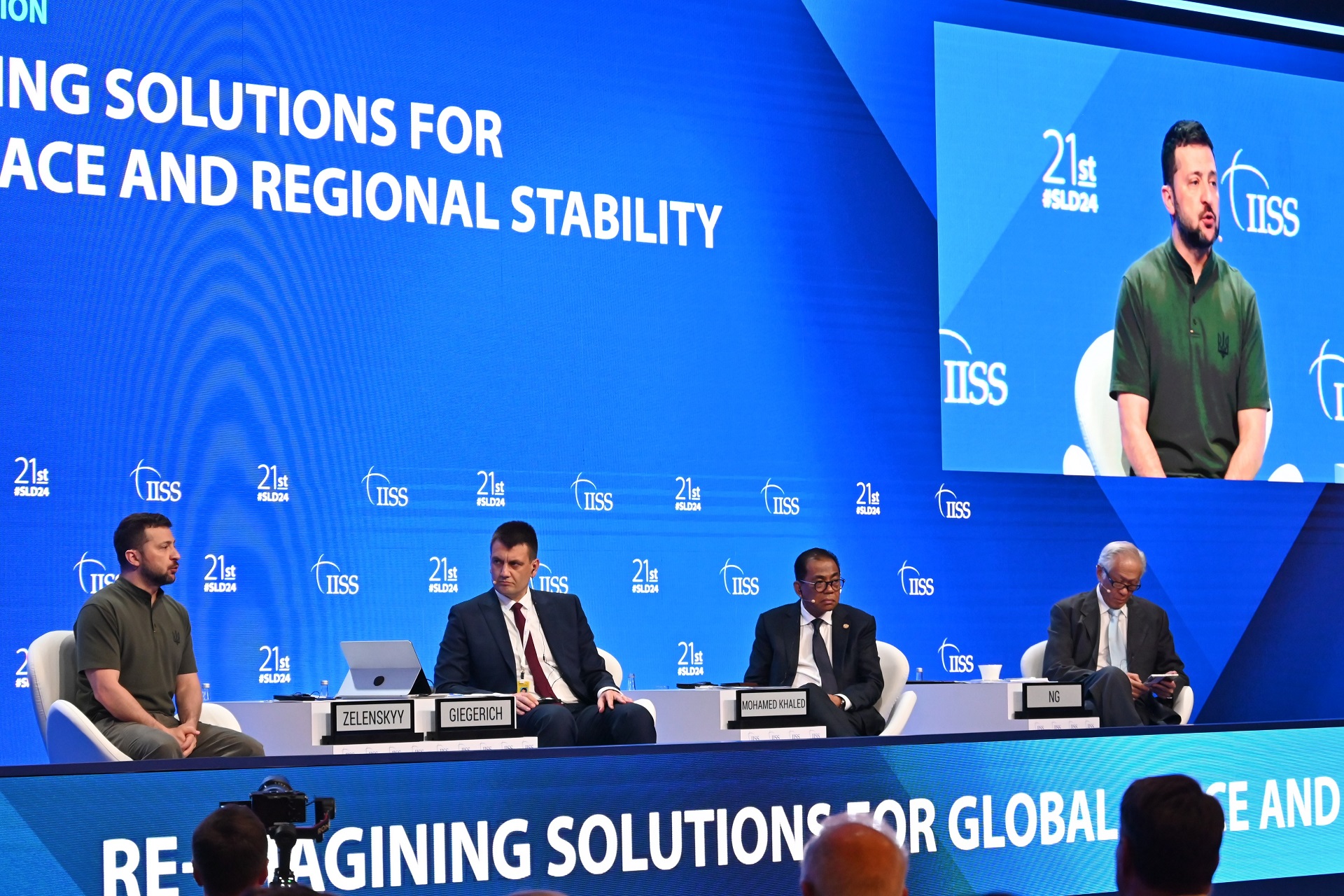
A call for peace at Shangri La Dialogue
02 Jun 2024
A repeated call for peace, especially in Asia. This was Minister for Defence Dr Ng Eng Hen's central message at the 21st Shangri La Dialogue (SLD), held from 31 May to 2 Jun.