
DIPLOMACY
'COLLABORATE, CO-OPERATE TO FIGHT TERRORISM'
22 Nov 2005
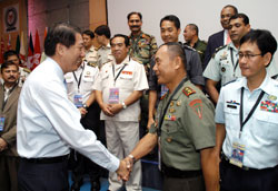
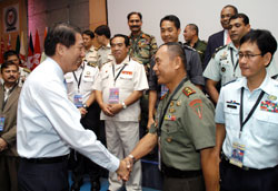
Minister for Defence Teo Chee Hean called for greater co-operation among the special forces and counter-terrorism experts of different countries in the fight against terrorism.
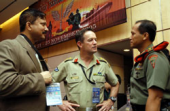
In his keynote address to some 90 participants representing 19 nations at the 2nd Regional Special Forces Counter-Terrorism Conference, Mr Teo reiterated the importance of collaboration in countering terrorism.
Singapore's approach is characterised by such integration and co-ordination, said the minister.
The country has a national security framework that links various government agencies, the community and the private sector to counter terrorism more effectively.
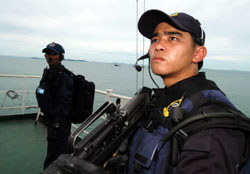
Enhanced sea security: Since March this year, armed sea marshals (comprising members from the RSN and the Police Coast Guard) have been deployed on merchant vessels in Singapore waters.
The Singapore Armed Forces (SAF) works closely with other agencies. For example, its Island Defence Headquarters works closely with the Ministry of Home Affairs to manage home-front security operations.
The Republic of Singapore Navy (RSN) also works hand-in-hand with other government agencies to enhance security at Singapore's ports and in its waters.
But national efforts are not enough. "The security of all our countries is inextricably linked," said Mr Teo. "We must work closely together, for only then can we be effective in countering terrorism."
The minister outlined several levels for multinational co-operation.
First, the exchange of intelligence can help uncover cells and networks and prevent attacks. Next, sharing of experiences in dealing with specific incidents and suspected terrorists among the relevant agencies can yield positive results.
Finally, interactions will allow countries to better understand the ideology of possible threats and effectively counter them.
Mr Teo acknowledged that a network of co-operative relationships has been constructed over many years, particularly among the armed forces of Asia-Pacific countries.
But he stressed that more could be done.
"For special forces in particular, it is vital to develop better understanding of one another, for we never know when we may need to work with each other in an operation to safeguard each other's national interests and nationals."
"We should also continue to build up the regional capacity to address maritime security threats through multilateral exercises and training," said Mr Teo.
"Such activities allow the operational agencies to build confidence and familiarity, and to enhance inter-operability."
Mr Teo highlighted the ASEAN Regional Forum (ARF) as an established initiative that brings the defence agencies of 25 countries together for dialogue on contemporary security challenges.
"The next step would be for the defence agencies of ARF member states to come together in more substantive co-operation, such as in joint exercises, including counter-terrorism exercises."
"The range of capabilities, expertise and experiences that various ARF countries can bring to such exercises would be most valuable for all the participants," Mr Teo said.
The conference is held in Singapore from 21 to 25 Nov.
Countries participating include China, India, Australia, Vietnam and the United States.
Besides attending seminars, the participants will also watch a demonstration by the SAF's Special Operations Force and Chemical, Biological, Radiological and Explosive Defence Group later this week.

ALSO READ IN DIPLOMACY
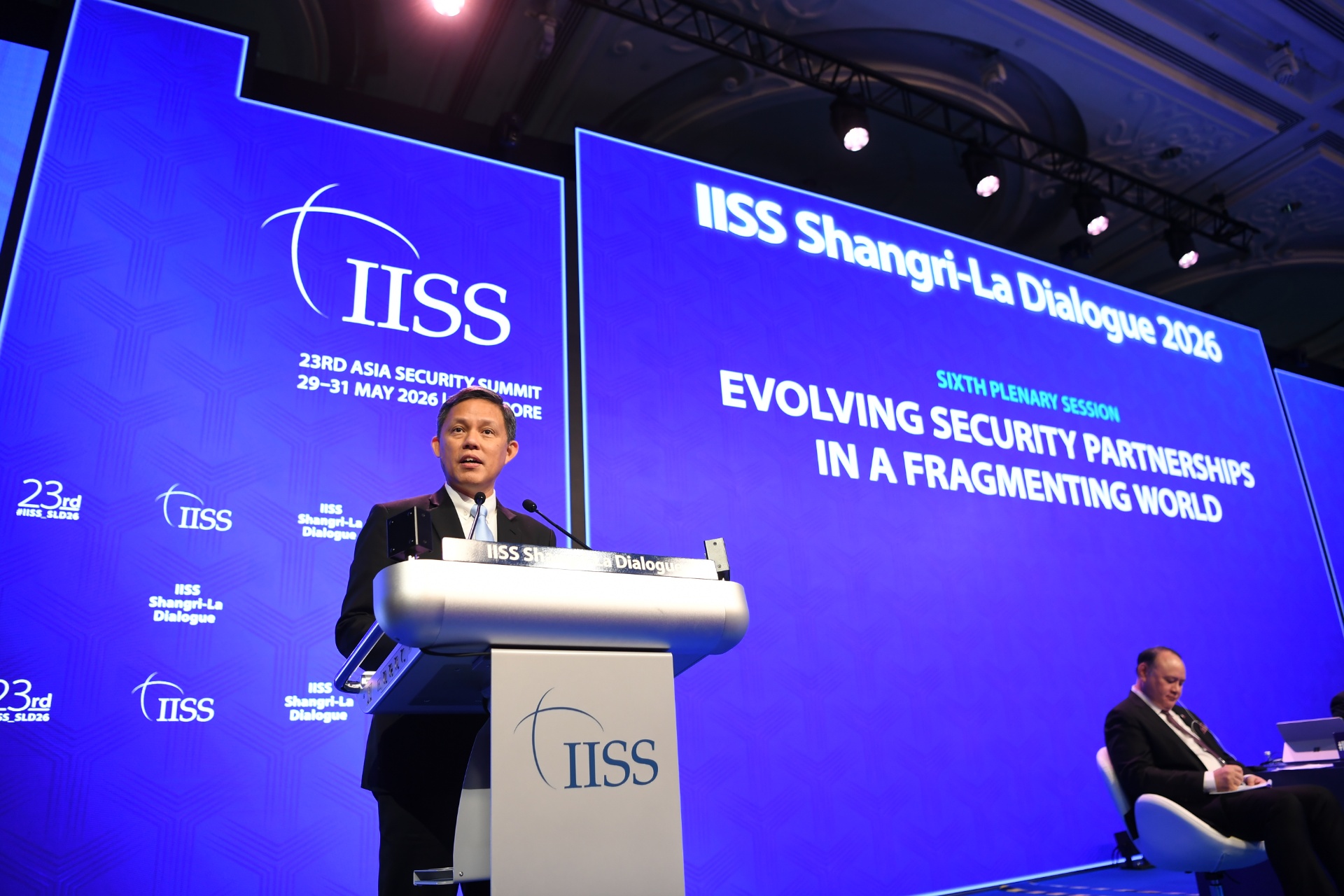
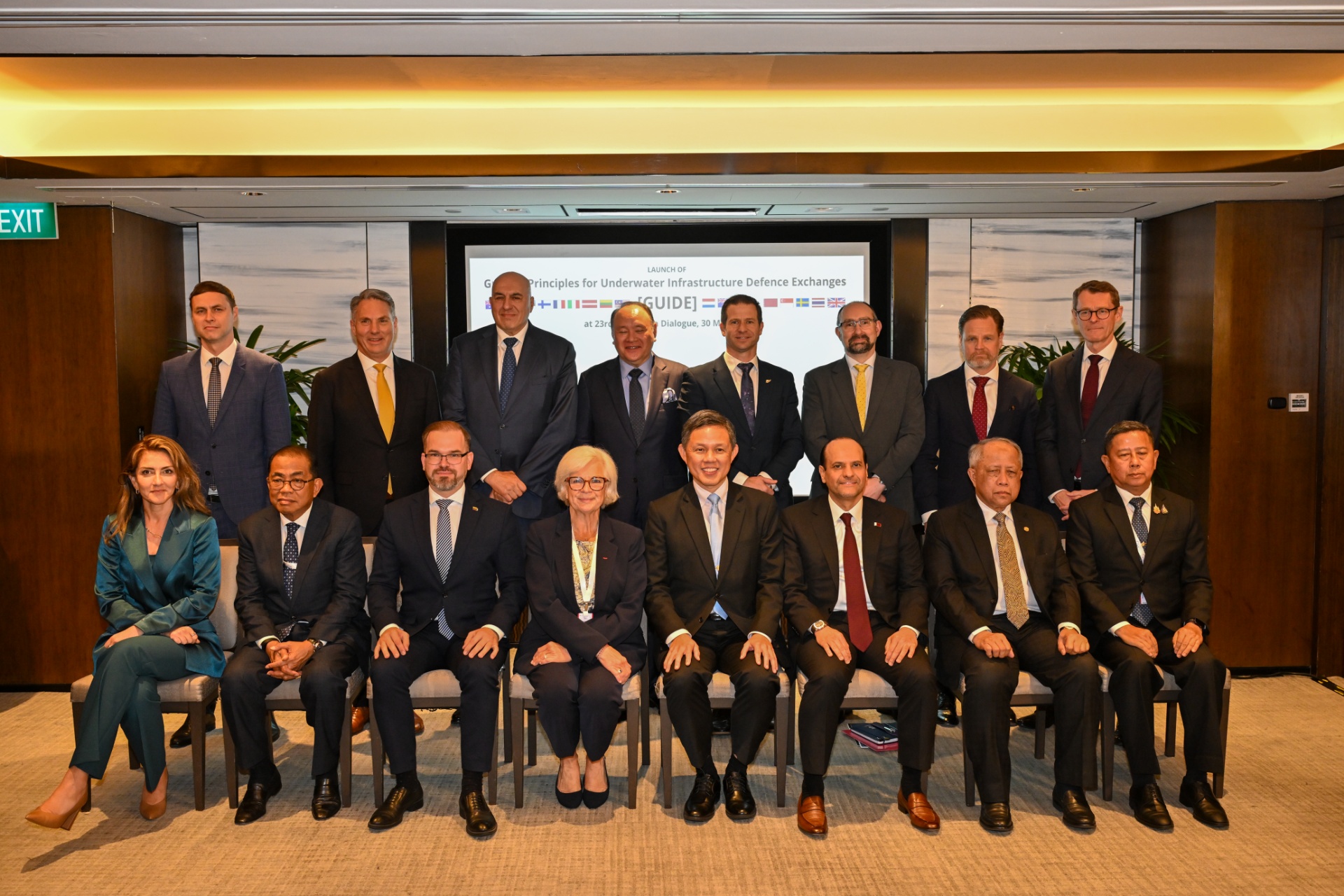
17 countries launch new framework for cooperation on critical underwater infrastructure
30 May 2026
Launched on the sidelines of the 23rd Shangri-La Dialogue, GUIDE is a new framework that brings together countries for defence cooperation in enhancing the security of Critical Underwater Infrastructure.
Going alone is not the answer to insecurity – Mr Chan
01 Jun 2025
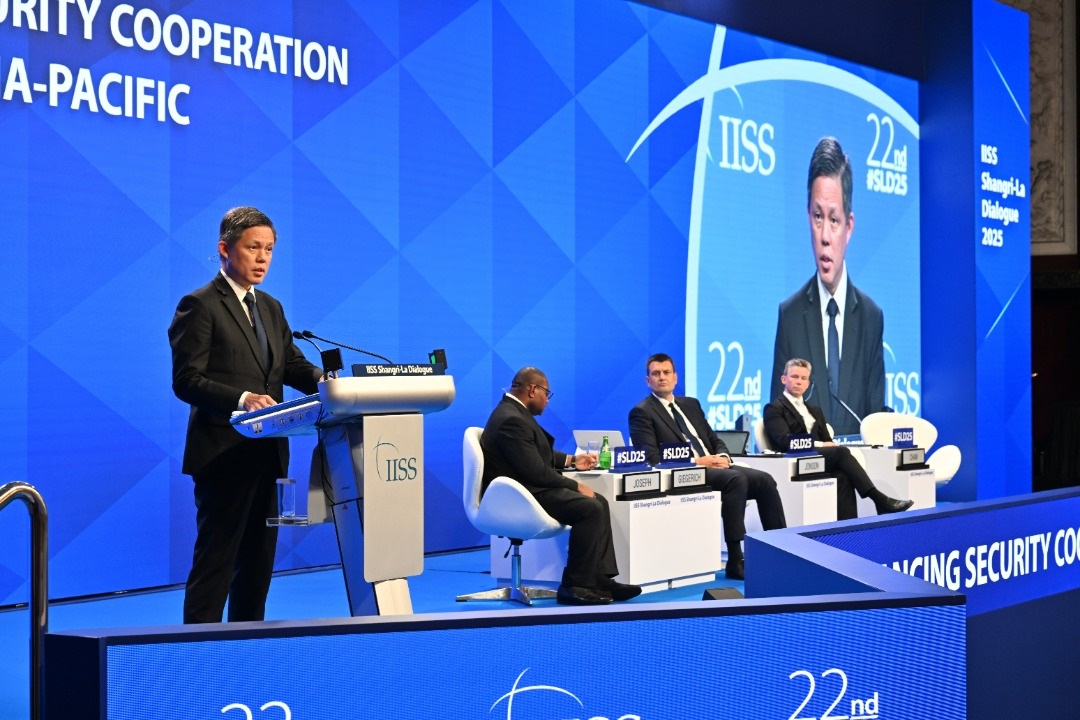
“Going alone is not the answer to insecurity”, emphasised Minister for Defence Mr Chan Chun Sing at the Shangri-La Dialogue (SLD), held from 30 May to 1 Jun. This was one of his main points at his speech at the sixth plenary session on 1 Jun.
A call for peace at Shangri La Dialogue
02 Jun 2024
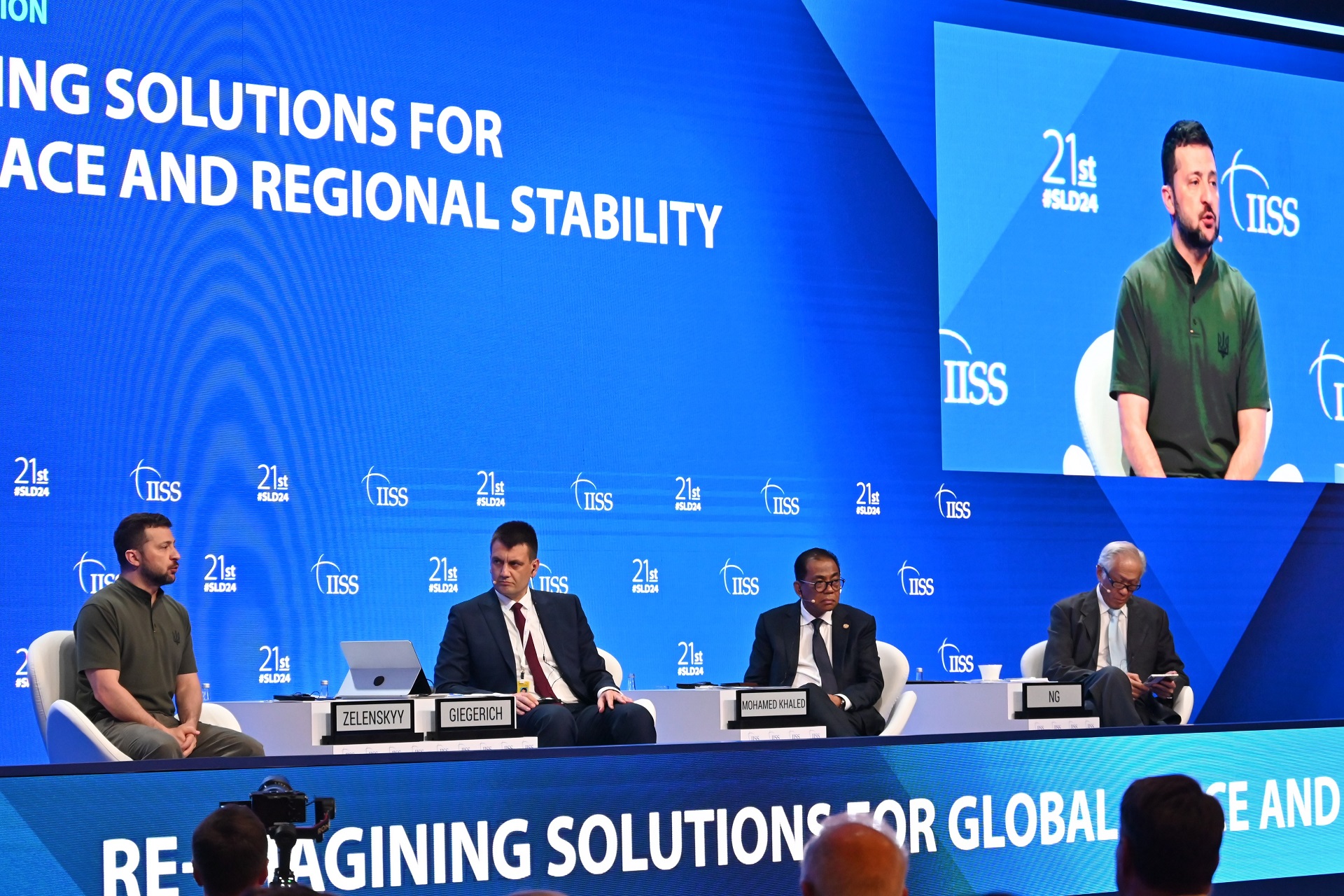
A repeated call for peace, especially in Asia. This was Minister for Defence Dr Ng Eng Hen's central message at the 21st Shangri La Dialogue (SLD), held from 31 May to 2 Jun.