
DIPLOMACY
CIVIL-MILITARY COOPERATION THE KEY TO TACKLING PEACE SUPPORT OPERATIONS
29 Apr 2008
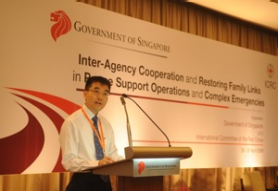
Armed forces are often called to act as a first line of response in peace support operations and complex emergencies, and their ability to do so is highly enhanced by a beneficial symbiosis with civilian organisations.
Sharing this view were Chief of Defence Force, Lieutenant-General (LG) Desmond Kuek; Deputy Secretary (International) of the Ministry of Foreign Affairs, Mr Andrew Tan; and the International Committee of the Red Cross (ICRC) Head of Regional Delegation (Kuala Lumpur), Mr Werner Kaspar.
The three men spoke at the opening of the ICRC Regional Seminar, which was held in Singapore on 29 and 30 Apr.
In his opening address, LG Kuek brought his audience's attention to the growing role of the military in dealing with complex emergencies - a term which used to encompass crises brought about by the considerable breakdown of state authority.
But in recent years, this term has expanded to include the consequences of catastrophic natural disasters and where the affected state governments are unable to cope on their own.
LG Kuek said the seminar's theme Inter-Agency Cooperation and Restoring Family Links in Peace Support Operations and Complex Emergencies "reflects our resolve to address some of the more difficult contemporary challenges of our day".
Militaries, for example, now have to grapple with complex emergencies that are beyond the capacity and mandate of any single agency or on-going United Nations country programme, such as the 1999 Kosovo conflict, the Boxing Day Tsunami of 2004 as well as Hurricane Katrina in 2005.
Combining the skills of various civil and military organisations, therefore, seemed the most logical and effective manner in which these incidents can be met and neutralised, said LG Kuek.
"We should therefore take whatever steps possible to ensure that we can build up the necessary interoperability and integration before we are called upon to embark on a future mission together," he said. "It is through this synergy of both military and civilian organisations that will bring about relief to the victims in the shortest possible time."
Mr Kaspar explained the ICRC's role and modus operandi in the field. His organisation's focus, Tracing and Restoring Family Links (RFL), was born at the end of the First World War out of the desperation felt by family members searching for missing loved ones.
As a former president of a commission between Iraq, Kuwait, Saudi Arabia, France, the United States and the United Kingdom, as well as another commission in the Balkans, Mr Kaspar saw first-hand the difficulties facing agencies that attempted to aid individuals tracing family members missing as a result of conflicts.
Speaking to the media, Mr Kaspar detailed the ICRC's partnership with military forces: "Armies traditionally did wars, but they have now discovered that their logistics can make a difference when emergencies arise on a large scale. For the ICRC this is a challenge because in a conflict situation, where we are specialists, we operate in the field and we need to be seen as neutral and independent and not as the humanitarian arm of an army or government."
Crucial for cooperating military forces to note also was the ICRC's emphasis on International Humanitarian Law, mandated under the auspices of the Geneva Convention and its Additional Protocols.
"This trend of contributing troops to peace operations is likely to continue, with more countries having an active role. There we consider deliberations on the legal and operational aspects of peace operations to be timely."
As such, all parties were pleased to note that the seminar offered an opportunity to enhance mutual understanding, strengthen interoperability and share information among all organisations involved.

ALSO READ IN DIPLOMACY
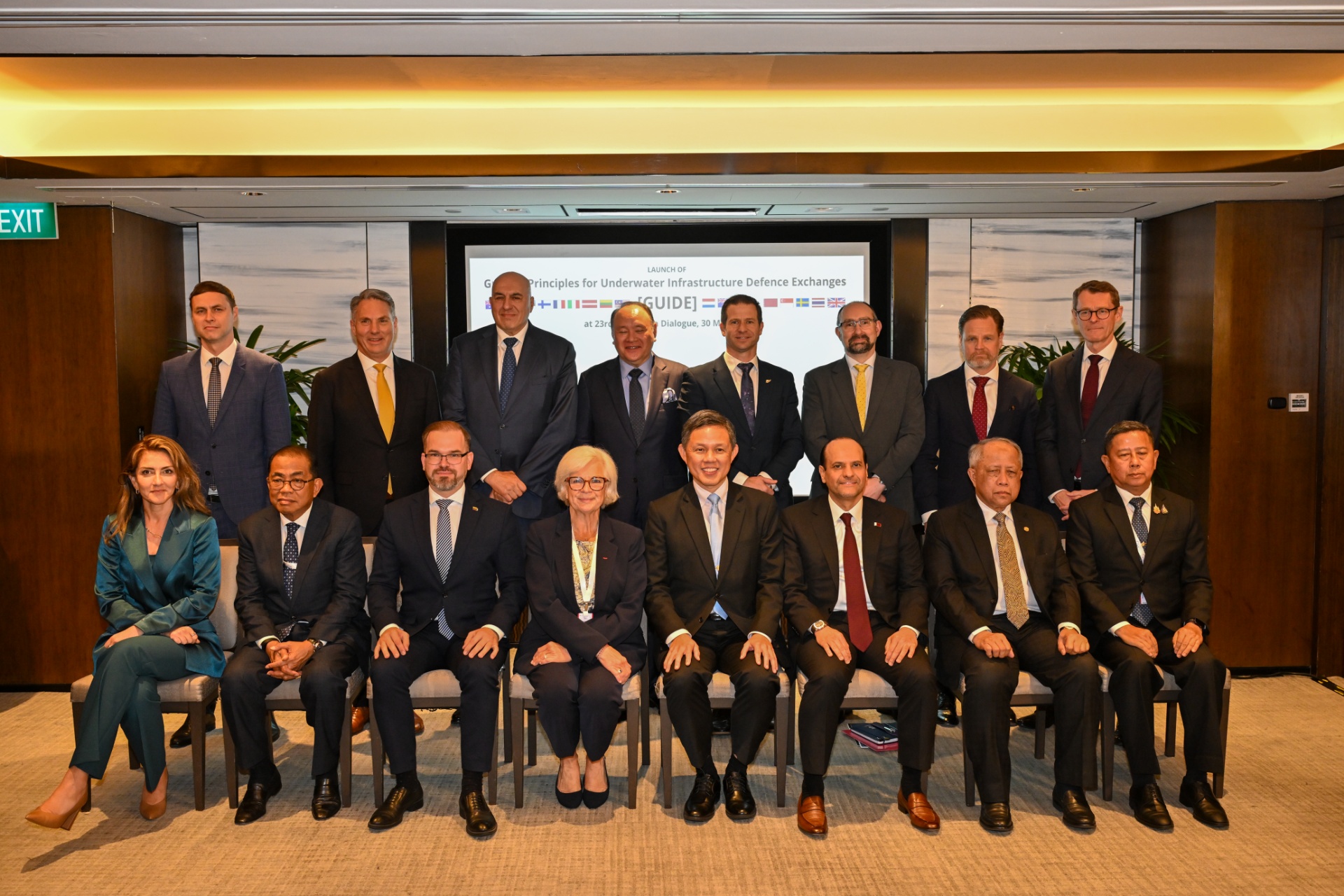
17 countries launch new framework for cooperation on critical underwater infrastructure
30 May 2026
Launched on the sidelines of the 23rd Shangri-La Dialogue, GUIDE is a new framework that brings together countries for defence cooperation in enhancing the security of Critical Underwater Infrastructure.
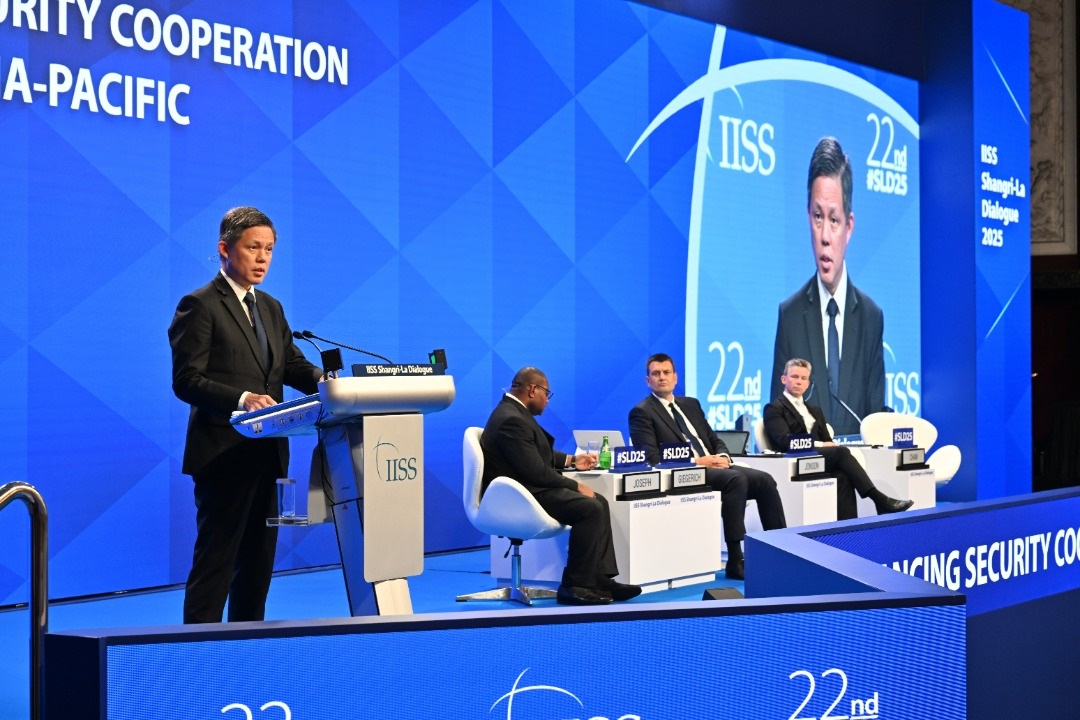
Going alone is not the answer to insecurity – Mr Chan
01 Jun 2025
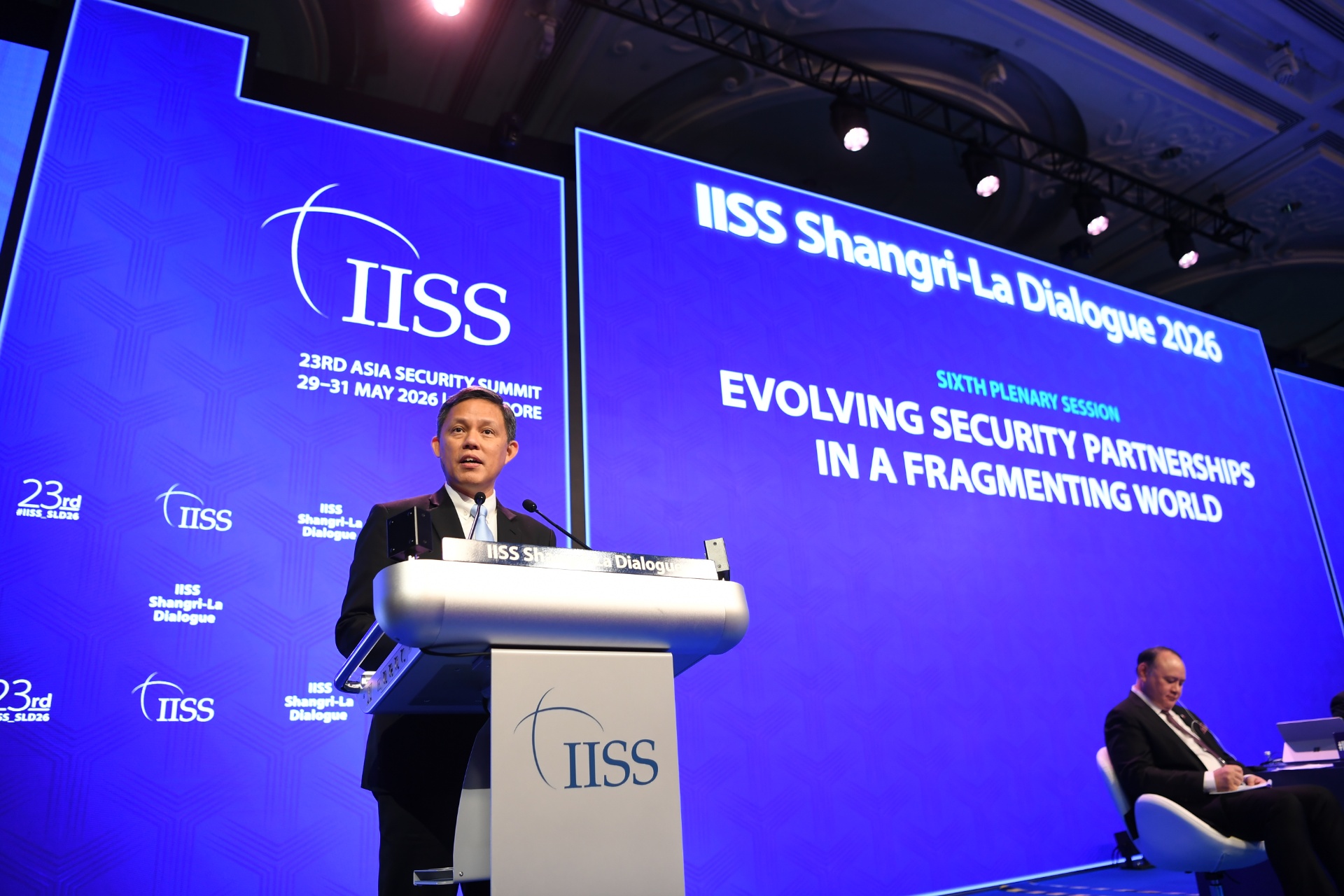
“Going alone is not the answer to insecurity”, emphasised Minister for Defence Mr Chan Chun Sing at the Shangri-La Dialogue (SLD), held from 30 May to 1 Jun. This was one of his main points at his speech at the sixth plenary session on 1 Jun.
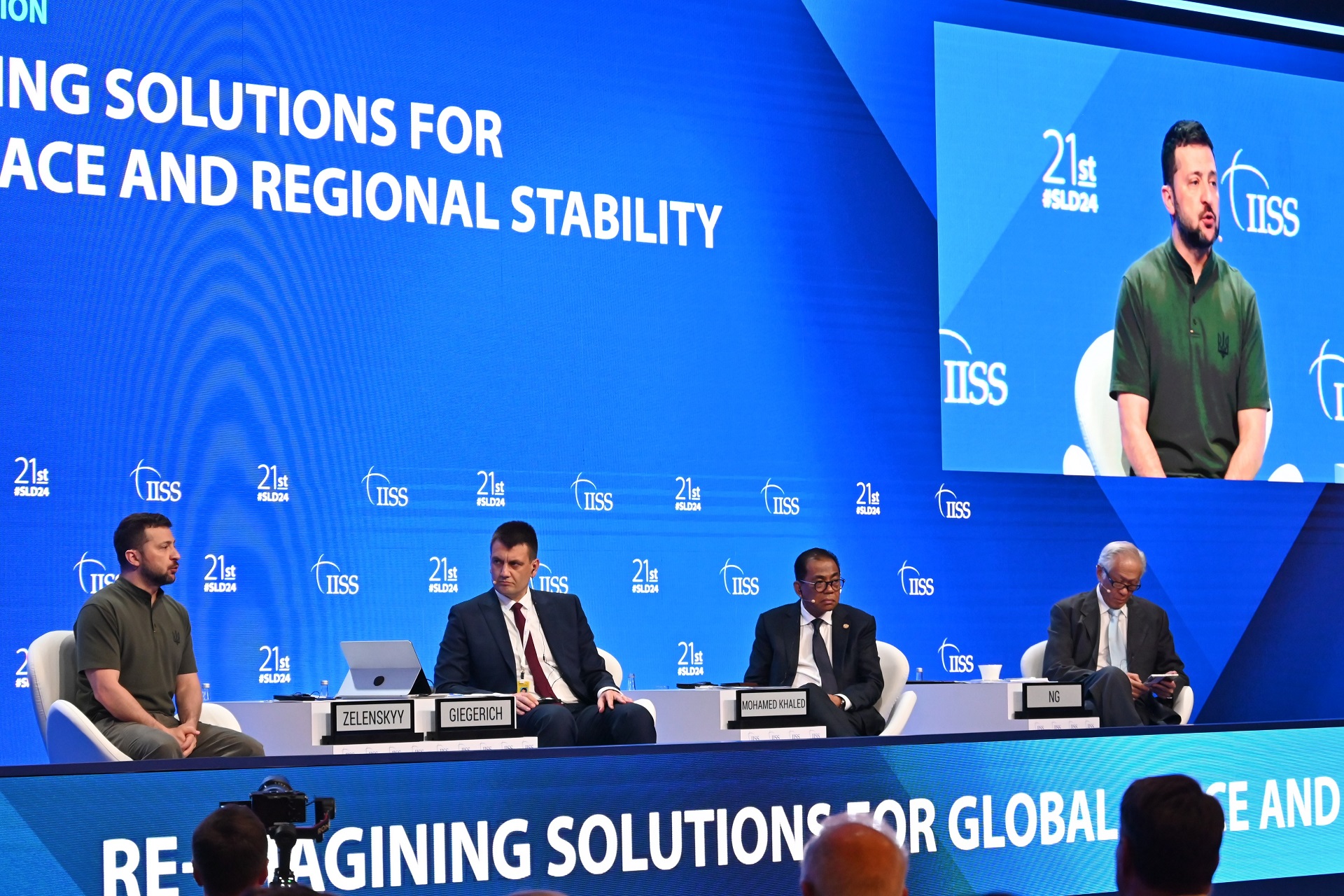
A call for peace at Shangri La Dialogue
02 Jun 2024
A repeated call for peace, especially in Asia. This was Minister for Defence Dr Ng Eng Hen's central message at the 21st Shangri La Dialogue (SLD), held from 31 May to 2 Jun.