
DIPLOMACY
BOOSTING MILITARY-CIVIL COOPERATION IN DISASTER RELIEF OPERATIONS
11 Sep 2014
Humanitarian Assistance and Disaster Relief (HADR) operations can often be chaotic and slow due to a lack of coordination among the military forces and civilian aid agencies involved. But the first 48 hours are critical for saving lives. This is the reason HADR practitioners from the military and civilian sectors of 16 countries have gathered for a two-day conference in Singapore to foster cooperation in future HADR operations.
The Regional Conference for Building Civil-Military Capacity for Disaster Relief Operations is jointly organised by the Singapore Armed Forces (SAF) and the United States Centre for Excellence in Disaster Management and Humanitarian Assistance.
Chief of Defence Lieutenant-General (LG) Ng Chee Meng opened the conference with a keynote address on 11 Sep. Speaking to more than 100 participants, he noted that no country could handle a major disaster alone, and that militaries were increasingly relied on to lead HADR operations because of their 24/7 readiness.
But he pointed out that a lack of coordination among the different militaries and civilian agencies could hamper relief effort. For instance, international aid supplies may arrive fast in the disaster-hit country, but there may be delays in delivering them to where they are most needed due to a lack of prior coordination.
"If we do not foster dialogue and deeper understanding, the differences in the operating procedures and terminology of civilian agencies and militaries can be a gross impediment to relief efforts," said LG Ng.
He said: "This conference hopes to do so, through promoting dialogue and discussion on key topics in disaster response, from the perspective of both the military and civilian realms."
Speakers from the militaries and civilian agencies will take turns to share their experiences from previous HADR operations. The second day of the conference will include speakers from Google and DHL. They will share insights into how technology can be tapped to boost the effectiveness of HADR operations, for instance, sharing information in real time.
The first speaker, Major General (MG) Jet B. Velarmino, Commander of 8th Division, Philippine Army, was involved in the Typhoon Haiyan HADR operation in 2013.
He recalled that the relevant local agencies were themselves hit by the typhoon, and communication links were cut off. He thus recommended that liaison officers from the various militaries, civilian agencies and non-governmental organisations (NGOs) be stationed at the HADR operations headquarters to facilitate coordination.
"This is one of the best practices that could be adopted regionally," he said.
For participant Terry Sherwood, he hoped to gain deeper insights into how the military works in HADR operations. A regional security adviser of Plan, an NGO, he was involved in delivering temporary shelters to victims of Typhoon Haiyan.
He said: "I am here to learn how the top-level military people work together to get those connections going, so that we can close the gaps earlier on, and work together more effectively in disaster operations."

ALSO READ IN DIPLOMACY
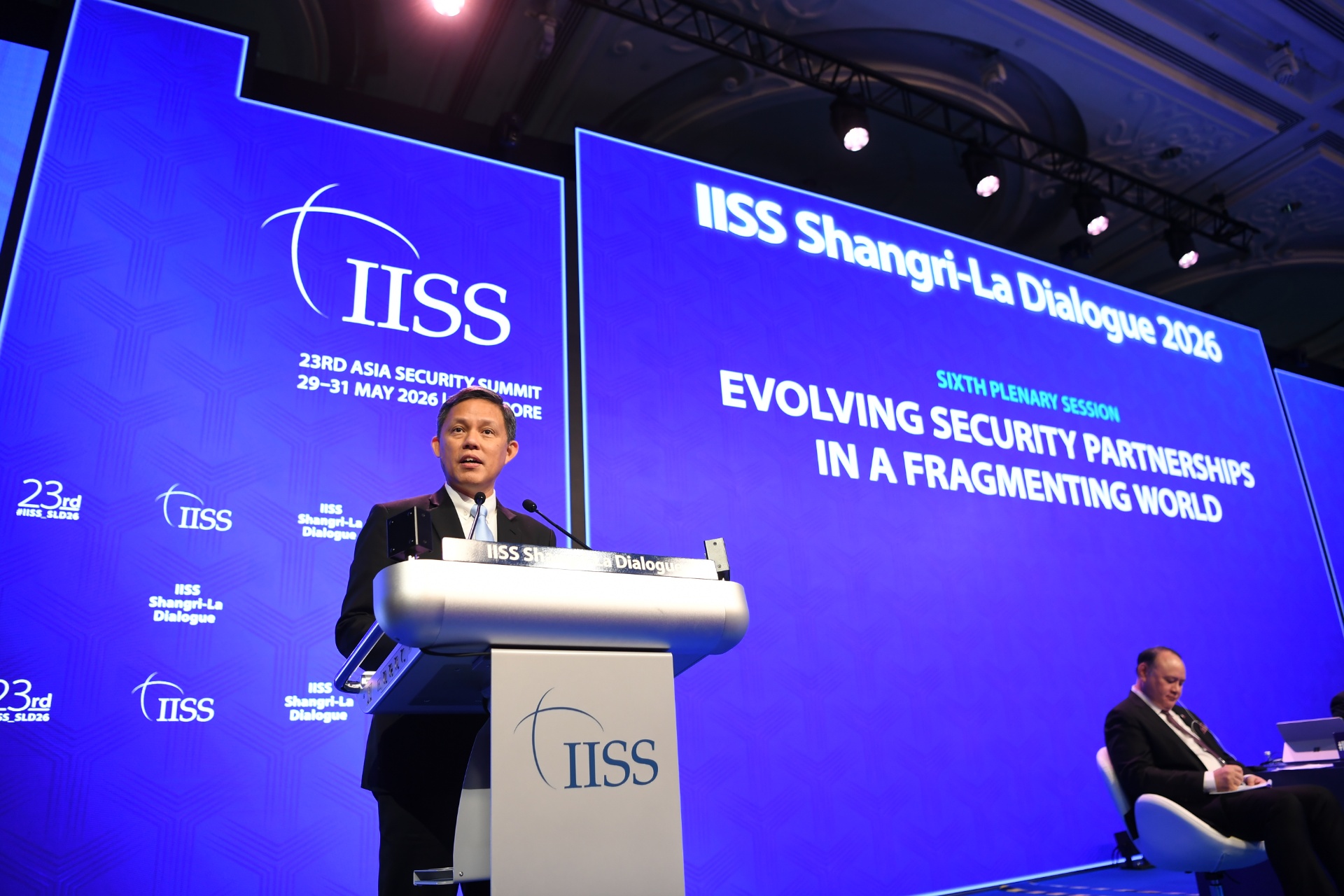
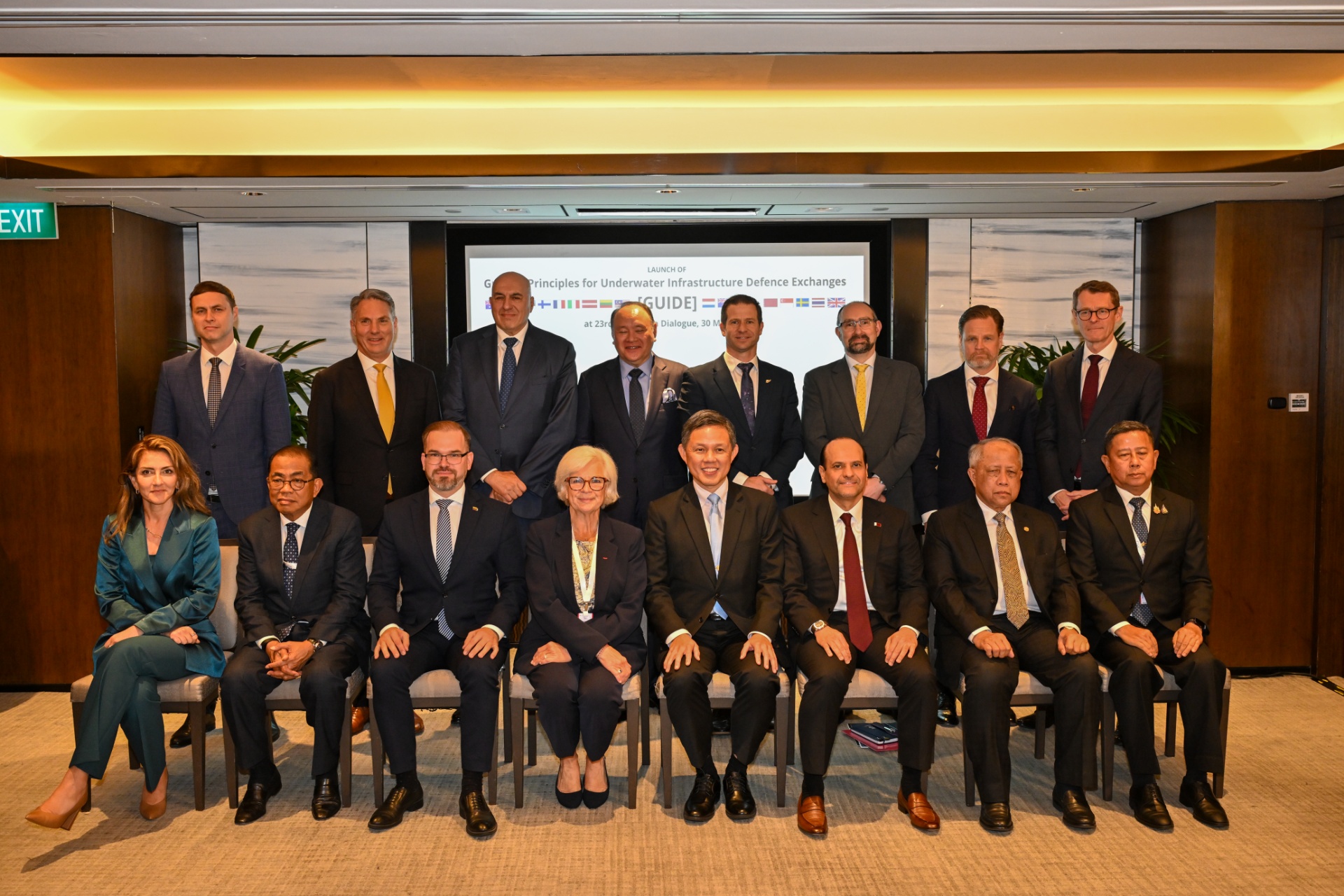
17 countries launch new framework for cooperation on critical underwater infrastructure
30 May 2026
Launched on the sidelines of the 23rd Shangri-La Dialogue, GUIDE is a new framework that brings together countries for defence cooperation in enhancing the security of Critical Underwater Infrastructure.
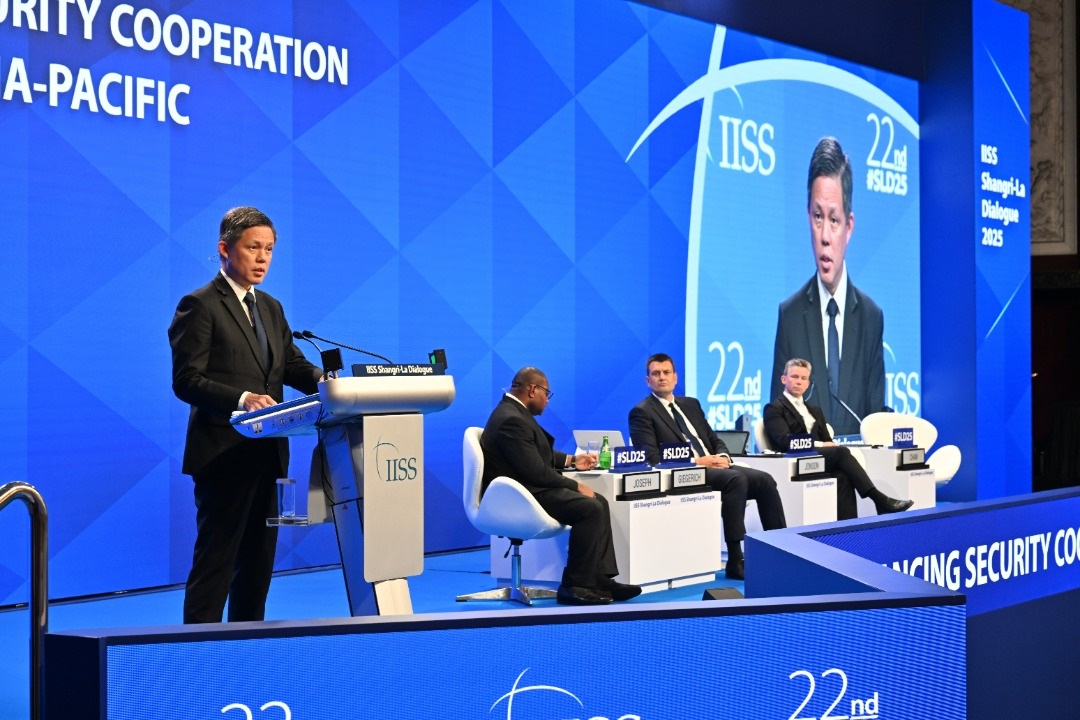
Going alone is not the answer to insecurity – Mr Chan
01 Jun 2025
“Going alone is not the answer to insecurity”, emphasised Minister for Defence Mr Chan Chun Sing at the Shangri-La Dialogue (SLD), held from 30 May to 1 Jun. This was one of his main points at his speech at the sixth plenary session on 1 Jun.
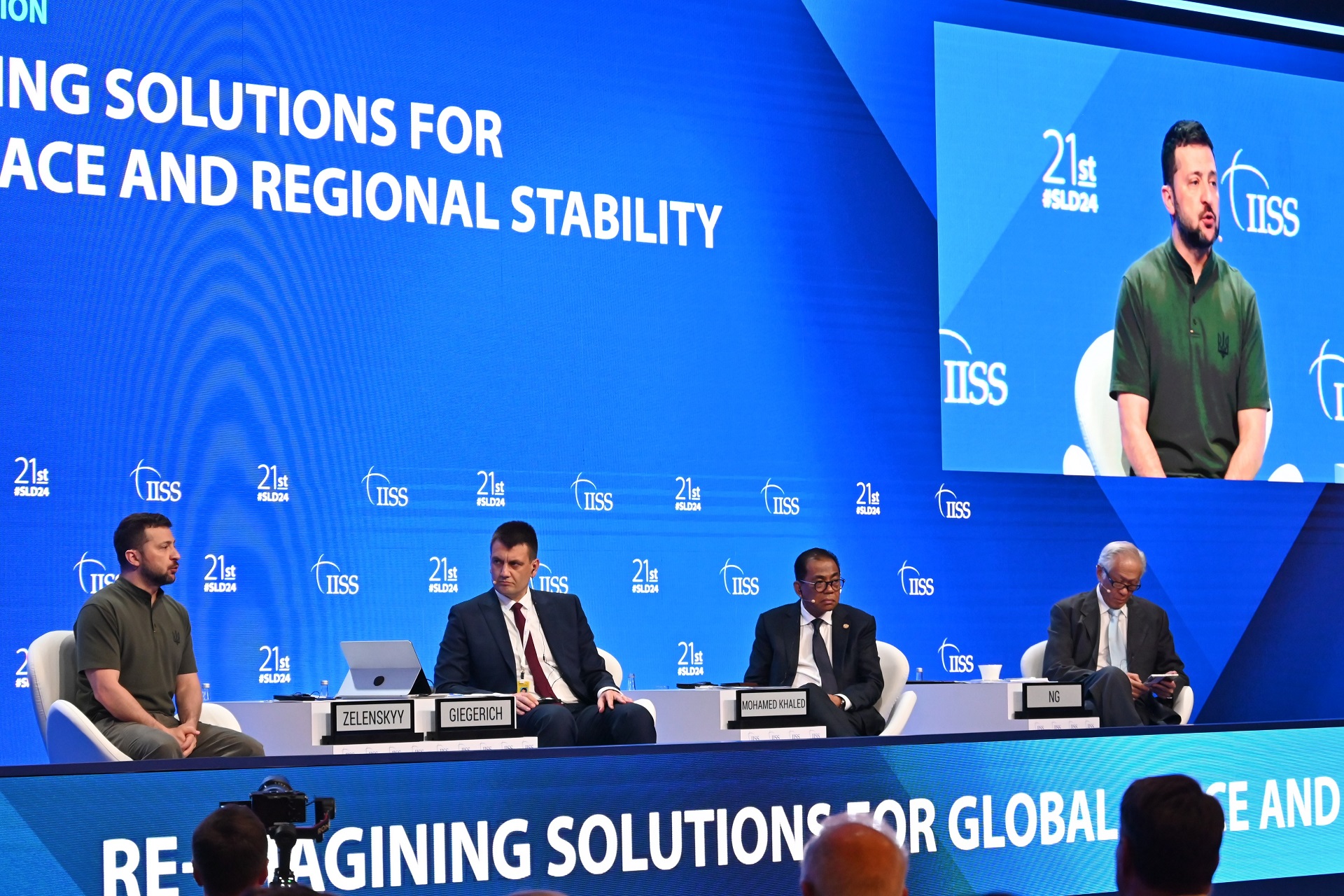
A call for peace at Shangri La Dialogue
02 Jun 2024
A repeated call for peace, especially in Asia. This was Minister for Defence Dr Ng Eng Hen's central message at the 21st Shangri La Dialogue (SLD), held from 31 May to 2 Jun.