
DIPLOMACY
ASIAN AEROSPACE 2006 CONFERENCES
22 Mar 2006
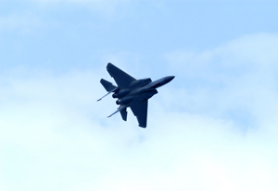
Asian Aerospace 06 is the last edition of the current show series. Over 930 exhibitors from over 40 countries took part while about 75,000 visitors attended the six-day airshow. Seven conferences were also held in conjunction with the airshow. cyberpioneer spotlights two of them here.
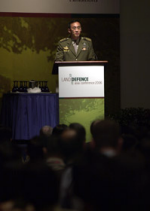
The military can learn much from the commercial world in tapping the potential of information networks, precision technology and unmanned systems, said Chief of Army MG Desmond Kuek (left).
"Many companies today use IT networks to improve their ability to manage real-time information, tracking the entire supply chain from production to delivery," he said.
"Similarly, an army can exploit the power and potential of information and networks. No longer need we think that we must always physically own something in order to guarantee support."
"As long as we can reach the service provider virtually through the network whether it is for fire, information, or transport and supplies we can have responsive support."
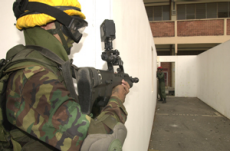
MG Kuek was speaking at the inaugural Land Defence Asia Conference, held in Singapore on 20 Feb. The conference focused on lessons learnt by armed forces as they undergo transformation to deal with homeland defence, low-intensity conflict and urban warfare.
In his keynote address, MG Kuek highlighted that, in addition to networking, the use of precision weapons and munitions was also evolving.
Precision strikes were particularly relevant in homeland and urban operations to mitigate the risk of collateral damage.
"It has been illustrated that during World War II, it took thousands of aircraft carrying thousands more bombs to take out a target the size of a swimming pool," explained MG Kuek.
"In the Gulf War recently, the job could be done by one bomb from one aircraft with double-digit accuracy. And soon, if not already, we should see this being accomplished with single-digit accuracy by one warhead without even needing a piloted aircraft."
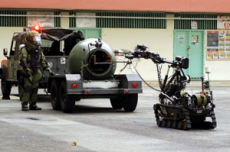
Unmanned systems the third area of development are already applied widely in bomb disposal and chemical defence operations, especially in urban areas and against terrorist threats.
Besides capitalising on advancement in technologies, new geo-strategic realities have also shaped the Army's transformation journey.
Terrorism has reared its ugly head repeatedly, as the number of international terrorist incidents nearly tripled from 100 in 2001 to 280 in 2005.
To deal with these new security demands, armies need to review their missions to address the expanded spectrum of operations that they need to prepare for.
"Soldiers everywhere have to adapt, to be effective, ready and relevant, and units and headquarters will have to reorganise, re-learn and re-energise themselves to make sure that they remain competent, resource-efficient and mission-effective today and into the future," said MG Kuek.
"Our soldiers and leaders will need to be trained to be more flexible, innovative and to apply hard as well as soft power, depending on the operating environment."
Examples of change include the newly-formed Island Defence headquarters, which has links with all the other homeland defence agencies and keeps a high readiness watch against terrorist threats to Singapore.
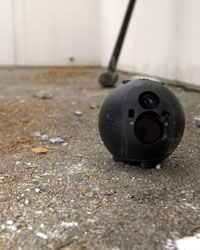
As for urban operations, a battalion has also been designated for urban warfare experimentation. The battalion will be equipped with an integrated network of sensors with mini Unmanned Aerial Vehicles and robots to enhance intelligence collection and situation awareness.
Other speakers at the half-day conference included academia, military and civilian leaders, who shared their insights on various aspects of land warfare transformation and developments in homeland and urban capabilities.
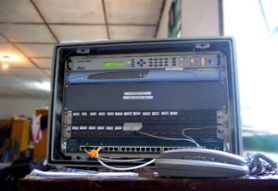
At the heart of Integrated Knowledge-Based Command and Control (IKC2) is the principle of harnessing networks and knowledge to reduce the time taken to complete the basic cycle of war fighting.
The aim is to integrate the information obtained from the various sources, process and internalise them to better command and control the forces.
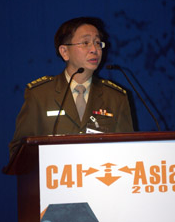
The SAF is now midway in the process of bringing IKC2 from vision to reality, said Head, Joint Communications and Information Systems Department, COL David Koh (left), in his presentation at the C4I (command, control, communications, computers and intelligence) Asia Conference held in Singapore on 20 Feb.
The theme of this year's conference was: Force Transformation in Action: Information Dominance. Over 500 military leaders and technologists attended the conference.
The SAF has been actively pursuing IKC2 as a key enabler in its transformation journey.
After a change in mindset and having identified the system requirements to facilitate this new way of war fighting, the SAF is now "rigorously validating concepts on the ground and operationalising capabilities quickly when possible", said COL Koh.
During Exercise Forging Sabre, which was held in the Mojave Desert last November, the precise integrated strike concept, involving ground sensors, fighter jets, apache helicopters and artillery guns, was enabled by the seamless communications backbone across service boundaries and interoperability between various information systems.
At the same time, Exercise Wallaby, the largest-ever division-level live firing exercise conducted in Australia, saw new concepts of command and control and network tactical fighting carried out.
The brigade was communicating on the move through a high-bandwidth network and collaborative informative systems.
"It was clearly demonstrated that the ability of the HQ to receive real-time graphical updates enabled better responsiveness and significantly cut down the decision-making cycle," said COL Koh.
The ultimate validation of IKC2 technology was during its successful deployment as fielded capability during the tsunami relief operations in Aceh.
The command spanned over 2,000km as C4 systems were quickly reconfigured and handed to the men on the ground so they could make informed decisions after consulting with the main headquarters in Singapore.
The journey towards transformation has its fair share of challenges. First and foremost, to overcome inertia towards change.
"Any introduction of new technology and systems almost always results in changes in the wider environment operating concepts, doctrines and processes and even force structures may change, resulting in changes in the relative influence of the players," explained COL Koh.
"Such structural changes are painful, but necessary. It is victory over the status quo, but we must be committed to doing more."
The other issue to tackle is the perennial dilemma of either delivering immediate operational capability or waiting for faster systems, better capability and cheaper technology tomorrow.
"We must remove the fixation that we always want the best and the fastest, but rather, commit ourselves to what is perhaps good enough. Something that will give us a quantum leap in operational capability within the relevant time frame," added COL Koh.
"Lastly, we need to stay the course. The journey of transformation will often be lonely, most prophets are not accepted in their own land."
"We must dare to be different, to move in the direction that will be different from the rest and stand up for what we believe to be right. The challenge for our decision-makers is to know when to follow the wisdom of the crowd or when we are just a bunch of lost sheep."
Since its inception in 2002, the C4I Asia Conference has been held once every two years and focuses on command and control in network-centric warfare, its ongoing evolution and the implementation challenges faced by armed forces.
One of the conference speakers, Mr Teo Chin Hock, Director (C4I) DSTA, felt the conference was beneficial as it allowed experts from various nations to come together and share their knowledge and experiences usually affirming each others' action.
"We can see that everybody is quite aligned in our thinking. What it does is that it validates our thinking in network-centric warfare and how we go about network-enabling our operations and leveraging on network technologies to better defend ourselves," said Mr Teo.

ALSO READ IN DIPLOMACY
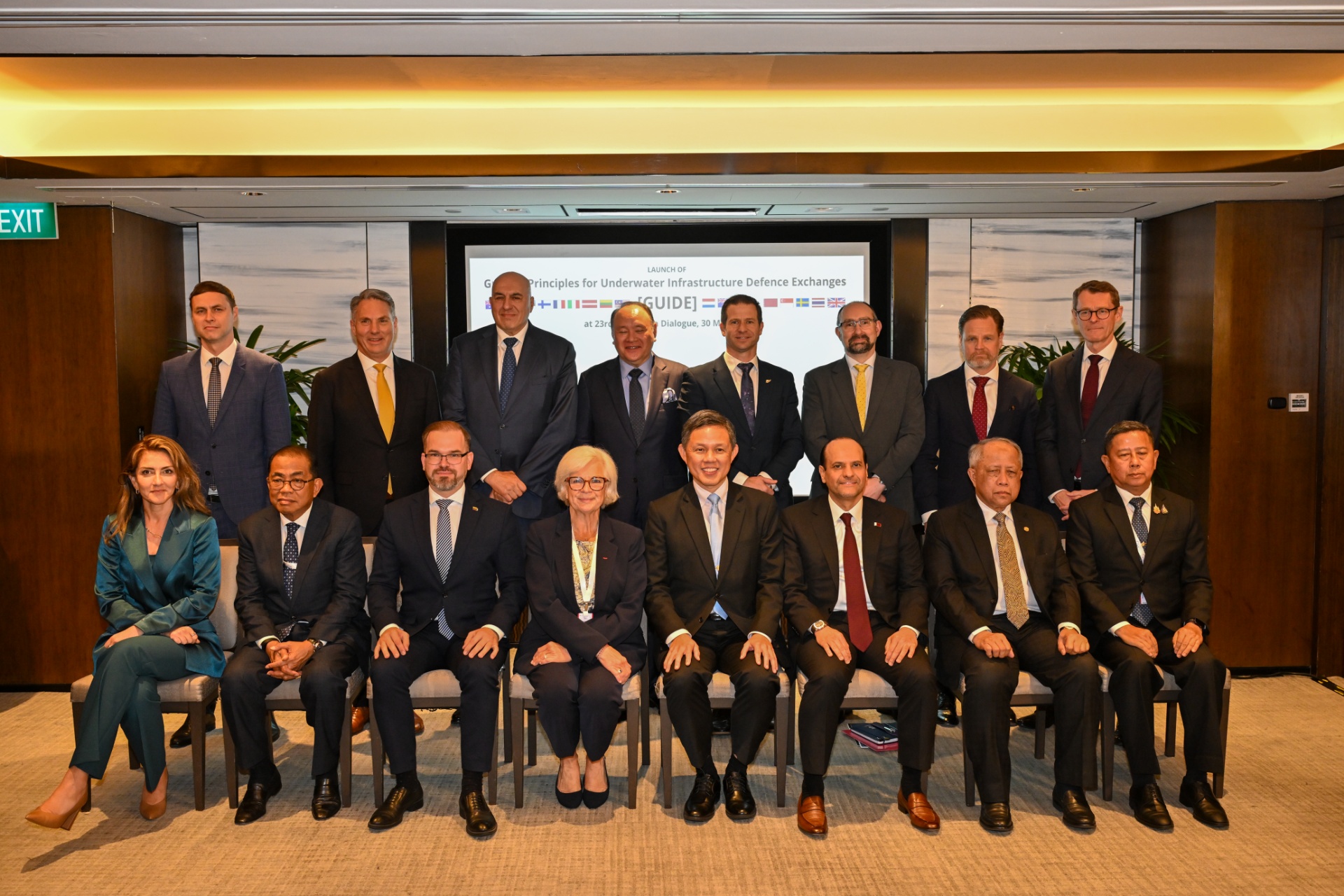
17 countries launch new framework for cooperation on critical underwater infrastructure
30 May 2026
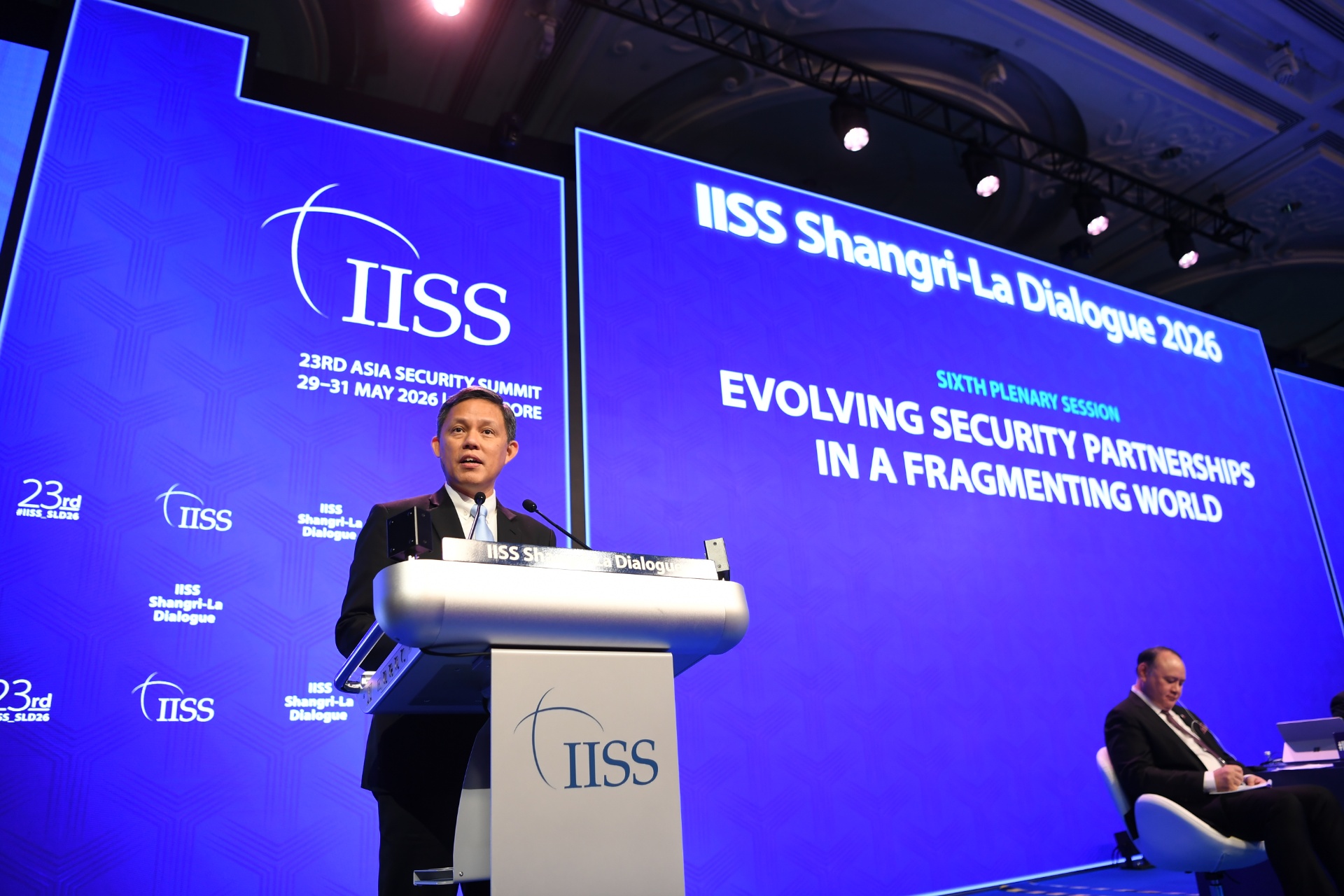
Launched on the sidelines of the 23rd Shangri-La Dialogue, GUIDE is a new framework that brings together countries for defence cooperation in enhancing the security of Critical Underwater Infrastructure.
Going alone is not the answer to insecurity – Mr Chan
01 Jun 2025
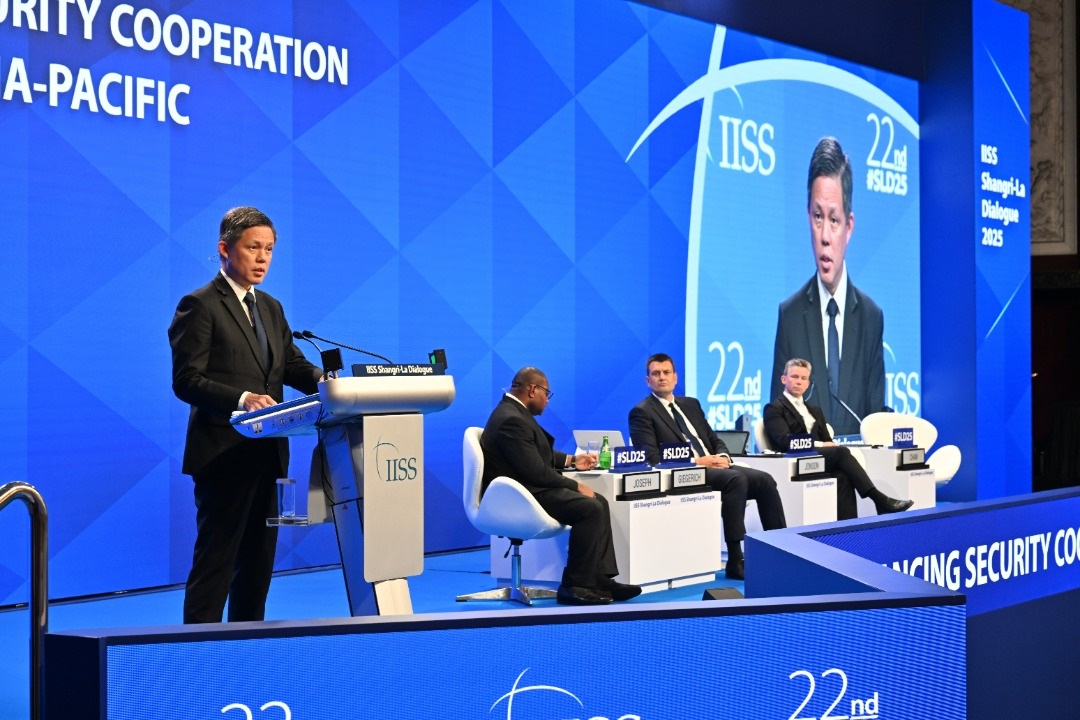
“Going alone is not the answer to insecurity”, emphasised Minister for Defence Mr Chan Chun Sing at the Shangri-La Dialogue (SLD), held from 30 May to 1 Jun. This was one of his main points at his speech at the sixth plenary session on 1 Jun.
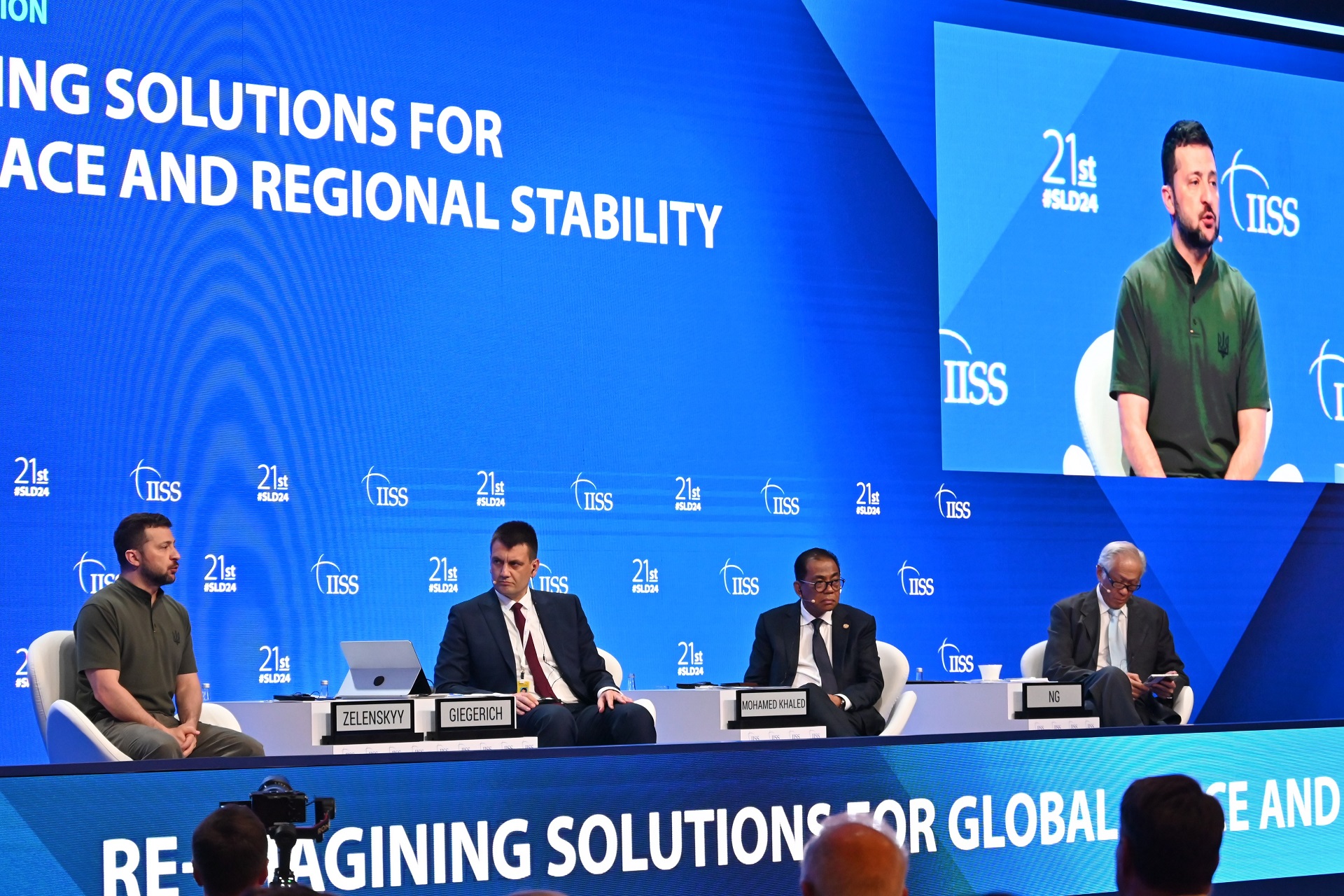
A call for peace at Shangri La Dialogue
02 Jun 2024
A repeated call for peace, especially in Asia. This was Minister for Defence Dr Ng Eng Hen's central message at the 21st Shangri La Dialogue (SLD), held from 31 May to 2 Jun.